Omeprazole Deficiency Risks: What to Eat to Stay Healthy
Long-term omeprazole use can deplete B12, magnesium, and calcium. Learn which foods help prevent omeprazole deficiency and keep your nutrition balanced.

By Reece Douglas · Founder, FreshPlate

Listen to this article
Omeprazole Deficiency Risks: What to Eat to Stay Healthy
Omeprazole is one of the most commonly prescribed medications in the UK, helping millions manage acid reflux, heartburn, and stomach ulcers. As a proton pump inhibitor (PPI), it works brilliantly at reducing stomach acid production. But when you take omeprazole long-term—often for months or years—this reduced acid environment can create an unintended consequence: your body may struggle to absorb certain vital nutrients.
The good news is that understanding which nutrients are affected and adjusting your diet accordingly can help you stay healthy whilst benefiting from omeprazole's protective effects. This guide explores the three main omeprazole deficiency risks—vitamin B12, magnesium, and calcium—and shows you exactly which foods can help bridge the gap.
How Omeprazole Affects Nutrient Absorption
To understand omeprazole deficiency, you need to know a bit about how your stomach works. Your stomach produces hydrochloric acid for two key reasons: to break down food and to create the acidic environment needed to absorb certain nutrients. Omeprazole deliberately reduces this acid production, which is exactly what makes it so effective for conditions like gastro-oesophageal reflux disease (GORD) and hiatus hernia.
However, stomach acid plays a crucial role in liberating nutrients from food. Vitamin B12 needs acid to separate from the proteins it's bound to in meat and fish. Magnesium absorption appears to be impaired in low-acid environments, though the exact mechanism isn't fully understood. Calcium also requires an acidic environment for optimal absorption, particularly calcium carbonate supplements.
The NHS and NICE acknowledge these risks, particularly for people taking PPIs like omeprazole for extended periods. The longer you take omeprazole, the more important dietary awareness becomes. Most people won't develop severe deficiencies, but being proactive about nutrition helps prevent problems before they start.
Who's Most at Risk
Certain groups face higher omeprazole deficiency risks. Older adults already absorb nutrients less efficiently, so adding a PPI compounds the issue. People who've taken omeprazole for more than a year, those on higher doses, and anyone with pre-existing digestive conditions should pay particular attention to their nutritional intake.
- Over 65s — age-related absorption decline plus medication effects
- Long-term users — those on omeprazole for more than 12 months continuously
- High-dose regimens — 40mg daily or higher increases deficiency risk
- Vegans and vegetarians — already limited B12 sources become harder to absorb
- Previous deficiency history — if you've had low B12, magnesium, or calcium before
Vitamin B12 and Omeprazole: The Most Common Deficiency
Vitamin B12 deficiency is the most well-documented omeprazole deficiency risk. Studies show that long-term PPI use is associated with significantly lower B12 levels, though it often takes several years of continuous use before clinical deficiency develops. B12 is essential for nerve function, red blood cell formation, and DNA synthesis—so maintaining adequate levels matters enormously.
The challenge is that B12 from food requires stomach acid to be absorbed properly. The vitamin is bound to proteins in animal products, and acid helps release it. Once freed, B12 binds to intrinsic factor (a protein made in your stomach) and travels to your small intestine for absorption. When omeprazole reduces acid production, this first crucial step becomes less efficient.
Best Food Sources for B12 Whilst Taking Omeprazole
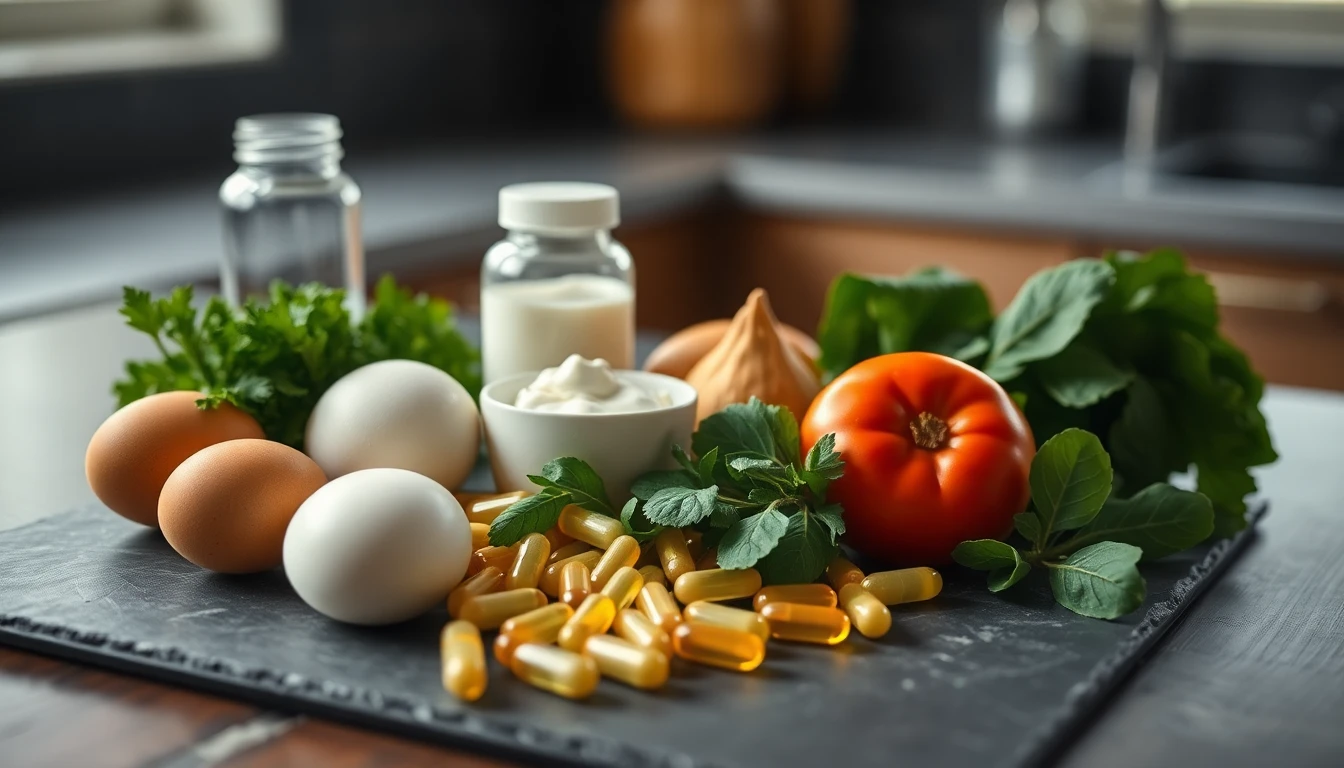
Focus on foods rich in B12 and consider fortified options, which may be easier to absorb since the vitamin is already in free form rather than protein-bound.
- Fortified breakfast cereals — often contain 100% of your daily B12 needs in free form
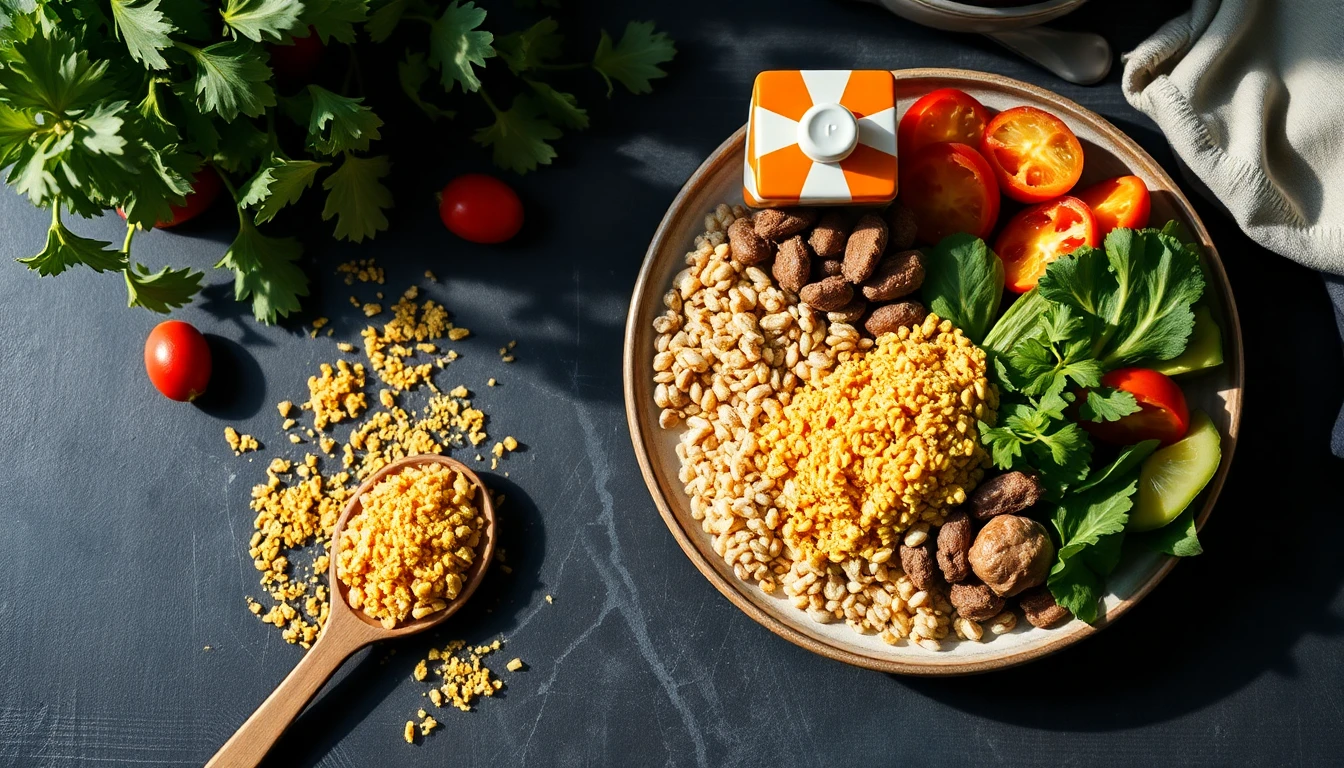
- Nutritional yeast — provides bioavailable B12 for plant-based eaters
- Eggs — particularly the yolks, offering around 0.6mcg per egg
- Dairy products — milk, yoghurt, and cheese provide readily accessible B12
- Shellfish — clams, mussels, and crab are exceptionally rich sources
- Fortified plant milks — almond, soya, and oat varieties often add B12
- Salmon and trout — oily fish deliver both B12 and beneficial omega-3s
When to Consider B12 Supplements
If you've been on omeprazole for over a year, discuss B12 testing with your GP. Sublingual (under-the-tongue) B12 supplements bypass the stomach acid issue entirely and may be recommended. Injectable B12 is sometimes prescribed for severe deficiencies. Never start high-dose supplements without medical advice, as excess B12 can occasionally mask other deficiencies.
Magnesium Depletion and Omeprazole Use
Magnesium deficiency linked to omeprazole use is less common than B12 deficiency, but potentially more serious when it occurs. In 2011, the US Food and Drug Administration issued a warning about low magnesium levels in patients taking PPIs for extended periods—typically a year or longer. Low magnesium can cause muscle spasms, irregular heartbeat, and seizures in severe cases.
The exact mechanism isn't entirely clear, but research suggests PPIs interfere with magnesium absorption in the intestines. The risk increases with duration of use and when omeprazole is combined with certain diuretics (water tablets) that also deplete magnesium.
Magnesium-Rich Foods to Prioritise
The recommended daily magnesium intake is 300mg for men and 270mg for women. Whilst omeprazole can impair absorption, eating magnesium-rich foods regularly helps maintain adequate levels.
- Dark leafy greens — spinach, Swiss chard, and kale provide 150–160mg per cooked cup
- Pumpkin seeds — just 30g delivers nearly half your daily magnesium needs
- Black beans and chickpeas — legumes offer around 120mg per cooked cup
- Dark chocolate — 70% cocoa or higher provides about 65mg per 30g serving
- Avocado — one medium fruit contains approximately 58mg
- Almonds and cashews — a small handful provides 75–80mg
- Whole grains — brown rice, quinoa, and wholemeal bread contribute useful amounts
- Mackerel and salmon — oily fish deliver magnesium alongside protein and healthy fats
Signs Your Magnesium Might Be Low
Early magnesium deficiency symptoms are often subtle: fatigue, muscle cramps, or weakness. More severe deficiency can cause numbness, tingling, abnormal heart rhythms, and personality changes. If you experience persistent muscle cramps or unusual fatigue whilst on omeprazole, request a serum magnesium test from your GP. Bear in mind that blood tests don't always reflect total body magnesium stores, so your doctor may assess symptoms alongside test results.
Calcium Absorption and Bone Health Concerns
Long-term omeprazole use has been associated with increased fracture risk, particularly hip, wrist, and spine fractures. This appears to be related to reduced calcium absorption. Stomach acid helps dissolve calcium, making it available for absorption in the small intestine. When acid levels drop, calcium absorption—especially from supplements in carbonate form—becomes less efficient.
The evidence is still evolving, but studies suggest the fracture risk increases most significantly in people who take high doses of PPIs for several years, particularly if they have other risk factors like being post-menopausal, smoking, or having a family history of osteoporosis.
Calcium-Rich Foods That Support Bone Health
Adults need around 700mg of calcium daily. Food sources may be more reliable than supplements for people on omeprazole, as the calcium in food is often better absorbed even in low-acid conditions.
- Dairy products — milk, yoghurt, and cheese remain the richest sources, with a 200ml glass of milk providing about 240mg
- Fortified plant milks — soya, almond, and oat drinks often match dairy's calcium content
- Tinned fish with bones — sardines and salmon with edible bones offer highly absorbable calcium
- Tofu (calcium-set) — check labels, as calcium content varies by brand, but can provide 200mg per 100g
- Kale and broccoli — cooked greens contribute useful amounts alongside other nutrients
- Almonds — a 30g serving provides around 75mg
- Dried figs — four figs contain approximately 160mg
- White beans — a cup of cooked beans offers about 160mg
Vitamin D: Calcium's Essential Partner
Calcium absorption depends heavily on adequate vitamin D, regardless of stomach acid levels. Most UK residents have low vitamin D during autumn and winter months. The NHS recommends that everyone consider taking a 10 microgram (400 IU) vitamin D supplement daily between October and March. If you're on long-term omeprazole, this becomes even more important for protecting bone health. Oily fish, egg yolks, and fortified foods provide some vitamin D, but sunlight exposure and supplements are the most reliable sources in the UK climate.
Timing Your Omeprazole Dose for Best Effect
When you take omeprazole can affect how well it works and potentially influence nutrient absorption patterns. The NHS advises taking omeprazole first thing in the morning, 30 to 60 minutes before breakfast. This timing allows the medication to block acid pumps before they're activated by food.
For conditions like hiatus hernia, consistent timing matters. Taking omeprazole at the same time each day maintains steady acid suppression, which helps prevent symptoms throughout the day and night. If you're on twice-daily dosing, the second dose should typically be taken before your evening meal.
Whilst timing your omeprazole dose won't prevent nutrient deficiencies—these result from chronic acid suppression rather than acute timing—it does ensure you're getting maximum therapeutic benefit from your medication. Speak to your GP if you're unsure about when to take your dose, particularly if you have specific conditions like hiatus hernia that may require tailored advice.
Practical Dietary Strategies for Omeprazole Users
Managing omeprazole deficiency risks doesn't require a complete dietary overhaul. Small, strategic changes can make a meaningful difference to your nutritional status over time.
- Eat a varied diet — rotating different nutrient-dense foods ensures you're covering multiple bases
- Choose fortified options — breakfast cereals, plant milks, and nutritional yeast offer nutrients in easily absorbed forms
- Time your calcium intake — if taking calcium supplements, choose calcium citrate rather than carbonate (it's less dependent on stomach acid) and take it with food
- Pair iron and vitamin C — though not a primary omeprazole concern, low acid can affect iron absorption; vitamin C-rich foods help compensate
- Don't skip meals — regular eating patterns support consistent nutrient intake
- Limit absorption blockers — excessive caffeine and alcohol can further impair nutrient absorption
- Request regular monitoring — ask your GP about periodic blood tests for B12, magnesium, and calcium if you've been on omeprazole long-term
Should You Take a Multivitamin?
A daily multivitamin-mineral supplement can serve as nutritional insurance for long-term omeprazole users, but it shouldn't replace a balanced diet. Look for formulations that include B12 (ideally as methylcobalamin or cyanocobalamin), magnesium, calcium, and vitamin D. Always inform your GP and pharmacist about any supplements you take, as some can interact with medications or affect absorption of other nutrients.
How FreshPlate Supports Medication-Aware Nutrition
Managing omeprazole deficiency through diet becomes much simpler when your meal planning automatically accounts for your medication. FreshPlate's personalised recipe engine does exactly this—when you add omeprazole to your medication profile, the app prioritises recipes rich in B12, magnesium, and calcium, and suggests appropriate portions to help you meet your elevated nutritional needs.
Rather than manually tracking which foods contain which nutrients, FreshPlate builds your weekly meal plans around your specific requirements. The app identifies potential nutrient gaps and suggests targeted recipe swaps—perhaps recommending a fortified cereal breakfast or a salmon dinner when your B12 intake has been lower that week. It also flags if you're consistently falling short on magnesium or calcium, giving you the awareness to adjust before deficiencies develop.
For people managing multiple medications alongside dietary preferences or restrictions, this automated approach removes the guesswork. FreshPlate ensures that your efforts to eat well actually address your body's changing needs whilst on omeprazole, making medication-aware nutrition feel effortless rather than overwhelming.
Frequently asked questions
Can omeprazole cause vitamin deficiency?
+
Yes, long-term omeprazole use can interfere with absorption of vitamin B12, magnesium, and calcium. This happens because omeprazole reduces stomach acid, which is needed to absorb these nutrients properly. The risk increases the longer you take the medication, particularly beyond 12 months of continuous use.
What vitamins should I take with omeprazole?
+
Consider vitamin B12 (especially if you've taken omeprazole for over a year), vitamin D to support calcium absorption, and possibly magnesium if blood tests show low levels. Always discuss supplementation with your GP first, as they can assess your individual needs and check for deficiencies through blood tests.
How long does it take for omeprazole to cause B12 deficiency?
+
Most studies suggest it takes at least one to two years of continuous omeprazole use before B12 deficiency develops, though this varies by individual. Your age, diet, and pre-existing B12 levels all influence how quickly deficiency might occur. Regular monitoring is sensible for anyone on long-term PPIs.
Does omeprazole deplete magnesium?
+
Yes, omeprazole and other PPIs can reduce magnesium absorption, particularly with long-term use exceeding one year. Severe magnesium depletion is uncommon but can cause muscle cramps, irregular heartbeat, and fatigue. Eating magnesium-rich foods and monitoring levels through blood tests helps prevent this.
Should I stop taking omeprazole because of nutrient deficiencies?
+
No, don't stop omeprazole without consulting your GP, even if you're concerned about nutrient deficiencies. The medication provides important protection against acid-related damage. Instead, work with your doctor to optimise your diet, consider appropriate supplements, and explore whether you still need omeprazole or could manage on a lower dose.
A reader asked: I have a hiatus hernia, does omeprazole timing matter?
+
Yes, timing matters for managing hiatus hernia symptoms effectively. Take omeprazole first thing in the morning, 30 to 60 minutes before breakfast, as the NHS recommends. This allows the medication to block acid pumps before they're activated by food, providing optimal symptom control throughout the day. If your GP has prescribed twice-daily dosing, take the second dose before your evening meal. Consistent timing at the same time each day helps maintain steady acid suppression, which is particularly important for hiatus hernia management.
Sources
Did this answer your question?
Reece reads every reply. Questions we have not covered become new guides.
Eating around omeprazole shouldn’t be guesswork.
Get our free omeprazole food guide by email — the foods to watch, safe swaps, and meal ideas that work with your medication. One genuinely useful email a week — no spam, unsubscribe anytime.
Free forever. You'll also be first in line for the FreshPlate app — with a free trial at launch.