ACE Inhibitor Potassium Foods: What's Safe to Eat
Taking ACE inhibitors like lisinopril or ramipril? Learn which potassium-rich foods to limit, what you can eat safely, and why salt substitutes matter.

By Reece Douglas · Founder, FreshPlate
Listen to this article
ACE Inhibitor Potassium Foods: What's Safe to Eat
If you've been prescribed an ACE inhibitor such as lisinopril, enalapril, or ramipril for high blood pressure or heart failure, you may have been told to watch your potassium intake. This advice can feel confusing, especially since potassium-rich foods like bananas, spinach, and sweet potatoes are often recommended as part of a heart-healthy diet.
The truth is, ACE inhibitors can cause your body to retain more potassium than usual, which may lead to hyperkalaemia—elevated blood potassium levels. For most people, this doesn't mean avoiding potassium altogether. It means being mindful of how much you're consuming, especially from very high-potassium sources and hidden culprits like salt substitutes. In this guide, we'll walk you through which ace inhibitor potassium foods require caution, which are generally safe in moderation, and how to build a balanced plate whilst taking your medication.
Why ACE Inhibitors Affect Potassium Levels
ACE inhibitors work by blocking the production of angiotensin II, a hormone that narrows blood vessels and raises blood pressure. By preventing this, ACE inhibitors help your blood vessels relax and widen, making it easier for your heart to pump blood efficiently.
However, this mechanism also affects your kidneys' ability to excrete potassium. Normally, your kidneys balance potassium levels by removing excess amounts through urine. ACE inhibitors can interfere with this process, causing potassium to build up in your bloodstream. For some people—particularly those with kidney disease, diabetes, or those taking other medications that affect potassium—this can lead to dangerously high levels.
Your GP will typically monitor your potassium levels through blood tests, especially when you first start an ACE inhibitor or change your dose. If your levels are consistently at the higher end of normal (above 5.0 mmol/L) or elevated, you may be advised to adjust your diet. Understanding drug-food interactions can help you manage your medication more safely.
High-Potassium Foods to Limit on ACE Inhibitors
If your doctor has advised you to reduce potassium intake, start by limiting foods that contain more than 200mg of potassium per standard portion. These 'high-potassium' foods can add up quickly throughout the day and push your levels too high.
It's important to note that you don't necessarily need to eliminate these foods entirely—unless specifically instructed by your healthcare team. For many people, occasional small portions are fine, but daily consumption should be avoided.
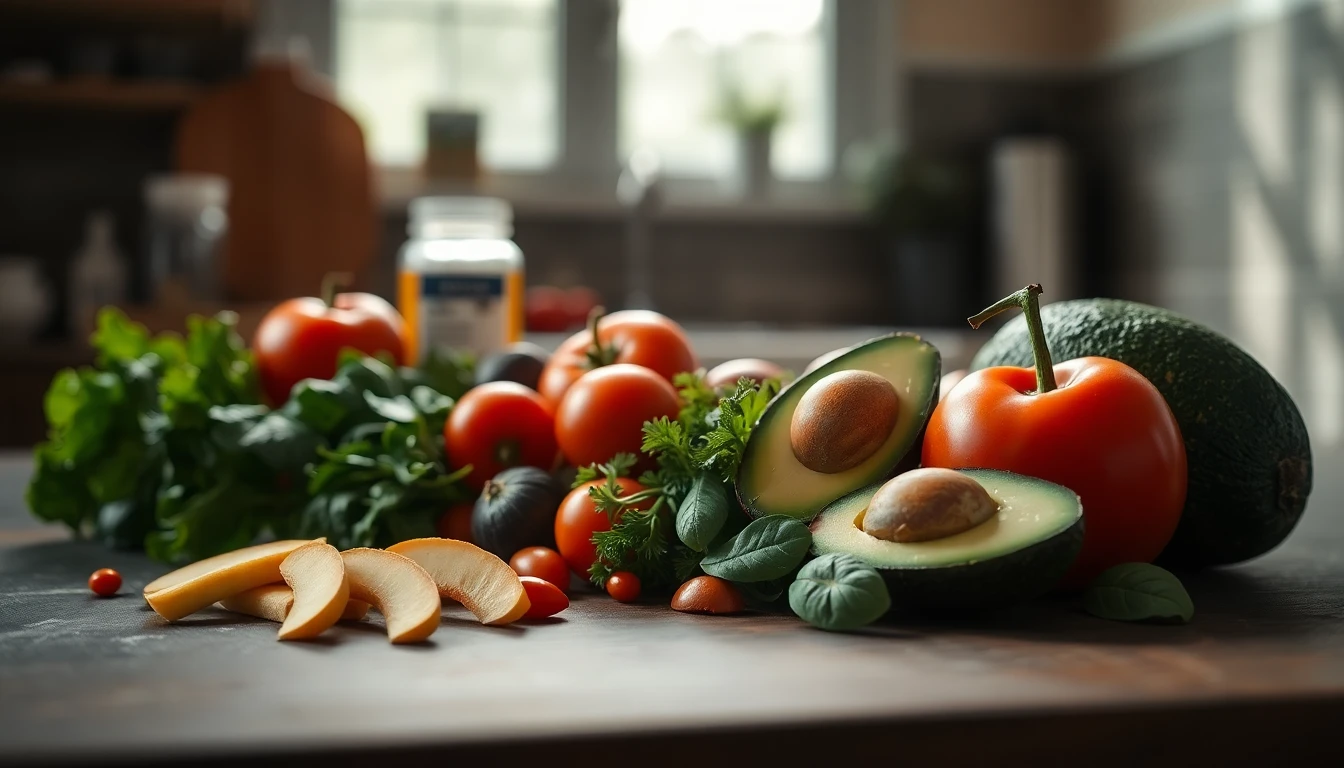
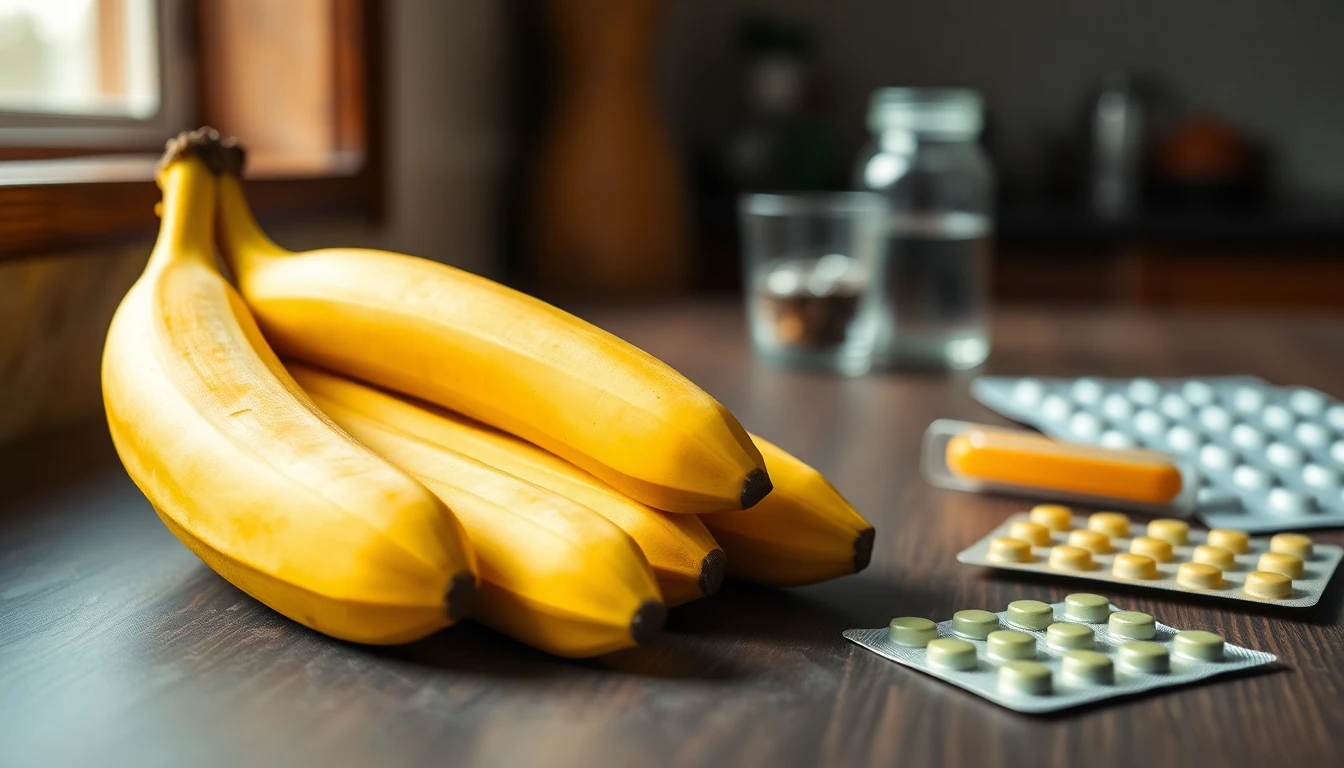
- Bananas — A medium banana contains around 420mg of potassium, making it one of the richest common sources
- Potatoes — Both white and sweet potatoes are very high, with a medium baked potato providing 925mg
- Tomato-based products — Tomato purée, passata, and sun-dried tomatoes are concentrated sources; a 100g serving of purée contains roughly 1,000mg
- Dried fruits — Raisins, dates, and apricots pack 600-1,000mg per 100g serving
- Avocados — Half an avocado delivers about 485mg
- Spinach and chard — Cooked portions contain 400-800mg, though raw servings are lower
- Beans and pulses — Kidney beans, chickpeas, and lentils range from 250-400mg per cooked portion
- Nuts and seeds — Almonds, cashews, and sunflower seeds contain 200-350mg per 50g serving
- Oranges and orange juice — A large orange has 330mg, whilst a 200ml glass of juice contains 400mg
- Salt substitutes — Often contain potassium chloride instead of sodium chloride, delivering 500-700mg per teaspoon
The Salt Substitute Trap
This deserves special attention. Many people with high blood pressure switch to 'low-sodium' or 'reduced-salt' products to help manage their condition. Whilst this seems sensible, many of these products replace sodium chloride with potassium chloride.
Brands like LoSalt and Solo contain significant amounts of potassium—up to 700mg per teaspoon. If you're using these liberally in cooking or at the table, you could be adding 2,000-3,000mg of extra potassium daily without realising it. Always check the label, and if potassium chloride appears in the ingredients, discuss it with your pharmacist or GP before continuing to use it alongside your ACE inhibitor.
Moderate-Potassium Foods That Are Usually Safe
Most people taking ACE inhibitors can still enjoy a wide variety of nutritious foods that contain moderate amounts of potassium—typically 100-200mg per portion. These foods support overall health without significantly affecting blood potassium levels.
The key is balance. You might have a moderate-potassium food at each meal, but avoid combining several high-potassium choices in one sitting. If you're managing multiple health conditions, our guide to eating well on a budget shows how to plan nutritious meals without overspending.
- Apples and pears — Around 150-190mg per medium fruit
- Berries — Strawberries, blueberries, and raspberries contain 100-150mg per 100g serving
- Carrots — A medium carrot has roughly 180mg
- Broccoli and cauliflower — Cooked portions provide 150-200mg
- Courgettes — About 160mg per 100g cooked
- Chicken and turkey — White meat contains 200-250mg per 100g
- White fish — Cod, haddock, and plaice have 250-350mg per fillet
- Eggs — One large egg contains approximately 70mg
- White rice and pasta — Cooked portions have 30-50mg
- Bread — A slice of wholemeal bread contains roughly 70-80mg
Cooking Methods That Reduce Potassium
If you love potatoes or other high-potassium vegetables, there's a technique called 'leaching' that can reduce their potassium content by up to 50%. Peel and dice the vegetable into small pieces, then soak in warm water for at least two hours (or overnight). Rinse thoroughly, then cook in fresh water.
Whilst this requires planning ahead, it allows you to occasionally enjoy foods that would otherwise be off-limits. The texture may be slightly softer than usual, but the flavour remains largely intact. This technique is commonly recommended by renal dietitians for patients managing potassium intake.
Foods That Are Low in Potassium
When you need to fill your plate without worrying about potassium, these foods contain less than 100mg per serving and can be eaten freely (unless you have other dietary restrictions).
- Cucumbers — Only 80mg per 100g
- Iceberg lettuce — Around 100mg per 100g
- Green beans — Approximately 90mg per cooked portion
- Peppers — Red, green, or yellow peppers contain 90-110mg per 100g
- Mushrooms — Button mushrooms have roughly 80mg per 100g
- Grapes — About 95mg per 100g
- Watermelon — Only 110mg per 100g
- White bread — Lower than wholemeal, with 50mg per slice
- Plain biscuits — Digestives and rich tea contain 30-50mg per biscuit
- Cream and butter — Very low in potassium, though high in saturated fat
Other Factors That Affect Potassium Levels
Diet isn't the only factor influencing your potassium levels whilst taking ACE inhibitors. Several medications, health conditions, and lifestyle factors can increase your risk of hyperkalaemia.
If you're taking any over-the-counter medications or supplements, mention them to your pharmacist. They can check for interactions and advise whether any adjustments are needed. Never assume that 'natural' products are automatically safe alongside prescription medications.
- Other medications — NSAIDs (like ibuprofen), potassium-sparing diuretics (spironolactone), and some diabetes medications can increase potassium retention
- Kidney function — Reduced kidney function makes it harder to excrete potassium; your GP should monitor this regularly through eGFR blood tests
- Dehydration — When you're dehydrated, potassium becomes more concentrated in your blood
- Supplements — Many multivitamins and sports drinks contain added potassium; always check labels
- Herbal remedies — Some herbal teas and supplements can affect potassium levels or interact with ACE inhibitors
- Diabetes control — Poor blood sugar control can affect potassium balance; managing diabetes well supports safer medication use
When to Seek Medical Advice
Whilst regular blood monitoring typically catches elevated potassium before it becomes dangerous, you should be aware of symptoms that warrant immediate medical attention.
Contact your GP promptly if you experience unexplained muscle weakness, fatigue, nausea, or palpitations. Seek emergency care if you develop chest pain, severe irregular heartbeat, or difficulty breathing, as these may indicate severe hyperkalaemia requiring urgent treatment.
Your GP should arrange potassium blood tests when you first start an ACE inhibitor, after any dose change, and then at least annually (more frequently if you have kidney disease or diabetes). If your results show levels above 5.5 mmol/L, your doctor may adjust your medication, review other prescriptions, or refer you to a dietitian for personalised dietary guidance.
How FreshPlate Can Help
Keeping an eye on potassium in everyday cooking can feel like a lot, especially when you want varied, enjoyable food for yourself and your family. FreshPlate is built to help you cook around your own medicines.
You can add your medicines to FreshPlate by brand or generic name, including ones like lisinopril, enalapril or ramipril. The app reads each one by its active ingredient, and every recipe it generates is built around your own medication list. On the For you tab of each recipe, your medicines are listed. For those where the NHS page or US FDA label has been quoted on food, you can open those words about food, quoted word for word, with a link to the checker page. For the rest, the app says there is no advice on file yet and points you to your pharmacist. Most interactions are advisory, so it's still worth checking anything you're unsure of with your pharmacist or GP.
FreshPlate doesn't set a potassium target or count the potassium in each recipe, so if your GP has given you a daily limit, keep following their advice. For a quick look at the foods to watch with your medicine, the free interaction checker on our website lets you type in a medication or its brand name and see the answer in seconds: /website/tools/food-medication-checker/.
Frequently asked questions
Can I eat bananas if I take lisinopril?
+
Most people can eat bananas occasionally in small portions, but daily consumption should be avoided unless your GP confirms your potassium levels are consistently normal. A half or third of a banana is usually safer than a whole one. Your individual tolerance depends on your kidney function, other medications, and recent blood test results.
Are salt substitutes safe with ACE inhibitors?
+
No, most salt substitutes contain potassium chloride and can significantly raise your potassium levels. Avoid products like LoSalt unless your doctor has specifically approved them. Instead, use herbs, spices, lemon juice, or garlic to add flavour without affecting potassium or sodium intake.
How much potassium is safe on ACE inhibitors?
+
This varies by individual, but many GPs recommend limiting intake to 2,000-3,000mg per day if your potassium levels are elevated. The general UK recommendation for healthy adults is 3,500mg daily, but those on ACE inhibitors with borderline-high results often need lower targets. Always follow your doctor's specific guidance based on your blood test results and kidney function.
What are the symptoms of high potassium?
+
High potassium (hyperkalaemia) may cause muscle weakness, fatigue, nausea, irregular heartbeat, tingling sensations, or chest discomfort. However, many people have no symptoms at all, which is why regular blood monitoring is essential. Severe hyperkalaemia can cause life-threatening heart rhythm disturbances.
Can I drink orange juice on ramipril?
+
Orange juice is very high in potassium—about 400mg per 200ml glass. It's best limited to occasional small portions (50-100ml) or switched for lower-potassium options like apple, cranberry, or diluted squash. Fresh oranges contain similar amounts, so these should also be eaten sparingly.
Do I need to avoid all potassium-rich foods permanently?
+
Not necessarily. Many people can enjoy moderate amounts of higher-potassium foods if their blood levels remain stable. Your GP may only recommend dietary restrictions if blood tests show elevated potassium (above 5.0-5.5 mmol/L). Regular monitoring allows for personalised advice rather than blanket restrictions.
Sources
Did this answer your question?
Reece reads every reply. Questions we have not covered become new guides.
Eating around ACE inhibitors shouldn’t be guesswork.
Get our free ACE inhibitors food guide by email — the foods to watch, safe swaps, and meal ideas that work with your medication. One genuinely useful email a week — no spam, unsubscribe anytime.
Free forever. You'll also be first in line for the FreshPlate app — with a free trial at launch.