Warfarin Vitamin K Foods: Complete Safety Guide
Taking warfarin? Learn which vitamin K foods require consistency—not avoidance. Complete lists of high, medium, and low vitamin K foods to help you stay safe.

By Reece Douglas · Founder, FreshPlate
Listen to this article
Warfarin Vitamin K Foods: Complete Safety Guide
If you've recently started taking warfarin—also sold under the brand name Coumadin—you've probably been told to 'watch your vitamin K intake.' This advice often gets misunderstood as 'avoid all green vegetables,' which isn't accurate and can actually lead to poor nutrition. The truth is more nuanced: warfarin and vitamin K have a complex relationship, but it's one you can manage successfully once you understand the basics.
Warfarin is an anticoagulant medication that helps prevent blood clots by interfering with vitamin K's role in blood clotting. Because vitamin K is essential for your blood's ability to clot, eating vastly different amounts from day to day can make your warfarin dose either too strong or too weak. The key isn't avoidance—it's consistency. In this guide, we'll explain exactly which foods contain vitamin K, how much is in common ingredients, and how to build a varied, nutritious diet whilst keeping your INR (International Normalised Ratio) stable.
How Warfarin and Vitamin K Interact in Your Body
To understand why consistency matters more than avoidance, it helps to know what's happening inside your body. Warfarin works by blocking the action of vitamin K, which your liver needs to produce certain clotting factors. When you take warfarin regularly, your doctor calibrates your dose based on blood tests (INR readings) to keep your blood thin enough to prevent dangerous clots, but not so thin that you risk bleeding.
When you suddenly eat much more vitamin K than usual—say, switching from no salads to kale smoothies every day—you're essentially giving your body more of the substance that warfarin is trying to block. This can reduce warfarin's effectiveness, potentially putting you at risk for clots. Conversely, if you normally eat vitamin K-rich foods and suddenly stop, warfarin's effect becomes stronger, increasing bleeding risk.
Your doctor has likely set your warfarin dose based on your current eating habits. If those habits include regular servings of broccoli, spinach, or other vitamin K sources, that's already factored into your dosage. The goal is simply to maintain that pattern rather than swinging wildly between extremes.
Why Coumadin and Warfarin Are the Same Thing
You might see both names used interchangeably, which can be confusing. Warfarin is the generic medication name, whilst Coumadin is a brand name for the same drug. They work identically, and all the dietary advice about vitamin K applies equally to both. Some people also take other branded versions like Jantoven or Marevan, but the active ingredient and the vitamin K interaction remain the same.
High Vitamin K Foods: Know What Counts as a Significant Source
High vitamin K foods contain more than 200 micrograms per serving. These are the foods that have the greatest potential to affect your INR if you suddenly add them to your diet in large amounts or remove them entirely. That doesn't mean you can't eat them—many people on warfarin enjoy these foods regularly—but it does mean you should eat similar amounts week to week.
Most high vitamin K foods are dark leafy greens and certain vegetables. Here's what to be mindful of:
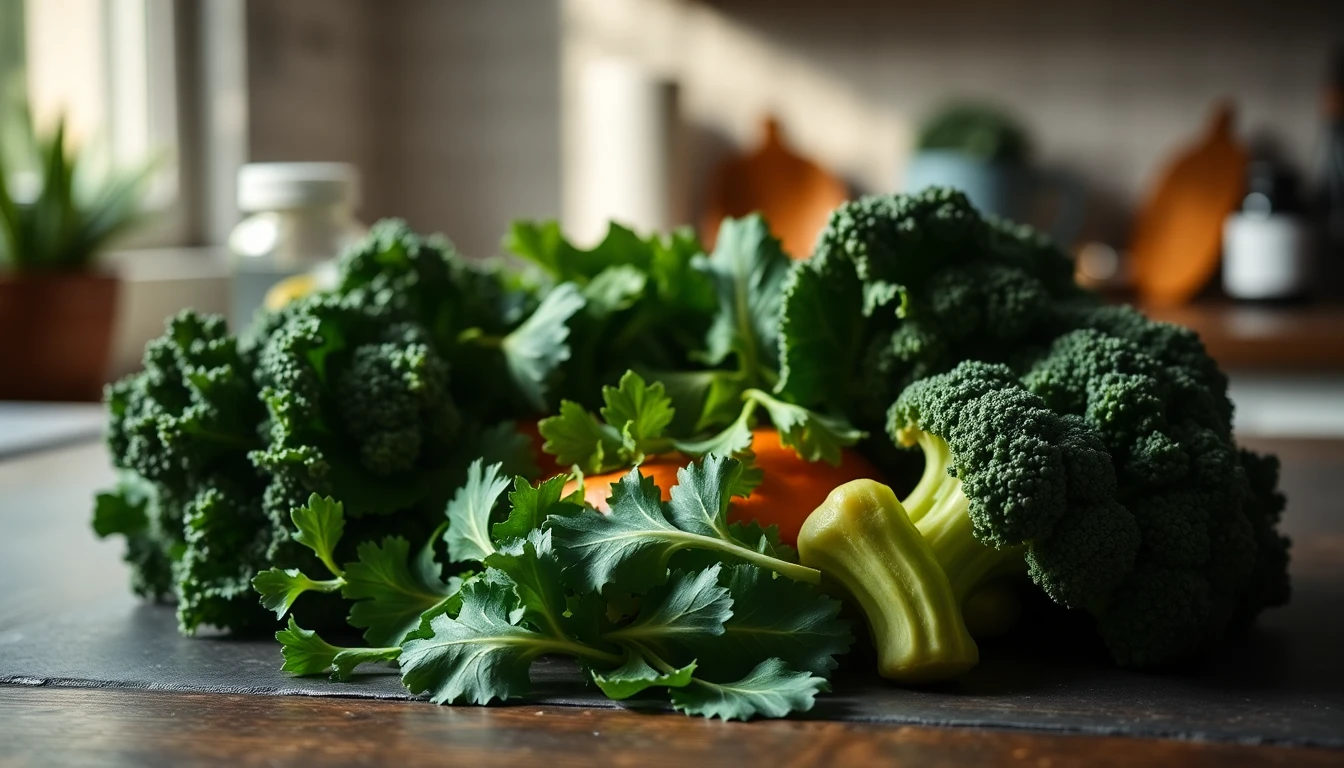
- Kale — One of the highest sources, with around 1,062 mcg per 100g cooked. Even a small serving contains several days' worth of vitamin K
- Spinach — Cooked spinach contains about 888 mcg per 100g, whilst raw has around 483 mcg per 100g
- Collard greens — Similar to kale at approximately 1,059 mcg per 100g cooked
- Spring greens — Around 817 mcg per 100g cooked
- Turnip greens — Approximately 650 mcg per 100g cooked
- Brussels sprouts — Contain about 194 mcg per 100g cooked (borderline high)
- Broccoli — Cooked broccoli has roughly 141 mcg per 100g, whilst raw has about 110 mcg
- Parsley (fresh) — An often-overlooked source at 1,640 mcg per 100g, though typically used in small amounts
- Natto (fermented soybeans) — Extremely high at around 1,000 mcg per 100g and best avoided or used very sparingly and consistently
Practical Portion Guidance
A typical side serving of cooked greens is about 80-100g. If you enjoy a portion of steamed broccoli with dinner three times a week, continue doing so—just don't suddenly switch to eating it twice daily. Similarly, if you've never been a kale enthusiast, starting a daily green smoothie habit will likely affect your INR readings. Any dietary changes should be gradual, with INR monitoring adjusted accordingly.
Medium Vitamin K Foods: Moderate Sources to Track
These foods can certainly be part of your regular diet. The key is not to go from never eating them to having them multiple times daily without discussing it with your anticoagulation clinic. A mixed salad with romaine lettuce and cucumber, enjoyed a few times a week, is perfectly manageable—just maintain that pattern rather than eating salads every day one week and none the next.
- Asparagus — Contains about 144 mcg per 100g cooked
- Cabbage — Green cabbage has around 109 mcg per 100g cooked; red cabbage is lower at about 38 mcg
- Green beans — Approximately 60 mcg per 100g cooked
- Lettuce — Varies by type: romaine has around 102 mcg per 100g, whilst iceberg has only 24 mcg
- Peas — Green peas contain roughly 41 mcg per 100g
- Cucumber (with skin) — About 17 mcg per 100g, but the skin contains more
- Kiwi fruit — Around 40 mcg per 100g
- Avocado — Contains approximately 21 mcg per 100g
- Pistachios — About 70 mcg per 100g
- Edamame — Roughly 31 mcg per 100g
Low Vitamin K Foods: Safe, Flexible Choices
This extensive list shows that warfarin doesn't require a restrictive diet. You have abundant options for building satisfying, nutritious meals. The Mediterranean diet, for example, can work beautifully for warfarin users, as it emphasises fish, olive oil, fruits, vegetables (including some moderate vitamin K choices), and whole grains—with the simple caveat of keeping your green vegetable portions consistent.
- Most fruits — Apples, bananas, oranges, berries, melon, pineapple, and pears are all very low in vitamin K
- Root vegetables — Potatoes, sweet potatoes, carrots, parsnips, and beetroot contain minimal vitamin K
- Tomatoes — Only about 10 mcg per 100g
- Peppers — Bell peppers of all colours are low in vitamin K
- Onions and garlic — Negligible vitamin K content
- Mushrooms — Very low, around 1 mcg per 100g
- Courgette (zucchini) — Approximately 5 mcg per 100g
- Aubergine (eggplant) — Very low at about 3 mcg per 100g
- Cauliflower — Around 16 mcg per 100g cooked
- Butternut squash — Approximately 4 mcg per 100g
- Most proteins — Chicken, turkey, beef, pork, fish (except for some fish oils), eggs, and dairy products are naturally low in vitamin K
- Grains and pasta — Rice, bread, pasta, oats, and most cereals contain very little vitamin K
- Legumes — Most beans (kidney, black, pinto) and lentils are low, though chickpeas have moderate amounts at around 56 mcg per 100g cooked
Building a Consistent Warfarin-Friendly Meal Plan
Consistency doesn't mean eating the same meal every day. It means establishing patterns and staying within them. Here's how to approach meal planning practically:
Weekly Pattern Approach
Think in terms of weekly totals rather than daily precision. If you typically have a serving of broccoli twice a week, a spinach salad once a week, and various low vitamin K vegetables the rest of the time, that's your baseline. You don't need to eat broccoli on exactly Tuesday and Friday every week, but you should aim for roughly two portions most weeks rather than none one week and seven the next.
The 'Regular Rotation' Method
Many warfarin users find success with a rotation system: designate certain higher vitamin K foods as 'regulars' in your diet and establish a rough frequency for each. For example, you might decide that your rotation includes broccoli, green beans, and romaine lettuce, with each appearing in meals about twice weekly. Other weeks might swap one for asparagus or cabbage, but the overall vitamin K load remains similar because you're substituting like for like rather than adding extras.
Seasonal Eating and Special Occasions
Life isn't perfectly consistent, and that's understood. If you attend a special meal where you eat differently than usual, one isolated occasion is unlikely to cause problems. The issue arises with sustained changes. If you go on holiday and eat significantly more (or fewer) greens for two weeks, mention it at your next INR check. Similarly, if winter means you eat fewer fresh salads and summer brings abundant garden vegetables, your doctor can adjust your monitoring schedule to catch any drift in your INR.
Common Warfarin and Vitamin K Food Questions Answered
Beyond the basic food lists, several practical questions come up frequently. Here are answers to help you navigate real-world situations:
Can I Take a Multivitamin?
Many multivitamins contain vitamin K, typically 25-80 micrograms per tablet. If you take one daily, that's actually fine—it's consistent supplementation that your warfarin dose can be calibrated around. What you shouldn't do is take vitamin K supplements sporadically or choose multivitamins with very high vitamin K content (some contain 500+ mcg). Always check labels and inform your anticoagulation clinic about any supplements you take regularly.
What About Green Tea and Herbal Teas?
Green tea contains vitamin K—roughly 10-16 mcg per cup—and there have been case reports of INR changes in people drinking large amounts. An occasional cup is unlikely to cause issues, but drinking several cups daily represents a new, consistent source of vitamin K. Herbal teas vary widely; most are fine, but some (like those containing green tea, nettles, or other vitamin K-rich herbs) should be consumed consistently if at all. When in doubt, check with your pharmacist.
Does Cooking Method Change Vitamin K Content?
Vitamin K is relatively stable during cooking, though some is lost in cooking water if you boil vegetables and discard the liquid. Steaming, roasting, and stir-frying preserve most of the vitamin K. The bigger consideration is that cooked greens are more concentrated—100g of cooked spinach represents much more raw spinach than 100g raw. This concentration is why cooked greens often show higher vitamin K values per 100g. Either way, the consistency principle applies: if you normally steam your broccoli, continue doing so.
Are Vegetarian or Vegan Diets Compatible with Warfarin?
Absolutely. Many plant-based eaters successfully manage warfarin by choosing a balance of low and medium vitamin K vegetables as staples and treating high vitamin K greens as regular but measured additions. Lentils, beans, tofu, tempeh, nuts, and seeds are all low to moderate in vitamin K and provide excellent protein. The same consistency principle applies—just establish your pattern and maintain it. Your doctor may need to adjust your warfarin dose slightly compared to someone eating a more omnivorous diet, but once calibrated, it works perfectly well.
How FreshPlate Helps You Manage Warfarin and Vitamin K Foods
Tracking vitamin K across everything you eat can feel overwhelming, especially when you're first starting warfarin or trying to improve your diet quality. This is exactly the kind of complex medication-nutrition interaction that FreshPlate was designed to handle automatically.
When you tell FreshPlate you take warfarin (or Coumadin), the app doesn't just flag 'high vitamin K foods' with a warning. Instead, it learns your current eating patterns and vitamin K intake, then generates recipes that maintain that consistency. If you typically consume moderate amounts of vitamin K from regular servings of broccoli and green beans, FreshPlate's meal plans will continue including similar foods in similar portions. If your baseline is lower because you've historically eaten fewer greens, the app respects that and builds meals accordingly—whilst still ensuring you get plenty of other nutrients from the extensive list of low vitamin K foods.
The beauty of this approach is that it removes the mental burden of calculating and tracking, letting you focus on enjoying good food. FreshPlate also integrates your other dietary needs—whether that's managing diabetes, accommodating allergies, or simply preferring Mediterranean flavours—all whilst keeping your warfarin interaction safe and consistent. As your habits naturally evolve, the app evolves with you, making gradual adjustments rather than sudden swings.
For anyone taking warfarin long-term, this kind of intelligent support transforms medication management from a daily worry into a seamless part of life. You get varied, delicious meals, stable INR readings, and the confidence that your nutrition is working with your medication, not against it.
Frequently asked questions
Can I eat spinach if I take warfarin?
+
Yes, you can eat spinach on warfarin, but you should eat it consistently. If spinach isn't currently part of your regular diet, don't suddenly start eating large amounts daily. If you already enjoy it weekly, continue doing so. The key is maintaining steady vitamin K intake rather than avoiding nutritious foods.
What foods should you absolutely avoid on warfarin?
+
There are very few foods to completely avoid on warfarin. The main exceptions are natto (fermented soybeans, which has extremely high vitamin K) and large amounts of cranberry products, which may interact through a different mechanism. Otherwise, consistency rather than avoidance is the guiding principle.
How much vitamin K is safe per day on warfarin?
+
There's no single 'safe' amount because your warfarin dose is calibrated to your current intake. Many people on warfarin safely consume 90-120 mcg of vitamin K daily (around the adequate intake level), whilst others consume more or less. What matters is keeping your daily average consistent week to week so your INR remains stable.
Will one meal high in vitamin K affect my INR?
+
One isolated meal with high vitamin K is unlikely to significantly impact your INR. Your INR reflects your vitamin K intake over several days. However, if that one meal becomes a new daily habit, it will eventually affect your INR. Occasional variations are normal; sustained changes are what require attention.
Should I avoid all green vegetables on warfarin?
+
No, you should not avoid all green vegetables on warfarin. Many green vegetables like peppers, courgettes, cucumbers, and green beans are low to moderate in vitamin K. Even higher vitamin K greens like broccoli and spinach can be eaten regularly—you just need to maintain consistent portions rather than wildly varying your intake.
Sources
Did this answer your question?
Reece reads every reply. Questions we have not covered become new guides.
Eating around warfarin shouldn’t be guesswork.
Get our free warfarin food guide by email — the foods to watch, safe swaps, and meal ideas that work with your medication. One genuinely useful email a week — no spam, unsubscribe anytime.
Free forever. You'll also be first in line for the FreshPlate app — with a free trial at launch.