Sertraline Food Interactions: What to Eat and Avoid
Learn which foods and drinks interact with sertraline (Zoloft), when to take your medication, and how alcohol, caffeine, and diet affect serotonin levels.

By Reece Douglas · Founder, FreshPlate
Listen to this article
Sertraline Food Interactions: What to Eat and Avoid
Sertraline, commonly known by its brand name Zoloft, is one of the most widely prescribed selective serotonin reuptake inhibitors (SSRIs) used to treat depression, anxiety disorders, and other mental health conditions. If you've recently started taking sertraline or have been on it for a while, you may be wondering whether your diet affects how well it works—or whether certain foods could cause problems.
The good news is that sertraline has relatively few strict dietary restrictions compared to older antidepressants. However, understanding sertraline food interactions can help you minimise side effects, improve medication effectiveness, and support your overall wellbeing. This guide explores timing with meals, alcohol and caffeine considerations, and foods that may influence serotonin levels in your body.
Understanding How Sertraline Works with Food
Sertraline belongs to a class of medications called SSRIs, which work by increasing serotonin levels in the brain. Unlike monoamine oxidase inhibitors (MAOIs), an older class of antidepressants with extensive food restrictions, sertraline doesn't require you to follow a strict elimination diet.
That said, food can influence how your body absorbs and processes sertraline. The medication can be taken with or without food, but there are strategic reasons you might choose one over the other.
Should You Take Sertraline with Food?
Research shows that taking sertraline with food can slightly increase absorption, though this doesn't necessarily mean better therapeutic effects. More importantly, taking your medication with a meal or snack can help reduce common side effects, particularly nausea, which affects up to 25% of people when they first start treatment.
- Morning with breakfast — Most doctors recommend this timing to establish a routine and minimise sleep disturbance
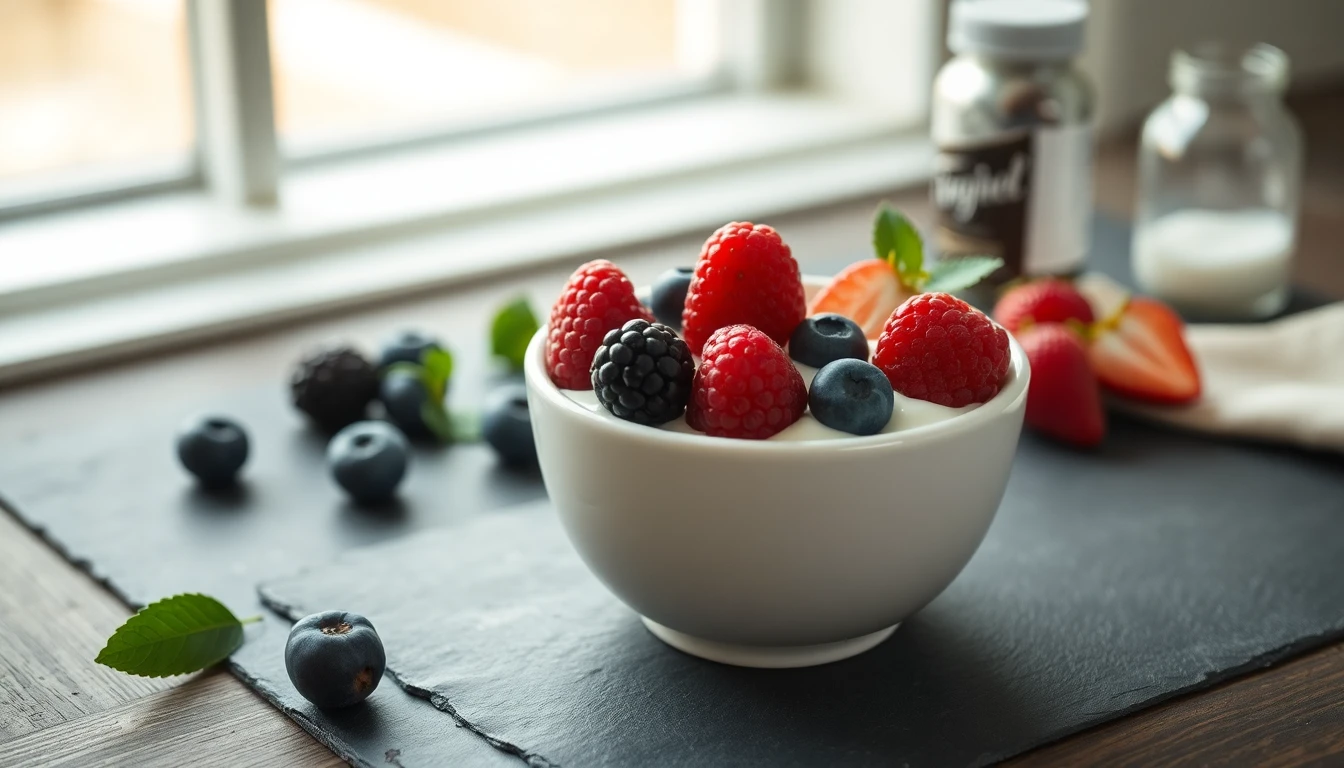
- With a light snack — Even something small like toast or yoghurt can buffer stomach irritation
- Consistent timing — Taking sertraline at the same time daily maintains steady blood levels
- Evening dosing — Some people find this reduces daytime drowsiness, though it may affect sleep in others
Absorption and Bioavailability
Sertraline's bioavailability—the amount that enters your bloodstream—can increase when taken with food, though the clinical significance is modest. What matters more is consistency. If you always take your medication with food, or always on an empty stomach, your body will adjust to that pattern and maintain stable drug levels.
Alcohol and Sertraline: A Risky Combination
The interaction between sertraline and alcohol is one of the most important dietary considerations. The NHS and most mental health professionals strongly advise avoiding alcohol whilst taking sertraline, though the reasons are more nuanced than a simple chemical interaction.
Both alcohol and sertraline affect the central nervous system. Alcohol is a depressant that can counteract the therapeutic effects of your medication, potentially worsening depression and anxiety symptoms. Additionally, combining the two can amplify side effects and impair judgement and motor skills more than either substance alone.
- Increased drowsiness — Both substances cause sedation; together, they can lead to excessive tiredness and impaired coordination
- Worsened depression — Alcohol disrupts brain chemistry and can undermine the benefits of antidepressant treatment
- Heightened side effects — Dizziness, nausea, and difficulty concentrating may become more pronounced
- Reduced effectiveness — Regular alcohol consumption can interfere with how well sertraline manages your symptoms
- Risk of serotonin syndrome — Though rare, alcohol may theoretically contribute to this serious condition when combined with SSRIs
What If You Occasionally Drink?
If you're stable on sertraline and wish to have an occasional alcoholic drink, speak with your GP or psychiatrist first. Some people may tolerate very modest amounts, but this varies considerably by individual. Never assume it's safe without medical guidance, and be aware that even small amounts of alcohol can have unpredictable effects on mood and medication efficacy.
Caffeine Consumption and Sertraline
Caffeine doesn't have a direct chemical interaction with sertraline, but it can influence how you experience the medication's side effects. Both substances stimulate the nervous system, and sertraline can sometimes cause jitteriness, restlessness, or anxiety—particularly in the first few weeks of treatment.
- Increased anxiety — High caffeine intake may amplify feelings of nervousness or agitation
- Sleep disruption — Caffeine late in the day combined with sertraline can worsen insomnia, a common SSRI side effect
- Tremors and jitters — Both substances can cause shakiness; together they may intensify this symptom
- Headaches — Some people experience headaches from either caffeine or sertraline; monitoring intake helps identify triggers
Managing Your Caffeine Intake
You don't need to eliminate caffeine entirely, but moderation is sensible, especially when starting sertraline or increasing your dose. The NHS recommends limiting caffeine to 400mg daily (roughly four cups of coffee), but on sertraline, you might find that even less is preferable.
Consider switching to decaffeinated options in the afternoon, choosing lower-caffeine alternatives like green tea, or spacing out your caffeine consumption throughout the morning. Pay attention to hidden sources like energy drinks, cola, and chocolate.
Tyramine and High-Serotonin Foods
Unlike MAOIs, which require strict avoidance of tyramine-rich foods, sertraline doesn't interact dangerously with dietary tyramine. However, some nutritionists and psychiatrists suggest being mindful of foods that may influence serotonin levels, though the evidence here is less clear-cut.
Tyramine is a naturally occurring compound found in aged, fermented, or preserved foods. With MAOIs, tyramine can cause dangerous blood pressure spikes, but this isn't a concern with SSRIs like sertraline. Still, some people report feeling unwell after consuming very large amounts of tyramine-rich foods whilst on antidepressants.
Foods Rich in Tyramine
Again, you don't need to avoid these foods on sertraline as you would with MAOIs. However, if you notice headaches, flushing, or feeling unwell after consuming them, it may be worth moderating your intake.
- Aged cheeses — Cheddar, blue cheese, parmesan, and other mature varieties
- Cured and processed meats — Salami, pepperoni, smoked fish, and aged sausages
- Fermented foods — Sauerkraut, kimchi, miso, and soy sauce
- Alcoholic beverages — Particularly red wine, beer, and aged spirits
- Yeast extracts — Marmite, Bovril, and nutritional yeast
Tryptophan-Rich Foods and Serotonin
Some people wonder whether eating foods high in tryptophan—the amino acid precursor to serotonin—will enhance sertraline's effects. Foods like turkey, eggs, cheese, salmon, nuts, and seeds contain tryptophan, but dietary intake doesn't significantly boost brain serotonin levels due to the blood-brain barrier.
That said, a balanced diet supporting overall mental health is beneficial. Complex carbohydrates can help tryptophan cross into the brain more effectively, so including wholegrain breads, oats, and brown rice alongside protein may support mood stability—though this won't replace proper medication.
Supplements and Herbal Products to Avoid
Always inform your doctor about any supplements, vitamins, or herbal products you're taking or considering. Even seemingly harmless over-the-counter products can have significant interactions. This includes herbal teas, protein powders with added herbs, and complementary medicine preparations.
- St John's wort — This popular herbal antidepressant can dangerously increase serotonin levels when combined with sertraline
- 5-HTP and L-tryptophan — These serotonin precursor supplements may contribute to serotonin syndrome
- SAM-e — Sometimes used for depression, it shouldn't be combined with SSRIs without medical supervision
- Ginkgo biloba — May increase bleeding risk when combined with sertraline
- Ginseng — Can interact with antidepressants and increase side effects
Practical Tips for Eating Well on Sertraline
Beyond avoiding specific interactions, focusing on overall nutrition can support your mental health treatment and help manage side effects. Some people experience appetite changes, weight fluctuations, or digestive issues on sertraline, and strategic eating can help.
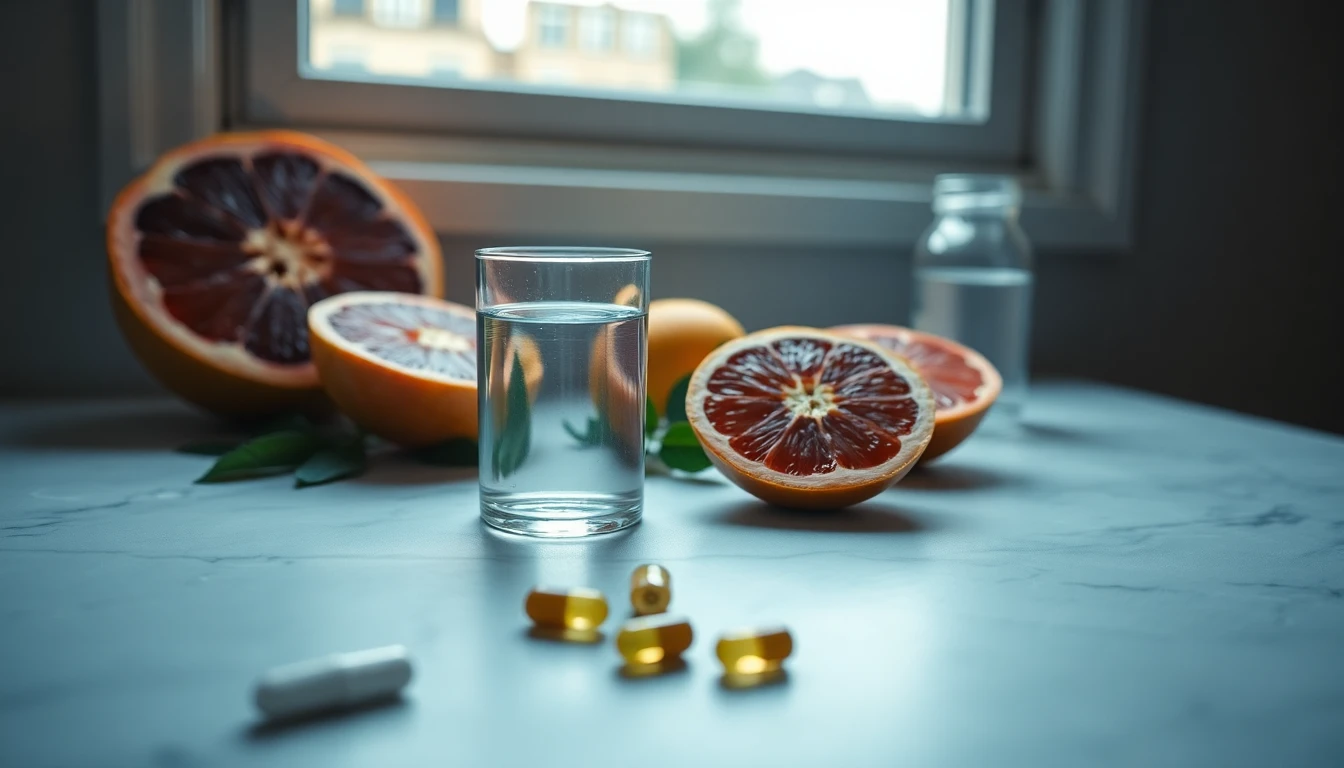
- Stay hydrated — Sertraline can cause dry mouth; drinking water throughout the day helps
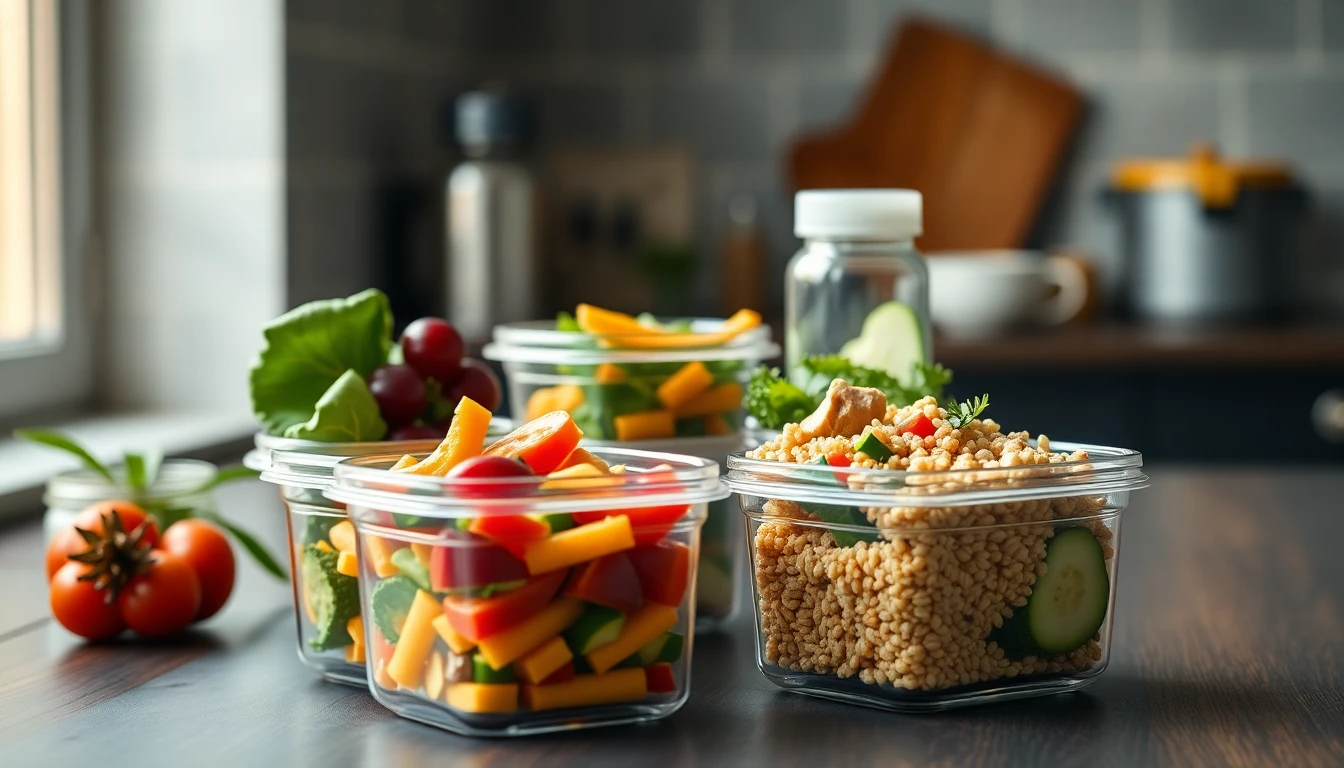
- Eat regular meals — Stable blood sugar supports mood and energy levels
- Include omega-3 fatty acids — Found in oily fish, walnuts, and flaxseeds, these support brain health
- Choose complex carbohydrates — Wholegrain foods provide steady energy and may support serotonin function
- Mind your fibre — Sertraline can affect digestion; adequate fibre helps maintain regularity
- Don't skip breakfast — If taking medication in the morning, a proper breakfast prevents nausea
Managing Weight Changes
Weight changes are possible with sertraline, though less common than with some other antidepressants. If you notice changes, focus on gentle, sustainable eating patterns rather than restrictive dieting, which can affect mood. Speak with your doctor if weight changes concern you—sometimes adjusting timing or dose can help, and they can refer you to a dietitian if needed.
How FreshPlate Helps You Manage Medication and Diet
Keeping track of medication interactions, timing, and dietary considerations can feel overwhelming, especially when you're managing mental health challenges. FreshPlate automatically accounts for your medications, including sertraline and other SSRIs, when building your personalised meal plans and recipes.
Our platform flags potential interactions, suggests optimal meal timing around your medication schedule, and provides balanced recipes that support your overall wellbeing. Rather than worrying about whether a recipe contains problematic ingredients, you can trust that FreshPlate has already filtered for your specific needs—letting you focus on recovery and enjoying nourishing food.
Frequently asked questions
Can I drink grapefruit juice with sertraline?
+
Yes, grapefruit juice doesn't interact with sertraline the way it does with some other medications. However, if you're taking multiple medications, check with your pharmacist as grapefruit can affect many drugs.
Does sertraline need to be taken at the same time every day?
+
Yes, taking sertraline at the same time daily maintains steady blood levels and improves effectiveness. Most people take it in the morning with breakfast, but evening dosing works for some.
Can I eat cheese whilst taking sertraline?
+
Yes, you can eat cheese and other tyramine-rich foods on sertraline. Unlike older MAOIs, sertraline doesn't require tyramine restrictions. Enjoy cheese as part of a balanced diet.
Will caffeine stop sertraline from working?
+
No, caffeine doesn't reduce sertraline's effectiveness, but it can worsen side effects like anxiety, jitteriness, and insomnia. Moderate your intake, especially when starting treatment.
How long after taking sertraline can I drink alcohol?
+
You should avoid alcohol entirely whilst taking sertraline, as it remains in your system continuously. Even occasional drinking can worsen depression and increase side effects. Speak with your doctor if you have concerns about alcohol consumption.
Sources
Did this answer your question?
Reece reads every reply. Questions we have not covered become new guides.
Eating around sertraline shouldn’t be guesswork.
Get our free sertraline food guide by email — the foods to watch, safe swaps, and meal ideas that work with your medication. One genuinely useful email a week — no spam, unsubscribe anytime.
Free forever. You'll also be first in line for the FreshPlate app — with a free trial at launch.