Amitriptyline Weight Gain Diet: Tips to Manage Side Effects
Practical diet strategies to manage amitriptyline-related weight gain. Learn how this medication affects appetite and metabolism, plus evidence-based tips.

By Reece Douglas · Founder, FreshPlate
Listen to this article
Amitriptyline Weight Gain Diet: Tips to Manage Side Effects
Amitriptyline is a tricyclic antidepressant prescribed for depression, chronic pain, migraines, and nerve pain. While effective for many conditions, weight gain remains one of the most commonly reported side effects—with some patients gaining 2-5 kg within the first few months of treatment. If you've noticed the scales creeping up since starting amitriptyline, you're not alone, and more importantly, there are practical dietary strategies that can help.
Understanding why amitriptyline affects your weight is the first step towards managing it effectively. This medication works by altering neurotransmitter levels in the brain, but these same mechanisms can influence hunger signals, food preferences, and how your body processes energy. The good news? With targeted nutrition adjustments and mindful eating habits, many people successfully maintain a healthy weight whilst continuing their treatment. This guide explores the science behind amitriptyline-related weight changes and offers evidence-based diet tips to help you stay in control.
Why Amitriptyline Causes Weight Gain
Amitriptyline influences weight through multiple biological pathways, making it more likely to cause weight gain than many other antidepressants. Understanding these mechanisms helps explain why standard weight-loss advice may need adapting when you're taking this medication.
Increased Appetite and Food Cravings
Amitriptyline blocks histamine H1 receptors in the brain—the same receptors that antihistamines target. This action can significantly increase appetite and reduce feelings of fullness after meals. Many patients report particularly strong cravings for carbohydrate-rich foods like bread, pasta, biscuits, and sweets.
The medication also affects serotonin pathways, which play a role in satiety signalling. When these pathways are altered, your brain may not register that you've eaten enough, leading to larger portions and more frequent snacking between meals.
Metabolic Changes
Research suggests that amitriptyline may slow your basal metabolic rate—the number of calories your body burns at rest. This means you might need slightly fewer calories than before starting the medication to maintain the same weight. The sedative properties of amitriptyline can also reduce overall activity levels, particularly if taken during the day, further decreasing total energy expenditure.
Fluid Retention
Some patients experience mild fluid retention on amitriptyline, which can add 1-2 kg on the scales. Whilst this isn't true fat gain, it can be discouraging and may mask fat loss if you're working on weight management. Reducing sodium intake and staying well-hydrated can help minimise this effect.
Strategic Eating Patterns for Amitriptyline Users
Adjusting when and how you eat can be just as important as what you eat when managing amitriptyline-related weight gain. These strategies work with your medication schedule and the medication's effects on your body.
- Meal timing around doses — Most people take amitriptyline at night due to its sedative effects. The appetite increase often peaks 1-3 hours after taking the dose, so evening and late-night snacking becomes problematic. Consider having your main meal later in the evening, closer to your medication time, so you're already satisfied when hunger peaks.
- Structured eating schedule — Rather than grazing throughout the day, aim for three balanced meals plus one or two planned snacks. This structure helps prevent mindless eating in response to medication-induced hunger cues that don't reflect actual nutritional needs.
- Front-load your calories — If evening appetite is overwhelming, try shifting more calories to breakfast and lunch. A substantial, protein-rich breakfast can provide sustained energy and may reduce overall daily intake despite evening hunger.
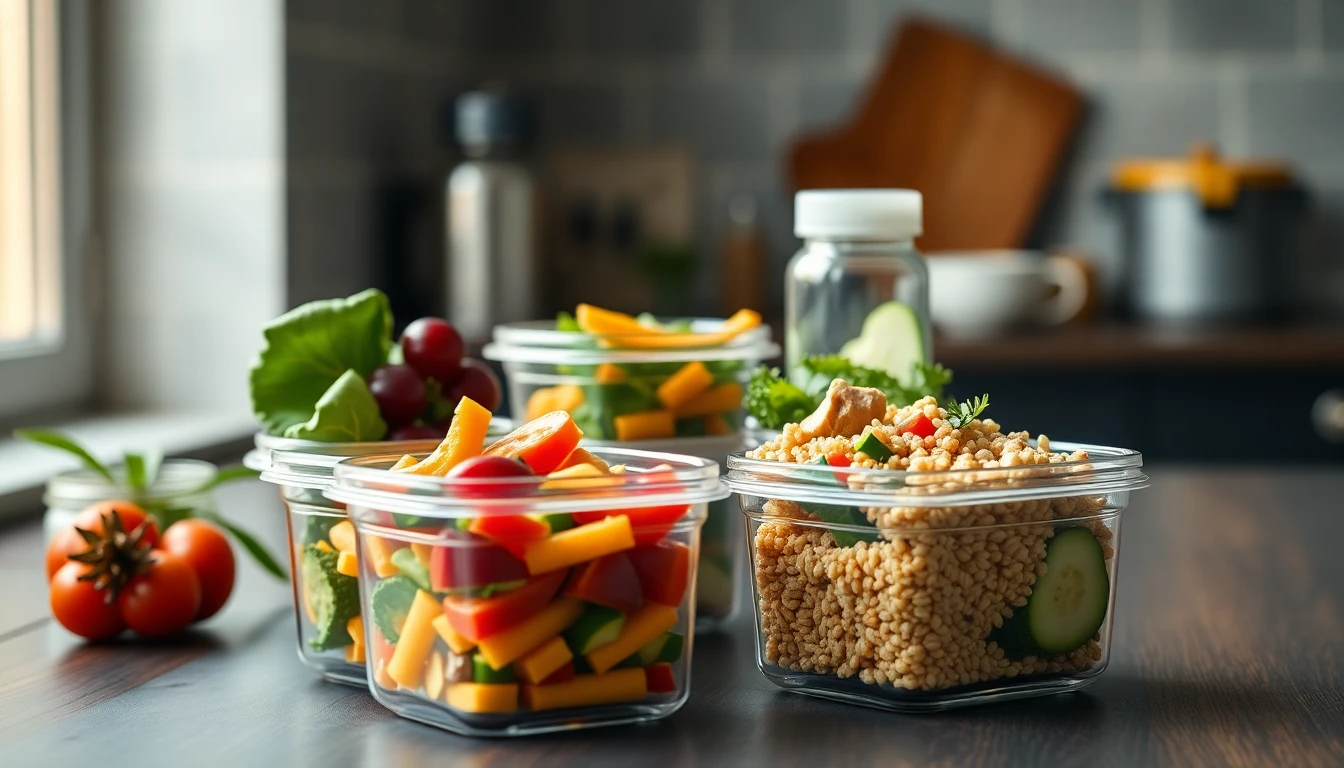
- Prepare evening snacks in advance — Accept that you may feel genuinely hungry in the evening and plan for it. Pre-portion healthy snacks like cut vegetables with hummus, Greek yoghurt with berries, or a small handful of nuts. Having these ready prevents impulsive choices when hunger strikes.
Macronutrient Balance: What to Eat on Amitriptyline
The composition of your meals can significantly influence how satisfied you feel and how well you manage medication-induced cravings. Prioritising certain macronutrients helps counteract amitriptyline's appetite effects.
Prioritise Protein
Protein is your most powerful tool against amitriptyline-induced hunger. It provides greater satiety per calorie than carbohydrates or fats and helps preserve muscle mass if you're reducing overall calorie intake. Aim for 20-30 grams of protein at each main meal.
- Breakfast options — eggs with wholegrain toast, Greek yoghurt with nuts and seeds, protein smoothies with fruit
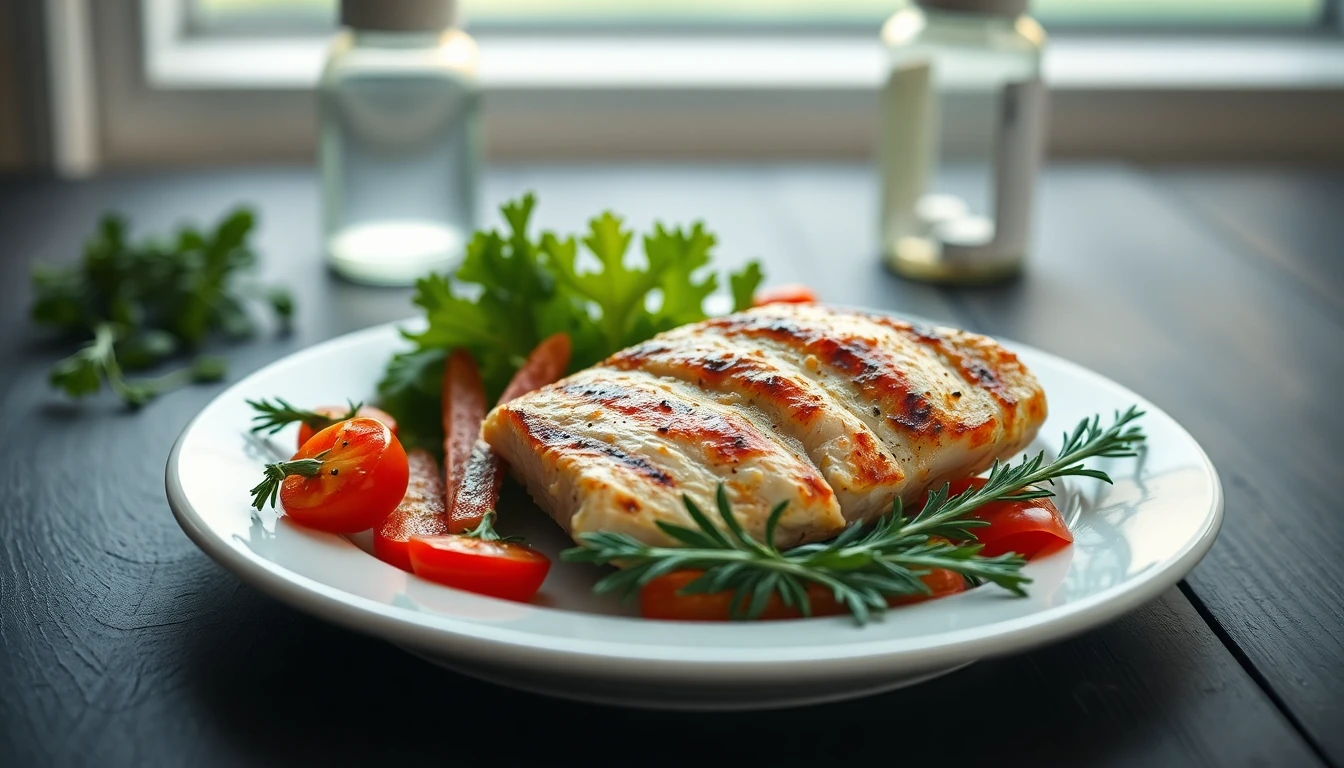
- Lunch and dinner — chicken, turkey, fish, tofu, lentils, beans, lean beef, or cottage cheese as the centrepiece
- Snacks — hard-boiled eggs, edamame, protein bars (check sugar content), or tinned tuna
Choose Complex Carbohydrates
Whilst you may crave simple carbohydrates like white bread and sugary foods, these cause blood sugar spikes followed by crashes that intensify hunger. Complex carbohydrates with fibre provide more stable energy and better appetite control.
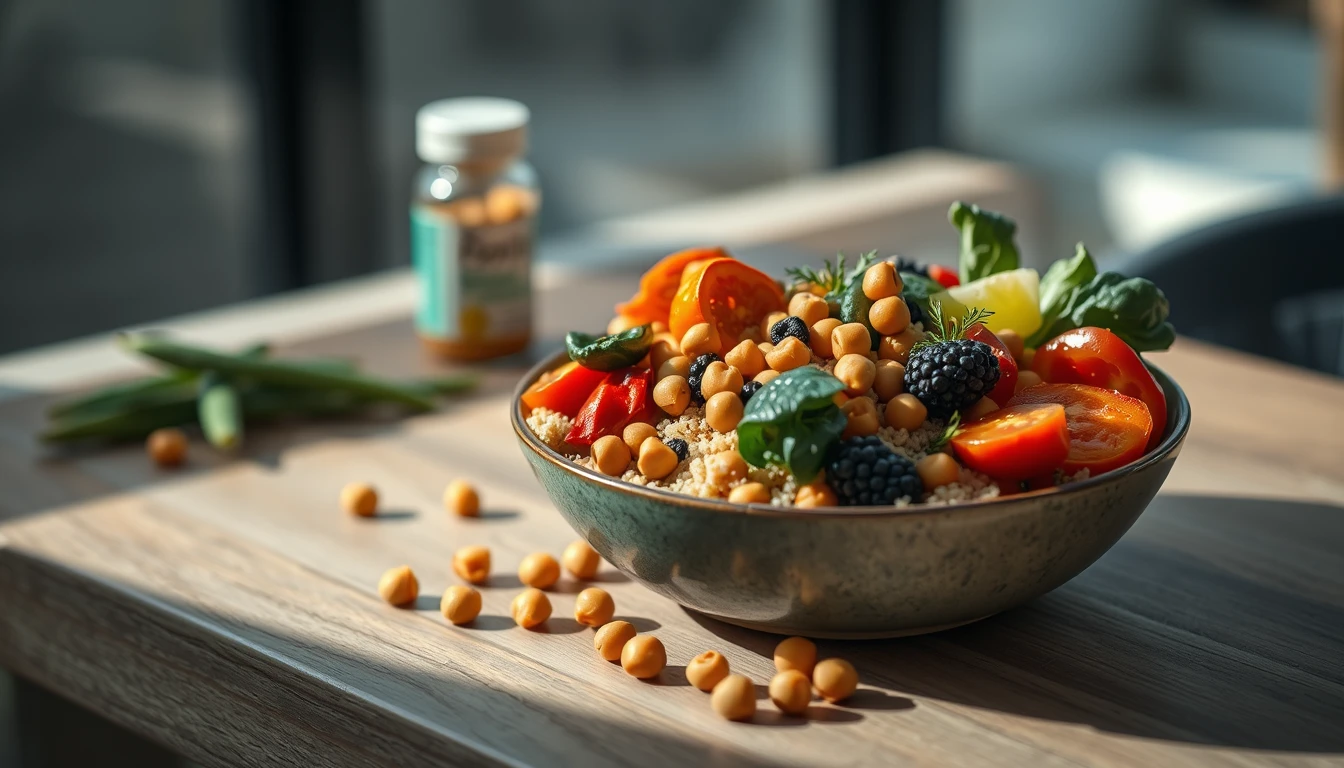
- Better choices — oats, quinoa, brown rice, wholegrain bread, sweet potatoes, legumes
- Portion awareness — measure servings initially to avoid portion creep; a serving of cooked grains is typically 150-200g
- Pair with protein and fat — never eat carbohydrates alone; add protein or healthy fats to slow digestion and improve satiety
Include Healthy Fats Strategically
Fats are calorie-dense but essential for satiety and nutrient absorption. Include them in moderate amounts at each meal rather than avoiding them entirely.
- Recommended sources — olive oil, avocado, nuts, seeds, oily fish like salmon and mackerel
- Practical portions — 1 tablespoon of oil, ¼ avocado, a small handful (20-30g) of nuts
- Cooking methods — use spray oils or measure carefully when cooking to avoid excess calories from fat
Practical Diet Tips to Prevent Weight Gain
Beyond macronutrient balance, these specific strategies address the unique challenges of eating whilst on amitriptyline.
- Increase fibre intake — fibre promotes fullness and slows digestion. Aim for 30g daily from vegetables, fruits, whole grains, and legumes. This also helps if amitriptyline causes constipation, another common side effect.
- Stay hydrated — thirst is often mistaken for hunger. Keep a water bottle handy and aim for 1.5-2 litres daily. Herbal teas count towards this total and can satisfy the desire for something flavourful in the evening.
- Manage carbohydrate cravings mindfully — rather than complete restriction (which often backfires), allow small portions of foods you crave. A couple of biscuits with tea is better than denying yourself until you eat the entire packet.
- Use smaller plates and bowls — visual cues matter. Smaller dishes make portions appear larger, which can enhance satisfaction even when eating appropriate amounts.
- Eat vegetables first — start lunch and dinner with a salad or vegetable soup. This provides volume and nutrients whilst taking the edge off medication-enhanced hunger before you reach higher-calorie foods.
- Keep a food diary — medication can alter your perception of how much you've eaten. Tracking intake for a few weeks helps identify patterns and portion sizes that may have increased without you noticing.
- Limit liquid calories — fruit juices, regular fizzy drinks, and sweetened coffees add calories without providing satiety. If you're experiencing increased thirst, choose water, herbal tea, or sugar-free options.
- Plan for social eating — decide in advance how you'll handle restaurant meals and social gatherings. Review menus beforehand, eat a protein-rich snack before going out, or share dishes to control portions.
Lifestyle Factors That Support Your Diet Efforts
Diet doesn't exist in isolation. These complementary lifestyle strategies enhance your ability to manage weight whilst taking amitriptyline.
Movement and Exercise
Amitriptyline's sedative effects can reduce your inclination to move, but physical activity helps counteract metabolic slowdown and burns additional calories. You don't need intense exercise—consistent moderate activity is more sustainable and equally effective for weight management.
Aim for 150 minutes of moderate activity weekly, such as brisk walking, cycling, swimming, or dancing. Strength training twice weekly helps maintain muscle mass, which supports metabolic rate. If you take amitriptyline at night, morning or afternoon exercise is ideal when medication effects are minimal.
Sleep Quality
Poor sleep independently increases appetite and cravings for high-calorie foods. Whilst amitriptyline can improve sleep quality for some, establishing good sleep hygiene maximises this benefit. Maintain consistent sleep and wake times, keep your bedroom cool and dark, and avoid screens for an hour before bed.
Stress Management
Stress triggers emotional eating and increases cortisol, a hormone that promotes fat storage, particularly around the abdomen. Since you're taking amitriptyline for a health condition that may involve stress, developing non-food coping strategies is particularly important. Consider meditation, deep breathing exercises, yoga, journaling, or talking with a therapist.
When to Speak with Your Healthcare Provider
Weight gain on amitriptyline varies considerably between individuals. Some people experience minimal changes, whilst others gain substantial weight despite dietary efforts. It's important to maintain open communication with your doctor or psychiatrist about side effects.
- Significant weight gain — if you've gained more than 5-7% of your body weight within a few months, discuss whether the dosage could be adjusted or whether an alternative medication might be appropriate
- Uncontrollable cravings — if appetite changes are severely impacting your quality of life or relationship with food, your healthcare provider may suggest additional support
- Metabolic concerns — rapid weight gain, particularly around the middle, can affect blood sugar and cholesterol levels. Request blood tests if you're concerned about metabolic health
- Mental health considerations — never stop or reduce amitriptyline without medical guidance. Weight changes, whilst frustrating, need to be balanced against the medication's benefits for your underlying condition
Dietitian Referral
Ask your GP about referral to a registered dietitian who can provide personalised advice. They can assess your individual situation, calculate appropriate calorie targets, and help you develop sustainable eating patterns that work with your medication rather than against it.
How FreshPlate Supports Medication-Aware Nutrition
Managing diet alongside medication side effects requires ongoing attention and adaptation. FreshPlate automatically factors in your amitriptyline prescription when building your personalised meal plans and recipes, taking the guesswork out of medication-aware nutrition.
The app considers the appetite and metabolic effects of tricyclic antidepressants, suggesting appropriately portioned meals with optimal macronutrient balance to support satiety. Recipe recommendations emphasise protein-rich dishes, complex carbohydrates, and fibre—the nutritional strategies most effective for managing amitriptyline-related weight gain.
FreshPlate also accounts for any other medications you're taking and existing health conditions, ensuring your nutrition plan supports your overall wellbeing rather than creating new complications. Whether you're cooking for yourself or your family, the app adapts recipes to everyone's needs whilst keeping your specific requirements front and centre. This integrated approach means you can focus on enjoying your meals rather than constantly researching food-medication interactions and calculating portions.
Frequently asked questions
How much weight do people typically gain on amitriptyline?
+
Weight gain varies significantly, but research suggests an average of 2-5 kg within the first few months of treatment. Some people experience minimal changes, whilst others may gain more, particularly at higher doses or with long-term use. Individual factors like diet, activity level, and metabolism influence outcomes.
Does amitriptyline weight gain go away after stopping the medication?
+
Many people find it easier to lose weight after discontinuing amitriptyline, as appetite returns to normal and metabolic effects resolve. However, weight doesn't automatically disappear—you'll still need to maintain healthy eating habits and activity levels. Never stop amitriptyline without medical supervision.
What time of day should I take amitriptyline to minimise weight gain?
+
Most people take amitriptyline at night due to its sedative effects. Taking it earlier in the evening (around 7-8pm) rather than just before bed may help you sleep through the peak appetite increase that occurs 1-3 hours after the dose, potentially reducing late-night eating.
Can I follow a low-calorie diet whilst taking amitriptyline?
+
Moderate calorie reduction is generally safe, but very low-calorie diets may be difficult to sustain given amitriptyline's appetite effects. Focus on nutrient-dense, filling foods rather than severe restriction. Consult a dietitian for personalised calorie targets that account for your medication and health needs.
Are there any foods that interact with amitriptyline?
+
Amitriptyline doesn't have major food interactions like some medications. However, alcohol should be limited as it increases sedation and dizziness. Tyramine-rich foods (aged cheese, cured meats) are only a concern if you're also taking MAO inhibitors. Focus on balanced nutrition rather than avoiding specific foods.
Sources
Did this answer your question?
Reece reads every reply. Questions we have not covered become new guides.
Eating around amitriptyline shouldn’t be guesswork.
Get our free amitriptyline food guide by email — the foods to watch, safe swaps, and meal ideas that work with your medication. One genuinely useful email a week — no spam, unsubscribe anytime.
Free forever. You'll also be first in line for the FreshPlate app — with a free trial at launch.