Amlodipine and Food: Complete Interaction Guide
Understand how amlodipine interacts with food, alcohol, and grapefruit. Learn optimal timing, what to avoid, and how to manage side effects through diet.

By Reece Douglas · Founder, FreshPlate
Listen to this article
Amlodipine and Food: Complete Interaction Guide
Amlodipine is one of the most commonly prescribed medications for high blood pressure and angina, taken by millions of people across the UK. As a calcium channel blocker, it works by relaxing blood vessels and improving blood flow. Whilst it's generally well-tolerated, certain foods and drinks can affect how it works in your body—or make side effects more pronounced.
Beyond the well-known grapefruit warning, there are several dietary considerations that can help you get the most from your medication whilst minimising unwanted effects. Understanding these interactions empowers you to make informed choices about meal timing, alcohol consumption, and foods that may help manage common side effects like swelling and dizziness.
How Amlodipine and Food Interact
Unlike some medications that must be taken on an empty stomach or with food, amlodipine can be taken either way. Food doesn't significantly affect how much amlodipine your body absorbs, which offers flexibility in when you take your daily dose. However, consistency is key—taking it at the same time each day, whether with breakfast or on an empty stomach, helps maintain steady blood levels.
The primary food interaction concern with amlodipine centres on how certain substances affect the enzymes that break down the medication in your liver. When these enzymes are inhibited, amlodipine levels can build up in your bloodstream, potentially intensifying both therapeutic effects and side effects.
Taking Amlodipine With or Without Food
Research shows that amlodipine absorption remains consistent regardless of food intake. This means you can choose whichever approach works best for your routine. Some people find taking it with breakfast helps them remember their daily dose, whilst others prefer taking it on an empty stomach if they experience any mild stomach upset.
- With food — May reduce mild stomach discomfort in sensitive individuals
- Without food — Perfectly acceptable and doesn't reduce effectiveness
- Consistency — More important than the specific timing; choose one approach and stick with it
- Same time daily — Helps maintain stable blood pressure control throughout the 24-hour period
Optimal Timing for Blood Pressure Control
Amlodipine has a long half-life, meaning it stays active in your body for an extended period. This allows once-daily dosing and provides 24-hour blood pressure control. Many healthcare providers recommend taking it in the morning, though evening dosing may be preferred if you experience side effects like dizziness that could affect daytime activities.
The Grapefruit Problem: Why It Matters with Amlodipine
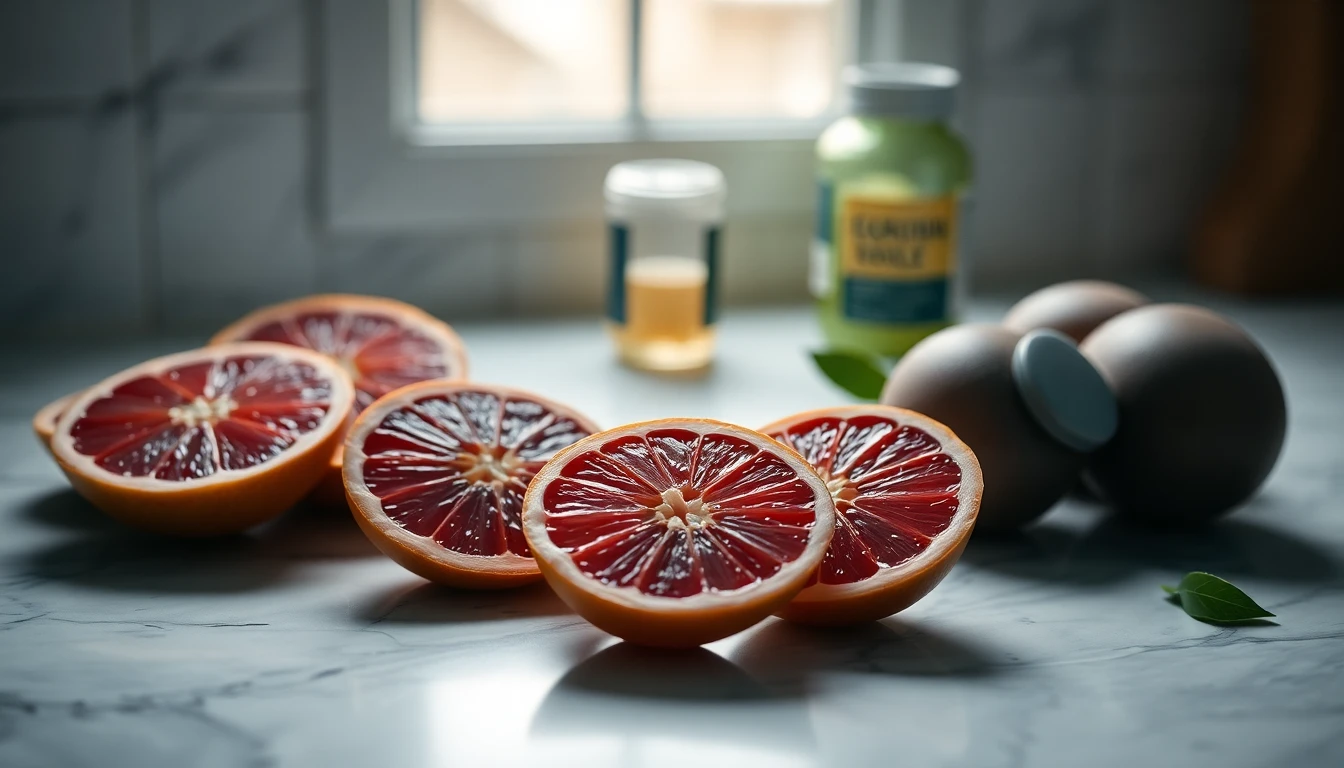
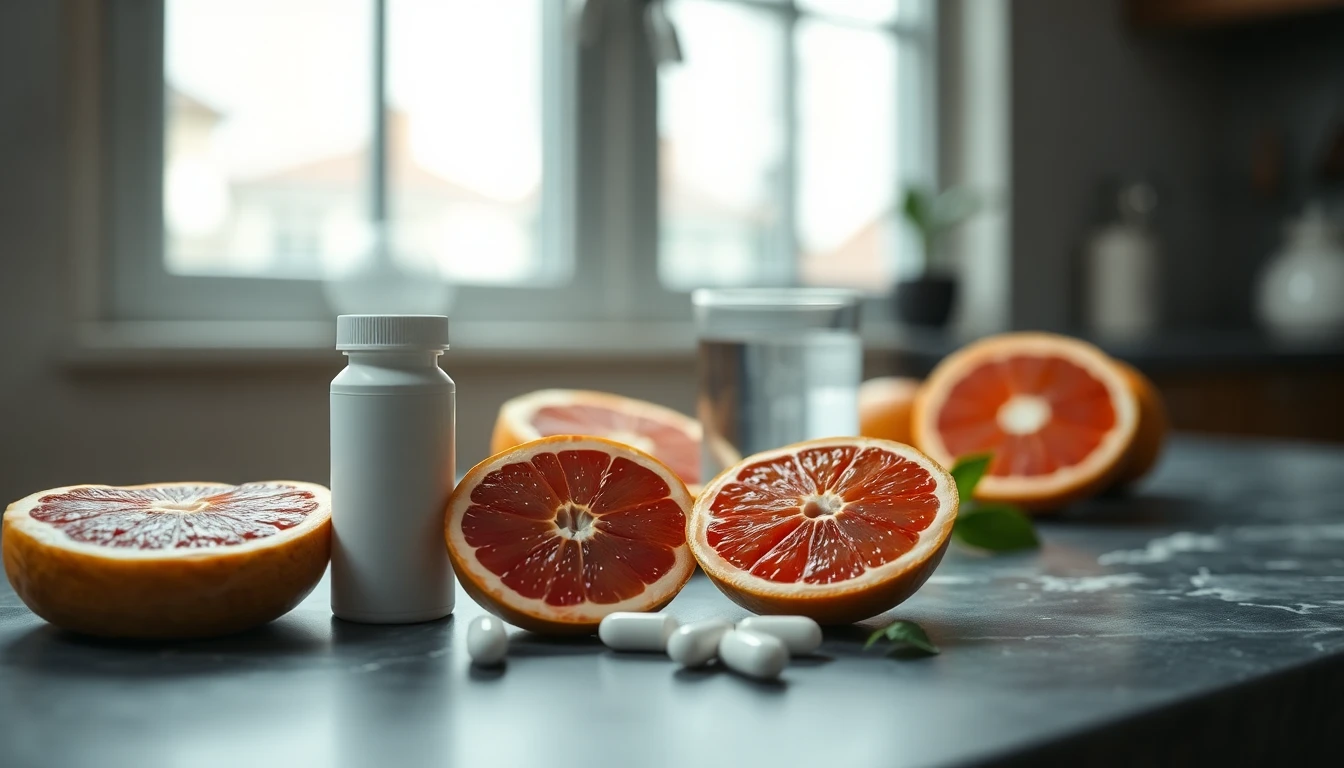
Grapefruit and its juice are the most significant dietary interaction with amlodipine. This citrus fruit contains compounds called furanocoumarins that inhibit CYP3A4, an enzyme in your intestines and liver responsible for breaking down amlodipine. When this enzyme is blocked, significantly more amlodipine enters your bloodstream than intended.
This interaction can increase amlodipine levels by up to 15-20%, which may seem modest but can meaningfully intensify side effects, particularly low blood pressure, dizziness, headaches, and swelling in the ankles and feet. The effect can last for 24 hours or more after consuming grapefruit, as the compounds bind irreversibly to the enzyme.
What to Avoid
The grapefruit family extends beyond the obvious pink or white grapefruit you might recognise. Several related citrus fruits contain similar enzyme-inhibiting compounds, though generally in lower concentrations.
- Grapefruit juice — Even small amounts (one glass) can cause significant interaction
- Fresh grapefruit — All varieties, including pink, red, and white grapefruit
- Pomelo — A large citrus fruit popular in Asian cuisines, closely related to grapefruit
- Seville oranges — Often used in marmalade; regular sweet oranges are safe
- Tangelos — Some varieties are grapefruit hybrids and should be avoided
Safe Citrus Alternatives
The good news is that most other citrus fruits don't share grapefruit's enzyme-inhibiting properties and can be enjoyed freely whilst taking amlodipine.
- Regular oranges — Sweet oranges are completely safe and provide excellent vitamin C
- Lemons and limes — Safe to use in cooking, drinks, and dressings
- Mandarins and clementines — No known interaction with amlodipine
- Blood oranges — Despite the name, these are regular oranges and pose no risk
Amlodipine and Alcohol: What You Need to Know
Alcohol doesn't directly interact with amlodipine in the way grapefruit does, but it does amplify certain effects that can be problematic. Both amlodipine and alcohol cause blood vessels to dilate, which can lead to an additive effect on blood pressure reduction. This combination can result in excessive drops in blood pressure, particularly when standing up quickly.
The common side effects of dizziness and light-headedness that some people experience with amlodipine can become more pronounced when alcohol is consumed. If you already experience these symptoms, alcohol is likely to make them worse, increasing your risk of falls or fainting.
- Moderate intake — If you drink, stick to NHS guidelines of 14 units per week spread over several days
- Monitor symptoms — Pay attention to increased dizziness, light-headedness, or rapid heartbeat
- Avoid binge drinking — Large amounts in one session are particularly risky with blood pressure medication
- Stay hydrated — Dehydration combined with alcohol and amlodipine can worsen low blood pressure
- Start slowly — If you're new to amlodipine, see how you tolerate it before adding alcohol back to your routine
Warning Signs to Watch For
When combining amlodipine with alcohol, be alert to symptoms that suggest your blood pressure has dropped too low or that you're experiencing enhanced side effects.
- Severe dizziness — Especially when standing up from sitting or lying down
- Fainting or near-fainting — Feeling like you might pass out
- Rapid or irregular heartbeat — Your heart compensating for low blood pressure
- Extreme fatigue — More than usual tiredness from the medication
- Blurred vision — Can indicate insufficient blood flow to the brain
Managing Common Amlodipine Side Effects Through Diet
Whilst dietary changes can't eliminate side effects entirely, strategic food choices can help manage some of the most common complaints people experience with amlodipine. The two most frequently reported issues are peripheral oedema (swelling in the ankles and feet) and flushing or feeling warm.
Reducing Fluid Retention and Swelling
Ankle and foot swelling affects up to 10% of people taking amlodipine, caused by fluid leaking from dilated blood vessels into surrounding tissues. Whilst this is generally harmless, it can be uncomfortable. Reducing sodium intake may help minimise this effect.
- Limit processed foods — Major sources of hidden sodium including ready meals, crisps, and cured meats
- Choose fresh ingredients — Naturally lower in sodium than packaged alternatives
- Potassium-rich foods — Help balance sodium; include bananas, potatoes, spinach, and beans
- Stay hydrated — Counterintuitively, drinking adequate water helps reduce fluid retention
- Elevate legs — Combined with dietary changes, physical positioning helps reduce swelling
Supporting Blood Pressure Management
Beyond avoiding problematic interactions, certain dietary patterns can work synergistically with amlodipine to support healthy blood pressure levels. The DASH (Dietary Approaches to Stop Hypertension) diet has strong evidence for blood pressure reduction.
- Increase vegetables and fruits — Aim for at least five portions daily, rich in potassium and fibre
- Choose whole grains — Brown rice, oats, and whole wheat over refined grains
- Include lean proteins — Fish, poultry, beans, and legumes
- Healthy fats — Olive oil, nuts, seeds, and oily fish for cardiovascular health
- Limit saturated fat — Reduce red meat, butter, and full-fat dairy products
Managing Dizziness and Light-Headedness
If you experience dizziness, particularly when standing up, certain dietary strategies can help maintain more stable blood pressure throughout the day.
- Don't skip meals — Regular eating prevents additional blood pressure drops
- Adequate salt intake — Whilst limiting excess, some people on blood pressure medication need moderate sodium
- Smaller, frequent meals — Can prevent post-meal blood pressure dips
- Sufficient fluids — Dehydration worsens orthostatic hypotension (dizziness when standing)
- Limit caffeine — Can cause dehydration and may worsen palpitations in sensitive individuals
Other Dietary Considerations with Amlodipine
Beyond grapefruit and alcohol, there are a few other dietary factors worth considering when taking amlodipine, though these are generally less concerning than the major interactions.
- High-fat meals — May slightly delay amlodipine absorption, though total absorption remains unchanged
- Calcium supplements — Despite amlodipine being a calcium channel blocker, dietary calcium and supplements don't interfere with the medication
- Potassium — Unlike some blood pressure medications, amlodipine doesn't significantly affect potassium levels, so no special restrictions are needed
- Vitamin K foods — No interaction; feel free to eat leafy greens (this restriction applies to warfarin, not amlodipine)
- Natural liquorice — Can raise blood pressure and reduce effectiveness of blood pressure medications; limit intake of traditional liquorice sweets
Herbal Supplements and Natural Products
Many people assume that because something is natural, it's automatically safe to combine with medications. However, several herbal supplements can interact with amlodipine or affect blood pressure independently.
- St John's Wort — May reduce amlodipine effectiveness by increasing enzyme activity
- Ginseng — Can affect blood pressure; consult your GP before use
- Hawthorn — Sometimes used for heart health but may have additive effects with blood pressure medication
- Always consult first — Speak with your pharmacist or GP before starting any herbal supplement
How FreshPlate Supports Your Amlodipine Journey
Navigating food and medication interactions shouldn't require constant vigilance and research. FreshPlate automatically accounts for amlodipine and other calcium channel blockers in your medication profile, flagging recipes that contain grapefruit or pomelo and suggesting safe alternatives. Our recipe algorithms prioritise heart-healthy ingredients that support blood pressure management whilst avoiding problematic combinations.
When you input amlodipine into your FreshPlate profile, our system ensures you receive personalised meal plans that align with your cardiovascular health goals. We'll suggest DASH-diet-aligned recipes rich in potassium, magnesium, and fibre, whilst keeping sodium in check to help manage any swelling you might experience. Every recipe comes with clear nutritional breakdowns, so you can make informed choices that complement your medication regimen.
Whether you're newly prescribed amlodipine or have been taking it for years, FreshPlate removes the guesswork from meal planning, helping you eat well whilst getting the most from your treatment. Our platform keeps your dietary restrictions and medication interactions at the forefront, so you can focus on enjoying delicious, varied meals without worry.
Frequently asked questions
Can I eat grapefruit if I take amlodipine in the morning and have grapefruit at night?
+
No, you should avoid grapefruit entirely whilst taking amlodipine. The compounds in grapefruit that affect medication metabolism can remain active in your system for 24 hours or longer, so timing doesn't eliminate the interaction risk.
Does amlodipine need to be taken with food?
+
No, amlodipine can be taken with or without food as absorption isn't significantly affected either way. The most important thing is to take it at the same time each day for consistent blood pressure control.
Can I drink alcohol whilst taking amlodipine?
+
Moderate alcohol consumption is generally acceptable, but alcohol can intensify side effects like dizziness and low blood pressure. Stick to NHS guidelines of no more than 14 units per week, and avoid binge drinking.
What should I do if I accidentally eat grapefruit whilst on amlodipine?
+
Contact your GP or pharmacist for advice. Monitor yourself for increased side effects like severe dizziness, swelling, headache, or rapid heartbeat. In most cases, the interaction isn't dangerous but may cause uncomfortable symptoms.
Are oranges safe to eat with amlodipine?
+
Yes, regular sweet oranges are completely safe to eat whilst taking amlodipine. The interaction is specific to grapefruit, pomelo, and Seville oranges; other citrus fruits don't affect the medication.
Sources
Did this answer your question?
Reece reads every reply. Questions we have not covered become new guides.
Eating around amlodipine shouldn’t be guesswork.
Get our free amlodipine food guide by email — the foods to watch, safe swaps, and meal ideas that work with your medication. One genuinely useful email a week — no spam, unsubscribe anytime.
Free forever. You'll also be first in line for the FreshPlate app — with a free trial at launch.