Blood Sugar Control Foods: 10 That Keep Glucose Steady
Discover 10 blood sugar control foods backed by science. Learn how GI, GL, fibre-first eating, and simple hacks like vinegar can stabilise glucose naturally.

By Reece Douglas · Founder, FreshPlate
Listen to this article
Blood Sugar Control Foods: 10 That Keep Glucose Steady
Blood sugar control isn't just a concern for people with diabetes. Sharp glucose spikes and crashes affect everyone—they can leave you feeling tired, irritable, hungry again within an hour, and over time may increase your risk of insulin resistance, type 2 diabetes, and cardiovascular disease. The good news is that what you eat, and how you eat it, can make a substantial difference to how your body handles glucose.
In this guide, we'll walk through 10 blood sugar control foods supported by research, explain the difference between glycaemic index (GI) and glycaemic load (GL), and share practical strategies like fibre-first eating and the vinegar hack. Whether you're managing a condition or simply want steadier energy, these evidence-based approaches can help you build meals that keep glucose—and you—on an even keel.
Understanding Glycaemic Index and Glycaemic Load
Before diving into specific foods, it's worth understanding the two key metrics that predict how a food will affect your blood sugar: glycaemic index (GI) and glycaemic load (GL).
The glycaemic index ranks carbohydrate-containing foods on a scale of 0 to 100 based on how quickly they raise blood glucose after eating. Foods are classified as low GI (55 or less), medium GI (56–69), or high GI (70 or above). White bread and glucose tablets sit at the top; most non-starchy vegetables, legumes, and whole grains sit much lower.
However, GI doesn't tell the whole story because it doesn't account for portion size. That's where glycaemic load comes in. GL multiplies a food's GI by the amount of carbohydrate in a typical serving, then divides by 100. A watermelon has a high GI but a low GL because a normal portion contains relatively little carbohydrate. For practical blood sugar control, GL is often the more useful measure.
Why This Matters for Blood Sugar Control
Eating predominantly low-GI and low-GL foods has been shown to improve insulin sensitivity, reduce HbA1c in people with diabetes, and lower the risk of developing type 2 diabetes. A 2021 meta-analysis published in The BMJ found that low-GI diets were associated with modest but meaningful improvements in long-term glucose control. Choosing the right foods isn't about perfection—it's about patterns.
10 Blood Sugar Control Foods to Add to Your Plate
These foods have been selected for their low glycaemic impact, high fibre content, or specific compounds that support glucose regulation. Incorporating them regularly can help smooth out blood sugar peaks and troughs.
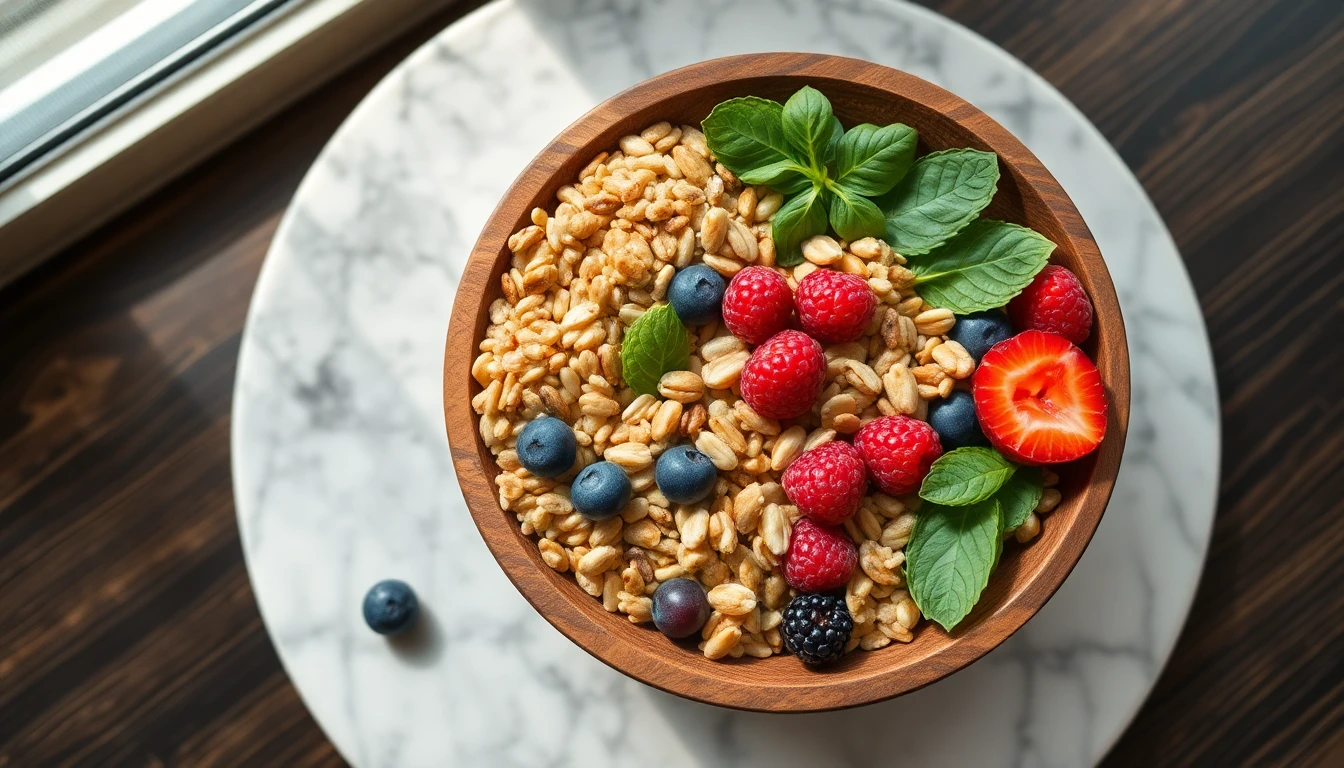
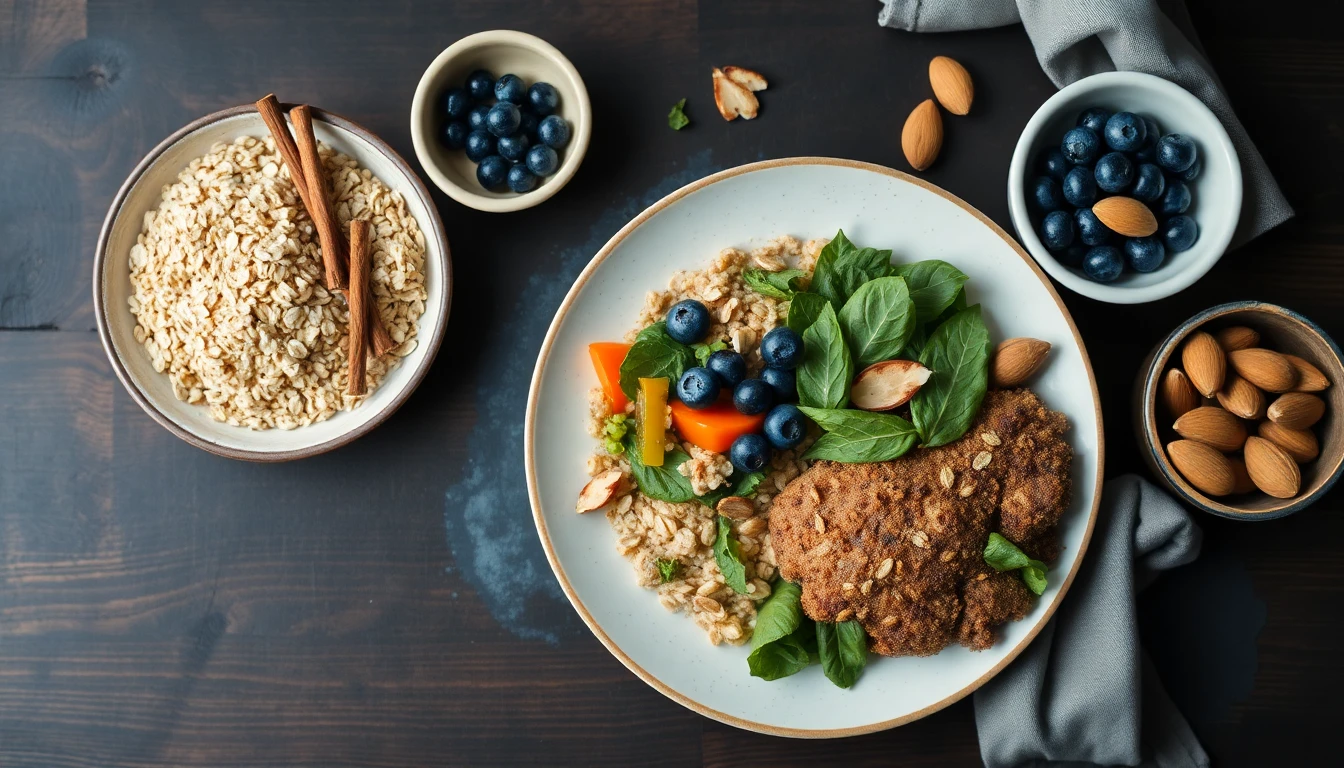
- Rolled oats — A low-GI breakfast staple rich in beta-glucan, a soluble fibre that slows glucose absorption and improves insulin response.
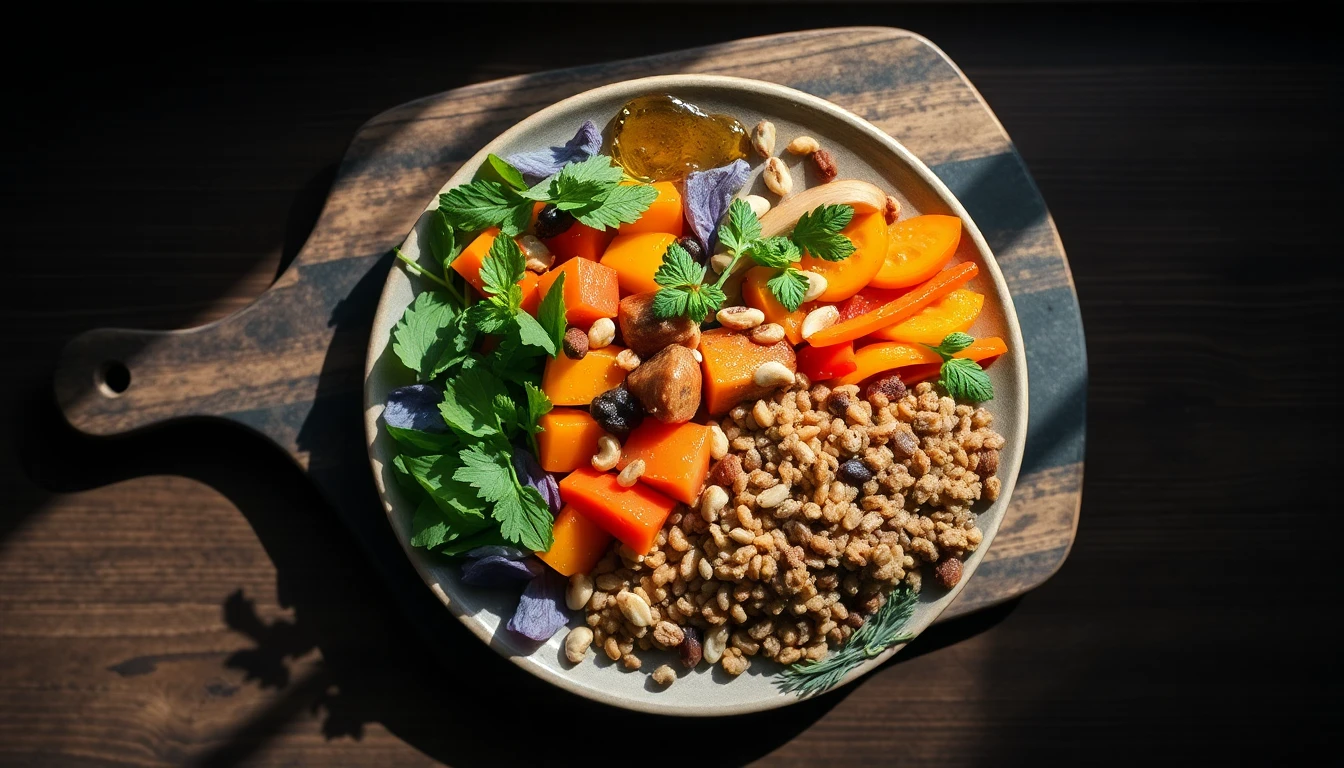
- Lentils and chickpeas — Pulses score low on the GI scale (around 30–40) and deliver a powerful combination of fibre, protein, and resistant starch.
- Leafy greens (spinach, kale, chard) — Virtually zero impact on blood sugar, packed with magnesium, which plays a role in insulin sensitivity.
- Berries (blueberries, strawberries, raspberries) — Lower in sugar than most fruit, high in fibre and polyphenols that may improve glucose metabolism.
- Nuts and seeds (almonds, walnuts, chia, flaxseed) — Slow digestion, blunt glucose spikes, and provide healthy fats and magnesium.
- Greek yoghurt (unsweetened) — Protein-rich and low-carb; fermentation may also support gut health, which is increasingly linked to glucose control.
- Cinnamon — More on this below, but true cinnamon (Ceylon) has shown modest glucose-lowering effects in multiple trials.
- Vinegar (especially apple cider vinegar) — Acetic acid slows gastric emptying and improves insulin sensitivity when consumed with meals.
- Barley — One of the lowest-GI grains, thanks to its high beta-glucan content; swapping white rice for pearl barley can flatten post-meal glucose.
- Avocado — Rich in monounsaturated fat and fibre, with minimal carbohydrate; adding avocado to a meal reduces the overall glycaemic response.
The Cinnamon Evidence: Hype or Help?
Cinnamon is often touted as a natural remedy for blood sugar control, but does the science back it up? The short answer is: cautiously, yes—but the effect is modest and variety matters.
A 2020 systematic review and meta-analysis in the Journal of the Endocrine Society analysed 18 randomised controlled trials and found that cinnamon supplementation (typically 1–6 grams per day) led to small but statistically significant reductions in fasting blood glucose and HbA1c, particularly in people with type 2 diabetes or prediabetes.
The active compounds—cinnamaldehyde and polyphenols—are thought to enhance insulin signalling and slow carbohydrate breakdown in the gut. However, most studies used Ceylon cinnamon (also called 'true cinnamon'), which contains far less coumarin than the cheaper Cassia variety. Coumarin can be harmful to the liver in high doses, so if you're using cinnamon regularly, opt for Ceylon.
How to Use Cinnamon Practically
Sprinkling half a teaspoon of cinnamon on porridge, stirring it into Greek yoghurt, or adding it to smoothies are simple ways to incorporate it daily. It's not a magic bullet, but as part of a balanced, low-GI diet, it can be a useful adjunct.
The Vinegar Hack: A Simple Pre-Meal Strategy
One of the simplest and most researched dietary interventions for blood sugar control is consuming vinegar—particularly apple cider vinegar—before or with meals. The mechanism is well understood: acetic acid slows the rate at which food leaves the stomach (gastric emptying) and improves the uptake of glucose into cells.
A landmark 2004 study published in Diabetes Care showed that consuming 20 grams of apple cider vinegar (roughly one tablespoon diluted in water) before a high-carbohydrate meal significantly improved insulin sensitivity in people with insulin resistance. Subsequent studies have confirmed that vinegar can reduce post-meal blood sugar spikes by 20–30% when taken with starchy foods.
The effect is most pronounced when vinegar is consumed at the start of a meal or up to 30 minutes before. It's also worth noting that the type of vinegar matters less than the acetic acid content—apple cider, red wine, and white wine vinegars all work, though apple cider vinegar is the most studied.
Practical Tips for the Vinegar Hack
- Dilute it — Never drink vinegar neat; mix one tablespoon in a large glass of water.
- Timing — Drink it 10–20 minutes before eating or use it as a salad dressing at the start of your meal.
- Protect your teeth — Rinse your mouth with plain water afterwards to minimise enamel erosion.
- Not suitable for everyone — If you have gastroparesis (delayed stomach emptying), reflux, or take certain medications, check with your GP first.
Fibre-First Eating: The Food Order Hack
Emerging research suggests that the order in which you eat foods within a meal can significantly influence your glucose response. Eating fibre and protein before carbohydrates—often called 'fibre-first' or 'food sequencing'—has been shown to reduce post-meal blood sugar spikes.
A 2015 study in Diabetes Care compared eating vegetables and protein before carbohydrates versus the reverse order in people with type 2 diabetes. The fibre-first group had blood glucose levels 29% lower at 30 minutes and 17% lower at 60 minutes post-meal. The mechanism likely involves slowing gastric emptying and carbohydrate digestion, as well as triggering early satiety signals.
In practical terms, this means starting your meal with a salad, a portion of non-starchy vegetables, or a handful of nuts, then moving on to your protein, and finishing with any starchy carbohydrates like rice, pasta, or bread. It's a zero-cost intervention that requires no special foods—just a shift in habit.
How to Build a Fibre-First Plate
- Begin with vegetables — A side salad, steamed greens, or crudités with hummus.
- Follow with protein — Chicken, fish, tofu, beans, or eggs.
- Add healthy fats — Olive oil, avocado, or nuts help slow digestion further.
- Finish with carbs — Whole grains, sweet potato, or legumes, ideally cooled (see resistant starch below).
How FreshPlate Helps You Plan Meals Around Blood Sugar
Managing blood sugar doesn't mean giving up flavour, variety, or convenience. FreshPlate builds every recipe around your own medications, conditions, and dietary preferences, and for medical conditions it steers rather than prescribes: recipes lean towards what public UK guidance (NHS, BDA) says suits the condition. The app never claims to treat, prevent or cure anything.
Whether you're managing type 2 diabetes, PCOS, prediabetes, or simply want to feel steadier throughout the day, FreshPlate takes some of the guesswork out of meal planning. Each recipe has a For you tab that shows what was actually checked for you (allergens, diet, religious rules), gives a line on why the recipe suits your goal and conditions, and tells you whether it fits what is left of your day. Your medicines are listed there too: for about 170 of them, you can open the NHS or FDA wording about food, quoted word for word, with a link to the checker page. For the rest, it says there is no advice on file yet and points you to your pharmacist.
To see how you're getting on, the Progress tab answers how the day is going, why, and what to do next, with a "How we worked this out" tap behind every number. And if you want to look up a medicine before you shop, the free checker on our website shows the foods to watch in seconds: /website/tools/food-medication-checker/.
Frequently asked questions
What foods lower blood sugar immediately?
+
No food lowers blood sugar instantly, but high-fibre, low-GI foods like leafy greens, nuts, and vinegar consumed with meals can blunt glucose spikes. If you have diabetes and experience a hypo, fast-acting carbs like glucose tablets are needed—speak to your diabetes team for guidance.
Does cinnamon really help with blood sugar control?
+
Yes, but modestly. Studies show 1–6 grams of Ceylon cinnamon daily may reduce fasting glucose and HbA1c in people with type 2 diabetes. It's not a replacement for medication, but a useful dietary addition when used consistently.
Can I eat fruit if I'm trying to control blood sugar?
+
Absolutely. Whole fruit is rich in fibre, vitamins, and polyphenols. Berries, apples, pears, and citrus have a low to moderate GI. Pair fruit with protein or fat (like nuts or yoghurt) to further stabilise glucose.
Is the vinegar trick safe for everyone?
+
Most people tolerate diluted vinegar well, but it's not suitable if you have gastroparesis, severe reflux, or take certain diabetes medications that slow digestion. Always consult your GP or dietitian if unsure.
What's better for blood sugar: GI or GL?
+
Glycaemic load (GL) is more practical because it accounts for portion size. A food can have a high GI but low GL if you eat a small amount. Focus on low-GL meals for the best blood sugar control.
Sources
- The BMJ — Glycaemic index, glycaemic load, and cardiovascular disease and mortality
- Diabetes Care — Vinegar ingestion at bedtime moderates waking glucose concentrations in adults with type 2 diabetes
- Journal of the Endocrine Society — Effects of cinnamon on glycaemic control: a systematic review and meta-analysis
- NHS — Understanding the glycaemic index (GI)
Did this answer your question?
Reece reads every reply. Questions we have not covered become new guides.
Make blood sugar one less thing to worry about.
Get our free blood sugar guide by email — the best food sources, what helps and hinders absorption, and a week of meal ideas. One genuinely useful email a week — no spam, unsubscribe anytime.
Free forever. You'll also be first in line for the FreshPlate app — with a free trial at launch.