Anti-Inflammatory Foods: What to Eat (and What to Avoid)
Discover evidence-based anti-inflammatory foods that may help reduce chronic inflammation, plus what to avoid. Practical meal ideas and Mediterranean diet links.

By Reece Douglas · Founder, FreshPlate
Listen to this article
Anti-Inflammatory Foods: What to Eat (and What to Avoid)
Chronic inflammation has been linked to some of the UK's most common health conditions, including heart disease, type 2 diabetes, arthritis, and certain cancers. While acute inflammation is your body's natural healing response to injury or infection, long-term low-grade inflammation can gradually damage tissues and contribute to disease over time.
The good news? What you eat can influence inflammatory processes in your body. A growing body of research suggests that certain foods may help dampen chronic inflammation, whilst others can fuel it. This guide explores the evidence-based anti-inflammatory foods worth including in your diet, what to limit, and how to build practical meals around these principles—whether you're managing a specific condition or simply want to eat for long-term health.
What Is Chronic Inflammation and Why Does Diet Matter?
Inflammation is a complex biological response involving your immune system, blood vessels, and various signalling molecules called cytokines. When you cut your finger or catch a cold, acute inflammation helps fight infection and repair tissue—it's protective and temporary. Chronic inflammation, however, persists for months or years at a low level, often without obvious symptoms.
Several factors contribute to chronic inflammation, including obesity, physical inactivity, stress, poor sleep, smoking, and diet. Blood tests can sometimes detect elevated inflammatory markers like C-reactive protein (CRP), though many people with chronic inflammation show no clear laboratory signs.
Your diet influences inflammation through multiple pathways. Certain nutrients and plant compounds can modulate immune responses, reduce oxidative stress, and affect the balance of inflammatory and anti-inflammatory signalling molecules. Conversely, diets high in refined carbohydrates, saturated fats, and ultra-processed foods have been associated with higher inflammatory markers in research studies.
The Best Anti-Inflammatory Foods to Include
No single food will eliminate inflammation, but a dietary pattern rich in these foods has been consistently linked to lower inflammatory markers and reduced disease risk. Focus on variety and regular intake rather than expecting immediate results from isolated ingredients.
Oily Fish and Omega-3 Fatty Acids
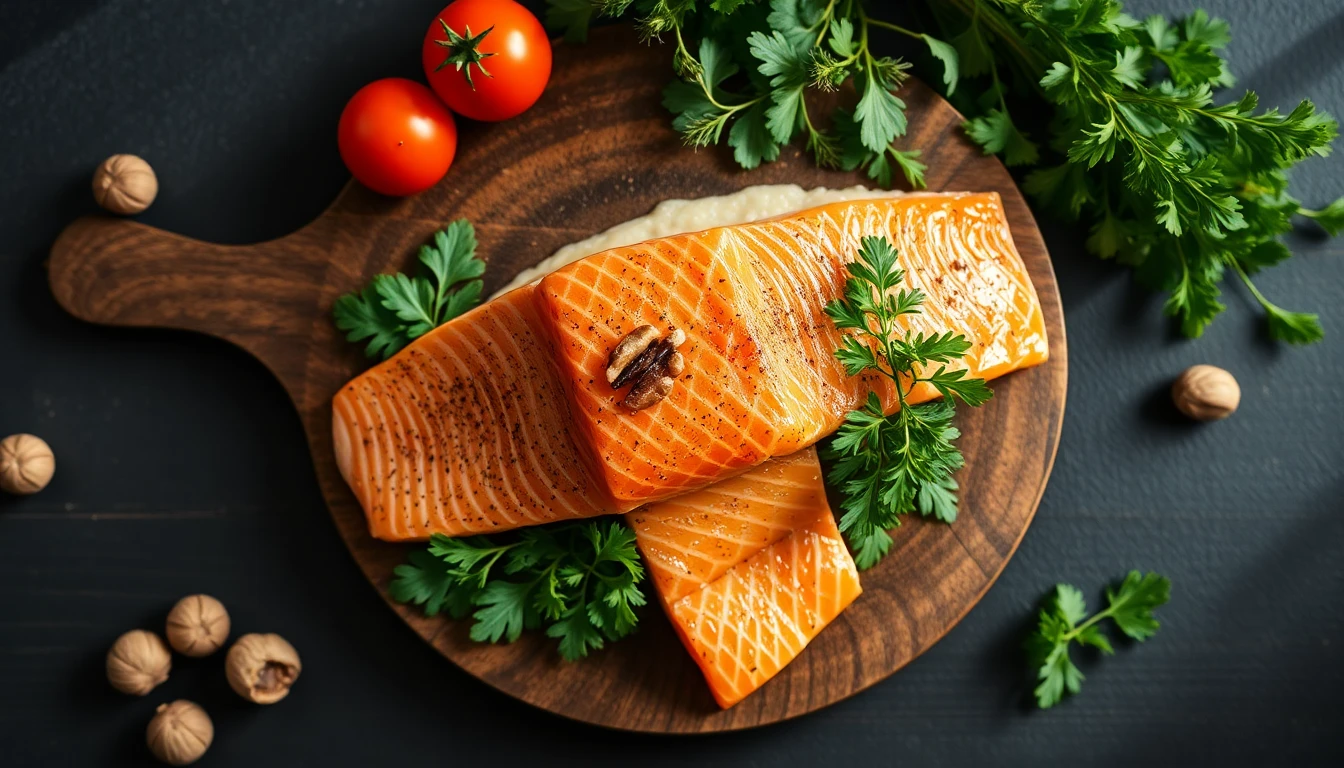
Fatty fish like salmon, mackerel, sardines, and herring contain long-chain omega-3 fatty acids (EPA and DHA) that have well-documented anti-inflammatory effects. These fats are converted into specialised pro-resolving mediators—compounds that help inflammation resolve rather than persist.
The NHS recommends at least two portions of fish per week, including one oily variety. If you're vegetarian or vegan, consider algae-based omega-3 supplements, though the evidence for plant sources like flaxseeds and walnuts (which contain ALA rather than EPA/DHA) is less robust for inflammatory conditions.
Berries and Dark-Coloured Fruits
Berries—especially blueberries, strawberries, and blackberries—are packed with anthocyanins, a type of flavonoid with antioxidant and anti-inflammatory properties. Studies have shown that regular berry consumption can reduce inflammatory markers in people with metabolic syndrome and obesity.
- Blueberries — particularly high in anthocyanins; studies suggest they may lower CRP levels
- Strawberries — rich in vitamin C and polyphenols that combat oxidative stress
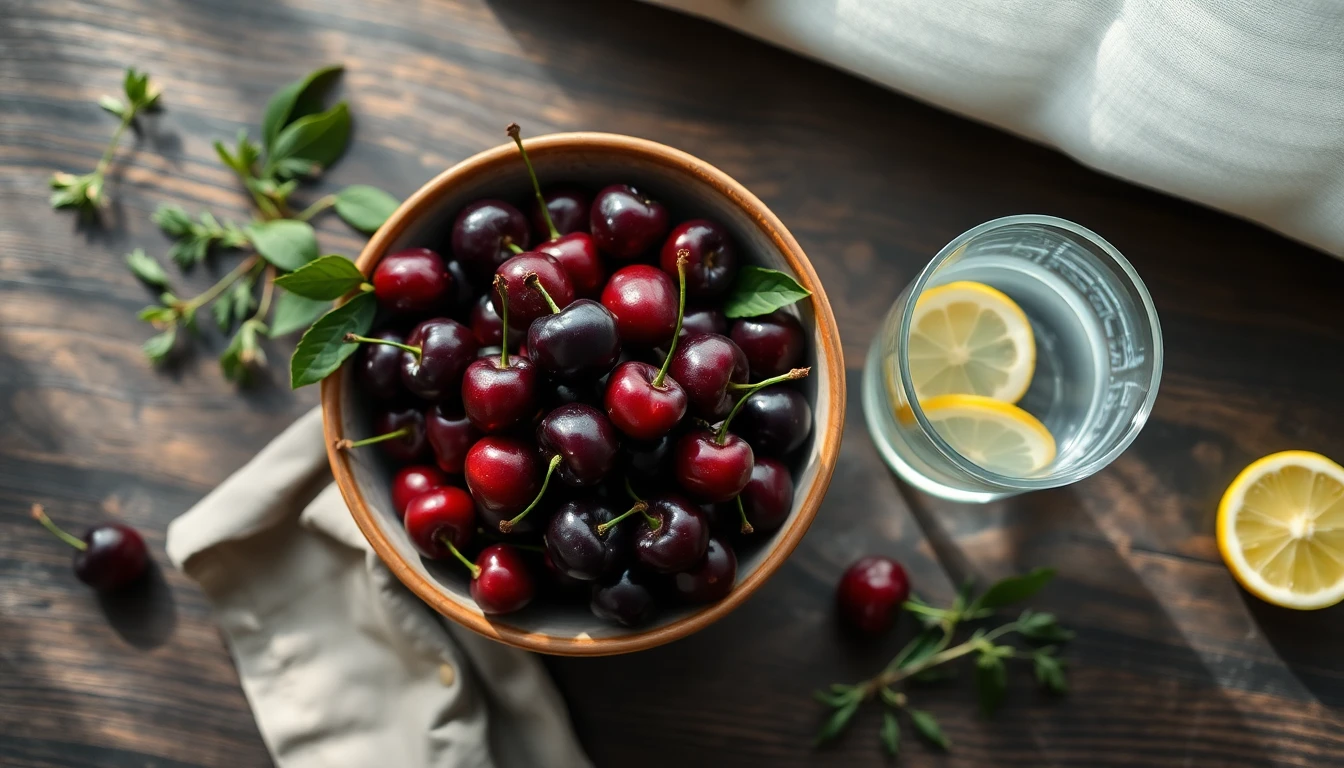
- Cherries — contain compounds that may reduce markers of inflammation in arthritis
- Pomegranate — powerful antioxidants called punicalagins with anti-inflammatory effects
Leafy Greens and Cruciferous Vegetables
Dark leafy greens like spinach, kale, Swiss chard, and rocket provide vitamin K, folate, and various carotenoids with anti-inflammatory properties. Cruciferous vegetables—broccoli, cauliflower, Brussels sprouts, cabbage—contain sulforaphane, a compound that may help regulate inflammatory pathways.
Extra Virgin Olive Oil
A cornerstone of the Mediterranean diet, extra virgin olive oil contains oleic acid and polyphenols, particularly oleocanthal, which has been shown to inhibit inflammatory enzymes in a similar way to ibuprofen (though far more gently). Choose extra virgin varieties and use it as your primary cooking and dressing oil.
Nuts, Seeds, and Wholegrains
Almonds, walnuts, and other nuts provide healthy fats, fibre, and magnesium—all linked to lower inflammation. Wholegrains like oats, brown rice, and quinoa offer fibre that feeds beneficial gut bacteria, which produce anti-inflammatory short-chain fatty acids.
- Walnuts — one of the richest plant sources of omega-3 ALA
- Almonds — high in vitamin E, an antioxidant that protects cell membranes
- Chia and flax seeds — omega-3s and lignans with potential anti-inflammatory effects
- Oats and barley — contain beta-glucan fibre linked to reduced inflammatory markers
Herbs, Spices, and Other Plant Foods
Turmeric (specifically its active compound curcumin), ginger, garlic, and green tea have all been studied for anti-inflammatory effects, though the evidence is strongest when they're part of an overall healthy dietary pattern rather than taken as isolated supplements.
Foods That May Promote Inflammation
Just as important as what you include is what you limit. Whilst no food needs to be completely off-limits for most people, these categories have been associated with increased inflammatory markers when consumed frequently or in large amounts.
- Refined carbohydrates — white bread, pastries, and sugary snacks cause rapid blood sugar spikes that can trigger inflammatory responses
- Sugary drinks — fizzy drinks, energy drinks, and sweetened juices have been strongly linked to inflammation and metabolic disease
- Ultra-processed foods — packaged snacks, ready meals, and processed meats often contain inflammatory compounds formed during manufacturing
- Excess saturated fat — particularly from red and processed meats; the evidence is mixed, but high intakes may increase inflammatory markers in some people
- Trans fats — largely removed from UK food supply but still present in some baked goods; strongly pro-inflammatory
- Excess alcohol — whilst moderate intake (especially red wine) features in Mediterranean diets, heavy drinking clearly promotes inflammation
A Note on Individual Foods
It's worth emphasising that dietary patterns matter more than single foods. Having a biscuit or a takeaway won't undo the benefits of an otherwise balanced diet. The issue arises when ultra-processed foods and added sugars dominate your daily intake, crowding out nutrient-dense whole foods.
The Mediterranean Diet: Gold Standard for Anti-Inflammatory Eating
If you're looking for a comprehensive anti-inflammatory eating pattern backed by decades of research, the Mediterranean diet is your best evidence-based choice. It's not a strict plan but rather a traditional way of eating common in countries like Greece, Italy, and Spain—regions with historically lower rates of heart disease and chronic inflammation-related conditions.
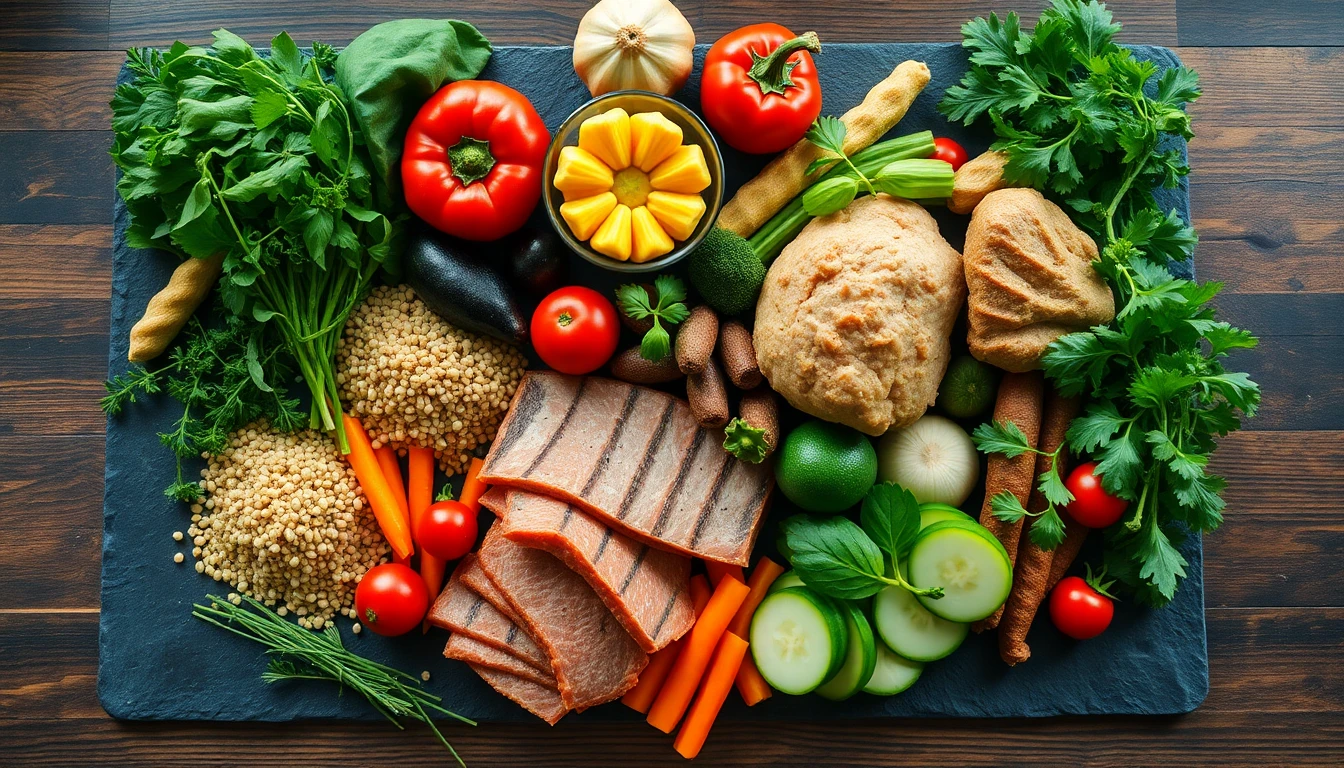
The Mediterranean diet emphasises whole grains, vegetables, fruits, legumes, nuts, olive oil, and fish, with moderate amounts of poultry, eggs, and dairy, and limited red meat and sweets. It's also characterised by social eating, regular physical activity, and enjoyment of meals—lifestyle factors that may contribute to its benefits beyond the food itself.
Large-scale studies, including the landmark PREDIMED trial, have shown that a Mediterranean diet supplemented with extra virgin olive oil or nuts significantly reduces cardiovascular events and inflammatory markers compared to a low-fat diet. Importantly, it's a sustainable eating pattern that people can maintain long-term, rather than a restrictive diet that feels like punishment.
Practical Mediterranean-Style Meals
Building anti-inflammatory meals doesn't require exotic ingredients or complicated recipes. Here are simple frameworks to get you started:
- Breakfast — porridge with berries and walnuts; wholemeal toast with avocado and tomato; Greek yoghurt with fruit and ground flaxseeds
- Lunch — mixed bean salad with olive oil dressing; lentil soup with wholegrain bread; mackerel on rye with cucumber and dill
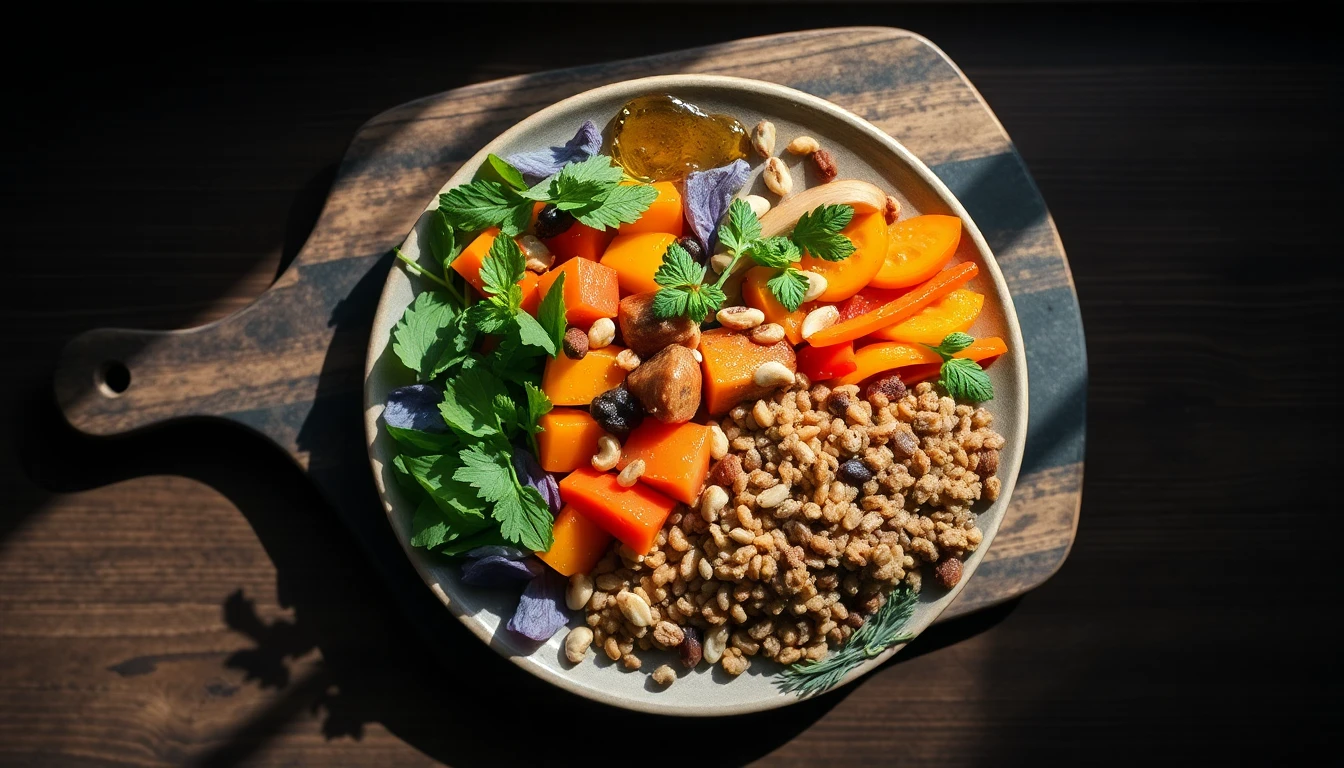
- Dinner — baked salmon with roasted vegetables and quinoa; chickpea and vegetable stew; grilled chicken with Mediterranean salad and bulgur wheat
- Snacks — handful of almonds; apple with almond butter; vegetable sticks with hummus; dark chocolate (70%+ cocoa)
Special Considerations: Medications and Health Conditions
If you're taking medication or managing a health condition, certain anti-inflammatory foods may interact with your treatment or require modification. For example, omega-3 supplements and foods very high in vitamin K can affect blood-clotting medications, whilst grapefruit (though generally healthy) interacts with statins and other drugs.
Some people with autoimmune conditions experiment with elimination diets to identify food triggers, though this should be done under professional guidance to avoid nutritional deficiencies. The evidence for specific elimination approaches (like the autoimmune protocol or AIP diet) is limited and largely anecdotal.
If you have gout, certain otherwise-healthy foods like oily fish and shellfish are higher in purines and may need moderating during flare-ups—though an overall anti-inflammatory diet pattern appears protective. Those with inflammatory bowel disease may need to adjust fibre intake during active flares, even though high-fibre diets are generally anti-inflammatory.
When to Seek Professional Advice
Whilst dietary changes are generally safe, it's wise to discuss significant diet modifications with your GP or a registered dietitian if you're taking multiple medications, have chronic kidney disease, or are managing complex health conditions. They can help you balance anti-inflammatory eating with your specific clinical needs and ensure you're not inadvertently affecting medication efficacy or nutrient status.
How FreshPlate Fits Around Your Medications and Food Preferences
Knowing which foods are worth eating more of is one thing; fitting them into daily meals alongside your medications, your preferences and real life is quite another. That's where FreshPlate can help.
Every recipe the app generates is built around your own medication list. You add each medicine by brand or generic name, and the app reads it by its active ingredient, so a brand such as Lipitor gets the atorvastatin rules. If you take warfarin, it's handled as "keep vitamin K steady", not "avoid greens". For medical conditions, the app steers rather than prescribes: recipes lean towards what public UK guidance (NHS, BDA) says suits the condition, and it never claims to treat, prevent or cure anything. Onboarding also asks about cultural and religious food preferences, such as halal, kosher, Caribbean and South Asian, and recipes respect them.
Rather than endlessly Googling 'can I eat this with my medication?', you can check the foods to watch with the free food–medication checker on our website. In the app, the For you tab on every recipe lists your medicines. For about 170 of them, it opens the NHS or US FDA words about food, quoted word for word, with a link to the checker page. The rest say there is no advice on file yet and point you to your pharmacist, who remains the right person to ask.
Frequently asked questions
What are the top 10 anti-inflammatory foods?
+
Evidence-based anti-inflammatory foods include oily fish (salmon, mackerel, sardines), berries (blueberries, strawberries), leafy greens (spinach, kale), extra virgin olive oil, nuts (walnuts, almonds), wholegrains (oats, brown rice), tomatoes, turmeric, ginger, and green tea. Focus on variety rather than isolated 'superfoods'.
How long does it take for an anti-inflammatory diet to work?
+
Some inflammatory markers may improve within weeks, but meaningful clinical benefits typically require sustained dietary changes over months to years. This isn't a quick fix—think of it as long-term disease prevention rather than immediate symptom relief.
Can anti-inflammatory foods replace medication?
+
No. Whilst diet can support overall health and may help reduce inflammation, it should complement—not replace—prescribed medical treatment. Always consult your doctor before stopping or changing medications, even if you're eating well.
Are eggs inflammatory?
+
Current evidence suggests eggs are not inflammatory for most people and can be part of an anti-inflammatory diet. They provide high-quality protein and nutrients like choline. Very high consumption might affect some individuals differently, but moderate intake (up to one daily) appears neutral or beneficial.
Is the anti-inflammatory diet good for arthritis?
+
Research suggests Mediterranean-style anti-inflammatory eating patterns may help reduce joint pain and stiffness in some people with rheumatoid arthritis and osteoarthritis, though results vary individually. It's best used alongside medical treatment rather than as a standalone therapy.
Sources
Did this answer your question?
Reece reads every reply. Questions we have not covered become new guides.
Make anti-inflammatory one less thing to worry about.
Get our free anti-inflammatory guide by email — the best food sources, what helps and hinders absorption, and a week of meal ideas. One genuinely useful email a week — no spam, unsubscribe anytime.
Free forever. You'll also be first in line for the FreshPlate app — with a free trial at launch.