Endometriosis Diet: Can Anti-Inflammatory Foods Help?
Discover how an anti-inflammatory endometriosis diet rich in omega-3s and plant foods may help manage symptoms. Evidence-based guidance and practical swaps.

By Reece Douglas · Founder, FreshPlate
Listen to this article
Endometriosis Diet: Can Anti-Inflammatory Foods Help?
Endometriosis affects roughly one in ten women of reproductive age in the UK, causing painful periods, chronic pelvic pain, and sometimes infertility. Whilst medical treatments like hormonal therapy and surgery remain the cornerstone of management, growing research suggests that what you eat may influence inflammation and symptom severity.
An endometriosis diet focused on anti-inflammatory foods isn't a cure, but emerging evidence indicates it could be a valuable part of your symptom-management toolkit. This guide explores the science behind nutrition and endometriosis, identifies which foods may help or hinder, and offers practical swaps you can start using today.
Understanding Endometriosis and Inflammation
Endometriosis occurs when tissue similar to the lining of the womb grows outside the uterus—on the ovaries, fallopian tubes, or other pelvic structures. This tissue responds to hormonal changes during your menstrual cycle, causing inflammation, scarring, and pain.
Research has shown that women with endometriosis often have higher levels of inflammatory markers in their bodies. These inflammatory compounds—including prostaglandins and cytokines—contribute to pain and tissue damage. This is where diet enters the picture: certain foods can either fuel or dampen this inflammatory response.
The Role of Diet in Inflammation
Your food choices directly influence the types of fats, antioxidants, and other compounds circulating in your bloodstream. Anti-inflammatory foods provide nutrients that help regulate immune responses and reduce oxidative stress, whilst pro-inflammatory foods can tip the balance towards more inflammation.
A systematic review published in the journal Reproductive Biology and Endocrinology found that dietary patterns rich in fruits, vegetables, and omega-3 fatty acids were associated with reduced endometriosis risk, whilst high intake of red meat and trans fats showed the opposite pattern.
Anti-Inflammatory Foods for Your Endometriosis Diet
Building an endometriosis-friendly eating pattern doesn't mean following restrictive rules. Instead, focus on gradually increasing foods that provide anti-inflammatory compounds and essential nutrients.
Omega-3 Rich Foods
Omega-3 fatty acids are among the most well-researched anti-inflammatory nutrients. These essential fats help produce compounds called resolvins that actively reduce inflammation in the body. Studies have found that women who consume more omega-3s tend to report less severe endometriosis symptoms.
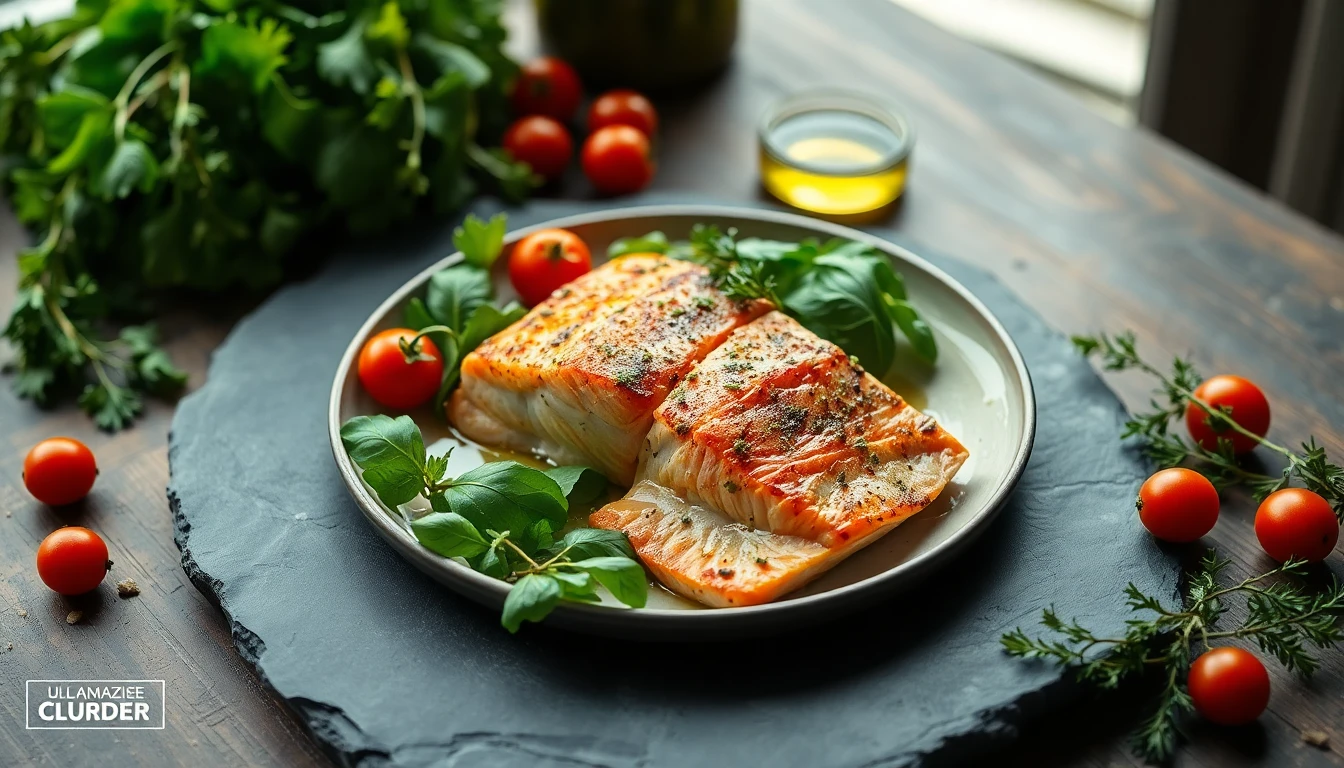
- Oily fish — salmon, mackerel, sardines, herring, and fresh tuna provide EPA and DHA omega-3s. Aim for two portions weekly
- Walnuts — the richest nut source of plant-based omega-3 (ALA). A small handful daily makes an excellent snack
- Flaxseeds and chia seeds — grind flaxseeds freshly to improve absorption. Sprinkle on porridge or add to smoothies
- Hemp seeds — offer omega-3 alongside protein and minerals. Mix into yoghurt or salads
Colourful Vegetables and Fruits
Plant foods provide antioxidants and phytochemicals that combat oxidative stress—a key driver of endometriosis inflammation. The more varied your colours, the broader the range of protective compounds.
- Leafy greens — spinach, kale, and rocket contain magnesium and folate, which support healthy inflammatory responses
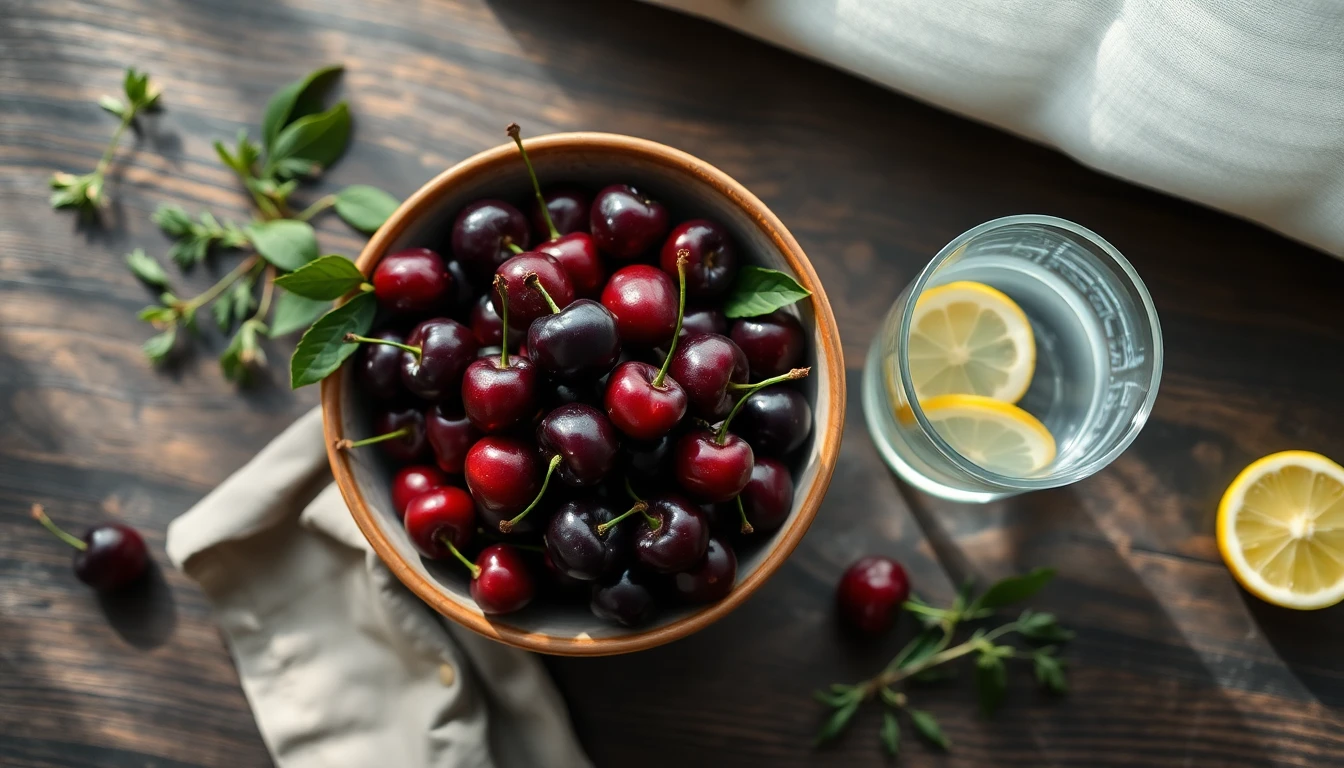
- Berries — blueberries, strawberries, and blackberries are packed with anthocyanins that reduce inflammatory markers
- Cruciferous vegetables — broccoli, cauliflower, and Brussels sprouts help with oestrogen metabolism, which may be beneficial for endometriosis
- Tomatoes — rich in lycopene, a powerful antioxidant. Cooking tomatoes in olive oil enhances absorption
- Beetroot — contains betalains with anti-inflammatory properties. Roast or add raw to salads
Wholegrains and Legumes
Unlike refined carbohydrates, wholegrains and pulses provide fibre that supports gut health and helps regulate blood sugar—both important for managing inflammation.
- Oats — contain beta-glucan fibre and avenanthramides with anti-inflammatory effects
- Quinoa — a complete protein source that's also rich in magnesium and iron
- Lentils and chickpeas — excellent protein alternatives to red meat, plus they provide gut-friendly fibre
- Brown rice and wholemeal pasta — deliver steady energy without blood sugar spikes
Foods to Reduce in Your Endometriosis Diet
Just as important as what you add is considering what might be worth reducing. Research has identified several dietary patterns associated with increased endometriosis symptoms or risk.
Red and Processed Meat
Multiple studies have found associations between higher red meat consumption and increased endometriosis risk or symptom severity. Red meat contains arachidonic acid, a fatty acid that can be converted into pro-inflammatory compounds called prostaglandins—the same compounds that contribute to period pain.
Processed meats like bacon, sausages, and deli meats add additional concerns, as they contain preservatives and compounds formed during processing that may promote inflammation.
- Practical swap — replace half the mince in bolognese with red lentils or finely chopped mushrooms
- Practical swap — choose chicken or turkey over beef or lamb for your main protein sources
- Practical swap — experiment with plant-based proteins like tofu, tempeh, or beans as your primary protein twice weekly
Trans Fats and Highly Processed Foods
Trans fats—found in some margarines, baked goods, and fried foods—are strongly pro-inflammatory. Whilst UK regulations have reduced trans fat levels in many products, they're still worth avoiding. Highly processed foods also tend to be high in refined sugars and low in protective nutrients.
- Check labels — avoid products listing 'partially hydrogenated oils'
- Choose minimally processed — opt for foods with short ingredient lists you recognise
- Home cooking — preparing meals from scratch gives you control over ingredients and cooking methods
Alcohol
Some research suggests that regular alcohol consumption may be associated with increased endometriosis risk, possibly due to effects on hormone metabolism and inflammation. Whilst the evidence isn't conclusive, many women find that reducing alcohol improves their symptoms.
If you choose to drink, moderation is key. The NHS recommends no more than 14 units per week, spread across three or more days.
Practical Meal Planning for Endometriosis
Translating nutrition science into everyday meals doesn't need to be complicated. The key is building habits around anti-inflammatory staples whilst gradually reducing foods that may worsen inflammation.
- Breakfast foundations — start with porridge topped with ground flaxseed, berries, and walnuts. Or try scrambled eggs with spinach and tomatoes on wholegrain toast
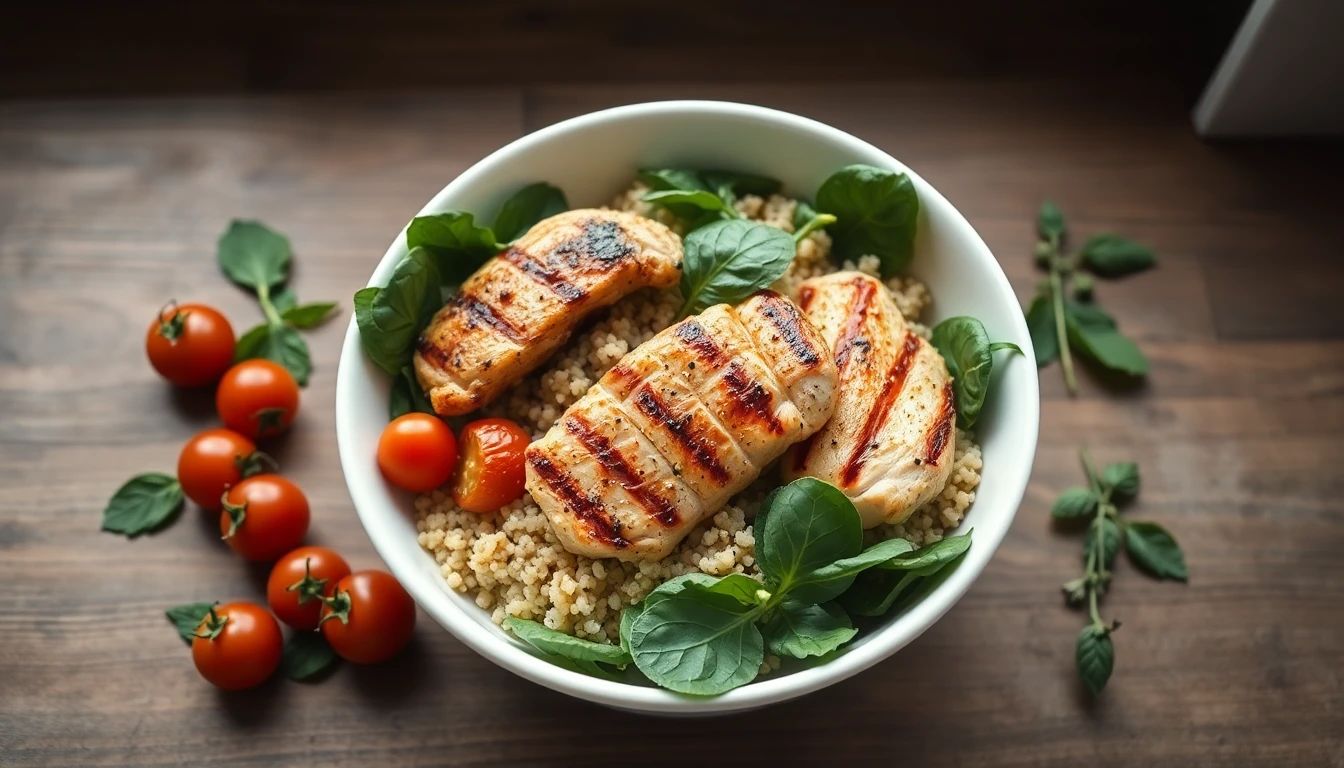
- Lunch building blocks — create grain bowls using quinoa or brown rice as a base, add plenty of colourful vegetables, include a protein source like chickpeas or tinned salmon, and dress with olive oil and lemon
- Dinner templates — aim for half your plate as vegetables, a quarter wholegrains, and a quarter protein (favouring fish, poultry, or plant-based options over red meat)
- Snack strategies — keep anti-inflammatory options handy like mixed nuts, oatcakes with hummus, or fruit with natural yoghurt
- Batch cooking — prepare larger portions of endometriosis-friendly meals like vegetable curries, fish bakes, or bean stews to freeze for busy days
Sample Day on an Anti-Inflammatory Endometriosis Diet
- Breakfast — overnight oats with chia seeds, blueberries, and almond butter
- Mid-morning — apple slices with a small handful of walnuts
- Lunch — mackerel fillet with mixed leaf salad, beetroot, cherry tomatoes, and quinoa, dressed with olive oil
- Afternoon — carrot sticks with hummus
- Dinner — baked salmon with roasted sweet potato, broccoli, and kale, finished with lemon and herbs
- Evening — small bowl of mixed berries with natural yoghurt
What the Research Says About Endometriosis Diet
Whilst we need more large-scale clinical trials, existing research provides encouraging signals. A 2021 systematic review in the International Journal of Environmental Research and Public Health analysed multiple studies and found that diets high in fruits, vegetables, and omega-3 fatty acids were consistently associated with reduced endometriosis symptoms.
Another study published in Human Reproduction found that women with the highest intake of long-chain omega-3 fatty acids had a 22% lower risk of being diagnosed with endometriosis compared to those with the lowest intake. Similarly, research has shown that women consuming more red meat had higher rates of endometriosis.
It's important to note that dietary changes work best as part of comprehensive endometriosis management alongside medical treatment. Always discuss significant dietary changes with your healthcare team, particularly if you're taking medications or have other health conditions.
How FreshPlate Supports Your Endometriosis Diet
Eating with endometriosis in mind is easier when your recipes are built around you. FreshPlate steers your recipes towards what public UK guidance (the NHS and the BDA) says suits a condition like endometriosis. It steers rather than prescribes, and it never claims to treat, prevent or cure anything. Every recipe is also built around your own medication list, so what you take is part of the picture from the start.
If you've told us about a fatal allergen, it is treated with zero tolerance. The recipe brief forbids it, including its other names (pork also means chorizo, bacon and ham), and a keyword filter checks every title and ingredient again once the recipe has been written. Onboarding also asks about cultural and religious food preferences, such as halal or kosher, and your recipes respect them.
Each recipe has a For you tab that shows you what was actually checked for you, such as allergens, diet and religious rules, and says plainly when it can't verify a food. It also gives a line on why the recipe suits your goal and conditions, and whether it fits what is left of your day. That way you can see the thinking behind a meal, without the overwhelm of researching every ingredient yourself.
Frequently asked questions
What foods should I avoid with endometriosis?
+
Consider reducing red and processed meats, trans fats found in some processed foods, and excessive alcohol. These foods may promote inflammation and worsen endometriosis symptoms. Focus instead on anti-inflammatory alternatives like fish, plant proteins, and whole foods.
Can diet cure endometriosis?
+
No, diet cannot cure endometriosis, but research suggests an anti-inflammatory eating pattern may help manage symptoms and reduce inflammation. Dietary changes work best alongside medical treatments prescribed by your healthcare team.
How much omega-3 should I eat for endometriosis?
+
Aim for at least two portions of oily fish weekly (around 280g total), which provides roughly 3-4g of omega-3 EPA and DHA. If you don't eat fish, discuss supplementation with your GP, as plant-based omega-3s (ALA) convert less efficiently to the active forms.
Does dairy affect endometriosis?
+
The evidence on dairy and endometriosis is mixed. Some women find that reducing dairy improves their symptoms, whilst others notice no difference. If you suspect dairy affects you, try eliminating it for 4-6 weeks whilst ensuring adequate calcium from other sources.
How long before diet changes help endometriosis symptoms?
+
Most women who find dietary changes helpful report noticing improvements after 2-3 months of consistent anti-inflammatory eating. Keep a symptom diary to track any patterns, and be patient—dietary approaches work gradually rather than providing immediate relief.
Sources
Did this answer your question?
Reece reads every reply. Questions we have not covered become new guides.
The right foods make living with endometriosis easier.
Get our free endometriosis food guide by email — what to eat more of, what to limit, and simple meals that support you day to day. One genuinely useful email a week — no spam, unsubscribe anytime.
Free forever. You'll also be first in line for the FreshPlate app — with a free trial at launch.