Low FODMAP Diet IBS: A Beginner's Guide That Actually Helps
Struggling with IBS? Learn how the low FODMAP diet works, which foods to swap, and how to reintroduce triggers safely with our three-phase guide.

By Reece Douglas · Founder, FreshPlate
Listen to this article
Low FODMAP Diet IBS: A Beginner's Guide That Actually Helps
If you've got irritable bowel syndrome, you've probably tried everything from peppermint tea to cutting out dairy, only to find your symptoms still pop up unpredictably. The low FODMAP diet for IBS isn't just another elimination fad—it's a structured, evidence-based approach developed by researchers at Monash University that helps about 75% of people with IBS identify their specific trigger foods.
FODMAPs are types of carbohydrates that ferment in your gut, causing bloating, pain, and changes to your bowel habits. The tricky bit? Not all FODMAPs cause problems for everyone. That's why this diet works in three distinct phases: strict elimination, careful reintroduction, and personalisation. Let's walk through exactly how it works, what you can actually eat, and how to navigate the reintroduction phase without losing your mind.
What Are FODMAPs and Why Do They Trigger IBS?
FODMAP stands for Fermentable Oligosaccharides, Disaccharides, Monosaccharides And Polyols. These are short-chain carbohydrates that your small intestine struggles to absorb properly. When they reach your colon, gut bacteria ferment them rapidly, producing gas and drawing water into your bowel.
For most people, this process causes no issues. But if you have IBS, your gut is hypersensitive to stretching and distension. The extra gas and fluid from FODMAP fermentation triggers pain, bloating, and altered bowel movements—the classic IBS symptoms that make daily life unpredictable.
The Five FODMAP Groups
Understanding which foods contain which FODMAPs helps you spot patterns during reintroduction. Here are the five categories:
- Oligosaccharides (fructans and GOS) — found in wheat, rye, onions, garlic, legumes, and many vegetables
- Disaccharides (lactose) — present in cow's milk, yoghurt, soft cheeses, and ice cream
- Monosaccharides (excess fructose) — in honey, apples, mangoes, and high-fructose corn syrup
- Polyols (sorbitol and mannitol) — naturally occurring in stone fruits, cauliflower, mushrooms, and used as artificial sweeteners
Phase One: The Elimination Phase (2-6 Weeks)
This initial phase is the most restrictive, but it's not meant to be permanent. You'll avoid all high-FODMAP foods for 2-6 weeks to give your gut a break and establish a symptom baseline. Most people notice improvements within two weeks, though some need the full six.
The goal isn't to stay on this phase forever—it's to reduce symptoms enough that you can clearly identify triggers when you reintroduce them later. Staying on the elimination phase long-term can restrict your diet unnecessarily and potentially impact your gut microbiome diversity.
Low FODMAP Foods You Can Eat Freely
You'll still have plenty of variety during elimination. Focus on these staples:
- Proteins — chicken, turkey, beef, lamb, pork, eggs, firm tofu, tempeh, most fish and seafood
- Grains — rice, oats, quinoa, polenta, gluten-free bread and pasta, sourdough spelt bread (small amounts)
- Vegetables — carrots, courgettes, aubergines, green beans, bell peppers, spinach, kale, tomatoes, potatoes
- Fruits — strawberries, blueberries, oranges, grapes, kiwi fruit, pineapple, bananas (unripe)
- Dairy alternatives — lactose-free milk, almond milk, hard cheeses like cheddar and parmesan
- Fats and flavours — olive oil, butter, garlic-infused oil (not garlic itself), ginger, chilli, most herbs and spices
High FODMAP Foods to Avoid During Elimination
These are the common culprits you'll temporarily remove:
- Vegetables — onions, garlic, leeks, asparagus, cauliflower, mushrooms, sugar snap peas
- Fruits — apples, pears, mangoes, watermelon, cherries, dried fruit
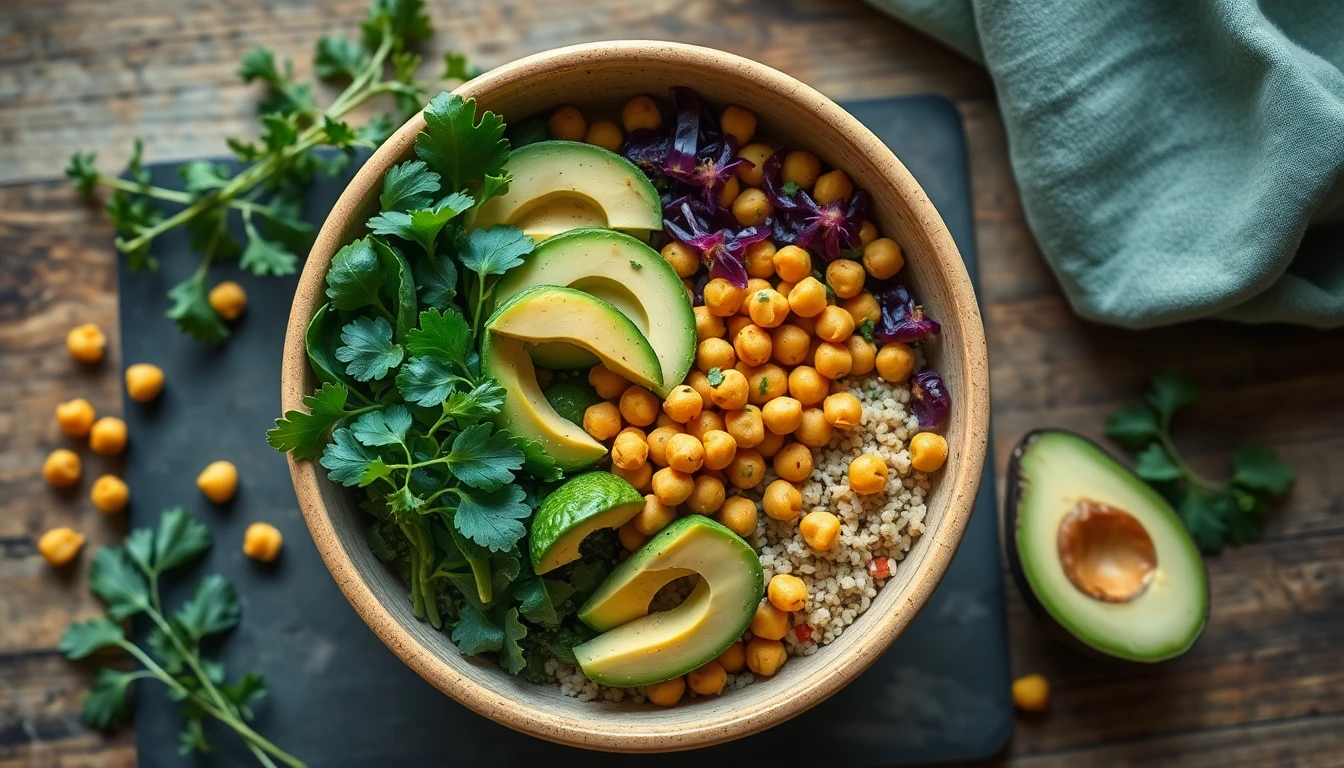
- Legumes — chickpeas, lentils, kidney beans, black beans (small amounts of canned lentils may be tolerated)
- Grains — wheat-based bread, pasta, and cereals, rye, barley
- Dairy — regular milk, yoghurt, soft cheeses, ice cream
- Sweeteners — honey, agave, high-fructose corn syrup, sorbitol, mannitol, xylitol
Phase Two: Systematic Reintroduction (8-12 Weeks)
Once your symptoms have settled, it's time to play detective. The reintroduction phase helps you identify which specific FODMAPs trigger your symptoms and at what dose. This is arguably the most important phase—without it, you're left guessing and potentially restricting foods you could actually tolerate.
You'll test one FODMAP group at a time, keeping the rest of your diet low FODMAP. Each test involves eating increasing amounts of a high-FODMAP food over three days, then returning to the elimination diet for three days to monitor symptoms.
How to Structure Your Reintroduction Tests
Follow this pattern for each FODMAP group:
- Day 1 — eat a small portion of the test food (e.g., half a slice of wheat bread for fructans)
- Day 2 — if no symptoms, increase to a medium portion (e.g., one slice)
- Day 3 — if still symptom-free, increase to a larger portion (e.g., two slices)
- Days 4-6 — return to strict low FODMAP eating and monitor for delayed symptoms
- Day 7 — if all clear, move to testing the next FODMAP group using a different food
Suggested Foods for Testing Each FODMAP
Keep a detailed symptom diary during this phase. Note not just whether you react, but how much of the food it took and what type of symptoms you experienced. Some people tolerate small amounts of a FODMAP but react to larger servings.
- Fructans — wheat bread, then later test onion or garlic separately
- GOS — cashews or canned chickpeas
- Lactose — cow's milk, then yoghurt
- Excess fructose — honey or mango
- Sorbitol — avocado or peaches
- Mannitol — mushrooms or cauliflower
Phase Three: Personalisation (Long-Term)
This phase is genuinely individual. Your personalised FODMAP diet will look different from someone else's, and that's exactly the point. The structure gives you the information you need to make informed choices rather than avoiding entire food groups indefinitely.
- Reintroduce tolerated FODMAPs fully — if lactose caused no issues, bring dairy back into your regular rotation
- Find your threshold for partial triggers — you might tolerate a quarter of an avocado but not a whole one
- Use low-FODMAP serving sizes — many foods are low FODMAP in small amounts but high in larger servings
- Experiment with preparation methods — sourdough fermentation reduces fructans in bread; canned legumes are often better tolerated than dried
- Allow flexibility — your tolerance may change with stress, hormones, or illness, so stay curious rather than rigid
Practical Low FODMAP Meal Ideas for Each Phase
Eating low FODMAP doesn't mean boring meals. Here are some starter ideas that work during the elimination phase and can be adapted as you personalise.
Breakfast Options
- Porridge with lactose-free milk — topped with blueberries, strawberries, and a sprinkle of pumpkin seeds
- Scrambled eggs with spinach and tomatoes — served on gluten-free toast with a scraping of butter
- Smoothie bowl — blend lactose-free yoghurt with banana, strawberries, and a handful of oats, topped with kiwi slices
- Rice cakes with peanut butter — and sliced banana (choose an unripe one during elimination)
Lunch and Dinner Ideas
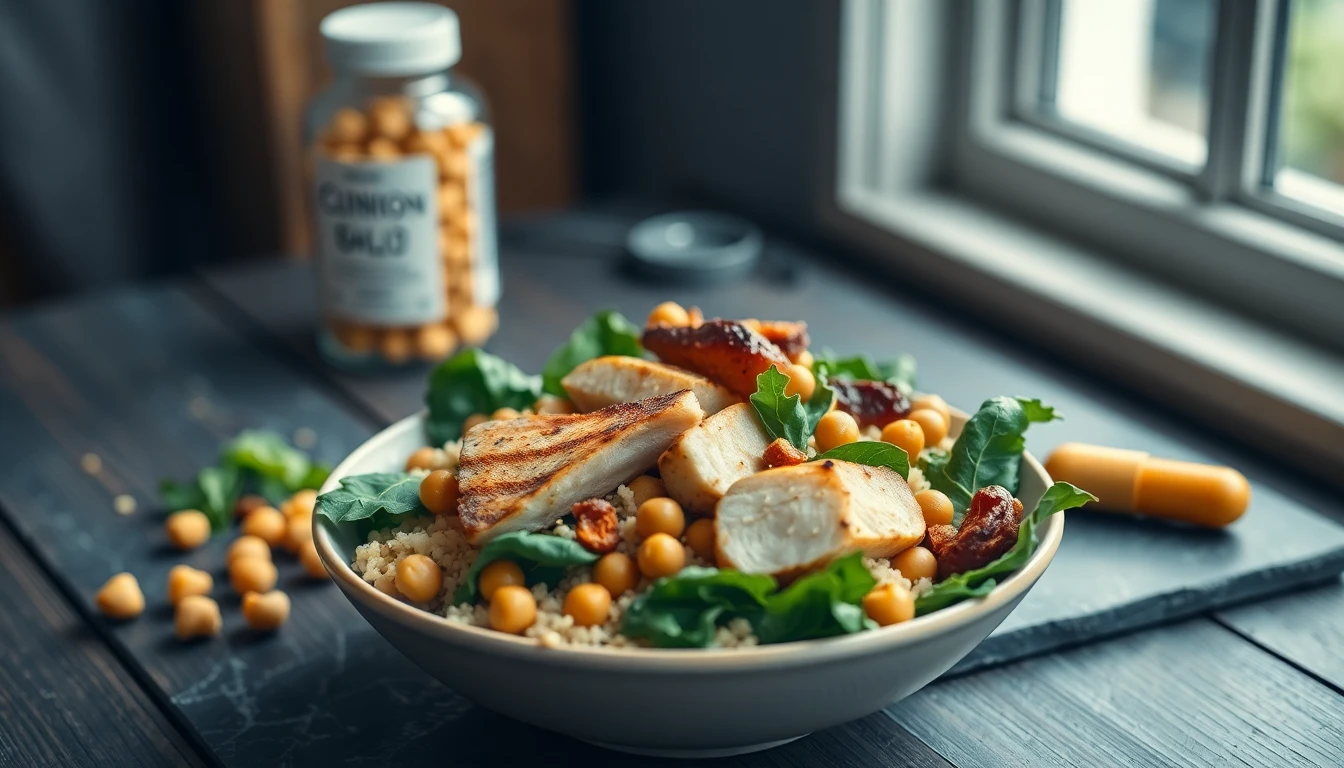
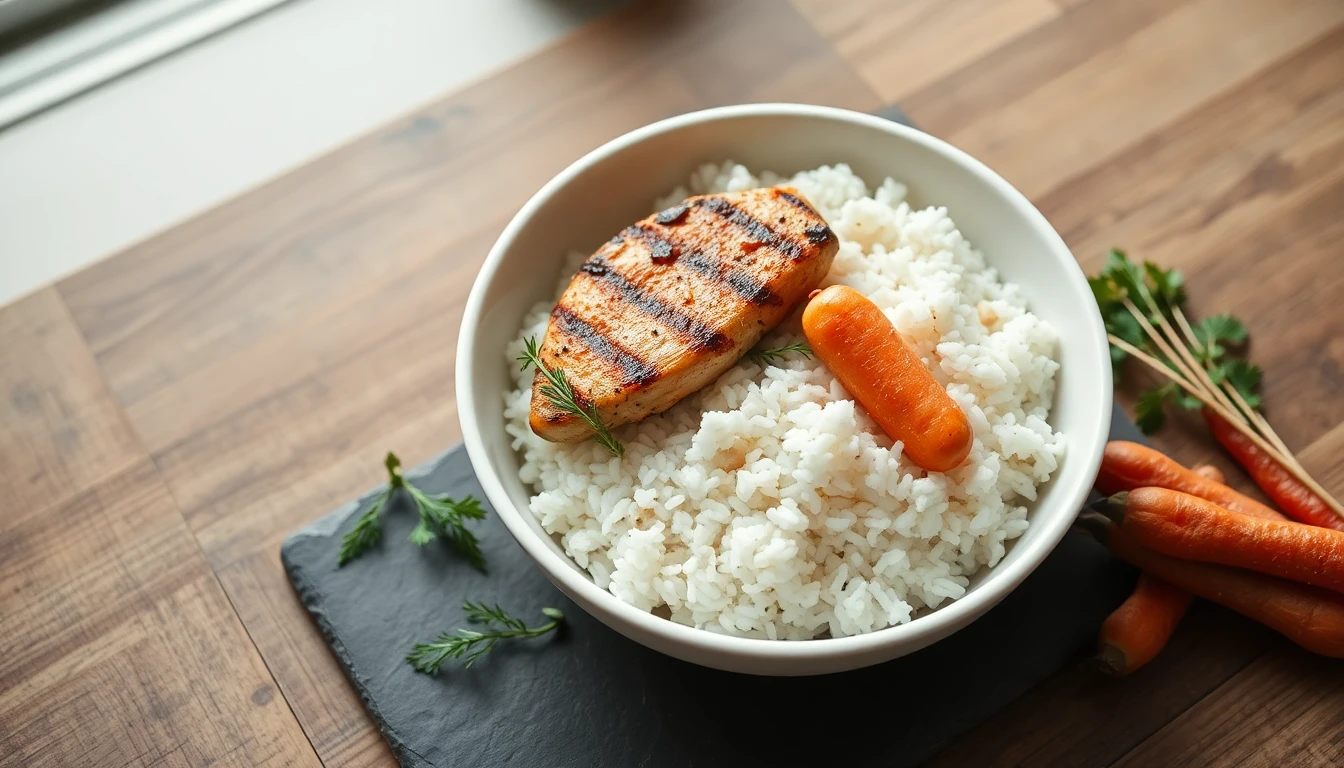
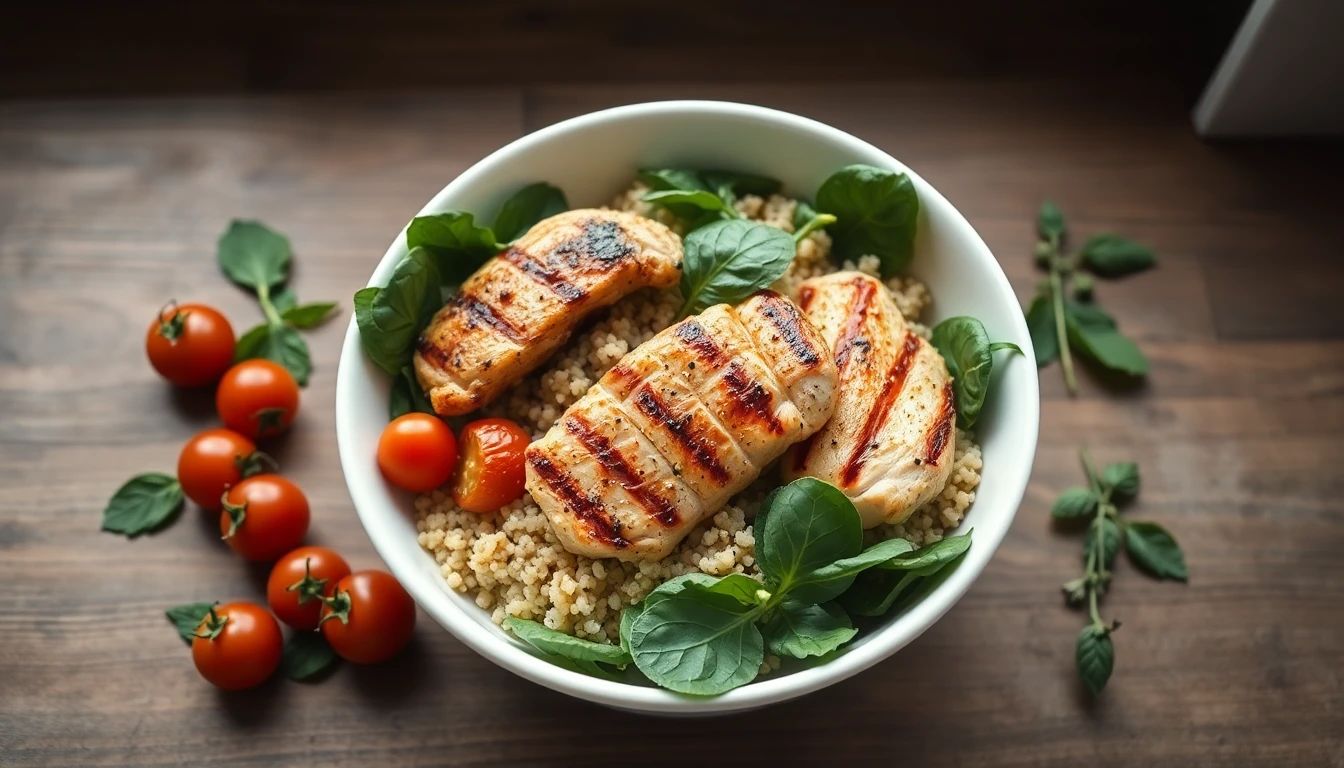
- Grilled chicken with quinoa and roasted vegetables — try courgettes, bell peppers, and carrots with garlic-infused oil
- Salmon fillet with new potatoes and green beans — finished with lemon juice and fresh dill
- Rice noodle stir-fry — with prawns, bok choy, carrots, bean sprouts, ginger, and tamari
- Turkey mince bolognese — made with tinned tomatoes, carrots, and courgettes, served over gluten-free pasta
- Baked white fish with polenta and sautéed spinach — seasoned with herbs and a drizzle of olive oil
- Tofu and vegetable curry — using coconut milk, ginger, turmeric, aubergine, and green beans, served with basmati rice
Snacks That Work
- Hard cheeses with gluten-free crackers — cheddar, brie, or parmesan are naturally low in lactose
- A small handful of walnuts or macadamias — limit to 10-15 nuts to keep FODMAP load low
- Rice cakes with lactose-free cream cheese — topped with cucumber slices
- Orange segments with a piece of dark chocolate — check the chocolate contains no high-FODMAP additives
- Homemade popcorn — lightly salted or with a drizzle of garlic-infused oil
Common Mistakes and How to Avoid Them
The low FODMAP diet has excellent evidence behind it, but it's easy to go wrong without proper guidance. Here are the pitfalls we see most often:
- Staying on elimination indefinitely — this phase is meant to be temporary. Prolonged restriction can reduce beneficial gut bacteria and make your diet unnecessarily limited
- Skipping the reintroduction phase — without testing, you'll never know what you actually tolerate, leaving you stuck on an overly restrictive diet
- Testing multiple FODMAPs at once — this makes it impossible to identify your specific triggers. Test one group at a time with clear rest days in between
- Not keeping a symptom diary — your memory won't serve you well. Write down what you ate, how much, and any symptoms with their severity and timing
- Going it alone without professional support — working with a registered dietitian trained in the low FODMAP diet significantly improves outcomes and prevents nutritional deficiencies
- Assuming all IBS is the same — the low FODMAP diet helps most people with IBS, but not everyone. If you don't see improvements after six weeks, speak to your GP about other approaches
Where FreshPlate Fits In
Keeping track of what you eat whilst working through a low FODMAP plan is genuinely fiddly, and it helps to have a little support around the edges. That's where FreshPlate can come in. For medical conditions the app steers rather than prescribes: recipes lean towards what public UK guidance (NHS, BDA) says suits the condition, and the app never claims to treat, prevent or cure anything. It doesn't plan low FODMAP phases or build low FODMAP meals for you, so the elimination, reintroduction and personalisation stages are best worked through with your dietitian or GP.
Every recipe has a For you tab that shows what was actually checked (allergens, diet and religious rules, with anything the app can't verify only ever noted, never ticked), a line on why the recipe suits your goal and conditions, and whether it fits what is left of your day. Recipes you keep go onto a shopping list, and onboarding asks about cultural and religious food preferences such as halal, kosher, Caribbean or South Asian, so recipes respect them.
Rather than carrying every detail in your head, you can let the app handle some of the everyday bits whilst your dietitian guides the diet itself. The low FODMAP diet for IBS is effective, but it shouldn't consume your life. Leaning on a bit of help with the rest can leave you more room to focus on feeling better.
Frequently asked questions
How long does the low FODMAP diet take to work for IBS?
+
Most people notice symptom improvements within 2-4 weeks of starting the elimination phase. However, the full process—including elimination, reintroduction, and personalisation—typically takes 3-4 months to identify your specific triggers and establish a sustainable eating pattern.
Can I stay on the low FODMAP elimination diet forever?
+
No, the elimination phase should only last 2-6 weeks. Staying on it long-term can reduce beneficial gut bacteria diversity and unnecessarily restrict your diet. The reintroduction phase is essential for identifying which FODMAPs you actually need to avoid.
Is the low FODMAP diet the same as gluten-free?
+
No. Whilst low FODMAP eating avoids wheat during elimination, it's because wheat contains fructans (a FODMAP), not gluten. Many people with IBS tolerate gluten-free grains, and some can reintroduce sourdough or small amounts of wheat after testing fructans during reintroduction.
Do I need to avoid garlic and onion forever on a low FODMAP diet?
+
Not necessarily. During elimination, yes—but many people find they can tolerate small amounts or specific preparations (like garlic-infused oil, where the FODMAPs don't transfer into the oil). You'll test your personal tolerance during the reintroduction phase.
Will the low FODMAP diet cure my IBS?
+
The low FODMAP diet manages IBS symptoms but doesn't cure the condition. It helps you identify food triggers so you can reduce symptoms through dietary choices. About 75% of people with IBS see significant improvement, though individual responses vary.
Sources
- NHS — Irritable bowel syndrome (IBS): Treatment overview including dietary approaches
- Monash University — The low FODMAP diet for IBS: Evidence base and implementation guidance
- British Dietetic Association — Food Fact Sheet on IBS and the low FODMAP diet
- NICE Guidelines — Irritable bowel syndrome in adults: Diagnosis and management (CG61)
Did this answer your question?
Reece reads every reply. Questions we have not covered become new guides.
The right foods make living with IBS easier.
Get our free IBS food guide by email — what to eat more of, what to limit, and simple meals that support you day to day. One genuinely useful email a week — no spam, unsubscribe anytime.
Free forever. You'll also be first in line for the FreshPlate app — with a free trial at launch.