PCOS Diet: What Actually Works According to the Evidence
Evidence-based nutrition for PCOS: managing insulin resistance, reducing inflammation, and practical meal strategies that support hormone balance.

By Reece Douglas · Founder, FreshPlate
Listen to this article
PCOS Diet: What Actually Works According to the Evidence
Polycystic ovary syndrome affects roughly 1 in 10 women of reproductive age, yet the dietary advice floating around ranges from vaguely helpful to outright contradictory. Some sources insist you must go low-carb or keto, others tout dairy-free or gluten-free approaches, and many simply suggest 'eating clean' without defining what that actually means for your hormone health.
The reality is more nuanced and, thankfully, more flexible than most headlines suggest. Whilst there's no single PCOS diet that works for everyone, decades of research have identified clear nutritional patterns that help manage the condition's root causes: insulin resistance and chronic low-grade inflammation. This article breaks down what the evidence actually says, moving beyond restriction towards practical strategies that support stable blood sugar, balanced hormones, and sustainable eating habits you can maintain long-term.
Understanding the insulin resistance connection in PCOS
Between 50% and 70% of women with PCOS have some degree of insulin resistance, regardless of their body weight. This means your cells don't respond efficiently to insulin, forcing your pancreas to produce more of it to keep blood sugar stable. The problem? Excess insulin signals your ovaries to produce more androgens (male hormones like testosterone), which drives many PCOS symptoms: irregular periods, acne, excess hair growth, and difficulty conceiving.
Insulin resistance also makes weight management harder and increases your risk of developing type 2 diabetes later in life. This is why the most effective PCOS diet strategies focus first on improving insulin sensitivity rather than simply cutting calories or eliminating entire food groups.
Why carbohydrate quality matters more than quantity
You don't need to avoid carbohydrates entirely, but the type and timing of carbs you eat significantly impacts insulin response. Research consistently shows that switching from refined to complex carbohydrates improves insulin sensitivity and hormone profiles in women with PCOS.
The goal is to choose carbohydrates that release glucose gradually, preventing the blood sugar spikes that trigger excessive insulin release.
- Whole grains — oats, quinoa, brown rice, and wholemeal bread provide fibre that slows digestion
- Pulses and legumes — lentils, chickpeas, and beans offer both complex carbs and protein
- Starchy vegetables — sweet potatoes, butternut squash, and parsnips with their fibre intact
- Fruits with skin — apples, pears, and berries provide antioxidants alongside natural sugars buffered by fibre
The protein and healthy fat buffer
Pairing carbohydrates with protein and healthy fats further blunts the insulin response. This isn't about strict macronutrient ratios, but rather ensuring each meal contains all three elements. A piece of wholemeal toast with avocado and an egg produces a completely different metabolic response than toast alone, even though the carbohydrate content is similar.
Anti-inflammatory foods for PCOS management
Women with PCOS typically have higher markers of chronic inflammation, which worsens insulin resistance and may contribute to difficulties with weight management and fertility. An anti-inflammatory eating pattern doesn't require exotic superfoods or expensive supplements—it's built around foods that have been staples of Mediterranean and traditional diets for centuries.
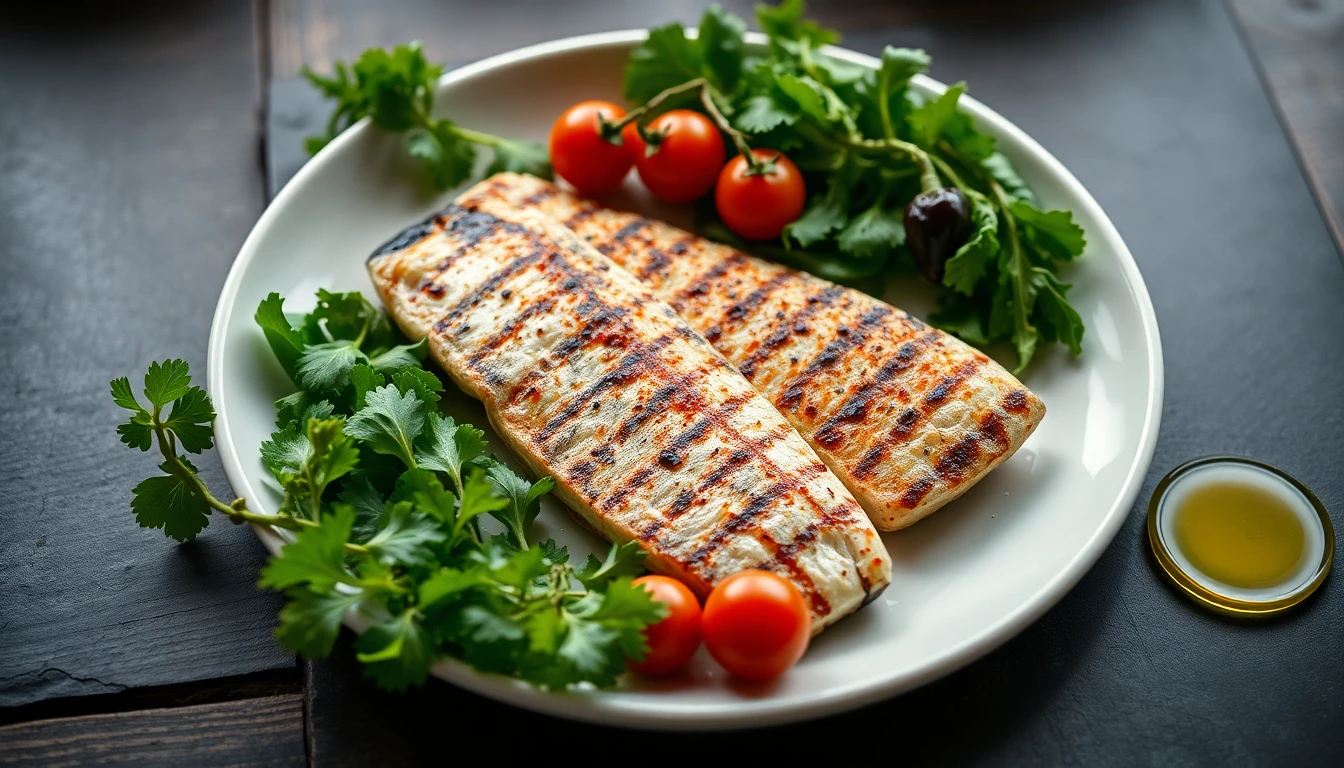
- Oily fish — salmon, mackerel, sardines, and anchovies provide omega-3 fatty acids that actively reduce inflammatory markers
- Colourful vegetables — particularly leafy greens, peppers, tomatoes, and cruciferous vegetables like broccoli and cauliflower
- Extra virgin olive oil — rich in polyphenols with demonstrated anti-inflammatory effects
- Nuts and seeds — walnuts, flaxseeds, chia seeds, and almonds offer both healthy fats and minerals like magnesium
- Herbs and spices — turmeric, ginger, cinnamon, and garlic contain compounds that modulate inflammation pathways
- Berries and cherries — high in anthocyanins and other antioxidants that combat oxidative stress
Foods to minimise rather than eliminate
Rather than creating long forbidden food lists, focus on reducing pro-inflammatory foods whilst building meals around the options above. The evidence suggests that frequent consumption of certain foods may worsen PCOS symptoms over time.
- Refined carbohydrates — white bread, pastries, sugary cereals, and processed snacks that spike blood sugar rapidly
- Added sugars — particularly in soft drinks, sweetened coffees, and ultra-processed foods
- Processed meats — bacon, sausages, and deli meats high in saturated fats and preservatives
- Trans fats — found in some margarines, fried foods, and commercial baked goods
The evidence for inositol supplementation
If you're considering inositol supplementation, it's worth discussing with your GP or a registered dietitian, particularly if you're taking metformin or other medications for PCOS, as they work through similar pathways.
- Wholegrains — brown rice, oats, and wheat bran contain modest amounts of inositol
- Citrus fruits — particularly oranges and grapefruits provide inositol alongside vitamin C
- Beans and legumes — chickpeas, kidney beans, and lentils offer both inositol and fibre
- Nuts — especially walnuts and almonds contribute to overall inositol intake
Practical PCOS meal patterns that work
Theory is helpful, but putting evidence into practice requires concrete meal ideas that fit into real life. The most sustainable PCOS diet approach focuses on consistent meal timing, balanced plates, and recipes you'll actually enjoy eating long-term.
Building a balanced PCOS plate
A simple framework for most meals: fill half your plate with non-starchy vegetables, a quarter with quality protein, and a quarter with complex carbohydrates. Add a serving of healthy fats through cooking oil, nuts, seeds, or avocado.
- Breakfast — Greek yoghurt with berries, ground flaxseed, and a handful of walnuts; or scrambled eggs with spinach, mushrooms, and wholegrain toast
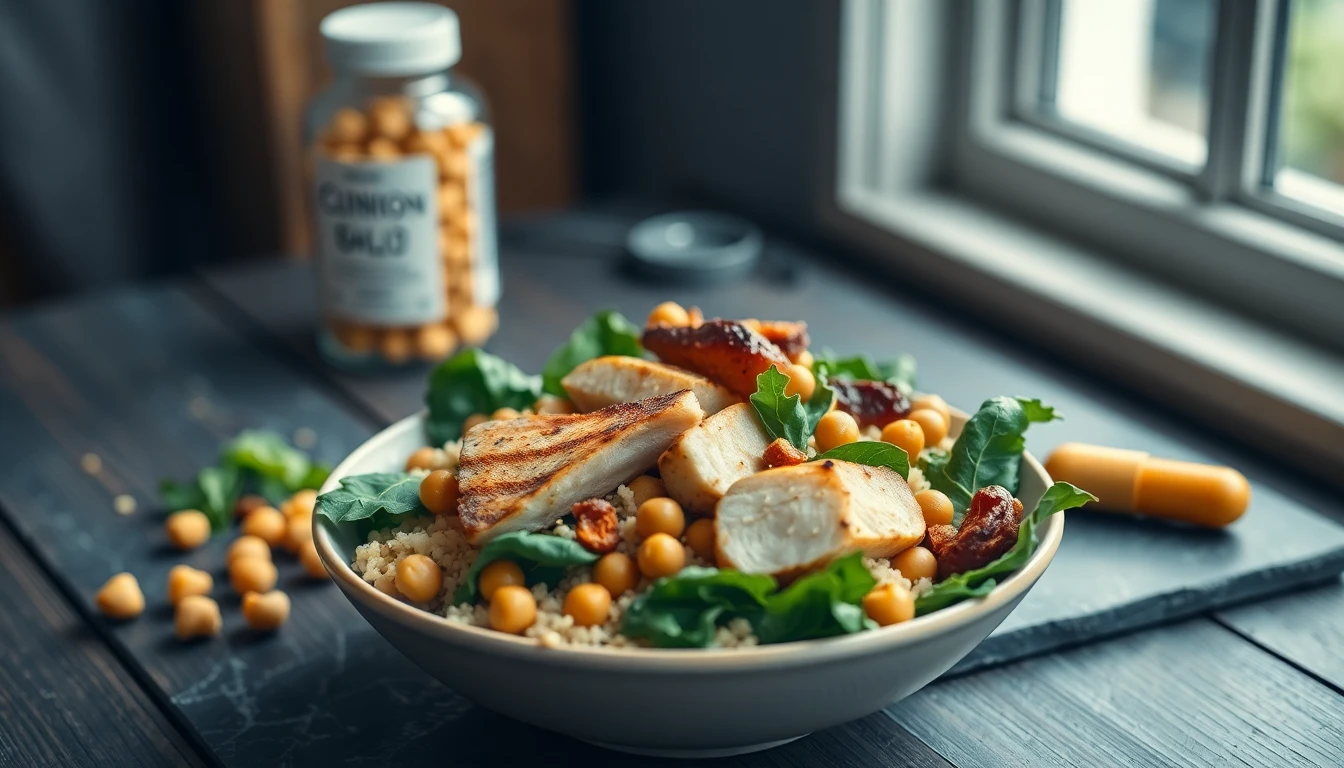
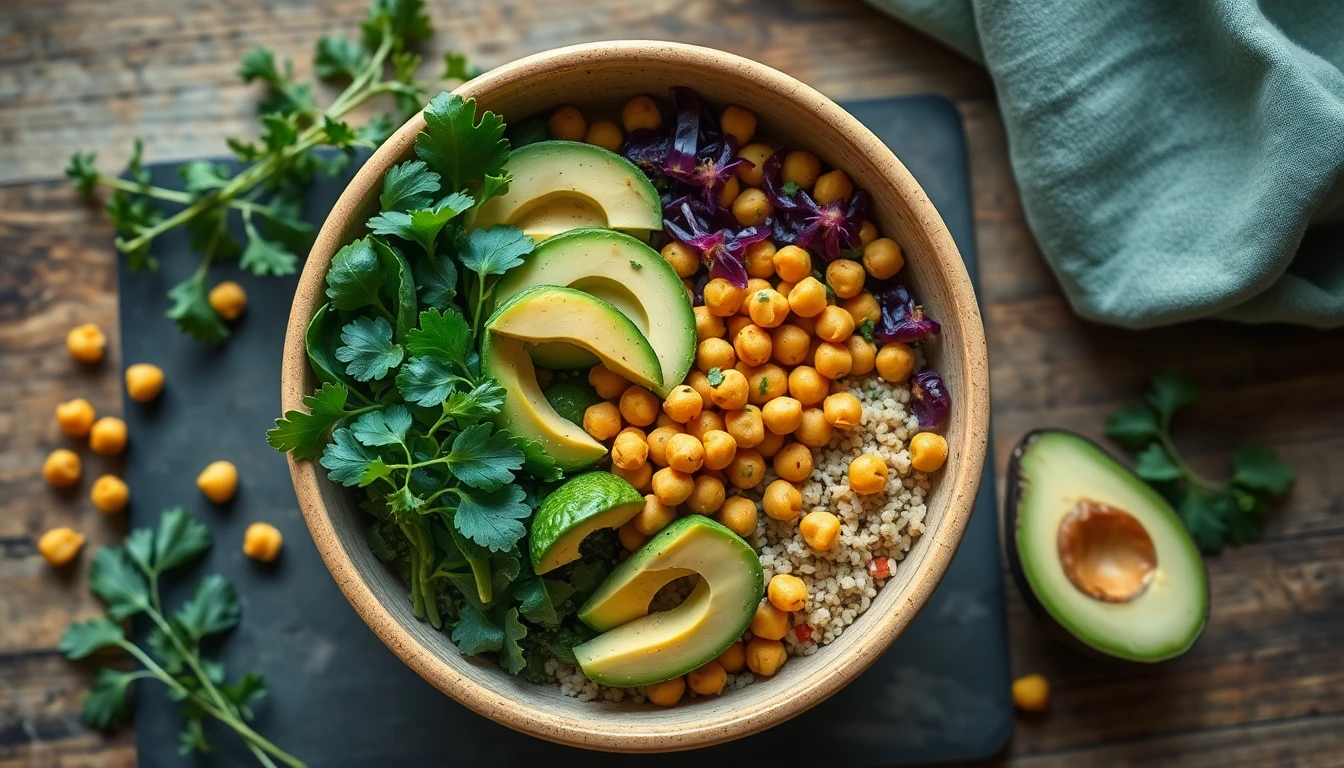
- Lunch — quinoa salad with roasted chickpeas, mixed leaves, cucumber, tomatoes, feta, and olive oil dressing; or lentil soup with a slice of seeded bread
- Dinner — baked salmon with roasted Mediterranean vegetables and brown rice; or chicken stir-fry with plenty of colourful vegetables and noodles made from buckwheat
- Snacks — apple slices with almond butter, vegetable sticks with hummus, or a small handful of nuts with a piece of fruit
Meal timing and frequency
Some women with PCOS find that eating at regular intervals (roughly every 3-4 hours) helps maintain stable blood sugar and energy levels throughout the day. Others do well with three substantial meals without snacks. There's limited evidence that intermittent fasting specifically benefits PCOS, and for some women it may increase stress hormones and worsen symptoms.
The key is consistency and listening to your body's hunger cues rather than following rigid rules. Skipping meals often leads to overeating later and creates the blood sugar volatility you're trying to avoid.
Beyond food: lifestyle factors that support your PCOS diet
These factors aren't separate from your PCOS diet—they're integral to how well your nutritional choices translate into symptom improvement and hormone balance.
- Regular movement — even moderate activity like brisk walking significantly improves insulin sensitivity, often more powerfully than diet changes alone
- Sleep quality — poor sleep worsens insulin resistance and increases cravings for refined carbohydrates the next day
- Stress management — chronic stress elevates cortisol, which interferes with insulin function and can worsen PCOS symptoms
- Adequate hydration — proper fluid intake supports metabolic function and helps you distinguish between hunger and thirst
How FreshPlate fits into your PCOS nutrition
Eating well with PCOS means juggling several things at once: your preferences, any other conditions, and any medications you take. FreshPlate helps by building every recipe around your own details, including your allergens, your food rules and your medication list.
For a condition like PCOS, the app steers rather than prescribes: recipes lean towards what public UK guidance (NHS, BDA) says suits the condition, and the app never claims to treat, prevent or cure anything. Each recipe also has a For you tab that shows what was actually checked for you (allergens, diet, religious rules), why the recipe suits your goal and conditions, and whether it fits what is left of your day. Fatal allergens are treated with zero tolerance, so a keyword filter checks every title and ingredient again after generation.
Rather than working it all out alone, you get recipes that reflect what you've told the app, with the reasoning shown on each one. If you have questions about your diet or medication, your GP, pharmacist or a registered dietitian is the right person to ask.
Frequently asked questions
Should I avoid dairy if I have PCOS?
+
There's no conclusive evidence that all women with PCOS need to eliminate dairy. Some research suggests that full-fat dairy may be better tolerated than low-fat versions. If you notice dairy worsens your symptoms, try removing it for 4-6 weeks and monitor changes, but blanket elimination isn't necessary for everyone.
Can I eat fruit if I have PCOS and insulin resistance?
+
Yes, whole fruits are absolutely fine for most women with PCOS. They contain fibre, vitamins, and antioxidants that support overall health. Focus on berries, apples, pears, and citrus fruits, and pair fruit with protein or healthy fats to further stabilise blood sugar response.
How long does it take to see improvements from a PCOS diet?
+
Many women notice improvements in energy levels and reduced bloating within 2-3 weeks. Changes in menstrual regularity, acne, and hormone markers typically take 2-3 months of consistent dietary changes. Weight changes, if relevant, tend to be gradual but more sustainable than with restrictive dieting.
Do I need to follow a low-carb or keto diet for PCOS?
+
Not necessarily. Whilst some women find lower-carb approaches helpful, research shows that the quality of carbohydrates matters more than the quantity for most people. A moderate intake of complex, fibre-rich carbohydrates paired with protein and healthy fats is effective and more sustainable long-term.
Is intermittent fasting good for PCOS?
+
The evidence is mixed. Some women with PCOS find intermittent fasting helpful for insulin sensitivity, whilst others experience worsened symptoms, increased cortisol, and disrupted menstrual cycles. Regular, balanced meals at consistent times is generally a safer starting approach.
Sources
Did this answer your question?
Reece reads every reply. Questions we have not covered become new guides.
The right foods make living with PCOS easier.
Get our free PCOS food guide by email — what to eat more of, what to limit, and simple meals that support you day to day. One genuinely useful email a week — no spam, unsubscribe anytime.
Free forever. You'll also be first in line for the FreshPlate app — with a free trial at launch.