Gallstones Diet: What to Eat for Prevention & Recovery
Evidence-based guidance on managing fat intake, supporting bile health, and eating well after gallbladder surgery to prevent and recover from gallstones.

By Reece Douglas · Founder, FreshPlate
Listen to this article
Gallstones Diet: What to Eat for Prevention & Recovery
Gallstones affect around one in ten adults in the UK, forming when bile—the digestive fluid stored in your gallbladder—becomes imbalanced. Whilst some people never experience symptoms, others face severe pain that may require surgery. Whether you're trying to prevent gallstones, manage existing ones, or recover after gallbladder removal, your diet plays a crucial role in supporting bile health and digestive comfort.
The relationship between food and gallstones isn't simply about cutting all fat. It's about choosing the right types of fat, eating at regular intervals to keep bile flowing, and supporting your liver's natural detoxification processes. This guide explores evidence-based nutritional strategies for every stage of gallstone management—from prevention through to post-surgical recovery.
Understanding Gallstones and Your Diet
Gallstones form when substances in bile—primarily cholesterol or bilirubin—crystallise and harden. Your gallbladder normally stores and concentrates bile produced by your liver, releasing it when you eat fatty foods to help digest fats. When bile composition becomes unbalanced or the gallbladder doesn't empty properly, stones can develop.
Diet influences gallstone formation in several ways. Eating patterns that cause bile to become too concentrated, very low-fat diets that prevent regular gallbladder emptying, rapid weight loss, and diets high in refined carbohydrates and low in fibre all increase risk. Conversely, certain dietary patterns can promote healthy bile flow and composition.
Risk Factors Connected to Diet
Several dietary and lifestyle factors increase gallstone risk:
- Obesity — excess body weight increases cholesterol secretion into bile, particularly in women
- Rapid weight loss — losing more than 1.5kg per week can trigger stone formation as the liver secretes extra cholesterol
- Prolonged fasting — skipping meals prevents gallbladder emptying, allowing bile to become concentrated
- Very low-fat diets — insufficient dietary fat means the gallbladder doesn't contract regularly
- High refined carbohydrate intake — increases insulin resistance and alters bile composition
- Low fibre intake — reduces bile acid excretion and increases cholesterol saturation
Fat Intake Management for Gallstones
Managing fat intake doesn't mean eliminating it entirely. Your body needs dietary fat for hormone production, vitamin absorption, and gallbladder function. The key is choosing the right types and amounts whilst avoiding the extreme highs and lows that stress your digestive system.
Choosing Healthy Fats
Focus on anti-inflammatory fats that support overall health without overwhelming your gallbladder:
- Extra virgin olive oil — use as your primary cooking fat, rich in oleic acid which may reduce gallstone risk
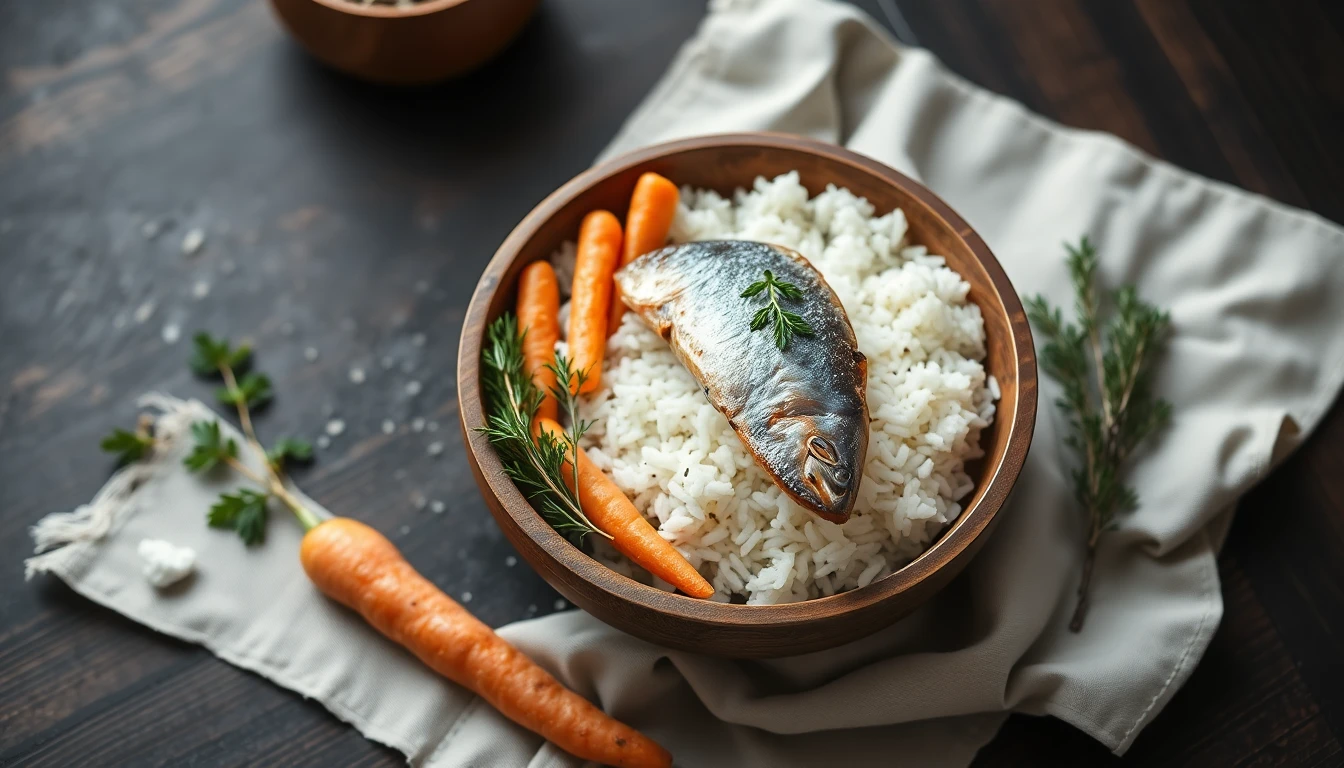
- Oily fish — salmon, mackerel, sardines provide omega-3 fatty acids with anti-inflammatory properties
- Avocados — contain heart-healthy monounsaturated fats and are generally well-tolerated
- Nuts and seeds — small portions of almonds, walnuts, and flaxseeds provide essential fatty acids and fibre
- Omega-3 supplements — if fish intake is limited, consider supplements after consulting your GP
Fats to Limit or Avoid
Certain fats place extra strain on gallbladder function and may trigger symptoms:
- Saturated fats — limit butter, cream, fatty cuts of meat, and full-fat dairy
- Trans fats — avoid processed baked goods, some margarines, and fried fast food
- Large portions of any fat — even healthy fats should be eaten in moderate amounts throughout the day
- Fried foods — particularly deep-fried items that absorb large amounts of oil
- Processed meats — sausages, bacon, and salami are typically high in saturated fat
Practical Portion Guidance
Rather than counting fat grams obsessively, aim for 25-30% of your daily calories from fat, distributed across three main meals. This typically means including one tablespoon of olive oil in cooking, a palm-sized portion of oily fish or lean protein, and a small handful of nuts. Spreading fat intake throughout the day encourages regular gallbladder contraction and bile flow, which helps prevent bile from becoming overly concentrated.
Supporting Bile Health Through Nutrition
Beyond fat management, several nutrients and eating patterns directly influence bile composition and flow. Building these into your daily routine can reduce gallstone risk and support comfortable digestion.
Fibre for Bile Acid Binding
Dietary fibre, particularly soluble fibre, binds to bile acids in your intestine and promotes their excretion. This encourages your liver to convert more cholesterol into bile acids, potentially reducing cholesterol saturation in bile. Aim for 30g of fibre daily from varied sources:
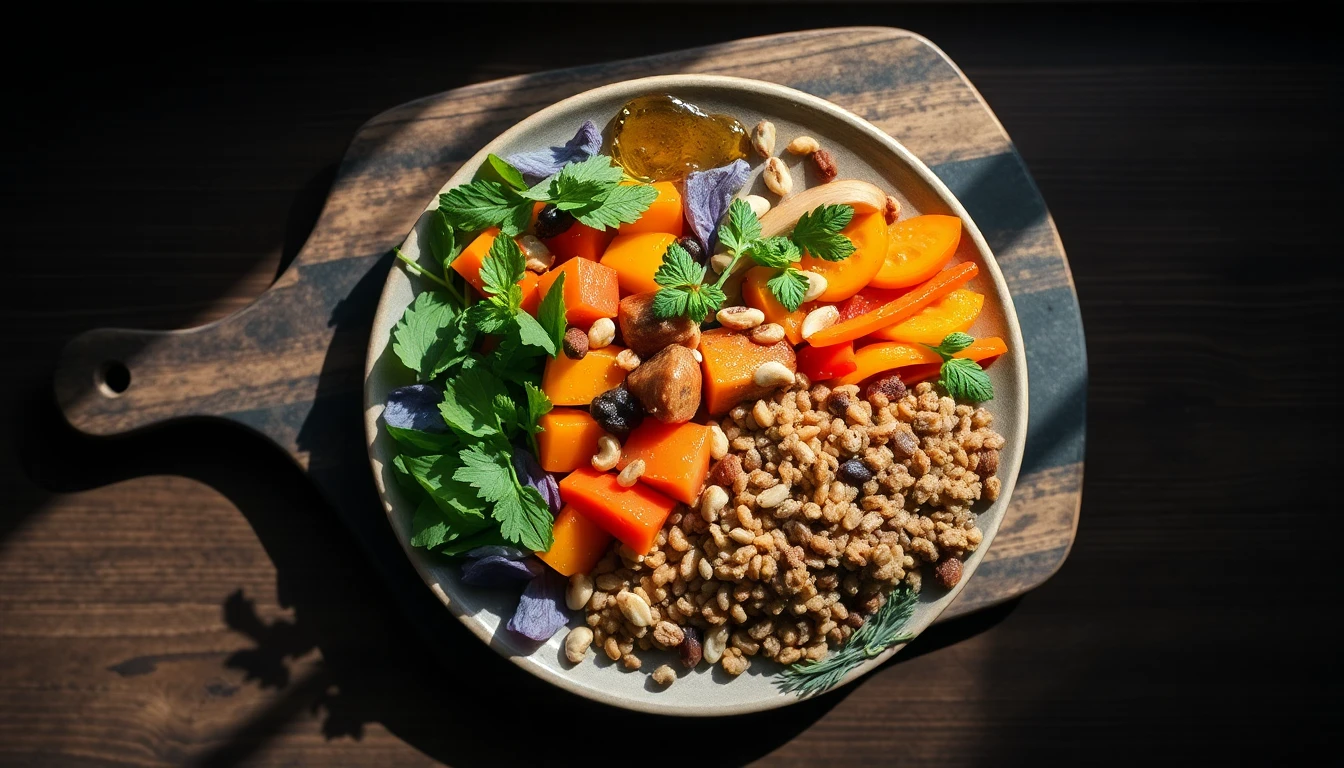
- Oats and barley — excellent sources of beta-glucan, a soluble fibre that binds bile acids
- Legumes — beans, lentils, and chickpeas provide both soluble and insoluble fibre
- Vegetables — particularly Brussels sprouts, broccoli, and carrots
- Fruits — apples, pears, berries, and citrus fruits contain pectin and other beneficial fibres
- Wholegrains — brown rice, wholemeal bread, and quinoa support digestive regularity
Vitamin C and Antioxidants
Research suggests adequate vitamin C intake may lower gallstone risk by converting cholesterol to bile acids more efficiently. Antioxidants from colourful plant foods also reduce inflammation and oxidative stress that can contribute to stone formation. Include vitamin C-rich foods daily: peppers, citrus fruits, kiwi, strawberries, tomatoes, and dark leafy greens.
Magnesium-Rich Foods
Magnesium appears to influence bile composition and gallbladder motility. Good dietary sources include spinach, pumpkin seeds, almonds, black beans, dark chocolate (in small amounts), and wholegrains. Whilst supplements are available, obtaining magnesium from food provides additional nutrients that work synergistically.
Hydration and Regular Meals
Adequate fluid intake helps maintain bile fluidity, whilst eating at regular intervals—ideally three meals daily—stimulates gallbladder contraction and prevents bile stagnation. Skipping breakfast or going long periods without eating allows bile to become concentrated, increasing stone formation risk.
Post-Surgery Diet After Gallbladder Removal
Cholecystectomy—surgical removal of the gallbladder—is common treatment for symptomatic gallstones. Without a gallbladder to store bile, your liver releases it continuously in smaller amounts directly into your intestine. This changes how your body processes dietary fat, particularly in the weeks and months following surgery.
Immediate Post-Operative Phase (First 2-4 Weeks)
Initially, your digestive system needs time to adapt to continuous bile flow. Start with a lower-fat diet and gradually reintroduce foods:
- Small, frequent meals — eat five to six smaller portions rather than three large meals
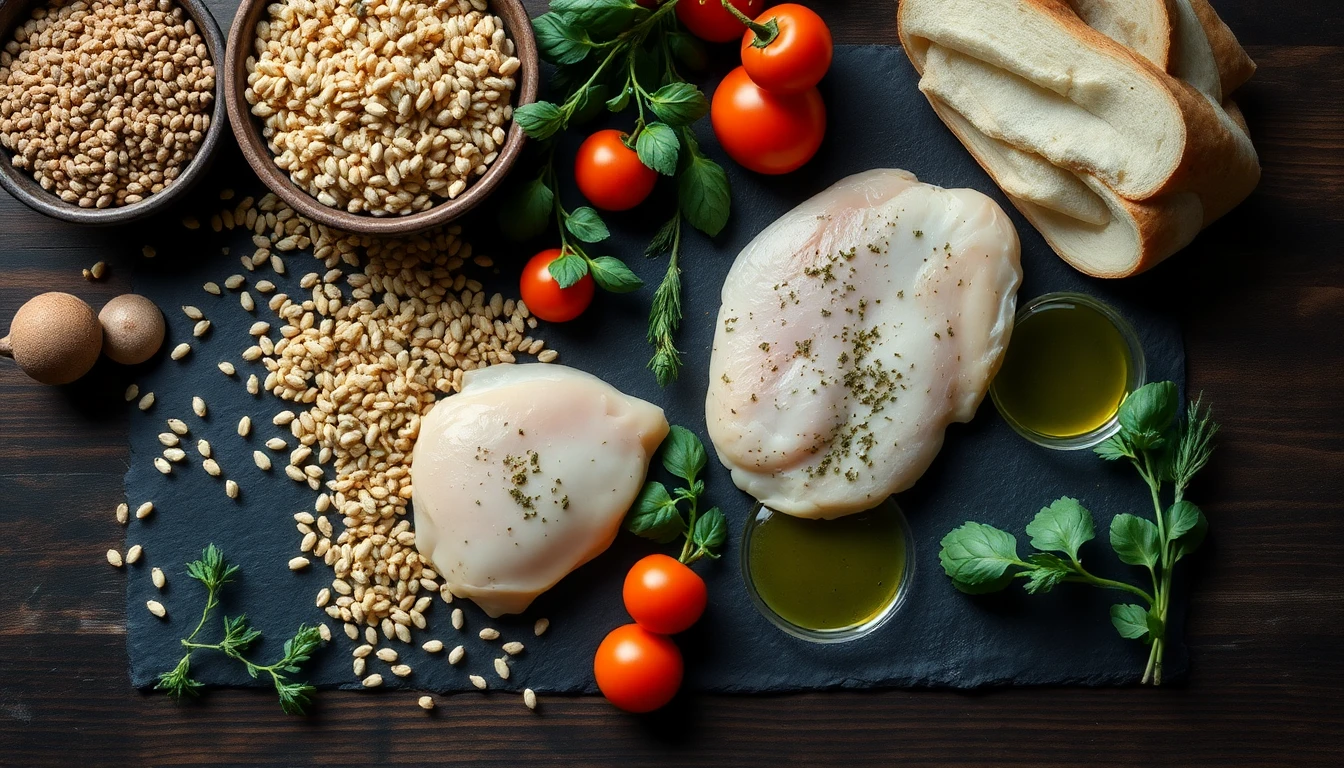
- Lean proteins — skinless chicken, white fish, turkey, eggs, and low-fat dairy
- Easily digestible carbohydrates — white rice, white pasta, white bread initially, then transition to wholegrains
- Cooked vegetables — steamed or roasted rather than raw, which are gentler on digestion
- Limited fat per meal — aim for no more than 3-5g fat per meal initially
- Clear fluids — water, herbal teas, and diluted fruit juice to maintain hydration
Gradual Reintroduction Phase (Weeks 4-12)
As your body adapts, slowly increase fat intake and dietary variety. This process is highly individual—some people tolerate a normal diet within weeks, whilst others need several months. Keep a food diary to identify any triggers for digestive discomfort such as diarrhoea, bloating, or cramping.
- Increase healthy fats gradually — add an extra teaspoon of olive oil or a few more nuts each week
- Reintroduce wholegrains — the fibre supports digestive regularity and prevents constipation from pain medication
- Test problem foods individually — try one potentially troublesome food every few days to identify specific intolerances
- Monitor portion sizes — even healthy foods can cause symptoms in large quantities
- Consider digestive enzymes — discuss with your GP if fat digestion remains problematic
Long-Term Dietary Approach
Most people eventually return to a normal, varied diet. However, some individuals continue experiencing digestive sensitivity, particularly to high-fat meals, spicy foods, caffeine, or dairy. Long-term success typically involves maintaining regular meal timing, choosing predominantly healthy fats, and eating mindfully to recognise your body's signals. Some people benefit from ongoing probiotic supplementation to support gut health, though evidence is still emerging.
Prevention Strategies for Gallstone Formation
Prevention is always preferable to treatment. If you have risk factors for gallstones—family history, obesity, diabetes, or previous rapid weight loss—adopting protective dietary habits now can significantly reduce your likelihood of developing symptomatic stones.
Maintain a Healthy Weight Gradually
If weight loss is appropriate, aim for slow, steady progress of 0.5-1kg per week. Rapid weight loss programmes and very low-calorie diets dramatically increase gallstone risk. Include moderate amounts of healthy fat in your weight loss plan to ensure regular gallbladder emptying. Crash diets and prolonged fasting should be avoided entirely.
Choose an Anti-Inflammatory Dietary Pattern
The Mediterranean diet—rich in vegetables, fruits, wholegrains, legumes, fish, and olive oil—has been associated with lower gallstone risk. This pattern provides anti-inflammatory fats, abundant fibre, and antioxidants whilst limiting refined carbohydrates and processed foods. Research suggests vegetarian diets may also offer protection, though adequate protein and healthy fats remain important.
Limit Refined Carbohydrates and Added Sugars
High intake of refined carbohydrates and sugars increases insulin resistance and may alter bile composition unfavorably. Choose wholegrains over white flour products, limit sugary drinks and sweets, and focus on complex carbohydrates paired with protein and healthy fats to stabilise blood sugar.
Regular Physical Activity
Whilst not strictly dietary, physical activity deserves mention as it influences bile composition and gallbladder function. Regular moderate exercise—at least 150 minutes weekly—helps maintain healthy weight, improves insulin sensitivity, and may reduce gallstone risk by up to 30%. Combine movement with the dietary strategies above for optimal prevention.
How FreshPlate Supports You with Gallstones
Managing a gallstones diet, whether for prevention, active stones, or recovery after surgery, takes careful attention to fat content, meal timing, and what you personally tolerate. Working out fat grams, planning regular meals, and finding suitable recipes can feel overwhelming, particularly when you're also managing other health conditions or medications.
FreshPlate steers rather than prescribes. For a medical condition, recipes lean towards what public UK guidance (the NHS and the British Dietetic Association) says suits it, and the app never claims to treat, prevent or cure anything. Every recipe has a For you tab that shows what was actually checked for you (allergens, diet and religious rules), a line on why the recipe suits your goal and conditions, and whether it fits what is left of your day. Anything the app cannot verify is only ever noted, never ticked.
Every recipe the app generates is built around your own medication list, and the For you tab lists your medicines. Meals can also be logged by photo, barcode or search, and recipes you keep go onto a shopping list. Gallstone diets often come with advice from your GP or dietitian, so keep following that, and let FreshPlate help with the everyday planning and cooking.
Frequently asked questions
Can you eat eggs if you have gallstones?
+
Yes, eggs can be part of a gallstones diet for most people, as one large egg contains about 5g of fat—a moderate amount. However, individual tolerance varies, and some people find eggs trigger symptoms. Poaching or boiling eggs rather than frying them in butter helps keep total fat content manageable.
What foods dissolve gallstones naturally?
+
No food can dissolve existing gallstones. However, diets high in fibre, healthy fats like olive oil, vitamin C-rich foods, and regular meals may help prevent new stones from forming by supporting healthy bile composition and flow. Medical treatment or surgery remains necessary for symptomatic gallstones.
How long does it take to digest food without a gallbladder?
+
Digestion timing doesn't fundamentally change after gallbladder removal, but fat digestion may be less efficient initially. Your liver continues producing bile, just releasing it continuously rather than in concentrated amounts. Most people adapt within a few weeks to months, though some experience ongoing fat sensitivity.
Is coffee bad for gallstones?
+
Research actually suggests moderate coffee consumption (2-3 cups daily) may reduce gallstone risk, possibly by stimulating gallbladder contraction. However, some people find coffee triggers digestive symptoms, particularly after gallbladder surgery. Monitor your individual response and choose decaffeinated if regular coffee causes discomfort.
Can losing weight too quickly cause gallstones?
+
Yes, losing more than 1.5kg per week significantly increases gallstone risk. Rapid weight loss causes the liver to secrete extra cholesterol into bile whilst reduced food intake means the gallbladder empties less frequently, creating ideal conditions for stone formation. Aim for gradual weight loss of 0.5-1kg weekly with adequate healthy fats included.
Sources
Did this answer your question?
Reece reads every reply. Questions we have not covered become new guides.
The right foods make living with gallstones easier.
Get our free gallstones food guide by email — what to eat more of, what to limit, and simple meals that support you day to day. One genuinely useful email a week — no spam, unsubscribe anytime.
Free forever. You'll also be first in line for the FreshPlate app — with a free trial at launch.