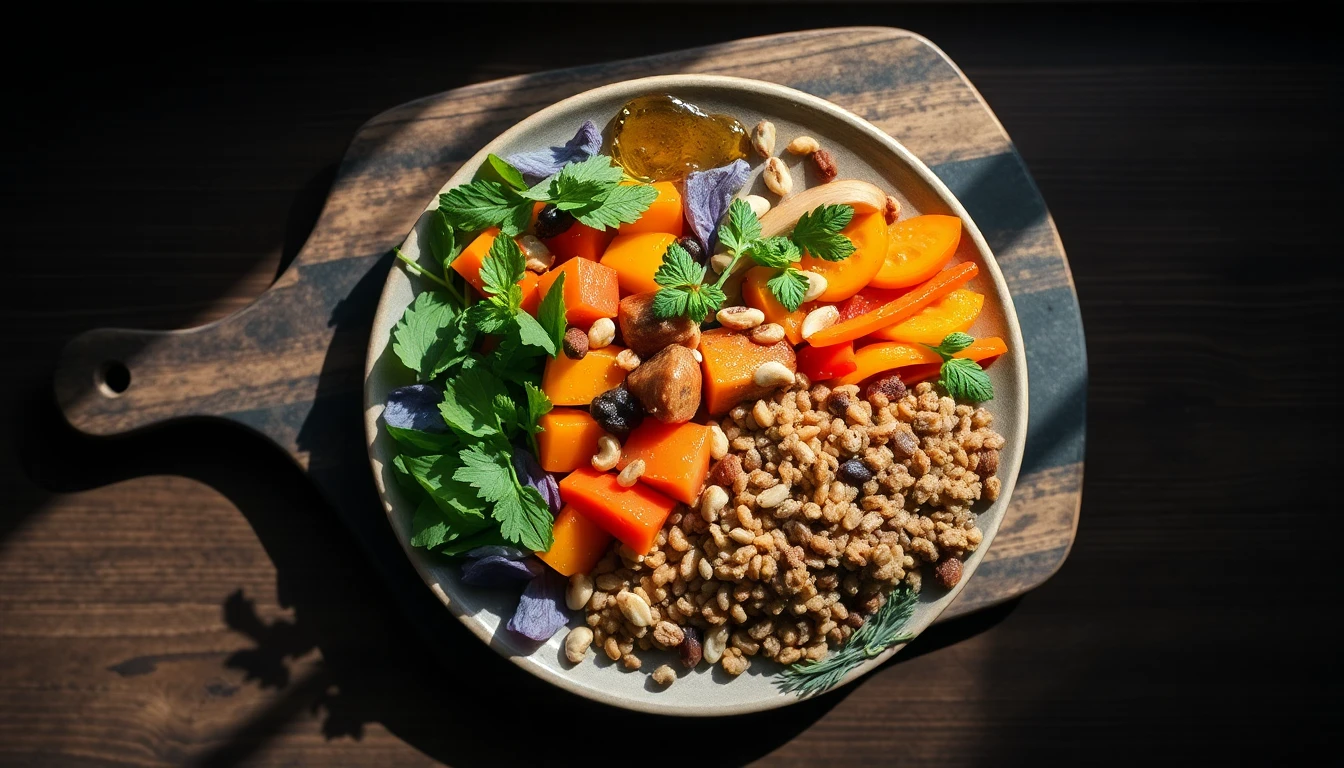
Uric Acid Lowering Foods to Prevent Kidney Stones
Discover which foods lower uric acid levels naturally to help prevent kidney stones. Science-backed nutrition advice on hydration, alkaline foods, and more.

By Reece Douglas · Founder, FreshPlate

Listen to this article
Uric Acid Lowering Foods to Prevent Kidney Stones
Kidney stones rank among the most painful conditions you can experience, and uric acid stones account for around 10% of all kidney stone cases. Unlike the more common calcium stones, uric acid kidney stones form when your urine becomes too acidic and concentrated, allowing uric acid crystals to precipitate and clump together. The good news? Diet plays a remarkably powerful role in both prevention and management.
Whilst uric acid elevation is often associated with gout, the dietary approach for preventing kidney stones has some important differences. This guide focuses specifically on foods that lower uric acid levels and create an environment in your urinary tract that discourages stone formation. Whether you've had a kidney stone before or simply want to reduce your risk, understanding which foods to embrace and which to limit can make a meaningful difference to your renal health.
Understanding Uric Acid and Kidney Stone Formation
Uric acid is a natural waste product created when your body breaks down purines—compounds found in certain foods and produced by your cells. Normally, uric acid dissolves in blood, passes through your kidneys, and exits via urine. Problems arise when either too much uric acid is produced, your kidneys cannot eliminate enough, or your urine becomes too acidic.
When urine pH drops below 5.5 (becoming more acidic), uric acid crystals can form and gradually build into stones. These stones may be as small as a grain of sand or grow large enough to block urinary passages. Risk factors include chronic dehydration, obesity, metabolic syndrome, high-protein diets, and certain medications including some diuretics.
Who's Most at Risk?
Certain groups face higher risk of developing uric acid kidney stones. Men are affected roughly twice as often as women, with peak incidence between ages 40 and 50. People with type 2 diabetes or insulin resistance often produce more acidic urine, significantly increasing stone risk. Those who've had kidney stones previously face a 50% chance of recurrence within five years without dietary modification.
Best Uric Acid Lowering Foods for Kidney Stone Prevention
Strategic food choices can help lower uric acid levels and alkalinise your urine, creating conditions that discourage stone formation. These foods work through various mechanisms: some reduce uric acid production, others help excrete it more efficiently, and many raise urine pH to keep uric acid dissolved.
Citrus Fruits and Alkalising Foods
Despite tasting acidic, citrus fruits have an alkalising effect once metabolised. The citrate they contain is particularly valuable because it binds to calcium in urine and inhibits crystal formation whilst also making urine less acidic.
- Lemons and limes — exceptionally high in citrate; add fresh juice to water throughout the day
- Oranges and grapefruits — provide both citrate and fluid; aim for fresh fruit rather than juice to retain fibre
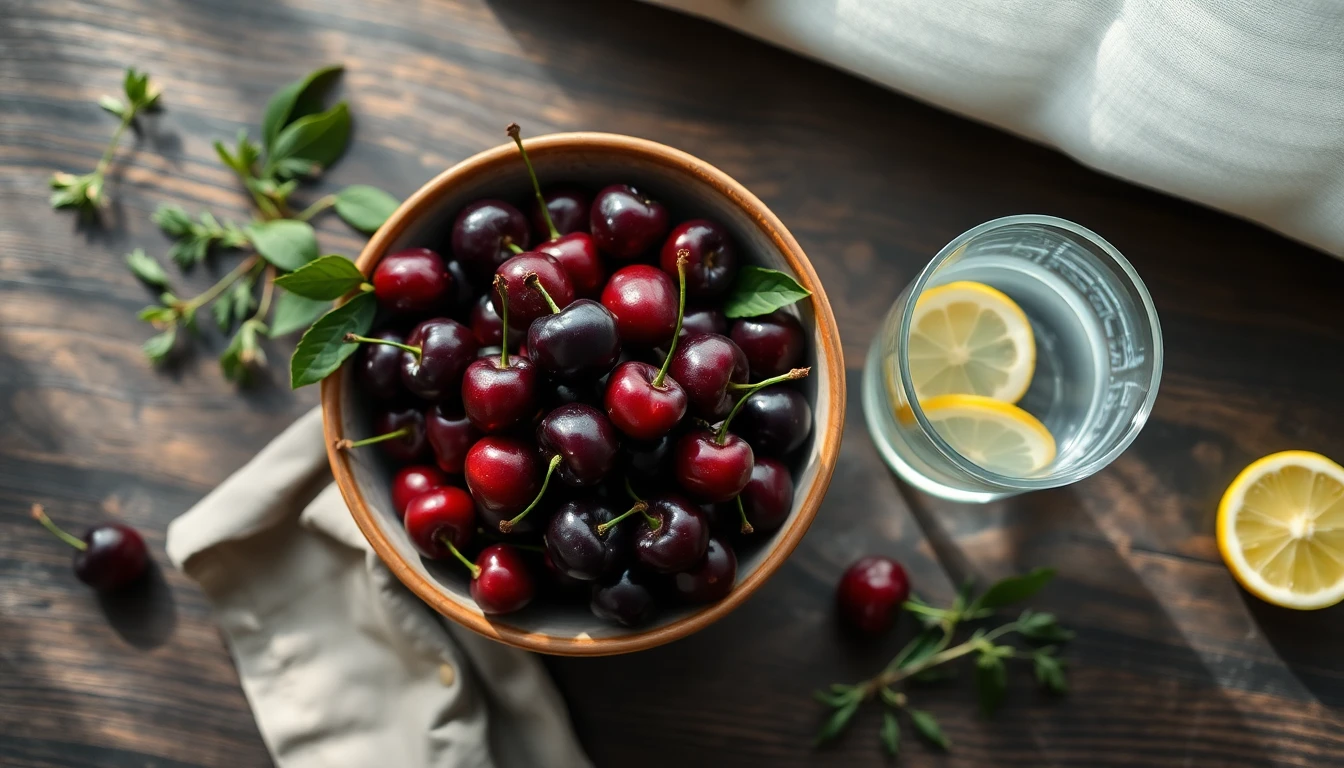
- Cherries — contain anthocyanins that may reduce uric acid levels and inflammation; fresh or tart cherry juice both beneficial
- Berries — strawberries, blueberries, and raspberries offer antioxidants without excessive fructose
Vegetables and Plant-Based Proteins
Vegetables generally create an alkaline environment and contain minimal purines compared to animal proteins. Even higher-purine vegetables like spinach and asparagus don't appear to increase kidney stone risk the way high-purine meats do.
- Leafy greens — kale, chard, and rocket provide magnesium and potassium that support kidney function
- Beetroot — rich in betaine, which helps alkalize urine naturally
- Celery — high water content aids hydration whilst providing beneficial plant compounds
- Bell peppers — vitamin C content without the oxalate load of some other vegetables
- Legumes and lentils — provide plant protein with less impact on uric acid than meat proteins
Low-Fat Dairy Products
Research consistently shows that low-fat dairy consumption is associated with lower uric acid levels. Dairy proteins may promote uric acid excretion through urine whilst providing beneficial nutrients.
- Skimmed or semi-skimmed milk — protein content helps lower uric acid without added saturated fat
- Natural yoghurt — contains probiotics that may support overall metabolic health
- Low-fat cheese — provides calcium and protein; choose varieties like cottage cheese or ricotta
- Kefir — fermented dairy offers probiotics plus the uric-acid-lowering benefits of milk proteins
Foods and Drinks to Limit or Avoid
Certain dietary patterns significantly increase uric acid production or create more acidic urine conditions. Being mindful of these doesn't mean complete elimination in most cases, but rather moderation and awareness of your individual tolerance.
- Red meat and organ meats — beef, lamb, liver, and kidneys are exceptionally high in purines; limit to small portions 1-2 times weekly at most
- Certain seafood — anchovies, sardines, mussels, and scallops contain high purine levels; moderate-purine fish like salmon and trout are better choices
- Alcohol, especially beer — beer contains both purines and compounds that reduce uric acid excretion; spirits and wine in moderation have less impact
- Sugary drinks and high-fructose corn syrup — fructose increases uric acid production; avoid fizzy drinks, fruit juices with added sugar, and processed foods containing HFCS
- Refined carbohydrates — white bread, pastries, and sugary snacks can worsen insulin resistance and increase urinary acidity
- Excessive salt — high sodium intake increases calcium excretion in urine and may worsen stone risk; aim for under 6g daily
The Protein Consideration
High protein intake, particularly from animal sources, increases both uric acid production and urinary acidity. This doesn't mean protein is harmful—it's essential for health—but balance matters. The typical Western diet often provides far more protein than needed, especially from red meat. Aim for around 0.8-1.0g of protein per kilogram of body weight daily, with a substantial portion from plant sources. If you're particularly active or have higher protein needs, spread intake throughout the day and ensure adequate hydration.
Hydration: Your First Line of Defence
Whilst not technically a food, adequate fluid intake deserves emphasis as the single most important dietary factor in preventing uric acid kidney stones. Proper hydration dilutes urine, reducing uric acid concentration and making crystal formation less likely.
Aim to drink enough fluid to produce at least 2.5 litres of urine daily—this typically requires 3-4 litres of total fluid intake for most adults, though individual needs vary based on climate, activity level, and body size. Your urine should be pale yellow; if it's dark or concentrated, you need more fluids.
- Water — the gold standard; keep a reusable bottle with you and sip throughout the day
- Herbal teas — chamomile, peppermint, and nettle tea contribute to fluid intake without caffeine
- Lemon water — adds beneficial citrate whilst encouraging increased fluid consumption
- Diluted fruit juice — provides some nutrients but dilute to reduce sugar concentration; one part juice to three parts water
- Water-rich foods — cucumber, watermelon, courgette, and tomatoes contribute to overall hydration
Timing Your Fluid Intake
Distribution of fluids throughout the day matters as much as total volume. Uric acid concentration peaks overnight when you're not drinking, making morning stone formation more likely. Have a glass of water before bed and another if you wake during the night. Start your day with fluid as well—a glass of warm lemon water serves dual purposes of hydration and citrate provision. During hot weather or after exercise, increase intake to compensate for fluid loss through perspiration.
Additional Dietary Strategies for Uric Acid Management
Beyond specific foods, certain eating patterns and habits support lower uric acid levels and healthier urine chemistry.
Maintain a Healthy Weight
Obesity and metabolic syndrome strongly correlate with uric acid kidney stones. Excess weight, particularly abdominal fat, promotes insulin resistance, which increases urinary acidity. Weight loss—when needed—can significantly reduce stone risk, but lose weight gradually. Rapid weight loss or very low-calorie diets can temporarily increase uric acid levels and actually trigger stone formation. Aim for steady loss of 0.5-1kg weekly through balanced eating and regular physical activity.
Balance Alkaline and Acidic Foods
The concept of an 'alkaline diet' is sometimes oversimplified, but the underlying principle holds merit for kidney stone prevention: foods affect urine pH. Whilst your blood pH remains tightly regulated, urine pH varies substantially based on diet. A diet rich in fruits, vegetables, and plant proteins generally produces more alkaline urine, whilst high intakes of meat, cheese, and processed grains create more acidic conditions. You needn't eliminate acid-forming foods entirely, but shifting the balance toward alkaline-forming foods helps prevent uric acid crystallisation.
Consider Coffee in Moderation
The relationship between coffee and kidney stones is nuanced. Some research suggests moderate coffee consumption may actually reduce kidney stone risk, possibly through its diuretic effect promoting fluid turnover. However, coffee shouldn't replace water as your primary fluid source, and excessive caffeine can contribute to dehydration. If you enjoy coffee, 2-3 cups daily appears safe and may even be beneficial, but ensure you're drinking plenty of water as well.
How FreshPlate Fits Around Your Diet
Eating with uric acid kidney stones in mind means keeping an eye on several things at once, and it helps to have a plan that fits around the rest of your life, including any medicines you take and the foods you love.
FreshPlate builds every recipe around your own medication list. You add each medicine by its brand or generic name, and the app reads it by its active ingredient. The For you tab on every recipe then lists your medicines. For those with food advice on file, it shows the words about food quoted word for word, with a link to the checker page. For the rest, it tells you there is no advice on file yet and points you to your pharmacist. A few interactions are hard blocks and the rest are advisory. There is no specific rule for allopurinol or diuretics, so do check with your pharmacist or doctor about those.
For conditions, FreshPlate steers rather than prescribes. Recipes lean towards what public UK guidance from the NHS and the BDA says suits the condition, and the app never claims to treat, prevent or cure anything. Each recipe's For you tab also shows what was checked for you, such as allergens, diet and religious rules, why the recipe suits your goal and conditions, and whether it fits what is left of your day. If you would like to look up a medicine before you cook, the free food–medication interaction checker on our website is at /website/tools/food-medication-checker/.
Frequently asked questions
What foods reduce uric acid quickly?
+
No single food rapidly lowers uric acid, but cherries, low-fat dairy, citrus fruits, and adequate water intake support gradual reduction. Consistency over days and weeks matters more than any quick fix. Avoid high-purine meats and sugary drinks for best results.
Can drinking lemon water dissolve kidney stones?
+
Lemon water cannot dissolve existing stones, but its citrate content helps prevent new stone formation by making urine less acidic and inhibiting crystal growth. Drink lemon water throughout the day alongside plain water for optimal hydration and citrate benefits.
Is coffee bad for uric acid kidney stones?
+
Moderate coffee consumption (2-3 cups daily) does not appear to increase kidney stone risk and may actually provide slight protective benefits. However, coffee should supplement—not replace—adequate water intake, as proper hydration remains the most important preventive factor.
Which is better for kidney stones: alkaline water or regular water?
+
Regular water works perfectly well for kidney stone prevention. Whilst alkaline water may raise urine pH slightly, there's insufficient evidence it provides meaningful advantages over regular water consumed in adequate amounts. Focus on drinking enough fluid—at least 2.5-3 litres daily—rather than water type.
Can I eat tomatoes if I have uric acid kidney stones?
+
Yes, tomatoes are safe and beneficial for uric acid kidney stones. Though high in oxalates (relevant for calcium oxalate stones), they're low in purines and won't increase uric acid levels. Their high water content and alkalising properties actually support kidney stone prevention.
Sources
Did this answer your question?
Reece reads every reply. Questions we have not covered become new guides.
The right foods make living with kidney stones easier.
Get our free kidney stones food guide by email — what to eat more of, what to limit, and simple meals that support you day to day. One genuinely useful email a week — no spam, unsubscribe anytime.
Free forever. You'll also be first in line for the FreshPlate app — with a free trial at launch.