Lupus Diet Guide: Anti-Inflammatory Foods for Flare-Ups
Evidence-based lupus diet strategies to manage inflammation and support immune regulation. Learn which foods help during flare-ups and what to avoid.

By Reece Douglas · Founder, FreshPlate
Listen to this article
Lupus Diet Guide: Anti-Inflammatory Foods for Flare-Ups
Living with lupus means navigating an immune system that's constantly on high alert. Systemic lupus erythematosus (SLE) causes your body to attack its own tissues, leading to inflammation that can affect joints, skin, kidneys, and other organs. Whilst medication remains the cornerstone of lupus management, what you eat can significantly influence inflammation levels, flare-up frequency, and overall wellbeing.
There's no single 'lupus diet' that works for everyone, but research increasingly shows that certain dietary patterns can help regulate immune function and reduce inflammatory markers. The challenge lies in understanding which foods support your body's delicate balance and which might trigger inflammation. This guide explores evidence-based nutritional strategies tailored to lupus, helping you make informed choices that work alongside your treatment plan.
Understanding the Lupus Diet Connection
The relationship between diet and lupus centres on inflammation control and immune system modulation. Unlike some autoimmune conditions with clear dietary triggers, lupus responds more to overall dietary patterns than single foods. However, certain nutrients and compounds have demonstrated particular relevance for people with lupus.
Inflammation in lupus creates a cascade of symptoms—joint pain, fatigue, skin rashes, and organ involvement. Anti-inflammatory foods help dampen this response without suppressing immune function entirely, a delicate balance that's crucial for autoimmune conditions. Additionally, many lupus medications, particularly corticosteroids, can affect nutrient absorption, bone density, and metabolism, making nutritional support even more important.
Key Nutritional Concerns in Lupus
Several nutritional challenges emerge with lupus that dietary choices can address:
- Increased oxidative stress — Inflammation generates free radicals that damage cells, requiring higher antioxidant intake
- Cardiovascular risk — Lupus increases heart disease risk, making heart-healthy fats essential
- Bone health — Corticosteroids and inflammation both compromise bone density, demanding adequate calcium and vitamin D
- Kidney function — Lupus nephritis may require modified protein and sodium intake
- Fatigue and energy — Stable blood sugar through complex carbohydrates helps manage persistent tiredness
Anti-Inflammatory Foods to Prioritise
Building your lupus diet around foods with proven anti-inflammatory properties can help manage symptoms and may reduce flare-up severity. These foods contain compounds that actively modulate immune responses and reduce inflammatory markers like C-reactive protein and cytokines.
Omega-3 Rich Foods
Omega-3 fatty acids, particularly EPA and DHA, are among the most studied anti-inflammatory nutrients for autoimmune conditions. Research suggests they can reduce disease activity in lupus by modulating immune cell function.
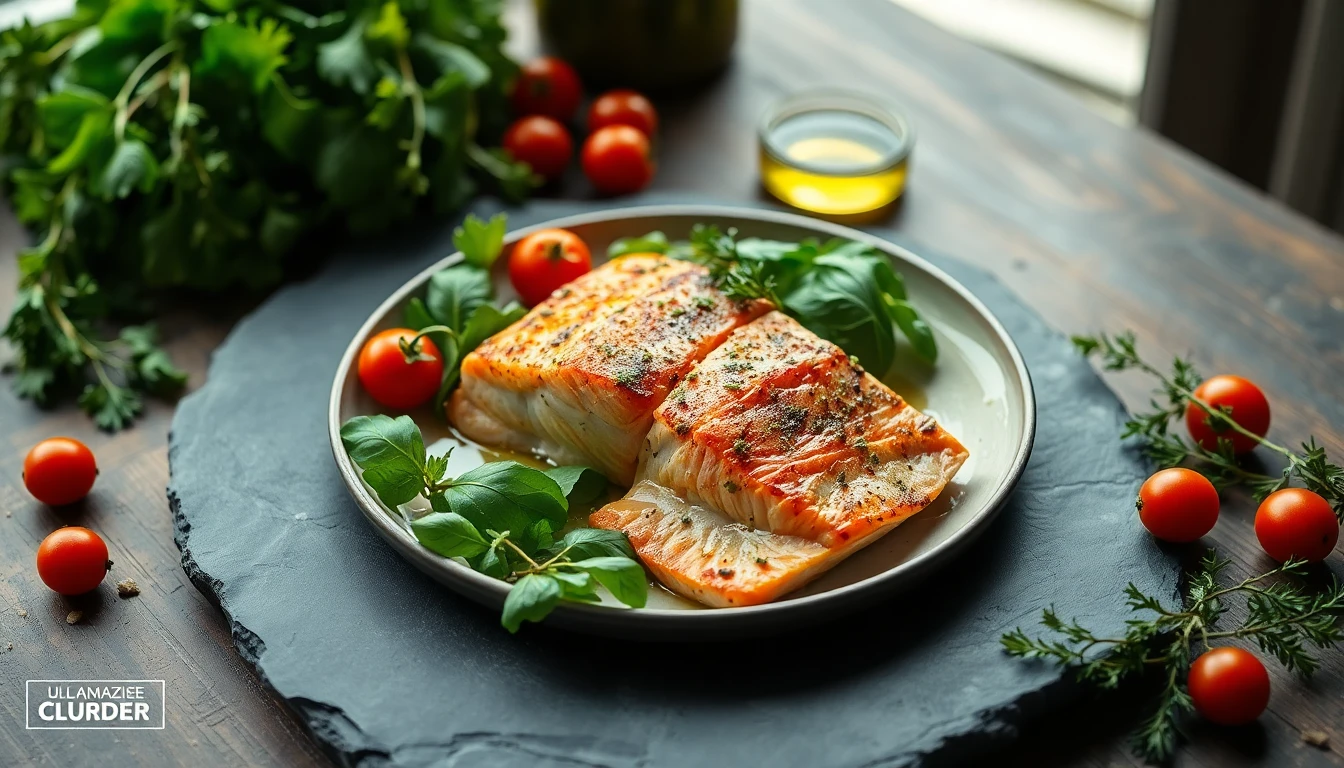
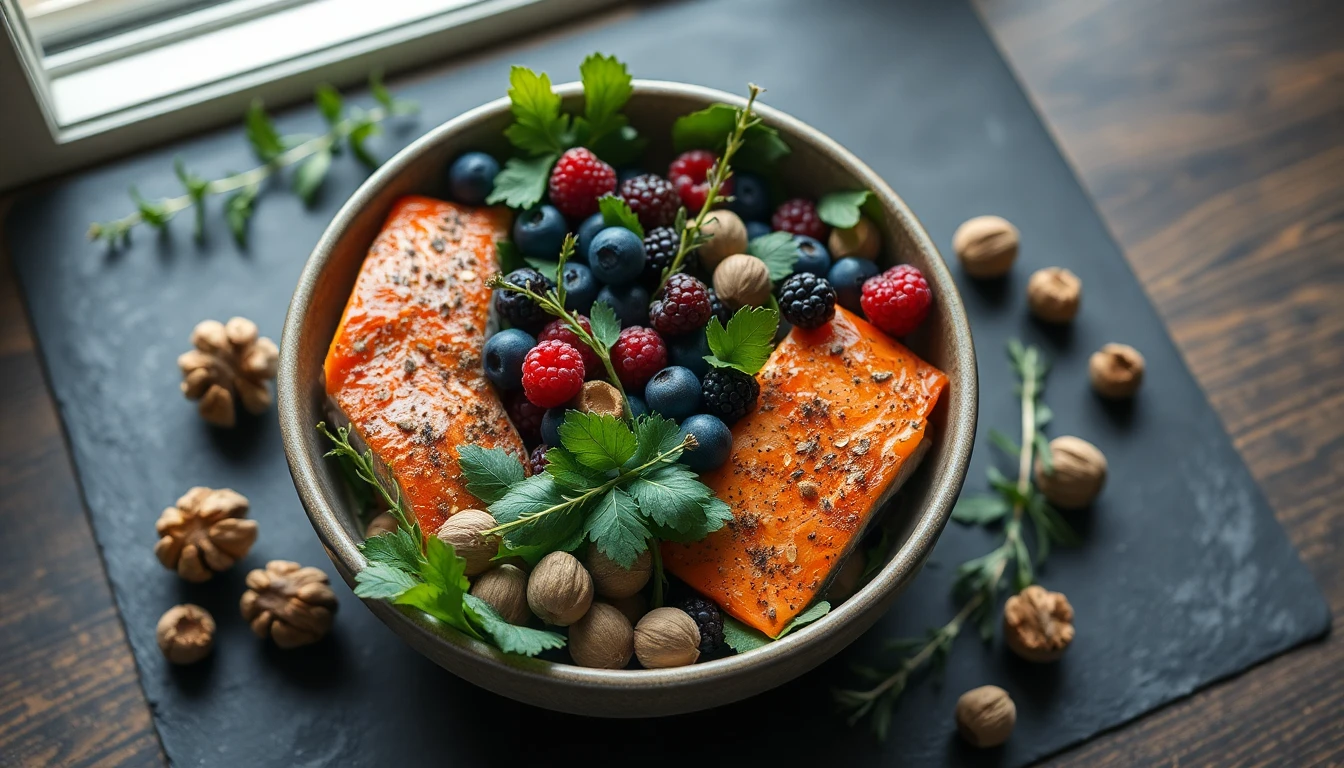
- Fatty fish — Salmon, mackerel, sardines, and herring provide the most bioavailable omega-3s; aim for 2-3 portions weekly
- Flaxseeds — Ground flaxseeds offer plant-based omega-3s (ALA) that the body partially converts to EPA and DHA
- Walnuts — A handful daily provides omega-3s alongside antioxidant polyphenols
- Chia seeds — Versatile seeds that can be added to smoothies, yoghurt, or porridge for omega-3 boost
Colourful Vegetables and Fruits
Antioxidant-rich produce helps combat oxidative stress whilst providing essential vitamins and minerals. The wider the colour variety, the broader the range of protective compounds.
- Berries — Blueberries, strawberries, and blackberries contain anthocyanins with potent anti-inflammatory effects
- Leafy greens — Spinach, kale, and Swiss chard provide folate, calcium, and antioxidants whilst being low in calories
- Cruciferous vegetables — Broccoli, cauliflower, and Brussels sprouts contain sulforaphane, which may help regulate immune responses
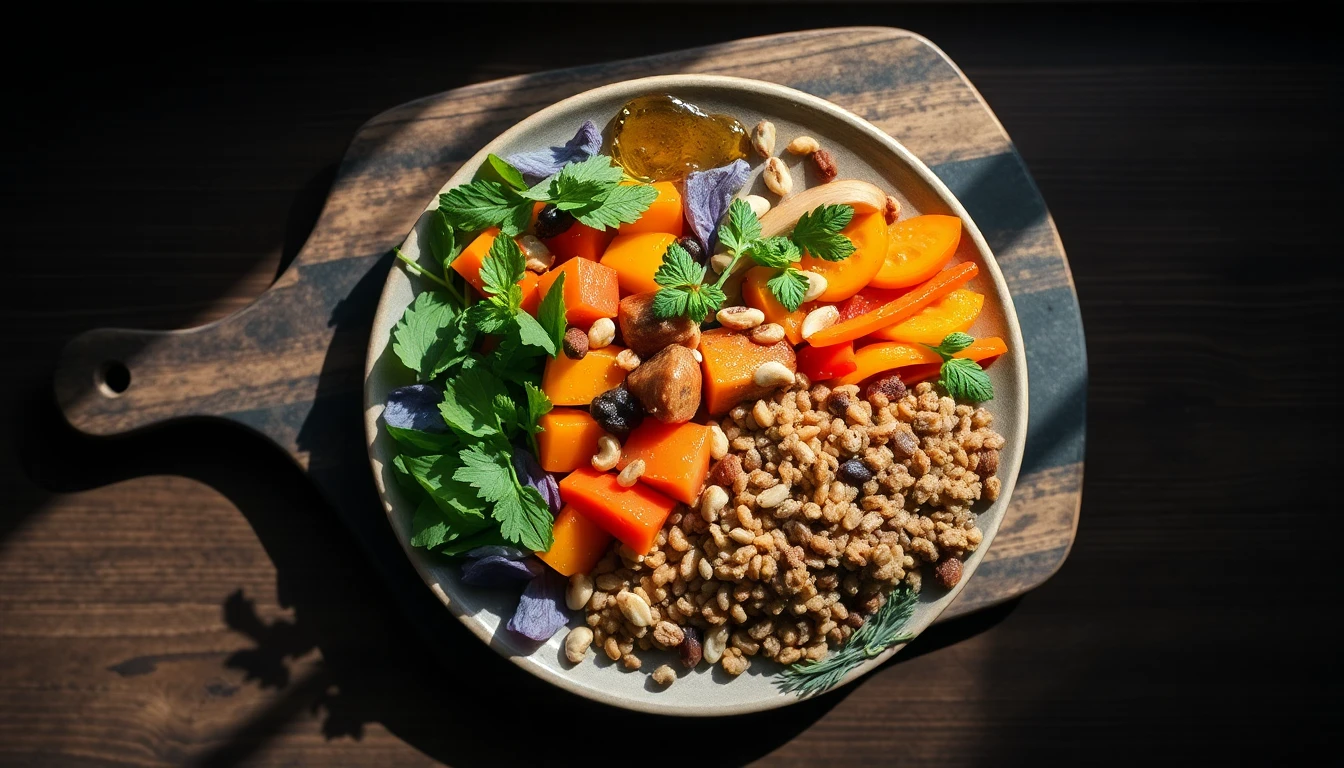
- Sweet potatoes — Rich in beta-carotene and fibre, supporting both immune function and stable energy
Whole Grains and Legumes
Complex carbohydrates provide sustained energy and fibre that supports gut health—increasingly recognised as crucial for immune regulation.
- Oats — Beta-glucan fibre in oats supports heart health and provides steady energy
- Quinoa — Complete protein source that's also anti-inflammatory and gluten-free
- Lentils and beans — Excellent plant protein with fibre, folate, and minerals; soak well to improve digestibility
- Brown rice — Gentle whole grain that provides B vitamins and stable blood sugar
Foods to Limit or Avoid with Lupus
Whilst adding anti-inflammatory foods is important, reducing pro-inflammatory items can be equally beneficial. Some foods may directly trigger flare-ups in certain individuals, whilst others contribute to inflammation more generally.
- Alfalfa sprouts and supplements — Contain L-canavanine, an amino acid that may trigger lupus symptoms and increase immune activity; best avoided entirely
- Processed meats — Bacon, sausages, and deli meats contain inflammatory saturated fats and preservatives that may worsen symptoms
- Added sugars — Excess sugar promotes inflammation and weight gain, complicating lupus management; particularly important if taking corticosteroids
- Trans fats — Found in some margarines and processed foods, these fats actively promote inflammation
- Excessive alcohol — Can interfere with medications and trigger flare-ups; if you drink, keep to recommended limits
- High-sodium foods — Especially important if you have kidney involvement or take corticosteroids, which cause fluid retention
The Nightshade Question
Some people with lupus report that nightshade vegetables—tomatoes, peppers, aubergines, and white potatoes—worsen their symptoms. Scientific evidence for this connection is limited, but individual sensitivity varies considerably.
Rather than eliminating nightshades automatically, consider an elimination trial: remove them for 4-6 weeks, then reintroduce one at a time whilst monitoring symptoms. Many people tolerate nightshades perfectly well and benefit from their antioxidant content, particularly lycopene in tomatoes. Work with a dietitian if you're considering significant eliminations to ensure nutritional adequacy.
Managing Lupus Flare-Ups Through Diet
During active flare-ups, inflammation intensifies and symptoms worsen. Whilst diet alone cannot stop a flare, certain nutritional strategies can support your body through these challenging periods.
- Increase omega-3 intake — Consider an additional portion of fatty fish or discuss fish oil supplements with your doctor during flares
- Stay hydrated — Inflammation increases fluid needs; aim for 2-3 litres daily unless fluid-restricted for kidney reasons
- Choose easily digestible foods — If experiencing gastrointestinal symptoms, opt for cooked vegetables, lean proteins, and simpler meals
- Maintain regular eating — Even when appetite is poor, small frequent meals help stabilise energy and prevent medication side effects
- Boost antioxidants — Increase colourful fruits and vegetables, or try antioxidant-rich teas like green tea or rooibos
The Role of Vitamin D
Many people with lupus have low vitamin D levels, which may worsen disease activity. Vitamin D plays crucial roles in immune regulation, and supplementation may reduce flare frequency in deficient individuals.
Sun exposure is complicated with lupus, as many patients are photosensitive. Dietary sources include fatty fish, fortified dairy or plant milks, and egg yolks, but often aren't sufficient alone. Your rheumatologist will likely monitor vitamin D levels and recommend appropriate supplementation—typically higher doses than the general population requires. Don't self-prescribe high-dose vitamin D without medical supervision, as excessive amounts can be harmful.
Practical Meal Planning for Lupus
Translating nutritional principles into daily meals requires planning, especially when managing fatigue and other lupus symptoms. The goal is nourishing, anti-inflammatory meals that don't demand excessive energy to prepare.
Sample Daily Framework
- Breakfast — Porridge with ground flaxseeds, berries, and walnuts; or scrambled eggs with spinach and wholegrain toast
- Mid-morning — Apple slices with almond butter, or a small handful of mixed nuts
- Lunch — Salmon salad with leafy greens, avocado, and olive oil dressing; or lentil soup with wholegrain bread
- Afternoon — Carrot sticks with hummus, or a small pot of natural yoghurt with berries
- Dinner — Grilled chicken with roasted vegetables and quinoa; or baked mackerel with sweet potato and broccoli
- Evening — Chamomile tea with a few squares of dark chocolate (70%+ cocoa)
Time-Saving Strategies
Fatigue is one of the most challenging lupus symptoms. Batch cooking becomes essential rather than optional. Prepare larger quantities of anti-inflammatory staples—soups, stews, grain salads, roasted vegetables—when energy permits, then freeze in portions. Tinned fish, pre-washed salad, and frozen vegetables are nutritious conveniences that reduce preparation burden.
Consider a slow cooker or pressure cooker for minimal-effort meals. Throwing ingredients together for a bean stew or chicken soup requires little active time, and the results freeze beautifully. Pre-chopped vegetables from the supermarket cost more but may be worthwhile during flare-ups when even basic prep feels overwhelming.
How FreshPlate Supports Your Lupus Diet
Managing lupus through diet whilst juggling medications, medical appointments, and daily life can feel overwhelming. FreshPlate takes some of the weight by building every recipe around your own profile.
When you add lupus to your health profile, FreshPlate steers rather than prescribes: recipes lean towards what public UK guidance (NHS, BDA) says suits the condition, and the app never claims to treat, prevent or cure anything. You add your medicines by brand or generic name, and every recipe is built around that list. Open the For you tab on a recipe and you will see your medicines listed. For those the interaction checker has quoted on food, you get the words about food from the NHS or US FDA, word for word, with a link to the checker page. For the rest, it says there is no advice on file yet and points you to your pharmacist. Your pharmacist or care team remains the right person for any question about your own medication.
Allergens are treated with zero tolerance: the recipe brief forbids them, with expanded aliases, and a keyword filter checks every title and ingredient again after generation. Recipes you keep go onto a shopping list, and onboarding asks about cultural and religious food preferences so recipes respect them. The For you tab also shows what was actually checked for you, why each recipe suits your goal and conditions, and whether it fits what is left of your day, so evidence-based guidance becomes something you can read at a glance rather than an exhausting research project.
Frequently asked questions
What foods should I avoid if I have lupus?
+
Definitely avoid alfalfa sprouts and supplements, as they contain L-canavanine which can trigger lupus symptoms. Limit processed meats, added sugars, trans fats, and excessive alcohol. Some people also find nightshade vegetables (tomatoes, peppers, aubergines) problematic, though this varies individually. Work with your healthcare team to identify your personal triggers.
Can diet cure lupus or put it into remission?
+
No, diet cannot cure lupus or replace medical treatment. However, an anti-inflammatory diet can significantly help manage symptoms, potentially reduce flare-up frequency, and improve quality of life. Diet works best as a complement to prescribed medications, not as a replacement.
Should I take supplements if I have lupus?
+
Many people with lupus benefit from vitamin D supplementation, as deficiency is common and may worsen disease activity. Omega-3 supplements may also help some individuals. However, always consult your rheumatologist before starting supplements, as some can interact with lupus medications or affect immune function. Vitamin D dosing in particular should be medically supervised.
Are there specific anti-inflammatory foods that help during lupus flares?
+
Fatty fish rich in omega-3s (salmon, mackerel, sardines), colourful berries high in antioxidants, leafy green vegetables, and whole grains can all support your body during flares. Staying well-hydrated and maintaining regular, easily digestible meals also helps manage symptoms when inflammation is high.
How does lupus medication affect my nutritional needs?
+
Corticosteroids like prednisolone can increase calcium and vitamin D needs whilst affecting blood sugar control and causing weight gain. Immunosuppressants may affect nutrient absorption. Some lupus medications interact with specific foods or require consistent vitamin K intake. Always discuss your complete medication list with a dietitian for personalised guidance.
Sources
Did this answer your question?
Reece reads every reply. Questions we have not covered become new guides.
The right foods make living with lupus easier.
Get our free lupus food guide by email — what to eat more of, what to limit, and simple meals that support you day to day. One genuinely useful email a week — no spam, unsubscribe anytime.
Free forever. You'll also be first in line for the FreshPlate app — with a free trial at launch.