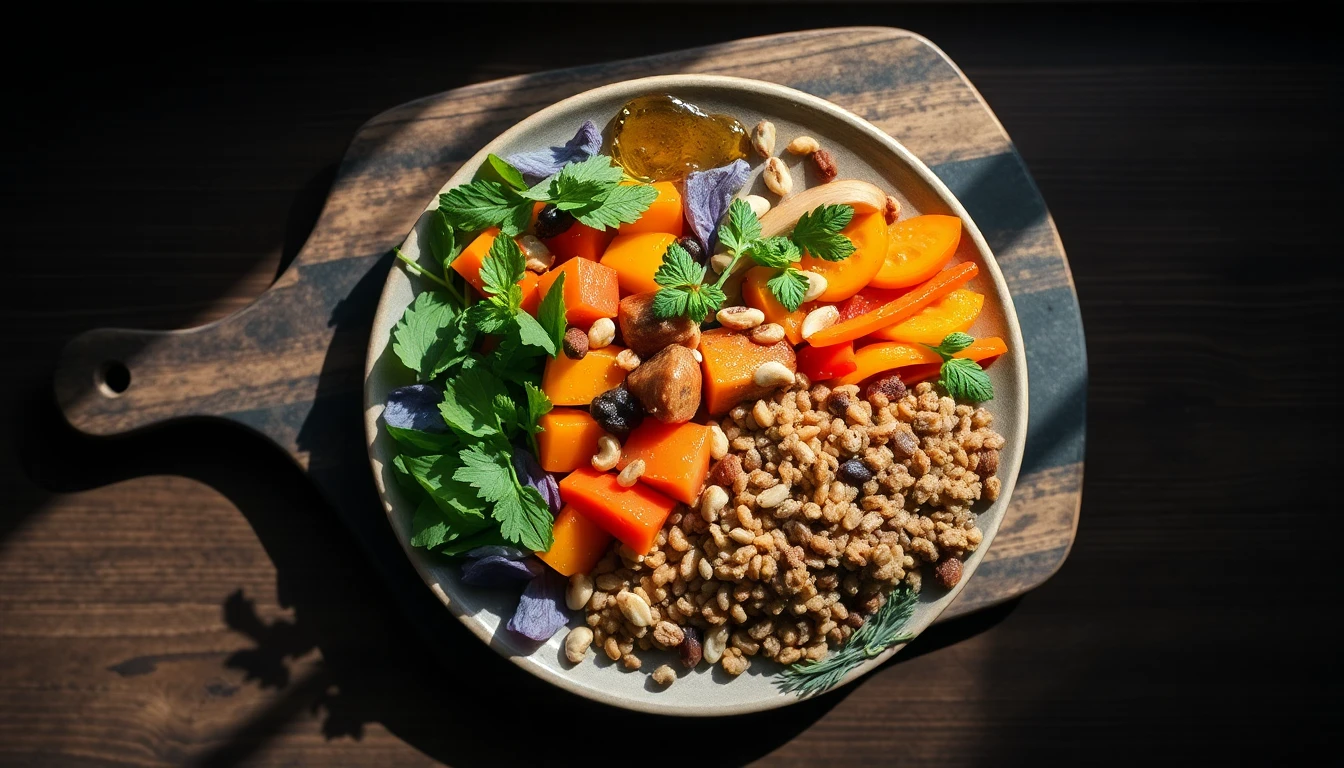
Fibromyalgia Diet: Foods to Reduce Pain and Fatigue
Evidence-based guide to managing fibromyalgia symptoms through nutrition. Learn which anti-inflammatory foods may help reduce pain and fatigue.

By Reece Douglas · Founder, FreshPlate

Listen to this article
Fibromyalgia Diet: Foods to Reduce Pain and Fatigue
Living with fibromyalgia means navigating a complex web of symptoms — chronic widespread pain, profound fatigue, sleep disturbances, and often brain fog. If you're among the estimated 2-4% of the UK population affected by this condition, you've likely explored numerous management strategies. Whilst medication and physical therapy play important roles, emerging research suggests that what you eat may influence symptom severity.
A fibromyalgia diet isn't a cure, and it's crucial to set realistic expectations. However, many people with fibromyalgia report that certain dietary changes help them manage pain levels and improve energy throughout the day. The approach centres on reducing inflammation, stabilising blood sugar, identifying personal trigger foods, and ensuring your body has the nutrients it needs to function optimally. Let's explore what the evidence tells us and how you might adapt your eating patterns to support your wellbeing.
Understanding the Link Between Diet and Fibromyalgia Symptoms
Fibromyalgia involves altered pain processing in the central nervous system, and whilst we don't fully understand its causes, research indicates that inflammation, oxidative stress, and metabolic factors may contribute to symptom severity. Your diet directly influences all three of these pathways.
Studies have shown that people with fibromyalgia often have higher levels of inflammatory markers in their blood. Certain foods can either promote or reduce this inflammation. Additionally, many people with fibromyalgia experience reactive hypoglycaemia or blood sugar fluctuations that worsen fatigue and pain. Finally, some individuals find their symptoms flare after consuming specific foods, suggesting personalised intolerances or sensitivities.
It's worth noting that fibromyalgia affects everyone differently. What triggers symptoms in one person may be perfectly tolerated by another. This is why an individualised approach, rather than a one-size-fits-all fibromyalgia diet, tends to work best.
The Role of Inflammation
Chronic low-grade inflammation appears to play a role in fibromyalgia pain. Anti-inflammatory eating patterns, similar to a Mediterranean diet, have shown promise in several studies for reducing pain scores and improving quality of life. These diets emphasise whole foods rich in omega-3 fatty acids, antioxidants, and polyphenols whilst minimising processed foods and added sugars.
Blood Sugar and Energy Management
The profound fatigue characteristic of fibromyalgia can be exacerbated by blood sugar spikes and crashes. When you eat high-glycaemic foods, your blood glucose rises rapidly, followed by a sharp drop that leaves you feeling exhausted, shaky, and often in more pain. Focusing on balanced meals with protein, healthy fats, and fibre helps maintain steadier energy levels throughout the day.
Anti-Inflammatory Foods to Include in Your Fibromyalgia Diet
Building your meals around anti-inflammatory foods forms the foundation of a fibromyalgia-friendly eating pattern. These foods provide nutrients that may help modulate your immune response and reduce oxidative stress, potentially easing pain and improving overall wellbeing.
- Fatty fish — Salmon, mackerel, sardines, and anchovies are rich in omega-3 fatty acids (EPA and DHA), which have well-documented anti-inflammatory properties. Aim for two portions weekly.
- Colourful vegetables — Dark leafy greens, beetroot, peppers, and cruciferous vegetables like broccoli contain antioxidants and phytonutrients that combat oxidative stress. The more variety, the better.
- Berries — Blueberries, strawberries, and blackberries are packed with anthocyanins and other polyphenols that reduce inflammation and may improve cognitive function.
- Nuts and seeds — Walnuts, flaxseeds, and chia seeds provide omega-3s, magnesium, and vitamin E. Many people with fibromyalgia are deficient in magnesium, which plays a role in muscle function and pain perception.
- Extra virgin olive oil — A cornerstone of Mediterranean eating, it contains oleocanthal, a compound with anti-inflammatory effects similar to ibuprofen.
- Turmeric and ginger — These spices contain curcumin and gingerol respectively, both studied for their anti-inflammatory and pain-relieving properties. Use them liberally in cooking or try golden milk or ginger tea.
- Green tea — Rich in EGCG, a powerful antioxidant that may help reduce inflammation and protect against oxidative damage.
- Legumes — Lentils, chickpeas, and beans provide plant-based protein, fibre, and B vitamins, supporting steady energy release and gut health.
Building Anti-Inflammatory Meals
Rather than focusing on individual 'superfoods', think about building meals that combine several anti-inflammatory ingredients. For example, a lunch of grilled salmon with quinoa, roasted vegetables drizzled with olive oil, and a side of mixed berries provides omega-3s, fibre, antioxidants, and sustained energy — all supporting your symptom management goals.
Common Trigger Foods and Elimination Approach
Whilst some foods may help reduce inflammation, others might trigger or worsen symptoms in susceptible individuals. Research and anecdotal reports suggest several common culprits, though remember that food triggers are highly individual.
Before eliminating foods, it's helpful to keep a symptom diary for 2-3 weeks, noting what you eat and how you feel. This establishes your baseline and may reveal patterns you hadn't noticed. If you suspect specific triggers, consider a structured elimination diet under guidance from a registered dietitian to avoid nutritional deficiencies.
- Processed foods and additives — MSG, aspartame, and other additives have been reported as triggers by some people with fibromyalgia. Ultra-processed foods also tend to be pro-inflammatory.
- Refined sugar and high-glycaemic carbohydrates — White bread, pastries, and sugary snacks cause blood sugar spikes that may worsen fatigue and pain. They also promote inflammation.
- Gluten — Whilst not everyone with fibromyalgia is gluten-sensitive, some people report improvement after removing wheat, barley, and rye. This may be due to non-coeliac gluten sensitivity or simply reducing overall processed food intake.
- Dairy products — Some individuals find that dairy worsens their symptoms, possibly due to lactose intolerance, casein sensitivity, or the saturated fat content. Trial removing it for 3-4 weeks to assess.
- Nightshade vegetables — Tomatoes, peppers, aubergines, and potatoes contain compounds called alkaloids that some people believe worsen inflammation, though scientific evidence is limited.
- Caffeine and alcohol — Both can disrupt sleep quality, which is already compromised in fibromyalgia. Poor sleep typically worsens pain and fatigue the following day.
- Fried and high-fat foods — Foods high in saturated and trans fats promote inflammation and may slow digestion, leading to discomfort.
How to Safely Eliminate Foods
If you decide to try an elimination diet, remove the suspected trigger completely for at least 3-4 weeks whilst continuing to track your symptoms. After this period, reintroduce the food in a controlled way and monitor for any reaction over the next 48-72 hours. Keep in mind that symptom flares can have many causes, so it may take several trials to identify true dietary triggers.
Never eliminate entire food groups without professional guidance, especially if you're already managing nutritional gaps or taking medications that interact with certain nutrients. A dietitian can help you maintain nutritional adequacy whilst investigating potential triggers.
Managing Energy Through Balanced Eating
Fatigue is often cited as one of the most debilitating aspects of fibromyalgia. Whilst diet alone won't eliminate it, strategic eating patterns can help stabilise energy levels and prevent the crashes that make daily activities feel impossible.
The key is maintaining stable blood glucose throughout the day. This means eating regular meals and snacks that combine protein, healthy fats, and complex carbohydrates. This combination slows digestion and provides sustained energy release, avoiding the rollercoaster of spikes and crashes.
- Eat every 3-4 hours — Regular meal timing prevents blood sugar dips that worsen fatigue. Even if you're not hungry, a small snack can maintain stability.
- Prioritise protein — Include a palm-sized portion of protein at each meal. Good options include fish, poultry, eggs, Greek yoghurt, tofu, tempeh, and legumes.
- Choose complex carbohydrates — Opt for oats, quinoa, brown rice, sweet potatoes, and whole grain bread rather than refined options. These provide fibre and steady glucose release.
- Don't skip breakfast — Starting the day with a balanced meal sets your blood sugar tone. Try porridge with nuts and berries, or eggs with wholegrain toast and avocado.
- Stay hydrated — Dehydration worsens fatigue and can intensify pain perception. Aim for 6-8 glasses of water daily, more if you're active.
- Consider meal timing with medication — If you take amitriptyline or other medications for fibromyalgia, be mindful of timing your meals appropriately to minimise side effects like drowsiness or nausea.
Smart Snacking for Energy
When energy dips between meals, reach for snacks that combine protein and complex carbs: apple slices with almond butter, hummus with vegetable sticks, a small handful of nuts with dried fruit, or Greek yoghurt with berries. Avoid reaching for biscuits, crisps, or chocolate bars, which provide a quick lift followed by a crash.
Essential Nutrients for Fibromyalgia Management
Beyond overall eating patterns, certain nutrients deserve special attention in a fibromyalgia diet due to their roles in pain processing, energy production, and inflammation control. Many people with fibromyalgia have deficiencies in one or more of these nutrients.
- Magnesium — Involved in over 300 enzymatic reactions, including muscle relaxation and pain modulation. Found in leafy greens, nuts, seeds, wholegrains, and dark chocolate. Some people benefit from supplementation, but discuss with your GP first.
- Vitamin D — Low levels are common in fibromyalgia and associated with increased pain sensitivity. Your body makes it from sunlight, but UK levels are often insufficient. Oily fish, fortified foods, and supplements can help.
- B vitamins — Particularly B12 and folate, these support energy production and nervous system function. Found in meat, fish, eggs, dairy, leafy greens, and fortified cereals.
- Iron — Deficiency causes fatigue that compounds fibromyalgia tiredness. Include red meat, poultry, fish, lentils, and spinach. Vitamin C aids absorption, so pair plant sources with peppers or citrus.
- Coenzyme Q10 — Plays a role in cellular energy production. Some research suggests supplementation may reduce fibromyalgia pain, though more studies are needed. Found in oily fish, organ meats, and wholegrains.
- Antioxidants (vitamins C and E, selenium) — Help combat oxidative stress. Focus on colourful fruits and vegetables, nuts, seeds, and wholegrains rather than supplements.
When to Consider Testing and Supplements
If you suspect deficiencies, speak with your GP about blood tests for vitamin D, B12, iron, and magnesium. Supplementing without testing can be wasteful and, in some cases, harmful. If deficiencies are confirmed, your doctor can recommend appropriate supplementation doses. Remember that whole foods provide nutrients in forms your body absorbs more easily, along with other beneficial compounds that supplements lack.
How FreshPlate Supports Your Fibromyalgia Diet
Managing fibromyalgia is challenging enough without having to research which foods might help or harm and plan every meal yourself. This is where FreshPlate's personalised approach can take some of the load.
When you set up your profile, you can add fibromyalgia as a condition. FreshPlate steers rather than prescribes: recipes lean towards what public UK guidance (NHS, BDA) says suits the condition, and the app never claims to treat, prevent or cure anything.
Every recipe has a For you tab that shows what was actually checked for you, such as allergens, diet and religious rules, with a line on why the recipe suits your goal and conditions, and whether it fits what is left of your day. If you have a fatal allergen, it is treated with zero tolerance: the recipe brief forbids it, including related names (pork also means chorizo, bacon and ham), and a keyword filter checks every title and ingredient again after the recipe is generated.
Perhaps most valuably, FreshPlate can take some of the effort out of deciding what to cook when brain fog and fatigue make even simple decisions feel overwhelming. You get recipes that explain themselves, so you don't have to work out the reasoning on your own.
Frequently asked questions
What is the best diet for fibromyalgia?
+
There's no single 'best' fibromyalgia diet, as triggers and helpful foods vary between individuals. However, research suggests an anti-inflammatory eating pattern emphasising whole foods, omega-3 fatty acids, plenty of vegetables and fruits, and balanced meals for stable blood sugar tends to help many people manage symptoms more effectively.
Can changing my diet cure fibromyalgia?
+
No, diet cannot cure fibromyalgia. However, nutritional changes may help reduce symptom severity, improve energy levels, and enhance quality of life for some people. Diet works best as part of a comprehensive management plan including medication, exercise, sleep hygiene, and stress management.
Should I avoid gluten if I have fibromyalgia?
+
Not everyone with fibromyalgia needs to avoid gluten. However, some people report symptom improvement after eliminating it, possibly due to non-coeliac gluten sensitivity or reduced processed food intake. Try removing gluten for 3-4 weeks whilst tracking symptoms to see if it makes a difference for you.
What foods make fibromyalgia worse?
+
Common trigger foods include processed foods with additives, refined sugars, caffeine, alcohol, and foods high in saturated fats. Some people also react to gluten, dairy, or nightshade vegetables. Triggers are highly individual, so keeping a food and symptom diary helps identify your personal sensitivities.
Does sugar worsen fibromyalgia pain?
+
Refined sugar can worsen fibromyalgia symptoms through multiple mechanisms: it causes blood sugar spikes and crashes that intensify fatigue, promotes inflammation, and may increase pain sensitivity. Reducing added sugars and choosing complex carbohydrates instead often helps with energy and pain management.
Sources
Did this answer your question?
Reece reads every reply. Questions we have not covered become new guides.
The right foods make living with fibromyalgia easier.
Get our free fibromyalgia food guide by email — what to eat more of, what to limit, and simple meals that support you day to day. One genuinely useful email a week — no spam, unsubscribe anytime.
Free forever. You'll also be first in line for the FreshPlate app — with a free trial at launch.