Acid Reflux Diet: Best & Worst Foods for GERD Relief
Learn which foods help or worsen acid reflux. Science-backed guidance on pH, meal timing, and portion sizes to manage GERD symptoms effectively.

By Reece Douglas · Founder, FreshPlate
Listen to this article
Acid Reflux Diet: Best & Worst Foods for GERD Relief
Gastro-oesophageal reflux disease, or GERD, affects roughly one in five adults in the UK. That familiar burning sensation in your chest, the acidic taste at the back of your throat, and the uncomfortable fullness after meals all stem from stomach acid flowing back into your oesophagus. Whilst medications like proton pump inhibitors can help manage symptoms, what you eat plays an equally crucial role in controlling acid reflux.
The science is clear: certain foods relax the lower oesophageal sphincter (the muscular valve between your stomach and oesophagus), increase stomach acid production, or physically put pressure on your digestive system. Understanding which foods help and which worsen symptoms empowers you to take control of your GERD through thoughtful dietary choices. This guide explores the pH-focused approach to an acid reflux diet, including practical meal timing strategies and UK-friendly food swaps that fit into everyday life.
Understanding pH and Your Acid Reflux Diet
The pH scale measures acidity from 0 (most acidic) to 14 (most alkaline), with 7 being neutral. Your stomach naturally maintains a highly acidic environment (pH 1.5-3.5) to break down food and kill bacteria. However, your oesophagus isn't designed to handle this acidity. When stomach contents reflux upward, that acidic environment causes the characteristic burning sensation.
A pH-focused approach to managing GERD doesn't mean eliminating all acidic foods, but rather understanding which ones trigger your symptoms and balancing your overall dietary pH. Research published in the Annals of Otology, Rhinology & Laryngology found that a low-acid diet combined with alkaline water significantly reduced reflux symptoms in participants.
Foods are classified as acid-forming or alkaline-forming based on the residue they leave after digestion, not their pH before consumption. Surprisingly, lemons are acidic to taste but have an alkalising effect once metabolised. However, for GERD sufferers, the immediate acidic contact often triggers symptoms before any alkalising benefits occur, making citrus fruits generally problematic.
Alkaline-Forming Foods That Soothe Reflux
These foods help neutralise stomach acid and are less likely to trigger reflux symptoms:
- Bananas — naturally antacid with a pH around 5.0, coating the oesophageal lining and providing quick relief
- Melon — watermelon, cantaloupe, and honeydew have pH levels between 5.2-6.7 and high water content that dilutes stomach acid
- Cauliflower and broccoli — alkaline vegetables rich in fibre that support healthy digestion without triggering reflux
- Fennel — traditional digestive aid with a pH of 6.9 that helps reduce stomach acid and improve gastric emptying
- Green vegetables — spinach, kale, Brussels sprouts, and asparagus are highly alkaline and anti-inflammatory
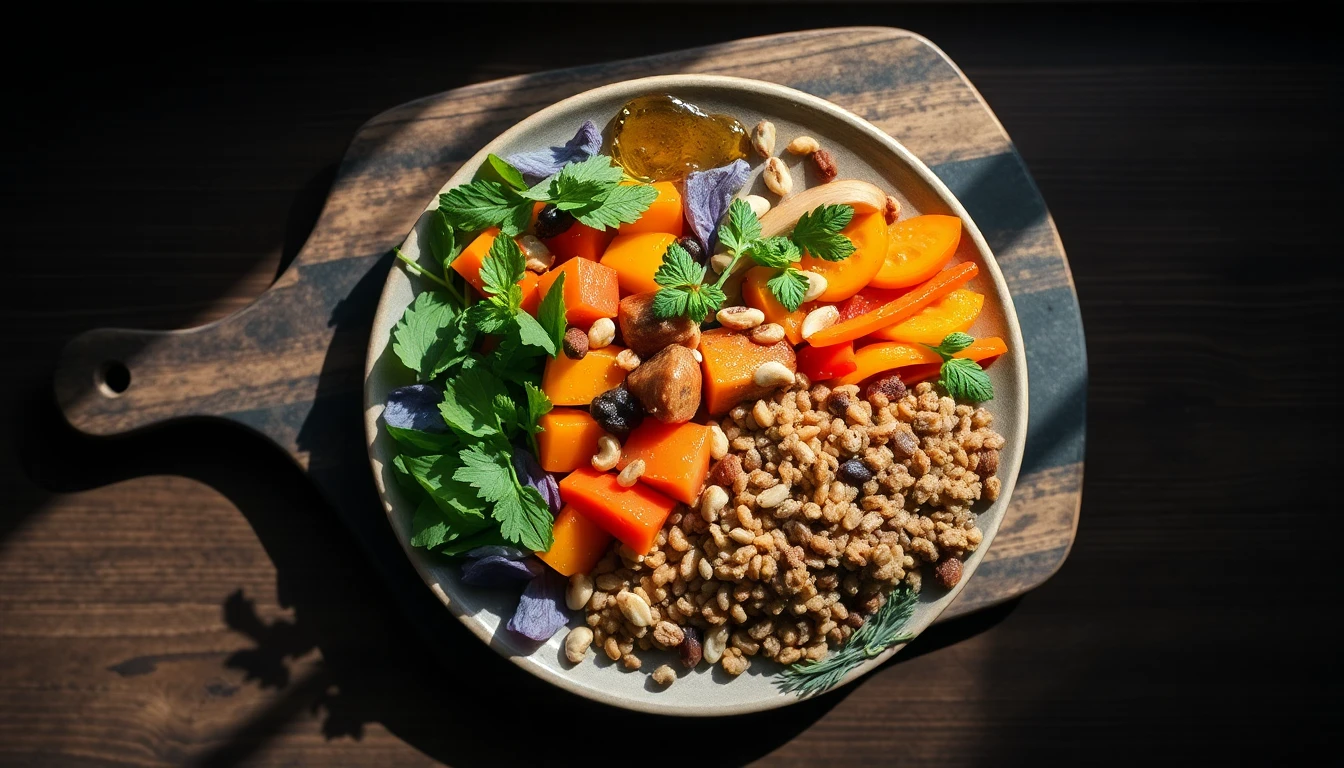
- Root vegetables — carrots, sweet potatoes, and beetroot are filling, alkaline, and naturally low in fat
Acid-Forming Foods to Limit or Avoid
These foods either increase stomach acid production, relax the lower oesophageal sphincter, or irritate the oesophageal lining:
- Citrus fruits — oranges, grapefruits, lemons, and limes (pH 2.0-4.0) directly irritate inflamed oesophageal tissue
- Tomatoes and tomato products — including passata, ketchup, and pasta sauce, with pH levels around 4.3-4.9
- Vinegar and pickled foods — highly acidic condiments and preserves that exacerbate symptoms
- Fizzy drinks — carbonation increases stomach pressure whilst acidity and caffeine worsen reflux
- Coffee and tea — caffeine relaxes the oesophageal sphincter; even decaf coffee retains compounds that stimulate acid production
- Chocolate — contains methylxanthine, which relaxes the sphincter muscle, plus caffeine and high fat content
Best Foods for Your Acid Reflux Diet
Building meals around GERD-friendly foods doesn't mean bland, restrictive eating. The key is choosing whole foods that are naturally low in fat, moderate in protein, and high in complex carbohydrates. These foods are less likely to increase stomach acid production or slow gastric emptying, both of which contribute to reflux.
Lean Proteins
Protein is essential, but fatty cuts and preparation methods matter enormously for reflux management:
- Skinless chicken breast — grilled, baked, or poached rather than fried
- Turkey mince — excellent lean alternative for Bolognese or cottage pie (use butternut squash instead of tomatoes)
- White fish — cod, haddock, plaice, and sole are naturally low-fat and easily digested
- Eggs — boiled or poached rather than fried; egg whites are particularly well-tolerated
- Tofu and tempeh — plant-based proteins that are alkaline-forming and versatile
- Pulses — lentils, chickpeas, and butter beans provide protein and fibre, though some people find them gas-producing
Complex Carbohydrates
Wholegrains and starchy vegetables absorb stomach acid and provide sustained energy without triggering reflux:
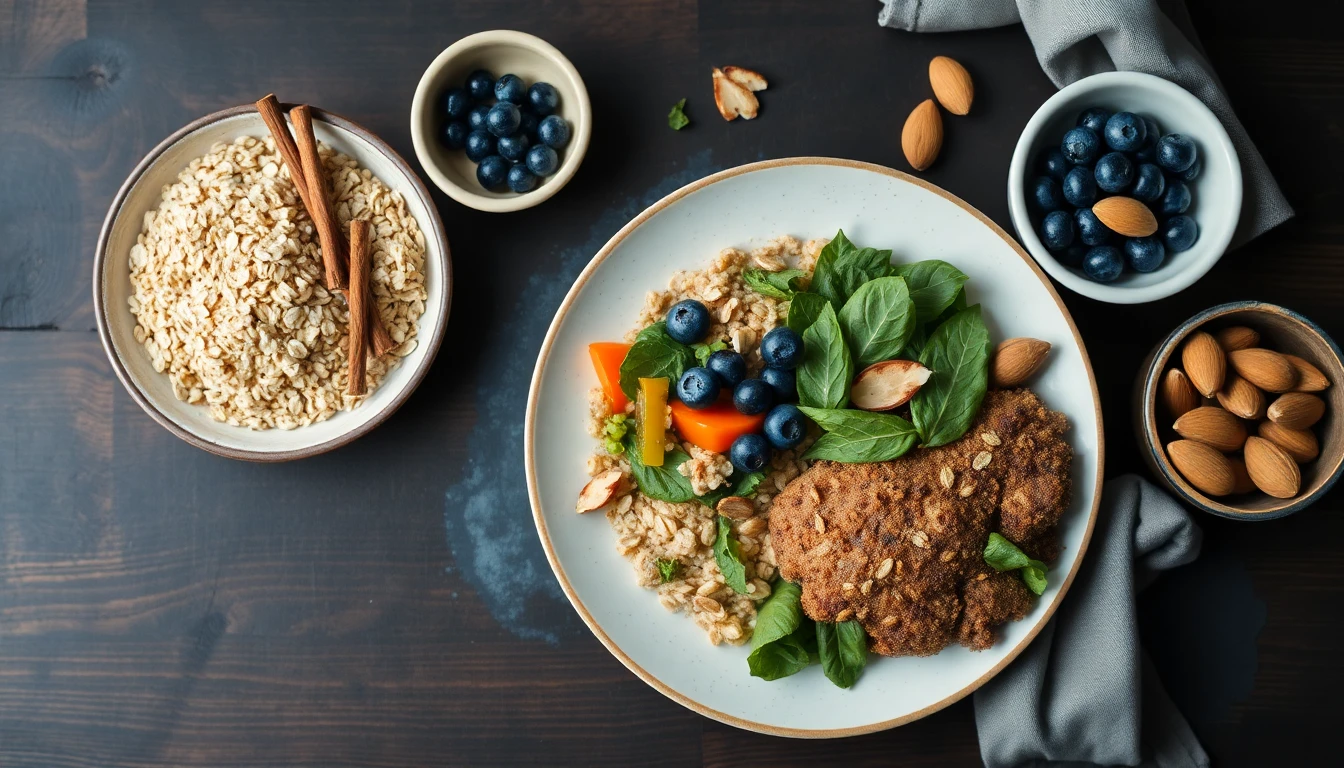
- Oatmeal — traditional porridge is filling, fibre-rich, and coats the stomach lining
- Brown rice — gentle on digestion and pairs well with lean proteins and vegetables
- Wholemeal bread — opt for seeded varieties without added fats or acidic preservatives
- Sweet potatoes — nutrient-dense, alkaline-forming, and naturally sweet without added sugars
- Couscous and quinoa — quick-cooking alternatives that work well in reflux-friendly meals
Healthy Fats in Moderation
Whilst high-fat meals worsen GERD, you need some healthy fats for nutrient absorption and satiety. The key is portion control and choosing anti-inflammatory sources:
- Olive oil — use sparingly for cooking or dressing; a teaspoon rather than tablespoon
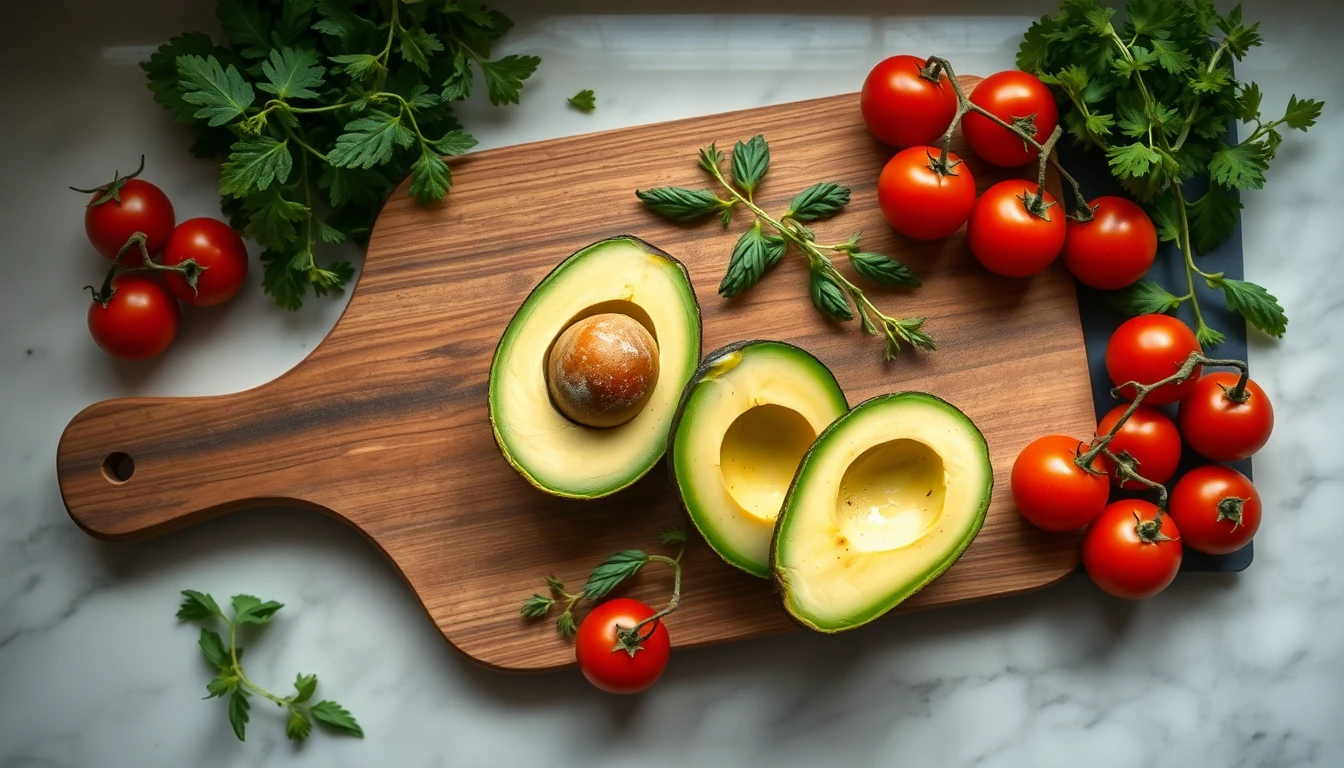
- Avocado — small amounts (quarter of a fruit) provide healthy fats without overwhelming digestion
- Nuts and seeds — almonds and flaxseeds in small portions, avoiding high-fat cashews and peanuts
Worst Foods That Trigger Acid Reflux
Understanding your personal triggers is essential, as GERD varies between individuals. However, research consistently identifies certain foods as common culprits. The NHS recommends keeping a food diary to identify your specific trigger foods, as elimination diets based solely on general guidelines may be unnecessarily restrictive.
- Fried and fatty foods — chips, battered fish, pastries, and fried breakfasts slow gastric emptying and relax the oesophageal sphincter, keeping acid in contact with sensitive tissue longer
- Spicy foods — chilli peppers, hot sauce, and curry contain capsaicin, which irritates the oesophageal lining and increases acid production in many people
- Onions and garlic — particularly when raw, these alliums ferment in the stomach and relax the sphincter; cooking them thoroughly reduces their impact
- Mint — peppermint and spearmint teas, whilst soothing for other digestive issues, relax the lower oesophageal sphincter and worsen reflux
- Alcohol — beer, wine, and spirits increase stomach acid production, relax the sphincter, and irritate the oesophageal lining
- Full-fat dairy — whole milk, cream, cheese, and butter are high in fat; swap for semi-skimmed or plant-based alternatives
- Processed meats — bacon, sausages, salami, and pepperoni are high in fat and often contain trigger ingredients like garlic and spices
UK-Friendly Food Swaps
Making simple substitutions helps you enjoy familiar meals without triggering symptoms:
- Sunday roast — choose turkey or chicken breast over fatty cuts; make gravy with vegetable stock instead of meat drippings; skip the Yorkshire puddings
- Breakfast — swap a full English for porridge with banana and honey, or poached eggs on wholemeal toast
- Pasta dishes — replace tomato-based sauces with butternut squash, roasted red pepper (not too much), or a light olive oil and herb dressing
- Curries — make korma-style dishes with coconut milk and mild spices instead of vindaloo or madras
- Sandwiches — use chicken, turkey, or houmous instead of cheese, bacon, or egg mayo; avoid pickle and mustard
- Puddings — choose rice pudding, angel food cake, or melon instead of chocolate cake or lemon tart
Meal Timing and Portion Sizes for GERD Management
What you eat matters, but when and how much you eat are equally important for controlling acid reflux. A full stomach increases pressure on the lower oesophageal sphincter, making reflux more likely. Large meals also stimulate greater acid production and take longer to empty from the stomach.
Research published in the American Journal of Gastroenterology found that participants who ate their evening meal at least three hours before bed experienced significantly fewer nighttime reflux symptoms compared to those who ate within two hours of lying down.
Strategic Meal Timing
- Eat your largest meal at midday — when digestive function is naturally stronger and you'll remain upright for several hours afterward
- Allow 3-4 hours between dinner and bedtime — giving your stomach time to empty before lying horizontal
- Avoid late-night snacking — even small amounts of food stimulate acid production when your body expects rest
- Stay upright after eating — sit or stand for at least 30 minutes after meals; avoid lying down or slouching
- Consider five smaller meals — rather than three large ones, eating smaller amounts more frequently can reduce stomach pressure
Portion Control Strategies
Overeating is one of the most common triggers for acid reflux, even when you're choosing GERD-friendly foods:
- Use smaller plates — a 23cm plate instead of 28cm naturally limits portion sizes without feeling deprived
- Fill half your plate with vegetables — leaving a quarter each for protein and carbohydrates
- Eat slowly and chew thoroughly — taking 20-30 minutes per meal aids digestion and helps recognise fullness signals
- Stop before feeling full — aim for 80% satiety, as the fullness sensation lags behind actual stomach capacity
- Measure trigger foods carefully — even healthy fats need portion control; use measuring spoons for oils and dressings
Eating Position and Posture
How you position your body during and after meals affects reflux risk:
- Sit upright whilst eating — avoid eating whilst reclined on the sofa or in bed
- Elevate your bed head — raise the entire head of the bed by 15-20cm using blocks or a wedge, rather than just using extra pillows
- Sleep on your left side — anatomically, this position keeps the stomach below the oesophagus and reduces nighttime reflux
- Avoid tight clothing — belts and waistbands that constrict your abdomen increase pressure on the stomach
Building a Sustainable Acid Reflux Diet Plan
The most effective GERD diet is one you can maintain long-term. Restrictive approaches that eliminate entire food groups often fail because they're socially isolating and nutritionally inadequate. Instead, focus on identifying your personal triggers, understanding portion sizes, and finding satisfying alternatives to problematic foods.
Keep a detailed food and symptom diary for at least two weeks, noting what you ate, when you ate it, portion sizes, and any reflux symptoms within the following three hours. This helps identify patterns you might otherwise miss. You may discover that you tolerate small amounts of a trigger food when eaten at midday but not in the evening, or that certain food combinations worsen symptoms.
- Start with the most common triggers — eliminate citrus, tomatoes, chocolate, caffeine, alcohol, and fried foods for two weeks, then reintroduce one at a time
- Experiment with preparation methods — you might tolerate cooked onions but not raw, or baked chicken but not fried
- Plan your meals in advance — having GERD-friendly ingredients ready prevents last-minute choices that trigger symptoms
- Eat before social events — if attending a gathering with trigger foods, have a small reflux-friendly meal beforehand to avoid arriving hungry
- Communicate your needs — let friends and family know about your dietary requirements so they can support your choices
Sample Day on an Acid Reflux Diet
Here's what a day of GERD-friendly eating might look like:
- Breakfast (8:00) — bowl of porridge with sliced banana and a drizzle of honey, herbal tea
- Mid-morning snack (10:30) — small apple or a handful of almonds
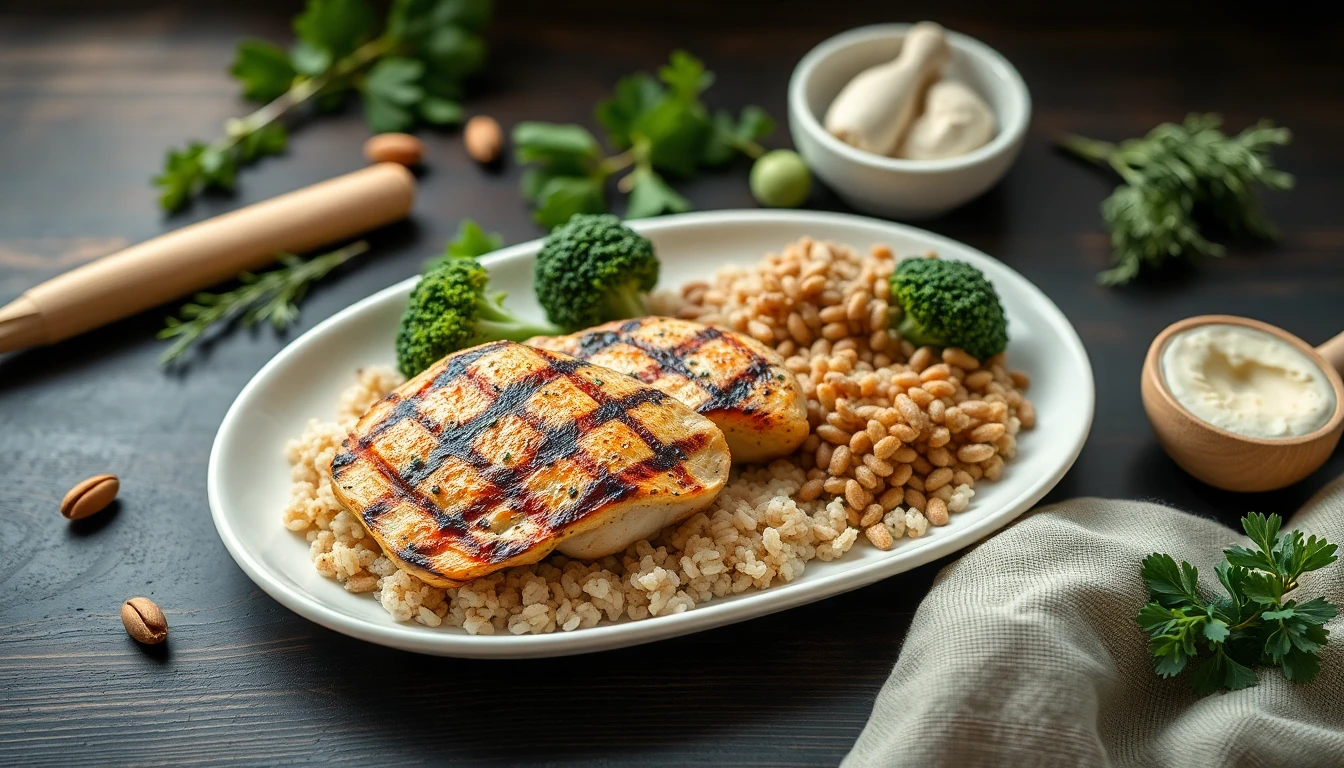
- Lunch (13:00) — grilled chicken breast with brown rice, steamed broccoli and carrots, dressed with a small amount of olive oil
- Afternoon snack (16:00) — oatcakes with a thin spread of almond butter
- Dinner (18:00) — baked cod with sweet potato wedges and green beans, small side salad with cucumber and lettuce
- Evening (20:30) — chamomile tea if needed, but no food after 19:00 for a 22:00 bedtime
How FreshPlate Supports Your Acid Reflux Diet
Managing GERD through diet requires constant vigilance about ingredients, portion sizes, and meal timing. It's exhausting to scrutinise every recipe, calculate appropriate portions, and ensure you're meeting nutritional needs whilst avoiding triggers. This is precisely where FreshPlate transforms GERD management from a daily struggle into an automatic process.
FreshPlate's personalised recipe builder accounts for acid reflux as a medical condition, automatically filtering out common triggers like citrus, tomatoes, chocolate, and high-fat ingredients. When you input GERD or acid reflux into your profile, the app adjusts portion sizes, suggests optimal meal timing, and prioritises alkaline-forming foods in your weekly meal plans.
The system also considers any medications you're taking that might affect GERD or interact with certain foods. If you're on a proton pump inhibitor, for example, FreshPlate ensures your meal plans include adequate calcium and vitamin B12, as these medications can affect nutrient absorption. You'll receive recipes that work with your lifestyle, dietary preferences, and reflux triggers, making it simple to eat well without constant research and worry.
Every recipe includes clear nutritional information, preparation methods that minimise fat, and suggestions for ingredient swaps based on your specific trigger foods. The app learns from your feedback too, so if you mark a recipe as causing symptoms, it adjusts future recommendations accordingly. This personalised, adaptive approach means you can enjoy varied, delicious meals whilst effectively managing your GERD through evidence-based dietary choices.
Frequently asked questions
What can I drink with acid reflux?
+
Water is best for acid reflux. Herbal teas like chamomile, ginger (in moderation), and liquorice root are generally well-tolerated. Avoid caffeinated drinks, alcohol, citrus juices, and carbonated beverages as these relax the oesophageal sphincter or increase stomach acid. Semi-skimmed milk may provide temporary relief but can stimulate acid production later.
Can I eat bread if I have GERD?
+
Yes, wholemeal and seeded breads are generally fine for acid reflux in moderate portions. Avoid very fatty breads like brioche, garlic bread, or those made with significant amounts of butter or oil. Sourdough is often well-tolerated as the fermentation process makes it easier to digest.
Are bananas good for acid reflux?
+
Bananas are excellent for most people with acid reflux as they're naturally antacid, coating the oesophageal lining and helping neutralise stomach acid. However, about 1% of people find bananas worsen their symptoms, so pay attention to your individual response.
Does eating before bed cause acid reflux?
+
Yes, eating within 2-3 hours of lying down significantly increases acid reflux risk. When you lie flat with a full stomach, gravity can't help keep stomach contents down, making reflux more likely. Allow at least three hours between your last meal and bedtime for optimal symptom control.
Can I ever eat chocolate with GERD?
+
Small amounts of white chocolate are occasionally tolerated better than dark or milk chocolate, as it contains less caffeine and methylxanthine. However, all chocolate can trigger symptoms due to fat content. If you choose to eat it, have a very small portion earlier in the day and not on an empty stomach or close to bedtime.
Sources
Did this answer your question?
Reece reads every reply. Questions we have not covered become new guides.
The right foods make living with GERD easier.
Get our free GERD food guide by email — what to eat more of, what to limit, and simple meals that support you day to day. One genuinely useful email a week — no spam, unsubscribe anytime.
Free forever. You'll also be first in line for the FreshPlate app — with a free trial at launch.