Metformin Diet: What to Eat to Reduce Side Effects
Discover the best foods to eat whilst taking metformin. Learn how to manage GI side effects, prevent B12 depletion, and support blood sugar control naturally.

By Reece Douglas · Founder, FreshPlate
Listen to this article
Metformin Diet: What to Eat to Reduce Side Effects
Metformin is the most commonly prescribed medication for type 2 diabetes, helping millions of people manage their blood sugar levels effectively. Whilst it's generally well-tolerated, many people experience digestive discomfort, especially when they first start taking it. What you eat can make a substantial difference to how you feel.
Beyond managing side effects, the right dietary approach can help you prevent nutrient deficiencies that sometimes develop with long-term metformin use—particularly vitamin B12 depletion—and support the medication's blood-sugar-lowering effects. In this guide, we'll explore practical, evidence-based nutrition strategies to help you feel your best whilst taking metformin.
Understanding Metformin's Impact on Your Digestive System
Metformin works primarily by reducing glucose production in the liver and improving insulin sensitivity in muscle tissue. However, it also affects the gastrointestinal tract, which is why up to 25% of people taking metformin experience digestive side effects such as nausea, diarrhoea, bloating, and stomach discomfort.
These side effects typically occur because metformin alters glucose absorption in the intestines and can affect the gut microbiome. The good news is that most people find these symptoms improve within a few weeks as their body adjusts. Strategic food choices can significantly ease this transition period and reduce discomfort.
Timing Matters: When to Take Metformin
Taking metformin with or immediately after meals is one of the simplest ways to reduce gastrointestinal side effects. Food slows the absorption of the medication, which helps minimise stomach upset. Never take metformin on an empty stomach unless specifically advised by your doctor.
- Standard metformin — Take with or immediately after breakfast and dinner
- Extended-release formulations — Usually taken once daily with the evening meal
- Start low, go slow — Many prescribers begin with a low dose and gradually increase it to improve tolerance
The Best Foods for Your Metformin Diet
A metformin-friendly diet focuses on foods that support stable blood sugar levels whilst being gentle on your digestive system. The foundation is choosing complex carbohydrates with a low glycaemic index (GI), which release glucose gradually into your bloodstream and work synergistically with metformin's mechanism of action.
Low-GI Carbohydrates to Prioritise
Low-GI carbohydrates help prevent blood sugar spikes and are typically easier to digest than refined options. These should form the carbohydrate base of your metformin diet.
- Oats and porridge — Steel-cut or rolled oats provide soluble fibre that slows glucose absorption
- Quinoa and bulgur wheat — Protein-rich whole grains with a low glycaemic response
- Sweet potatoes — Rich in fibre and nutrients, with a lower GI than white potatoes
- Lentils and pulses — Chickpeas, black beans, and lentils are excellent low-GI protein sources
- Wholegrain pasta and bread — Choose true wholegrain varieties over 'brown' processed options
- Barley — One of the lowest-GI grains, perfect for soups and salads
Lean Proteins and Healthy Fats
Protein and healthy fats don't directly affect blood sugar but help you feel fuller for longer and slow the absorption of carbohydrates when eaten together. They're essential components of a balanced metformin diet.
- Fatty fish — Salmon, mackerel, and sardines provide protein plus omega-3 fatty acids
- Poultry and eggs — Versatile lean protein sources that are gentle on digestion
- Greek yoghurt — High in protein and probiotics to support gut health
- Nuts and seeds — Almonds, walnuts, chia seeds, and ground flaxseed add healthy fats and fibre
- Avocado — Rich in monounsaturated fats and fibre
- Olive oil — Use as your primary cooking oil for heart-healthy fats
Non-Starchy Vegetables and Fibre
Vegetables should fill at least half your plate. They're low in calories, rich in nutrients, and the fibre they contain supports digestive health and blood sugar control. Some people find that gradually increasing fibre intake, rather than adding large amounts suddenly, helps minimise any additional digestive discomfort whilst adjusting to metformin.
- Leafy greens — Spinach, kale, rocket, and chard are nutrient-dense and virtually carbohydrate-free
- Cruciferous vegetables — Broccoli, cauliflower, Brussels sprouts, and cabbage
- Peppers and tomatoes — Colourful options rich in antioxidants
- Courgettes and aubergines — Versatile vegetables that work in numerous dishes
- Mushrooms — Add umami flavour and provide B vitamins
Preventing Vitamin B12 Deficiency on Metformin
Long-term metformin use is associated with reduced vitamin B12 absorption in approximately 10-30% of users. B12 is essential for nerve function, red blood cell production, and DNA synthesis. Deficiency can develop gradually over years, causing fatigue, weakness, nerve problems, and anaemia.
The mechanism isn't fully understood, but metformin appears to interfere with calcium-dependent B12 absorption in the small intestine. Regular monitoring of B12 levels is recommended for people on long-term metformin therapy, particularly those who've been taking it for more than three to four years.
B12-Rich Foods to Include Regularly
Whilst dietary B12 absorption may be affected by metformin, maintaining adequate intake remains important. If blood tests reveal deficiency, your doctor may recommend B12 supplements or injections.
- Shellfish — Clams, mussels, and crab are among the richest sources
- Liver and organ meats — Particularly high in B12, though not to everyone's taste
- Beef and lamb — Red meat provides highly bioavailable B12
- Oily fish — Salmon, trout, and tuna offer B12 alongside omega-3s
- Eggs — Especially the yolks contain significant B12
- Dairy products — Milk, cheese, and yoghurt contribute to B12 intake
- Fortified foods — Some plant milks, breakfast cereals, and nutritional yeast are fortified with B12
Foods to Limit or Avoid on Metformin
Whilst metformin doesn't require you to eliminate specific foods entirely, certain choices can worsen side effects or counteract the medication's benefits. Being mindful of these can improve your overall experience and health outcomes.
- High-GI refined carbohydrates — White bread, sugary cereals, and pastries cause rapid blood sugar spikes that work against metformin's effects
- Sugary drinks — Fizzy drinks, fruit juices, and sweetened beverages deliver concentrated sugar that's rapidly absorbed
- Excessive alcohol — Can increase the risk of lactic acidosis, a rare but serious side effect of metformin. Limit intake and never drink on an empty stomach
- Large, high-fat meals — Can worsen nausea and digestive discomfort, especially when first starting metformin
- Ultra-processed foods — Often high in refined carbohydrates, unhealthy fats, and sodium whilst being low in nutrients
A Word About Alcohol and Metformin
Alcohol deserves special mention because it can interfere with metformin's safety profile. Both alcohol and metformin are processed by the liver, and excessive alcohol consumption whilst taking metformin increases the risk of lactic acidosis—a rare but potentially life-threatening condition. The NHS recommends not drinking more than 14 units of alcohol per week, spread over three or more days, with several alcohol-free days. If you're taking metformin, it's particularly important to eat when you drink and to stay within these guidelines.
Practical Meal Ideas for Your Metformin Diet
Understanding principles is helpful, but practical examples make it easier to put knowledge into action. Here are balanced meal ideas that combine low-GI carbohydrates, lean protein, healthy fats, and plenty of vegetables—all designed to support blood sugar control and minimise digestive discomfort.
Breakfast Options
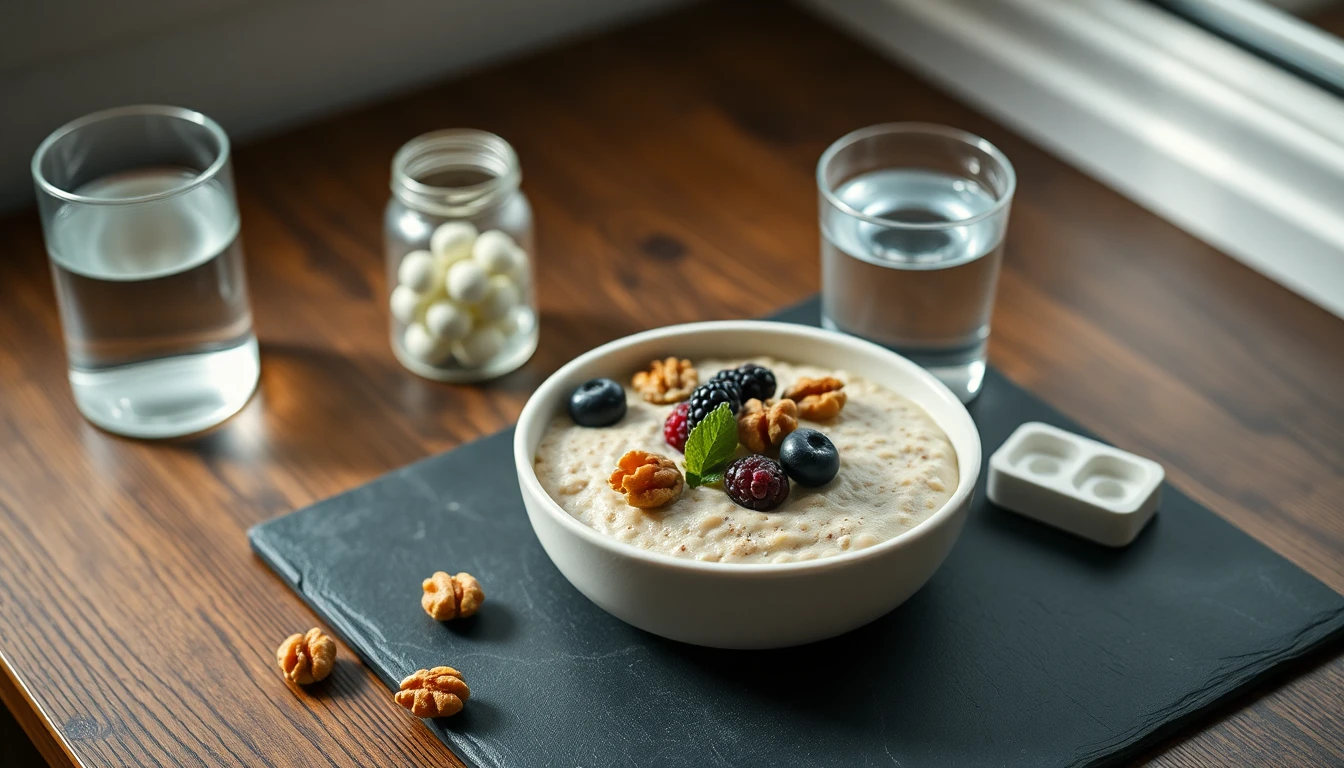
- Porridge with berries and almonds — Steel-cut oats cooked with milk, topped with fresh berries, ground flaxseed, and sliced almonds
- Greek yoghurt bowl — Full-fat Greek yoghurt with chia seeds, walnuts, and a small amount of fruit
- Wholegrain toast with eggs and avocado — Poached or scrambled eggs on seeded bread with mashed avocado and grilled tomatoes
- Vegetable omelette — Eggs with spinach, mushrooms, peppers, and a small portion of wholegrain toast
Lunch Ideas
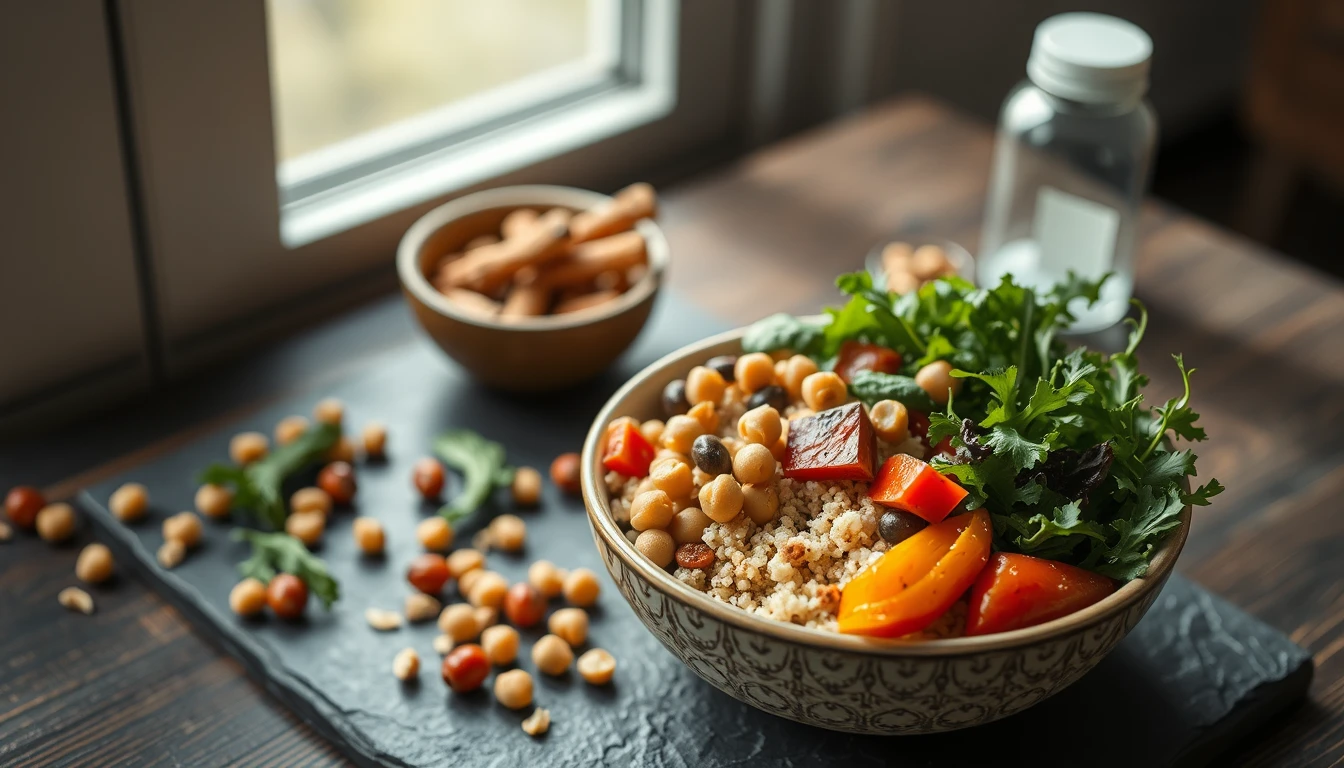
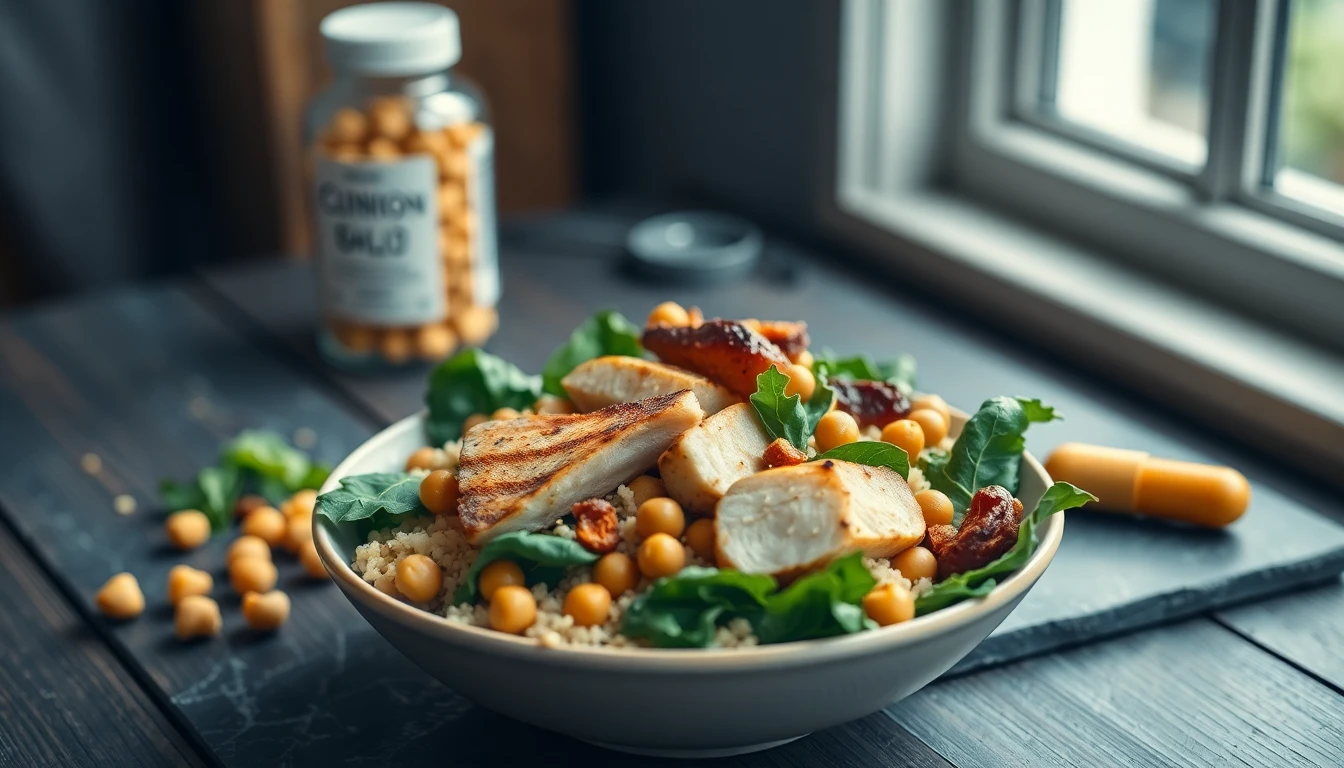
- Quinoa salad bowl — Cooked quinoa with grilled chicken, mixed leaves, cherry tomatoes, cucumber, chickpeas, and olive oil dressing
- Lentil soup with wholegrain bread — Hearty homemade lentil and vegetable soup with a slice of seeded bread
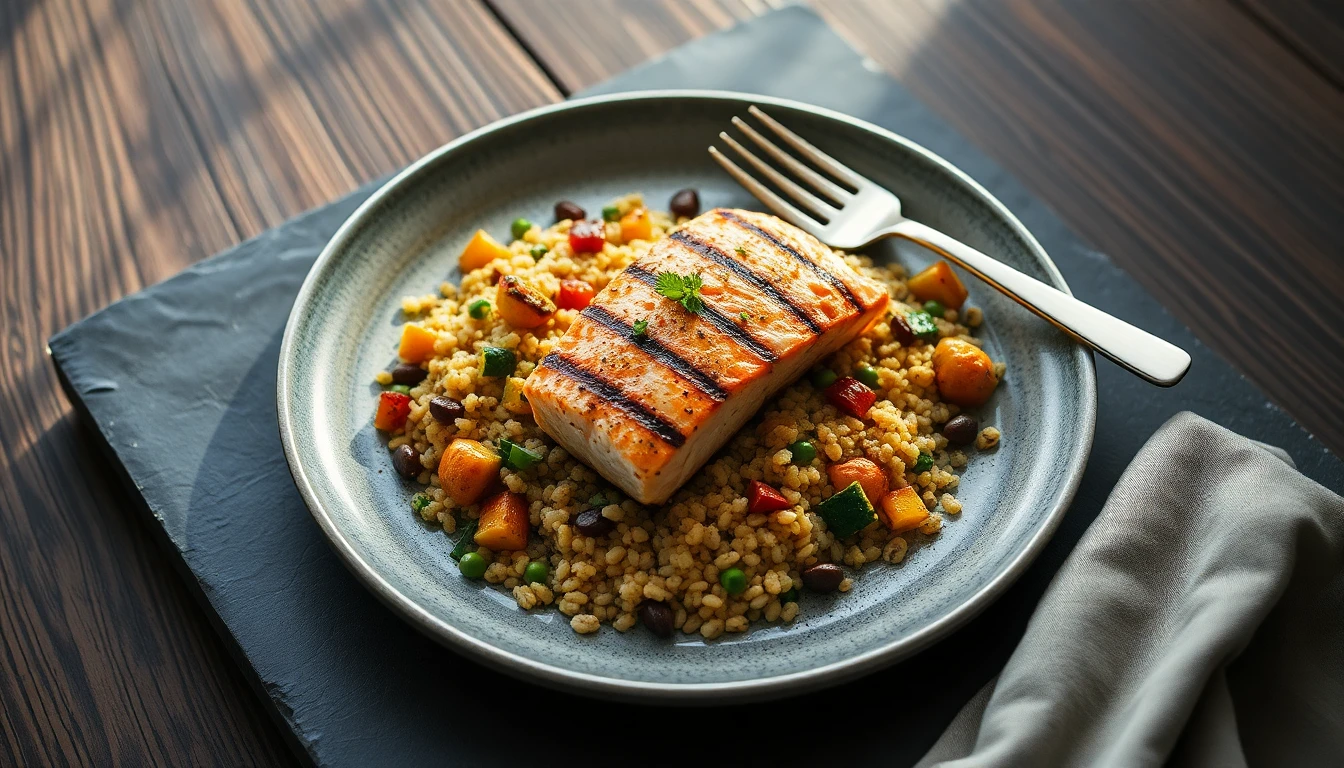
- Salmon and sweet potato — Baked salmon fillet with roasted sweet potato wedges and steamed broccoli
- Chicken and bean wrap — Wholegrain wrap filled with grilled chicken, black beans, lettuce, tomato, and avocado
Dinner Suggestions
- Prawn and vegetable stir-fry — Prawns with mixed vegetables served over brown rice or wholegrain noodles
- Mediterranean chicken — Baked chicken breast with roasted Mediterranean vegetables and bulgur wheat
- Beef and barley casserole — Slow-cooked lean beef with pearl barley, carrots, and onions
- Vegetarian curry — Chickpea and spinach curry with a small portion of brown basmati rice and a side salad
Snacks That Work
- Apple slices with almond butter — Combines fibre with protein and healthy fats
- Handful of unsalted nuts — Almonds, walnuts, or cashews provide sustained energy
- Vegetable sticks with hummus — Carrot, cucumber, and pepper with chickpea-based hummus
- Small portion of cheese with oatcakes — Provides protein and complex carbohydrates
How FreshPlate Can Help You Plan Your Metformin Diet
Managing a metformin diet doesn't have to mean second-guessing every food choice. In FreshPlate you add your medicines by brand or generic name from the NHS's own medicines list, and every recipe the app generates is built around your own medication list. For a condition such as type 2 diabetes, the app steers rather than prescribes: recipes lean towards what public UK guidance (NHS, BDA) says suits the condition, and the app never claims to treat, prevent or cure anything.
Each recipe has a For you tab that lists your medicines. For the roughly 170 medicines where the interaction checker has quoted the NHS page or US FDA label on food, it opens those words about food, quoted word for word, with a link to the checker page. For the rest, some common ones included, it says there is no advice on file yet and points you to your pharmacist. The For you tab also gives a line on why the recipe suits your goal and conditions, and whether it fits what is left of your day.
If you want a quick look at foods to watch with a medicine, the free food–medication interaction checker on the website lets you type a medication or its brand name and see the foods to watch in seconds. And if you log what you eat, you can do it by photo, barcode or search, with a pack that no database knows read off its own label on your phone.
Frequently asked questions
Should I take metformin before or after meals?
+
Take metformin with meals or immediately after eating to reduce stomach upset and nausea. Taking it on an empty stomach significantly increases the likelihood of gastrointestinal side effects. Extended-release versions are typically taken once daily with the evening meal.
What foods should I avoid whilst taking metformin?
+
Limit high-GI refined carbohydrates like white bread and sugary drinks, which work against metformin's blood-sugar-lowering effects. Moderate alcohol consumption carefully, as excessive drinking increases the risk of lactic acidosis. Large, high-fat meals may worsen digestive side effects, especially when first starting the medication.
Does metformin deplete vitamin B12?
+
Yes, long-term metformin use can reduce vitamin B12 absorption in 10-30% of users. This happens gradually over years. Include B12-rich foods like fish, meat, eggs, and dairy in your diet, and ask your doctor about having your B12 levels checked if you've been taking metformin for several years.
Can I eat fruit on metformin?
+
Yes, fruit is part of a healthy metformin diet. Choose whole fruits rather than juices, and opt for lower-GI options like berries, apples, pears, and citrus fruits. Pair fruit with protein or healthy fats—such as apple slices with almond butter—to further slow sugar absorption.
Will changing my diet reduce metformin side effects?
+
Dietary changes can significantly reduce side effects for many people. Taking metformin with meals, choosing low-GI carbohydrates, eating smaller portions, and gradually increasing fibre intake all help minimise digestive discomfort. Most side effects also improve naturally within 2-4 weeks as your body adjusts.
Sources
Did this answer your question?
Reece reads every reply. Questions we have not covered become new guides.
Eating around metformin shouldn’t be guesswork.
Get our free metformin food guide by email — the foods to watch, safe swaps, and meal ideas that work with your medication. One genuinely useful email a week — no spam, unsubscribe anytime.
Free forever. You'll also be first in line for the FreshPlate app — with a free trial at launch.