Uric Acid Stone Diet: Gout Purine Foods to Limit & Swap
Uric acid stone diet and gout diet in one guide: which purine foods to limit, what to eat instead, how much to drink, and what the evidence says on cherries.

By Reece Douglas · Founder, FreshPlate
Listen to this article
Uric Acid Stone Diet: Gout Purine Foods to Limit & Swap
If you've had a gout attack, you'll know the pain: sudden, severe joint inflammation that often strikes the big toe overnight. Gout affects around 2.5% of adults in the UK, and while medication such as allopurinol plays a central role, what you eat and drink can influence how often flares happen and how bad they are.
The link is purines, natural compounds found in varying amounts in all foods. Your body breaks purines down into uric acid. Most people clear it without trouble, but if too much builds up, uric acid can form needle-shaped crystals in joints, or stones in the kidneys and urinary tract. This guide covers both: which foods to limit, which to choose instead, and how much to drink.
What Is the Best Diet for Uric Acid Stones?
The best diet for uric acid stones is one that lowers the purine load, keeps urine dilute and makes it less acidic: drink 2.5-3 litres of fluid daily, cut organ meats and oily fish like sardines, limit red meat to modest portions, avoid beer and sugary drinks, and eat plenty of vegetables, fruit, pulses and low-fat dairy.
Uric acid stones form when urine is persistently concentrated and acidic. Aiming to pass around 2 to 2.5 litres of urine a day is the usual target, which is why fluid intake matters as much as the food list. Spread drinks across the day, including one glass before bed, rather than drinking a lot at once. Stone type should be confirmed by your doctor or kidney team, because advice differs for calcium stones, and any severe pain, fever or blood in urine needs urgent medical attention.
Here is a compact comparison for uric acid stones and gout:
- Liver, kidneys, sweetbreads — avoid — 300-1,000 mg purines per 100g, the biggest dietary trigger
- Sardines, anchovies, herring, mackerel — limit to occasional small portions — 150-350 mg purines per 100g
- Beef, pork, lamb, poultry — limit to about 90g cooked portions — moderate purines; large servings raise uric acid
- Beer and spirits — avoid or minimise — alcohol cuts uric acid excretion and beer adds yeast purines
- Sugary drinks and fruit juice in large amounts — avoid — fructose raises uric acid production
- Water, herbal tea, milk — choose freely — 2.5-3 litres total fluid keeps urine dilute
- Vegetables, pulses, whole grains — choose — plant purines don't appear to raise gout risk and fibre helps
- Low-fat milk and yoghurt — choose — linked with lower uric acid and lower gout risk
- Cherries — choose in modest amounts — associated with fewer gout attacks in studies
Why Urine Acidity Matters
Uric acid dissolves more easily in less acidic urine. Diets rich in fruit and vegetables tend to make urine less acidic, while diets heavy in animal protein make it more acidic. Doctors sometimes prescribe medication to alkalinise urine or lower uric acid, so follow your specialist's plan rather than relying on diet alone. If you take any medicines for stones or gout, FreshPlate's free food–medication interaction checker lets you see whether your regular foods clash with them.
Understanding Purines and Uric Acid
Purines form part of your DNA and RNA. Your body makes them itself, and you also take them in through food. After they break down, uric acid enters the bloodstream and normally leaves in urine via the kidneys.
Problems arise when you produce too much uric acid or excrete too little. Above roughly 360 micromol/L (about 6 mg/dL) in blood, crystal formation becomes more likely, and NICE and rheumatology guidance commonly set a treatment target at or below that level. Not everyone with high uric acid develops gout, but diet remains a cornerstone of prevention.
Diet alone typically lowers uric acid by around 10-18%, which is modest but can matter when combined with medication. It is rarely a replacement for it.
High-Purine Foods to Limit or Avoid
The highest-purine foods contain over 200 mg per 100g. These are the main dietary triggers for many people and are best avoided during active flares.
- Organ meats — liver, kidneys, sweetbreads and brain, often 300-1,000 mg per 100g
- Game meats — venison and pheasant tend to be purine-rich
- Certain seafood — anchovies, sardines, herring, mackerel, scallops and fish roe, roughly 150-350 mg per 100g
- Meat extracts and gravies — concentrated stocks, Bovril, Marmite and rich meat sauces
- Yeast extracts — large amounts of brewer's yeast or yeast spreads
- Alcohol — especially beer and spirits; alcohol also reduces uric acid excretion
What About Red Meat and Poultry?
Beef, pork, lamb and poultry contain roughly 100-175 mg purines per 100g. You don't need to cut them out, but portion size matters. The NHS advises no more than 70g a day of red and processed meat on average, so keep portions modest and meat-free days regular.
Make meat a smaller part of the plate. A stir-fry with plenty of vegetables and a little chicken balances purines far better than a large steak.
Moderate-Purine Foods: A Balanced Approach
Moderate-purine foods contain around 50-150 mg per 100g. They can usually be eaten in reasonable portions, though you should watch your own response.
- Some fish — salmon, tuna, trout and haddock are moderate and offer omega-3 fats
- Shellfish — crab and lobster are moderate; prawns sit slightly higher
- Pulses — lentils, chickpeas, beans and peas; plant purines haven't been linked to higher gout risk
- Oats and wheat bran — moderate but generally well tolerated
- Asparagus, spinach, cauliflower and mushrooms — higher in purines than other vegetables, yet not linked with more attacks
The Plant-Purine Paradox
Not all purines affect you equally. Large population studies have found that purine-rich vegetables and plant proteins don't raise gout risk, while meat and seafood purines do. Fibre, antioxidants and other plant compounds may offset the purine effect.
That means beans, lentils and purine-containing vegetables are sensible swaps for higher-risk animal proteins.
Low-Purine Foods and Smart Swaps
Low-purine foods contain under 50 mg per 100g and should form the base of your diet.
- Most vegetables — tomatoes, peppers, courgettes, carrots, potatoes, broccoli, cucumber and celery
- Most fruit — cherries, berries, apples, pears, citrus, melon and grapes
- Eggs — a low-purine protein source
- Low-fat dairy — milk, yoghurt and cheese; dairy is associated with lower uric acid
- Nuts and seeds — almonds, walnuts, sunflower and pumpkin seeds
- Whole grains — rice, quinoa, bulgur wheat, pasta and most breads
- Plant oils — olive and rapeseed oil
- Coffee and tea — fine in normal amounts; coffee is linked with modestly lower gout risk
Practical Food Swaps
Swap a large beef burger for a smaller one with extra salad and avocado. Replace fish roe on a bagel with mashed avocado and tomato. Choose chicken breast over duck. Make bolognese with half the mince and add red lentils and chopped mushrooms.
For something rich and savoury, try a vegetable soup with pearl barley rather than a meat-heavy stew. Small swaps add up across the week.
The Cherry Juice Evidence and Other Helpful Foods
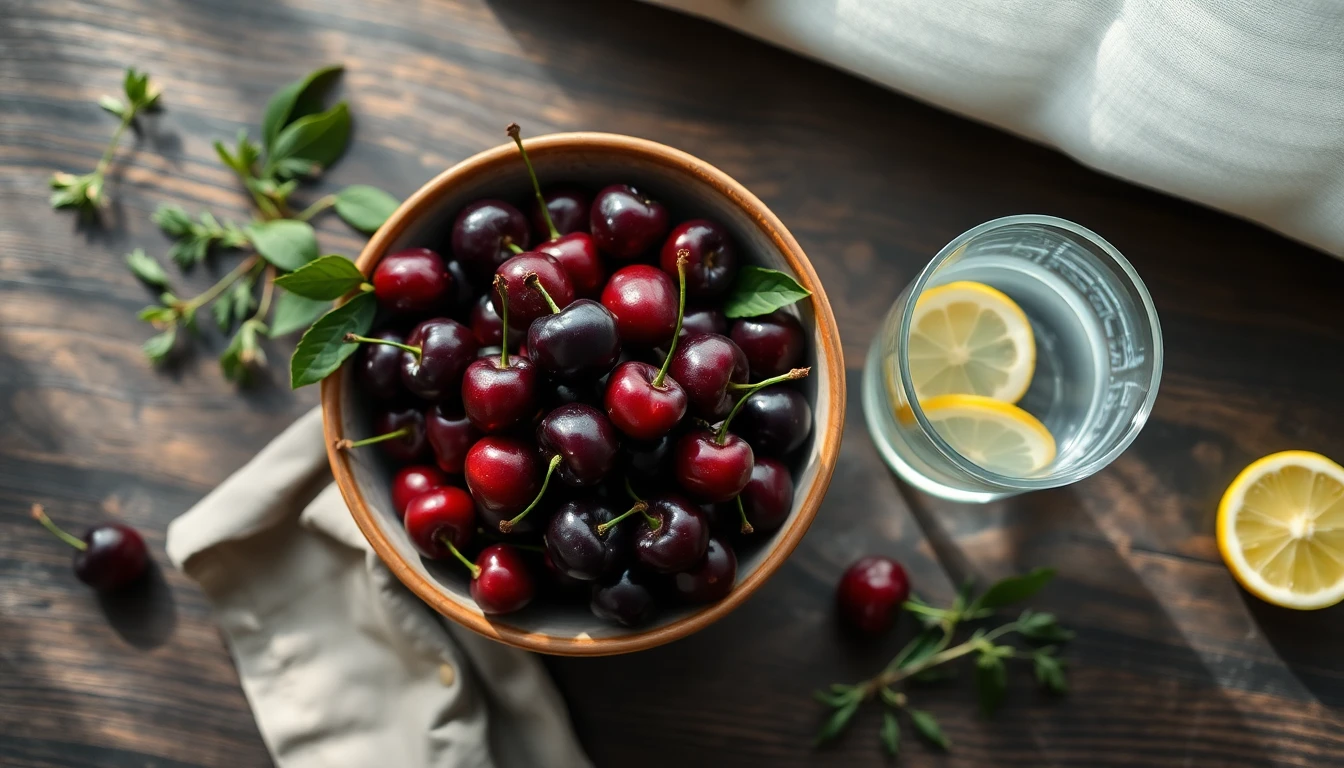
A 2012 study in Arthritis & Rheumatism found that eating cherries or cherry extract over a two-day period was associated with a 35% lower risk of gout attacks, and the effect was seen alongside allopurinol, so cherries complement treatment rather than replace it. The study was observational, so it shows an association rather than proof.
Cherries contain anthocyanins and other polyphenols with anti-inflammatory properties. Fresh, frozen, tart cherry juice or concentrate can all be used, ideally without added sugar.
Intakes in studies were around 10-12 cherries a day, roughly half a cup. Don't overdo it: cherries contain fructose, and large amounts of fructose can raise uric acid.
Other Potentially Helpful Foods
Vitamin C may modestly lower uric acid by helping kidney excretion. Get it from oranges, strawberries, kiwi, peppers and broccoli; supplements haven't shown clear gout benefits.
Low-fat dairy has been associated with lower gout risk in several studies, possibly because milk proteins help the kidneys excrete uric acid.
Hydration and Lifestyle Factors
Water is the simplest tool you have. Good hydration helps your kidneys clear uric acid and keeps urine dilute, which matters for both gout and stones. Aim for 2.5-3 litres of fluid a day, more in hot weather or when active. Water is ideal; herbal tea and milk also count. Limit sugary drinks.
Dehydration is a common trigger, which is why attacks often follow holidays (alcohol plus too little water) or illness. Keep a bottle with you rather than waiting until you're thirsty.
Maintaining a healthy weight lowers uric acid, but avoid crash diets and fasting, which can temporarily raise it and trigger attacks. Aim to lose around 0.5-1 kg a week if you need to lose weight.
Regular moderate exercise helps, though very intense exercise can briefly raise uric acid, so stay hydrated. Some medicines, including certain diuretics and low-dose aspirin, affect uric acid, so review your full medication list with your GP or pharmacist.
How FreshPlate Helps With Gout-Friendly Eating
Managing gout or uric acid stones through diet means juggling purine levels, portion sizes, fluid intake and medication. FreshPlate steers its recipes with conditions like these in mind.
When you tell FreshPlate you have a medical condition, it steers rather than prescribes: recipes lean towards what public UK guidance (NHS, BDA) says suits the condition, and the app never claims to treat, prevent or cure anything. Each recipe also has a For you tab that shows what was actually checked for you, why the recipe suits your goal and conditions, and whether it fits what is left of your day.
If you take allopurinol, colchicine or another medicine, you can type its name into our free food–medication interaction checker on the website and see the foods to watch in seconds. FreshPlate has no specific rule for these medicines, so check with your pharmacist or doctor too.
Frequently asked questions
What is the best diet for uric acid stones?
+
The best diet for uric acid stones is low in purines and high in fluid: drink 2.5-3 litres daily, avoid organ meats, limit red meat and oily fish like sardines, and avoid beer and sugary drinks. Build meals around vegetables, fruit, pulses, whole grains and low-fat dairy, and follow your kidney team's advice on medication.
Which foods should I avoid to lower uric acid?
+
Avoid or strictly limit organ meats, game, anchovies, sardines, herring, mackerel, meat extracts, beer and spirits, and sugary drinks. Keep red meat and poultry to portions of about 90g cooked. Vegetables, pulses, eggs, low-fat dairy and whole grains don't need restricting.
How much water should I drink with uric acid stones or gout?
+
Aim for 2.5-3 litres of fluid a day, enough to pass around 2 to 2.5 litres of urine. Spread it through the day and have a glass before bed. Water is best, herbal tea and milk count, and sugary drinks should be limited.
Can I ever eat red meat if I have gout?
+
Yes, in moderation. Keep portions to around 90g cooked, choose lean cuts and pair them with plenty of low-purine vegetables. Most people with gout can eat small amounts occasionally, ideally with several meat-free days each week.
Do I need to avoid all alcohol with gout?
+
Beer is the biggest concern because it contains both alcohol and yeast purines, and spirits also raise uric acid. Wine appears to have less impact in moderation. Many people with well-controlled gout tolerate occasional alcohol, but discuss it with your GP.
Are tomatoes bad for gout?
+
No. Tomatoes are low in purines and haven't been shown to increase gout attacks in research. Some people report them as a personal trigger, but most can eat them freely.
How quickly will dietary changes help my gout?
+
Expect several weeks before uric acid changes noticeably, with a typical 10-18% reduction over a few months of consistent change. Diet works best alongside medication, so keep taking prescribed treatment unless your doctor advises otherwise.
Sources
- NHS — Gout: causes, treatment and lifestyle advice
- NHS — Kidney stones: prevention and fluid intake
- NICE CKS — Gout: diet and lifestyle management
- Arthritis & Rheumatism — Cherry consumption and gout attack risk
- British Medical Journal — Dietary factors and gout risk
- American College of Rheumatology — Gout management guidelines
Did this answer your question?
Reece reads every reply. Questions we have not covered become new guides.
The right foods make living with gout easier.
Get our free gout food guide by email — what to eat more of, what to limit, and simple meals that support you day to day. One genuinely useful email a week — no spam, unsubscribe anytime.
Free forever. You'll also be first in line for the FreshPlate app — with a free trial at launch.