Kidney Disease Diet: What to Eat at Every CKD Stage
A comprehensive guide to eating with chronic kidney disease. Learn which foods to choose and limit at each stage, from protein to potassium and phosphorus.

By Reece Douglas · Founder, FreshPlate
Listen to this article
Kidney Disease Diet: What to Eat at Every CKD Stage
When you're living with chronic kidney disease (CKD), what you eat becomes one of your most powerful tools for protecting your remaining kidney function. But here's what makes it challenging: the 'right' diet isn't the same for everyone with kidney disease. What works at stage 2 CKD can be quite different from what's needed at stage 4.
Your kidneys filter waste, balance minerals, and regulate fluid in your body. As kidney function declines, they struggle with these tasks, and certain nutrients that were once harmless can build up to dangerous levels. That's why a kidney disease diet must be tailored to your specific stage of CKD, your lab results, and whether you're on dialysis. This guide walks you through the nutritional priorities at each stage, helping you understand not just what to limit, but what to eat more of.
Understanding CKD Stages and Dietary Needs
Chronic kidney disease is classified into five stages based on your estimated glomerular filtration rate (eGFR), which measures how well your kidneys filter blood. Stage 1 represents mild kidney damage with normal or high filtration, whilst stage 5 indicates kidney failure requiring dialysis or transplant.
Your dietary restrictions typically increase as you move through the stages. In early CKD, the focus is on slowing disease progression through blood pressure and diabetes control. Later stages require precise management of protein, potassium, phosphorus, and sodium to prevent complications and reduce the workload on struggling kidneys.
Early Stage CKD (Stages 1-2)
At stages 1 and 2, your kidneys are still functioning relatively well, with eGFR above 60. The primary goal is preventing further damage, which means addressing the underlying causes—usually high blood pressure or diabetes.
- Sodium — Limit to 2,300 mg daily (about 1 teaspoon of salt) to control blood pressure
- Protein — No restriction needed; maintain normal healthy intake of 0.8-1.0 g per kg body weight
- Potassium and phosphorus — Generally no restrictions unless blood tests show elevated levels
- Focus — Heart-healthy eating patterns like the DASH diet, controlling blood sugar if diabetic
Moderate CKD (Stage 3)
Stage 3 CKD, with eGFR between 30-59, is when more specific dietary changes typically begin. Your healthcare team will monitor your blood levels of potassium, phosphorus, and parathyroid hormone more closely.
- Protein — Moderate reduction to 0.6-0.8 g per kg body weight may be recommended to reduce kidney workload
- Sodium — Continue limiting to 2,000-2,300 mg daily
- Potassium — May need limiting to 2,000-3,000 mg daily if blood levels rise
- Phosphorus — Begin monitoring intake; aim for 800-1,000 mg daily if levels are elevated
Advanced CKD (Stages 4-5)
With eGFR below 30, your kidneys have lost most of their function. Diet becomes crucial for managing symptoms and preventing complications. If you start dialysis, your nutritional needs will shift again—often requiring more protein and different fluid restrictions.
- Protein — Carefully controlled, typically 0.6-0.8 g per kg body weight (higher if on dialysis)
- Potassium — Strict limitation to 2,000 mg daily or less
- Phosphorus — Limited to 800-1,000 mg daily; phosphate binders often needed with meals
- Sodium — Restricted to 1,500-2,000 mg daily
- Fluid — May require restriction based on urine output and dialysis schedule
What the experts say
“A helpful first dietary step after a CKD diagnosis is to cook with fresh, unprocessed whole foods. This reduces the salt and the phosphate and potassium additives found in processed foods. Lowering salt intake helps control blood pressure, which in turn can slow the progression of CKD.
Dietary advice in CKD depends on the stage, blood results and other medical conditions. Until you have spoken with your kidney team, avoid cutting out foods or drinks that are rich in potassium or phosphate such as bananas, potatoes, tomatoes, coffee, fruit juices, legumes or dairy, as undue restriction can do more harm than good.”
Protein in Your Kidney Disease Diet
Protein creates more waste products that your kidneys must filter, particularly urea. However, protein is also essential for maintaining muscle mass, immune function, and healing. Finding the right balance is one of the most important—and most confusing—aspects of a renal diet.
In early CKD, normal protein intake is fine. As kidney function declines, a moderate protein restriction can slow disease progression without causing malnutrition. The key is choosing high-quality, complete proteins and spreading intake throughout the day.
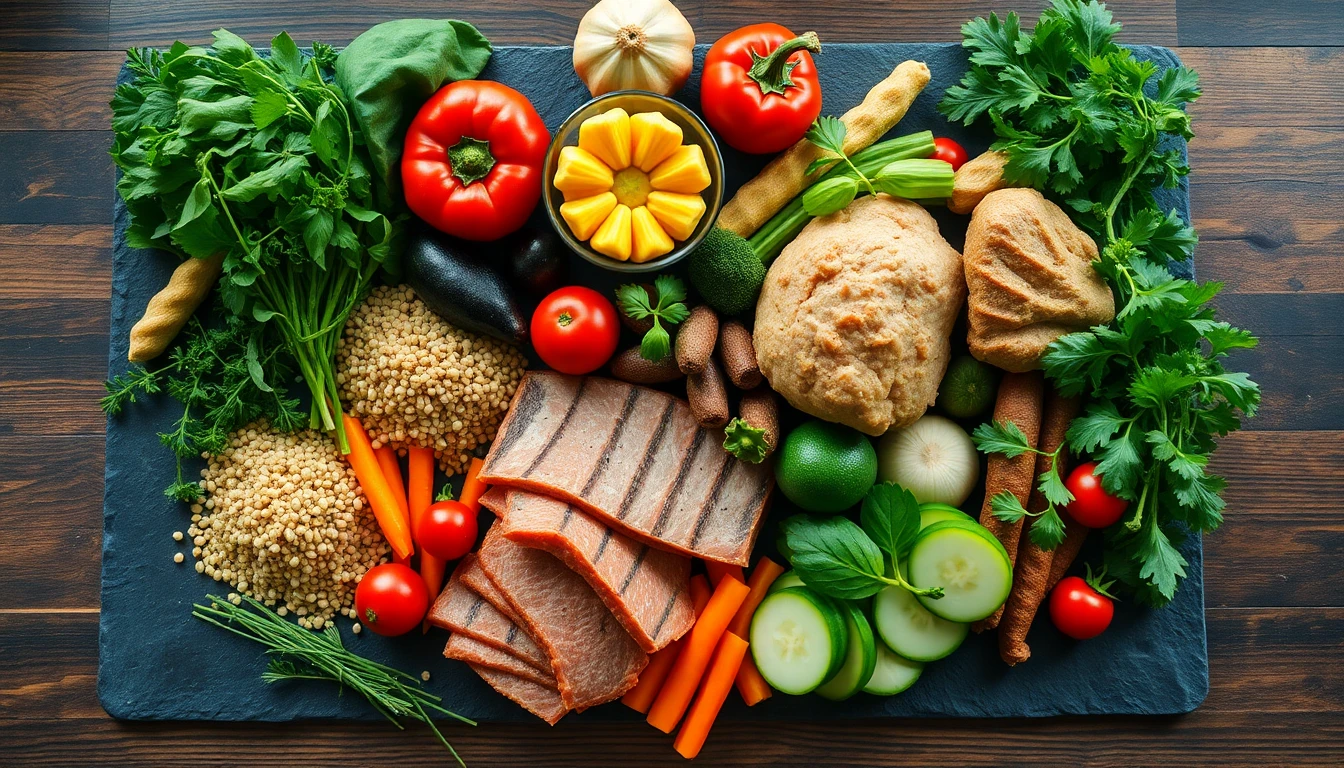
- Poultry and fish — Excellent choices; a 85g serving of chicken provides about 26g protein
- Eggs — One large egg has 6g high-quality protein with relatively low phosphorus
- Small portions of red meat — Limit to once or twice weekly due to higher phosphorus content
- Plant proteins — Beans and lentils are nutritious but higher in potassium and phosphorus; portion sizes matter
- Dairy — Rich in protein but also high in phosphorus; may need limiting in later stages
How Much Protein Do You Need?
A 70 kg person in stage 3 CKD aiming for 0.8 g per kg would need about 56g of protein daily. That might look like: one egg at breakfast (6g), 85g chicken at lunch (26g), and 85g fish at dinner (24g). Your renal dietitian can provide personalised targets based on your labs, weight, and whether you're on dialysis.
Managing Potassium Levels
Healthy kidneys excrete excess potassium, but damaged kidneys allow it to accumulate in your blood—a condition called hyperkalaemia. High potassium levels can cause dangerous heart rhythm problems, making this one of the most critical minerals to monitor in CKD.
Potassium is found in nearly all whole foods, so management involves choosing lower-potassium options and using preparation techniques to reduce content. Your potassium tolerance is individual; some people with CKD never need restrictions, whilst others must be vigilant from stage 3 onwards.
Lower-Potassium Food Choices
- Fruits — Apples, berries, grapes, pineapple, watermelon (small portions)
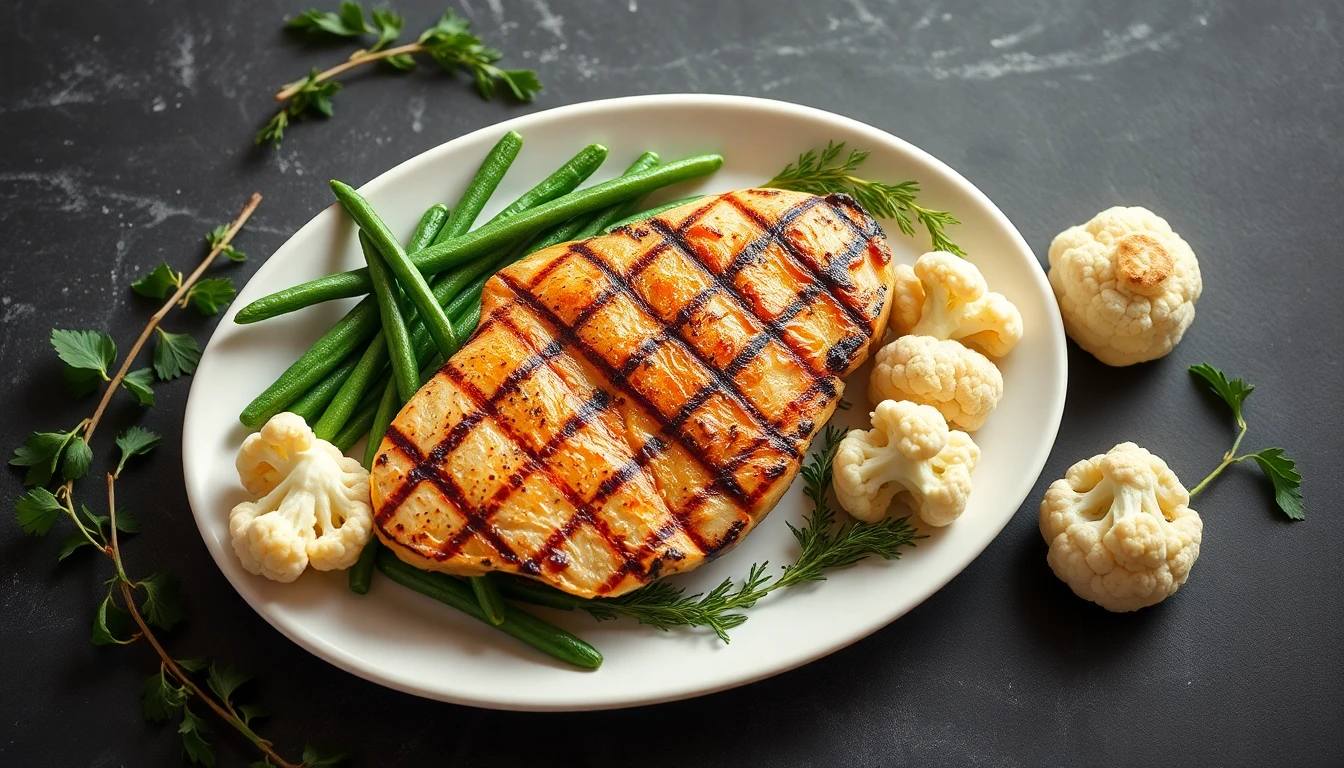
- Vegetables — Cabbage, cauliflower, cucumber, green beans, lettuce, peppers
- Grains — White bread, white rice, pasta (lower than whole grains)
- Proteins — Chicken, fish, eggs (most proteins are moderate in potassium)
High-Potassium Foods to Limit
- Fruits — Bananas, oranges, kiwi, mango, dried fruits, avocado
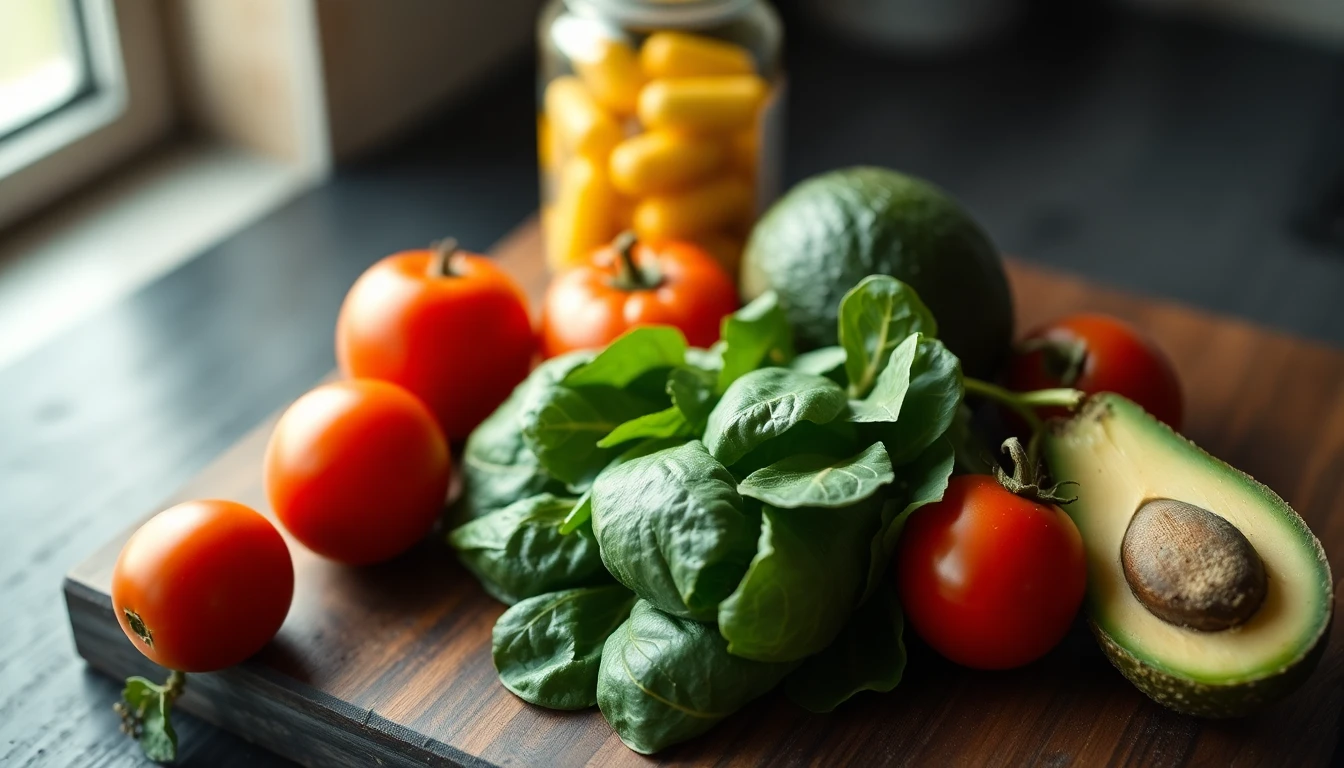
- Vegetables — Potatoes, sweet potatoes, tomatoes, spinach, mushrooms, squash
- Other — Chocolate, nuts, seeds, bran cereals, molasses, salt substitutes containing potassium chloride
Leaching Technique for Potatoes
If you love potatoes, leaching can reduce potassium content by 50-75%. Peel and dice the potato into small pieces, rinse under cold water, then soak in a large pot of warm water for at least two hours. Drain, rinse again, and cook in fresh water. Whilst this helps, portion control remains important.
Controlling Phosphorus Intake
When kidneys fail to remove phosphorus efficiently, blood levels rise and calcium levels fall, triggering a cascade of problems. Your parathyroid glands respond by releasing hormones that pull calcium from bones, leading to bone disease. High phosphorus also combines with calcium in your blood to form deposits in blood vessels, heart, and other organs.
Phosphorus control is challenging because it's present in most protein-rich foods, and food labels don't always list phosphorus content. Additionally, the phosphorus in processed foods (phosphate additives) is almost completely absorbed, whereas only 40-60% of natural phosphorus from whole foods is absorbed.
- Lower-phosphorus proteins — Egg whites, chicken breast, fish (especially white fish), small portions of beef
- Avoid or limit — Processed meats, cheese, milk, yogurt, nuts, seeds, beans, lentils, whole grains, cola drinks
- Read labels — Watch for ingredients containing 'PHOS': dicalcium phosphate, phosphoric acid, sodium phosphate
- Phosphate binders — Your doctor may prescribe these tablets to take with meals, blocking phosphorus absorption
Dairy Alternatives for CKD
Traditional dairy is high in both phosphorus and potassium, creating a challenge for bone health and calcium intake. Unenriched rice milk and almond milk are lower in these minerals, but check labels carefully—many alternatives are fortified with calcium phosphate. Your renal team may recommend calcium supplements without phosphorus if dietary calcium is insufficient.
Sodium and Fluid Management
Sodium causes fluid retention, increases blood pressure, and makes your heart work harder—all serious concerns when kidneys can't excrete excess fluid efficiently. Most people with CKD should limit sodium to 1,500-2,300 mg daily, but the average UK diet contains 3,200 mg or more.
About 75% of dietary sodium comes from processed and restaurant foods, not the salt shaker. Reading labels becomes essential, as does cooking from scratch whenever possible.
- High-sodium foods to avoid — Processed meats (bacon, ham, sausages), tinned soups and vegetables with salt, crisps and savoury snacks, ready meals, takeaways, cheese, bread (surprisingly high)
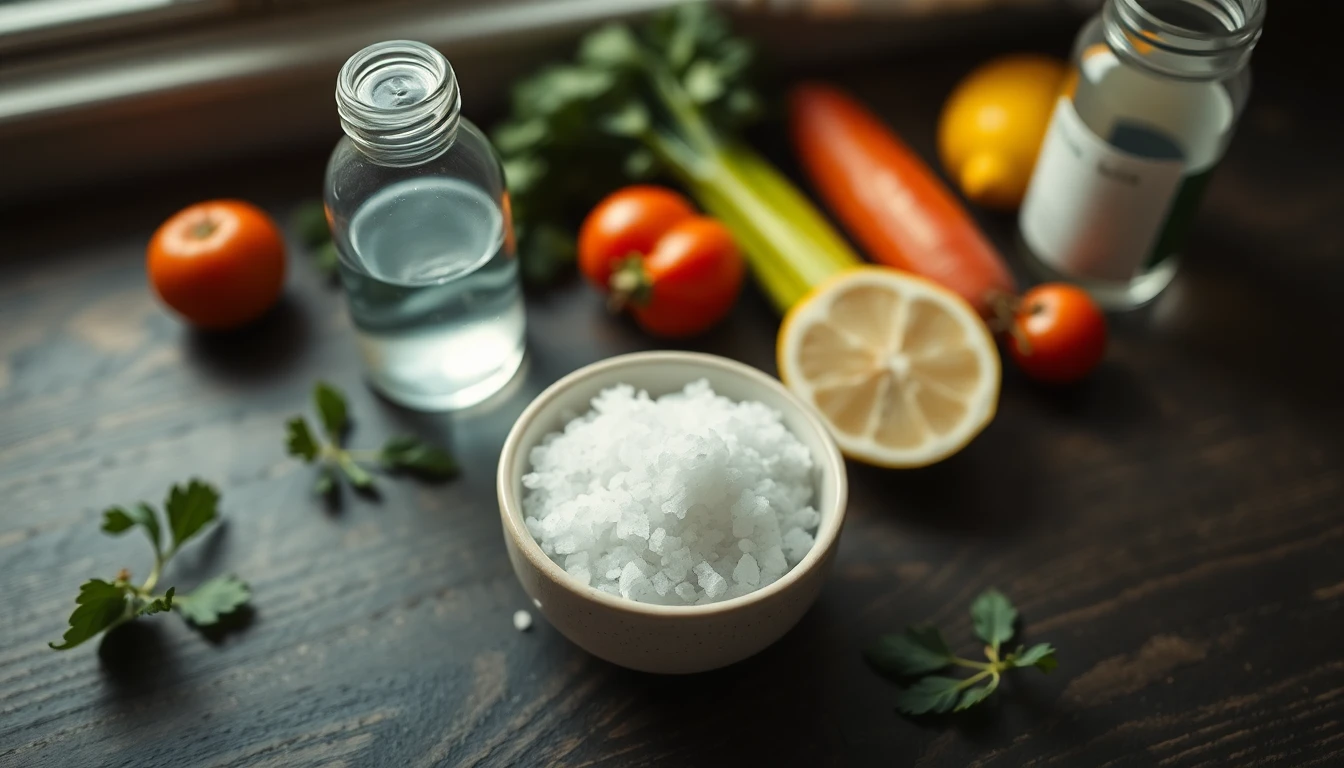
- Low-sodium strategies — Cook with herbs, spices, lemon, and garlic instead of salt; rinse tinned goods; choose 'no added salt' versions
- Fluid restriction — May be necessary in stages 4-5 or on dialysis; typically 1-1.5 litres daily including soup, ice cream, and foods that melt
Managing Thirst on Fluid Restriction
If you're on fluid restriction, thirst can be challenging. Try sucking on ice chips (count towards fluid allowance), freezing grapes or berries for a refreshing treat, chewing sugar-free gum, or rinsing your mouth without swallowing. Controlling sodium intake also reduces thirst significantly.
How FreshPlate Supports Your Kidney Disease Diet
Working out what to eat with kidney disease, whilst still enjoying your meals, is genuinely difficult. FreshPlate is built to help with the everyday side of it: choosing recipes, understanding why they suit you, and keeping track of what you eat.
Every recipe the app generates is built around your own medication list. You add each medicine by brand or generic name from the NHS's own medicines list, and the app reads it by its active ingredient. For a medical condition such as kidney disease, FreshPlate steers rather than prescribes: recipes lean towards what public UK guidance (NHS, BDA) says suits the condition, and the app never claims to treat, prevent or cure anything. Each recipe has a For you tab that lists your medicines and explains why the recipe suits your goals and conditions. Where we have quoted the NHS or US FDA words about food for one of your medicines, you'll see them word for word, with a link to the interaction checker. Where we haven't, the tab says there is no advice on file yet and points you to your pharmacist.
Rather than guessing, you can log meals by photo, barcode or search, and a pack that no database knows is read off its own label on your phone, with the ingredients checked against your allergens and food rules. Your kidney team and pharmacist remain the people to ask about your own limits and medicines; FreshPlate is there to make everyday choices a little easier.
Frequently asked questions
Can you eat potatoes with kidney disease?
+
Yes, but preparation matters. Regular potatoes are high in potassium, so use the leaching technique (peel, dice, soak for 2+ hours, rinse, and cook in fresh water) to reduce potassium by 50-75%. Even then, watch portion sizes and factor them into your daily potassium allowance.
Is chicken or fish better for kidney disease?
+
Both are excellent protein choices for CKD. Fish, especially white fish like cod or haddock, tends to be slightly lower in phosphorus than chicken. Aim for variety, avoid processed versions with added phosphates, and stick to your prescribed portion sizes to manage protein intake appropriately.
What breakfast is good for kidney disease?
+
Lower-potassium options include: scrambled eggs with white toast and a small portion of berries, porridge made with water or rice milk topped with apple slices, or a bagel with cream cheese (small amount) and cucumber. Avoid bran cereals, bananas, and orange juice, which are high in potassium.
Do I need a renal diet if I have stage 2 kidney disease?
+
Stage 2 CKD typically doesn't require strict renal diet restrictions. Focus on controlling blood pressure and blood sugar with a heart-healthy diet like DASH, limiting sodium to around 2,300 mg daily, and maintaining normal protein intake. Your healthcare team will monitor labs and advise if restrictions become necessary.
Why is cheese bad for kidney disease?
+
Cheese is problematic in CKD because it's high in phosphorus, sodium, and often potassium—three minerals that must be carefully managed as kidney function declines. It also contains saturated fat. Small portions of lower-phosphorus cheeses like cream cheese or ricotta may be better tolerated than hard aged cheeses.
Sources
Did this answer your question?
Reece reads every reply. Questions we have not covered become new guides.
The right foods make living with kidney disease easier.
Get our free kidney disease food guide by email — what to eat more of, what to limit, and simple meals that support you day to day. One genuinely useful email a week — no spam, unsubscribe anytime.
Free forever. You'll also be first in line for the FreshPlate app — with a free trial at launch.