Fermented Foods Gut Health: What the Science Says
Discover how fermented foods like kefir, kimchi and sauerkraut support gut health. Evidence-based guide to probiotics, prebiotics and your microbiome.

By Reece Douglas · Founder, FreshPlate

Listen to this article
Fermented Foods Gut Health: What the Science Says
Walk down any supermarket aisle lately and you'll notice fermented foods are having a moment. Kombucha, kimchi, kefir and sauerkraut now share shelf space with traditional yoghurts, all promising to transform your gut health. But beyond the marketing claims, what does the science actually tell us about fermented foods and your digestive system?
The relationship between fermented foods and gut health is more nuanced than many headlines suggest. Whilst research shows promising benefits for certain fermented foods, not all fermentation creates equal results, and individual responses vary considerably. Understanding the difference between probiotics and prebiotics, knowing which foods deliver genuine benefits, and recognising how they fit into your overall diet can help you make informed choices rather than following trends.
Understanding Probiotics, Prebiotics and Your Gut Microbiome
Before diving into specific fermented foods, it's essential to understand what we're actually talking about when we discuss gut health. Your digestive system houses trillions of microorganisms collectively known as your gut microbiome. These bacteria, fungi and other microbes play crucial roles in digestion, immune function, vitamin production and even mental health.
The confusion often starts with terminology. Probiotics and prebiotics sound similar but serve completely different functions in supporting your microbiome.
What Probiotics Actually Are
Probiotics are live microorganisms that, when consumed in adequate amounts, may confer health benefits. They're the actual bacteria found in fermented foods or supplements. However, not all bacteria survive the journey through your acidic stomach to reach your intestines, and not all strains provide proven benefits.
- Lactobacillus species — commonly found in yoghurt and kefir, some strains may help with lactose digestion and diarrhoea
- Bifidobacterium species — prevalent in certain yoghurts, potentially beneficial for IBS symptoms and immune function
- Saccharomyces boulardii — a yeast used therapeutically for antibiotic-associated diarrhoea
Why Prebiotics Matter Just as Much
Prebiotics are types of fibre that feed the beneficial bacteria already living in your gut. Think of probiotics as planting new seeds in a garden, whilst prebiotics are the fertiliser that helps everything grow. Research increasingly suggests that prebiotics may be even more important than probiotics for long-term gut health.
Foods rich in prebiotics include onions, garlic, leeks, asparagus, bananas, oats and Jerusalem artichokes. These contain specific fibres like inulin and fructooligosaccharides that your gut bacteria ferment, producing beneficial compounds called short-chain fatty acids.
The Evidence Behind Popular Fermented Foods for Gut Health
Not all fermented foods are created equal when it comes to gut health benefits. Fermentation is simply a metabolic process where microorganisms break down sugars and starches. Whilst this process creates distinctive flavours and can increase shelf life, it doesn't automatically guarantee probiotic benefits.
Yoghurt and Kefir: The Most Studied Options
Traditional yoghurt and kefir have the strongest scientific backing for gut health benefits. Live yoghurt cultures must contain Lactobacillus bulgaricus and Streptococcus thermophilus, though many brands add additional probiotic strains.
A 2021 study published in Cell found that consuming fermented foods, particularly yoghurt and kefir, increased microbiome diversity and reduced markers of inflammation. Kefir typically contains a more diverse range of bacterial strains than yoghurt, along with beneficial yeasts, though individual tolerance varies.
- Greek yoghurt — higher protein content but check labels, as some brands are heat-treated after fermentation, killing live cultures
- Kefir — contains 30-50 different microbial strains compared to yoghurt's handful, though tangier taste isn't for everyone
- Skyr — Icelandic-style yoghurt with high protein and live cultures, though often lower in diversity than kefir
- Plant-based alternatives — coconut or soya yoghurts can be fermented, but check for 'live cultures' label as many are simply flavoured
Kimchi and Sauerkraut: Traditional Vegetable Ferments
These fermented vegetables offer different bacterial profiles than dairy-based options. Traditional preparation methods create diverse microbial communities, though commercial versions vary significantly in live culture content.
Research on kimchi shows it contains Lactobacillus species alongside other beneficial bacteria. A Korean study found regular kimchi consumption was associated with reduced body fat and improved metabolic markers, though it's difficult to separate these effects from overall dietary patterns. Sauerkraut provides similar bacterial diversity when unpasteurised, plus vitamin C and K.
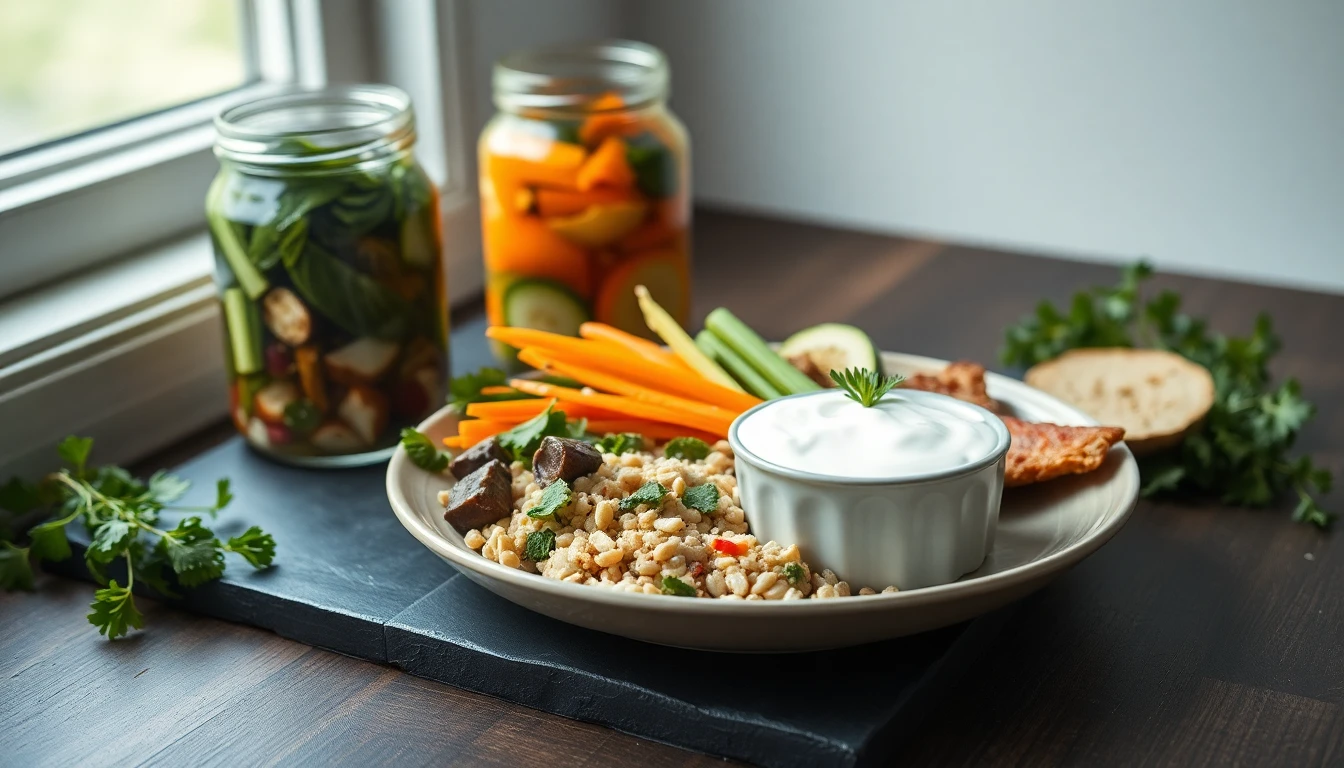
- Fresh, unpasteurised versions — found in refrigerated sections, contain live bacteria unlike shelf-stable jars
- Sodium content — both can be high in salt, important consideration for those managing blood pressure
- FODMAP considerations — fermented vegetables may trigger symptoms in people with IBS, despite being considered 'gut-healthy'
What About Kombucha and Other Trendy Options?
Kombucha, the fermented tea drink, contains various bacteria and yeasts, but research on specific health benefits remains limited. Most studies showing benefits use small sample sizes or are conducted in laboratory settings rather than human trials.
Other fermented foods like miso, tempeh and traditional pickles offer nutritional benefits and diverse flavours, but calling them 'superfoods' for gut health overstates current evidence. They're nutritious additions to varied diets rather than miracle workers.
What the Research Actually Shows About Fermented Foods and Gut Health
The Stanford study published in Cell in 2021 provides some of the most robust evidence we have. Researchers found that a diet high in fermented foods increased microbiome diversity and decreased inflammatory markers over 10 weeks. Importantly, these benefits were seen with an average of six servings daily of various fermented foods.
However, the same study found that a high-fibre diet, whilst excellent for overall health, didn't significantly increase microbiome diversity in the short term. This challenges the assumption that fibre alone optimises gut health, though long-term fibre intake remains crucial for numerous health outcomes.
A systematic review in the journal Nutrients examined multiple studies on fermented foods and concluded that regular consumption may benefit digestive comfort, immune function and metabolic health, but noted that study quality varied considerably and more rigorous trials are needed.
- Microbiome diversity — generally considered a marker of gut health, though we don't yet fully understand optimal diversity levels
- Individual variation — response to fermented foods varies based on existing microbiome composition, genetics and overall diet
- Dose matters — occasional fermented food consumption likely provides minimal benefit compared to regular intake
- Quality differences — commercial production methods, pasteurisation and storage significantly affect live culture content
Practical Considerations: Are Fermented Foods Right for You?
Whilst fermented foods show promise for many people, they're not universally beneficial. Understanding potential interactions with medications and health conditions helps you make safe, informed choices.
When to Exercise Caution
People with compromised immune systems, including those undergoing chemotherapy or taking immunosuppressant medications, should consult their doctor before significantly increasing fermented food intake. Whilst rare, infections from probiotic bacteria can occur in immunocompromised individuals.
If you have histamine intolerance, fermented foods may trigger symptoms like headaches, flushing or digestive discomfort. The fermentation process increases histamine content in foods. Those with IBS may find certain fermented foods helpful whilst others, particularly high-FODMAP options, worsen symptoms.
Medication Interactions to Consider
Some fermented foods, particularly aged cheeses and certain fermented soya products, contain tyramine. This compound can interact with monoamine oxidase inhibitors (MAOIs), a class of antidepressants, potentially causing dangerous blood pressure spikes.
Fermented foods don't typically interact with common medications like statins or ACE inhibitors, but their vitamin K content, particularly in sauerkraut and kimchi, may affect warfarin dosing. Consistency rather than avoidance is key if you take warfarin.
Starting Slowly and Monitoring Response
If you're new to fermented foods, introduce them gradually. Starting with large amounts can cause temporary bloating, gas or digestive discomfort as your microbiome adjusts. Begin with small portions of milder options like yoghurt before progressing to stronger ferments like kimchi or kefir.
Keep a simple food diary noting how you feel after consuming fermented foods. What works brilliantly for your neighbour might not suit your digestive system, and that's perfectly normal.
Building a Gut-Friendly Diet Beyond Fermented Foods
Fermented foods work best as part of a diverse, fibre-rich diet rather than as standalone solutions. The most current research suggests that combining fermented foods with plenty of plant diversity offers the greatest benefits for gut health.
Aim for 30 different plant foods weekly, including vegetables, fruits, wholegrains, legumes, nuts and seeds. This diversity provides various prebiotic fibres that feed different beneficial bacteria. Fermented foods then add to this foundation by introducing additional microbial diversity.
- Pair probiotics with prebiotics — have yoghurt with banana and oats, or kimchi alongside brown rice and vegetables
- Rotate fermented foods — different options provide different bacterial strains and nutritional profiles
- Focus on whole foods — supplements may have a place, but whole fermented foods provide additional nutrients and compounds
- Stay hydrated — adequate water intake supports the fibre and fermented foods in your diet
How FreshPlate Works Around Your Medications and Conditions
Fermented foods can be trickier to fit in when you take regular medication or manage a health condition. FreshPlate builds every recipe it generates around your own medication list, and each recipe has a For you tab that shows what was actually checked and why the recipe suits you.
If you take warfarin, the app handles it as "keep vitamin K steady", not "avoid greens", which is the sensible approach to consistent vitamin K intake from fermented vegetables. Medicines are added by brand or generic name, and the app reads each one by its active ingredient. For about 170 of them, the For you tab opens the NHS or US FDA words about food, quoted word for word. For the rest, it says there is no advice on file yet and points you to your pharmacist. A few interactions are hard blocks, such as tyramine-rich foods with MAOIs, which matters because some ferments are high in tyramine. Everything else is advisory.
Rather than following generic gut health advice, you can use FreshPlate to build recipes around your medicines, allergens, diet and cultural or religious food preferences. For medical conditions the app steers rather than prescribes: recipes lean towards what public UK guidance (NHS, BDA) says suits the condition, and it never claims to treat, prevent or cure anything. If you have a question about a particular ferment and your medication, check with your pharmacist or GP.
Frequently asked questions
Do fermented foods need to be refrigerated to maintain probiotic benefits?
+
Yes, most fermented foods require refrigeration to keep bacterial cultures alive. Shelf-stable versions found in ambient aisles have typically been pasteurised, which kills beneficial bacteria. Always choose refrigerated options and check labels for 'live cultures' or 'unpasteurised' if seeking probiotic benefits.
How much fermented food do I need to eat daily for gut health benefits?
+
Research suggests consuming fermented foods at multiple meals provides greater benefits than occasional intake. The Stanford study showing increased microbiome diversity used an average of six servings daily, though even smaller regular amounts may offer benefits. Start with one small serving daily and gradually increase based on tolerance.
Can I get the same benefits from probiotic supplements as fermented foods?
+
Fermented foods offer benefits beyond isolated probiotic strains, including additional nutrients, prebiotics and diverse bacterial communities. Whilst quality supplements have their place, particularly for specific medical conditions, whole fermented foods provide a more complex nutritional package. Supplements may be useful when fermented foods aren't tolerated or dietary variety is limited.
Why do fermented foods sometimes make my IBS symptoms worse?
+
Many fermented foods, including kimchi and some yoghurts, contain FODMAPs that can trigger IBS symptoms despite their probiotic content. Additionally, the fermentation process produces gases and compounds that some digestive systems don't tolerate well. Choose low-FODMAP fermented options like lactose-free yoghurt or small amounts of sauerkraut, and introduce them very gradually.
Are homemade fermented foods safer than shop-bought versions?
+
Home fermentation can be safe when proper methods are followed, but commercial products undergo quality controls that reduce contamination risk. If fermenting at home, use tested recipes, maintain proper acidity levels and watch for signs of spoilage. Commercial products are often more consistent in bacterial strains and safety, particularly for those new to fermented foods.
Sources
Did this answer your question?
Reece reads every reply. Questions we have not covered become new guides.
Small food changes. Big difference.
Get practical gut health tips by email — simple, evidence-based changes you can make this week. One genuinely useful email a week — no spam, unsubscribe anytime.
Free forever. You'll also be first in line for the FreshPlate app — with a free trial at launch.