Soluble vs Insoluble Fibre: Food Sources & Benefits
Learn the difference between soluble and insoluble fibre, which foods contain each type, and how both support your gut health and overall wellbeing.

By Reece Douglas · Founder, FreshPlate
Listen to this article
Soluble vs Insoluble Fibre: Food Sources & Benefits
You've probably heard you need more fibre in your diet. But did you know that not all fibre works the same way in your body? The two main types—soluble and insoluble fibre—each play distinct roles in keeping your digestive system healthy, supporting heart health, and even helping to manage blood sugar levels.
Understanding which foods contain which type of fibre can help you make smarter choices, especially if you're managing a health condition, taking certain medications, or simply trying to improve your gut health. In this guide, we'll explain the difference between soluble and insoluble fibre, show you which foods are richest in each type, and explain why eating a variety of both matters for your long-term wellbeing.
What Is Dietary Fibre and Why Does It Matter?
Dietary fibre refers to the parts of plant foods that your body can't fully digest or absorb. Unlike proteins, fats, and carbohydrates, fibre passes relatively intact through your stomach, small intestine, and colon. That might sound useless, but fibre is anything but—it's essential for digestive health, disease prevention, and maintaining a healthy weight.
The NHS recommends that adults consume 30g of fibre per day, yet most people in the UK only manage around 18g. This shortfall has real consequences: low fibre intake is linked to constipation, increased risk of bowel cancer, heart disease, and type 2 diabetes. Fortunately, understanding the two main types of fibre—and which foods provide them—makes it much easier to hit your daily target.
Understanding Soluble Fibre
Soluble fibre dissolves in water to form a gel-like substance in your digestive tract. This unique property gives it several important health benefits, particularly for your heart and blood sugar control.
How Soluble Fibre Works
When soluble fibre reaches your large intestine, it's fermented by the trillions of bacteria living there. This fermentation process produces short-chain fatty acids, which nourish the cells lining your colon, reduce inflammation, and may even help regulate your immune system. The gel-like consistency also slows down digestion, which helps you feel fuller for longer and prevents rapid spikes in blood glucose after meals.
Research shows that soluble fibre can help lower LDL ('bad') cholesterol by binding to cholesterol particles in your digestive system and removing them from your body before they enter your bloodstream. This is one reason why high-fibre diets are consistently recommended for heart health.
Top Food Sources of Soluble Fibre
- Oats and oat bran — particularly rich in beta-glucan, a type of soluble fibre shown to lower cholesterol
- Barley — another excellent source of beta-glucan, great in soups and stews
- Beans and lentils — black beans, kidney beans, chickpeas, and red lentils all provide substantial soluble fibre
- Apples — the pectin in apples is a well-known soluble fibre; keep the skin on for extra insoluble fibre too
- Citrus fruits — oranges, grapefruits, and lemons contain pectin in their flesh and membranes
- Carrots — raw or cooked, carrots offer a good mix of both fibre types but are especially rich in soluble pectin
- Psyllium husk — often used in fibre supplements, this is almost pure soluble fibre and very effective for regularity
- Flaxseeds — when ground, these release mucilage, a gel-forming soluble fibre, plus healthy omega-3 fats
- Brussels sprouts and broccoli — cruciferous vegetables contribute soluble fibre along with important phytonutrients
Health Benefits of Soluble Fibre
- Blood sugar control — slows the absorption of sugar, helping to improve blood glucose levels after meals
- Cholesterol reduction — binds bile acids and cholesterol, lowering LDL cholesterol by up to 10% in some studies
- Gut microbiome support — acts as a prebiotic, feeding beneficial bacteria that produce vital compounds for gut health
- Weight management — increases satiety and delays stomach emptying, which can help reduce overall calorie intake
Understanding Insoluble Fibre
Unlike its soluble counterpart, insoluble fibre doesn't dissolve in water. Instead, it remains largely intact as it travels through your digestive system, adding bulk to your stool and helping food pass more quickly through your stomach and intestines.
How Insoluble Fibre Works
Insoluble fibre acts like a natural broom for your digestive tract. It adds weight and softness to stools, making them easier to pass and reducing the time waste spends in your colon. This is crucial for preventing constipation and may reduce the risk of developing diverticular disease and haemorrhoids.
Because insoluble fibre speeds up transit time through the gut, it also means that potential carcinogens spend less time in contact with the lining of your intestines. This is one of the reasons why high-fibre diets are associated with a lower risk of colorectal cancer.
Top Food Sources of Insoluble Fibre
- Wheat bran — one of the richest sources of insoluble fibre, found in wholemeal bread and bran cereals
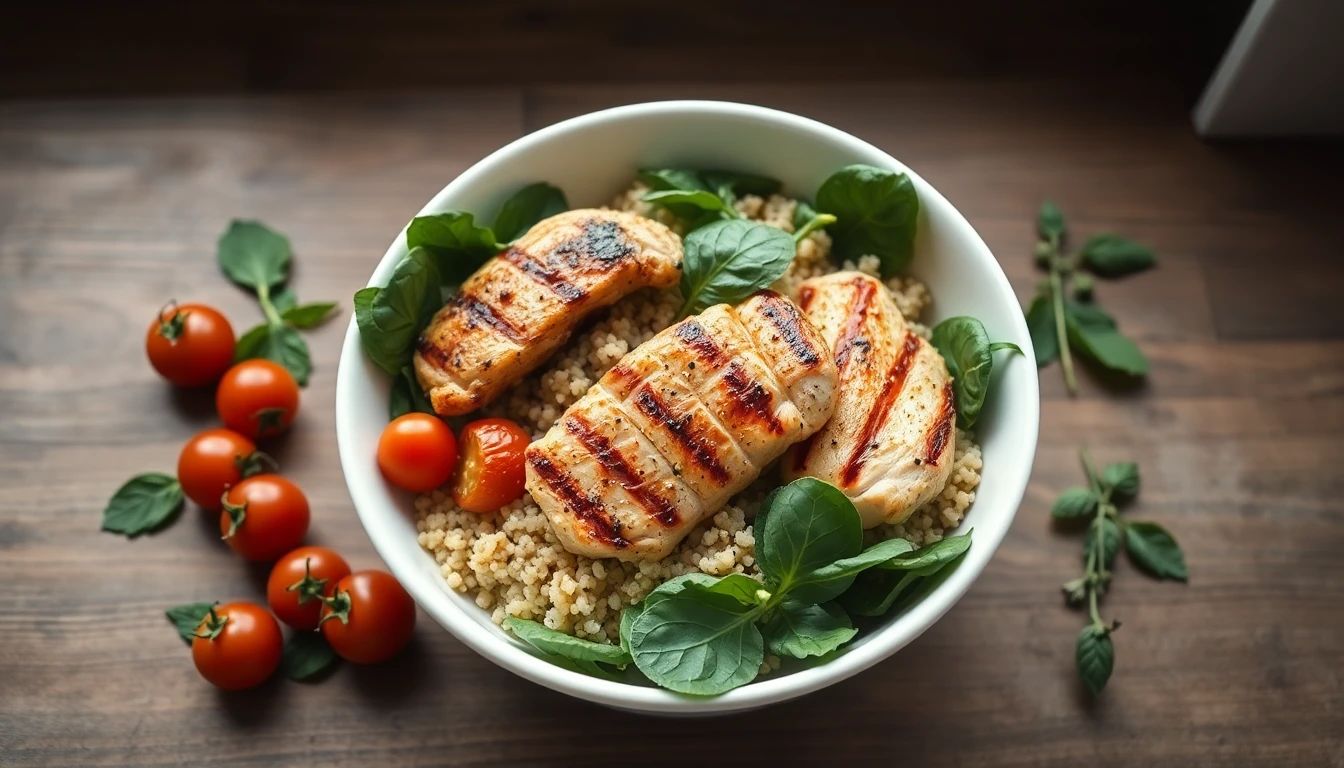
- Whole grains — brown rice, bulgur wheat, quinoa, and wholegrain pasta all provide substantial insoluble fibre
- Nuts and seeds — almonds, walnuts, sunflower seeds, and chia seeds offer both protein and fibre
- Potato skins — leave the skin on your baked or roasted potatoes for a fibre boost
- Green beans — the stringy texture is a giveaway that they're packed with insoluble fibre
- Cauliflower and cabbage — these cruciferous vegetables are excellent for digestive regularity
- Courgettes — especially the skin, which is rich in cellulose
- Tomatoes — the seeds and skin contain most of the insoluble fibre
- Wholemeal flour — switch from white to wholemeal in your baking to significantly increase insoluble fibre intake
Health Benefits of Insoluble Fibre
- Prevents constipation — adds bulk and softness to stools, promoting regular bowel movements
- Reduces risk of bowel disease — may lower the risk of diverticular disease and haemorrhoids
- Supports detoxification — speeds the removal of waste and toxins from the colon
- Promotes digestive regularity — helps maintain a predictable and comfortable digestive rhythm
How Much Fibre Do You Actually Need?
The UK's National Health Service recommends that adults eat at least 30g of fibre per day as part of a healthy, balanced diet. Children need less, depending on their age: around 15g for those aged 2–5 years, 20g for 5–11 years, and 25g for 11–16 years.
Most people in the UK fall well short of this target. Government surveys show average intake is closer to 18g per day for adults, which means many of us are missing out on fibre's protective benefits. The good news is that small, consistent changes to your diet can make a big difference. Swapping white bread for wholemeal, adding beans to meals, and snacking on fruit and nuts are simple ways to increase your intake.
It's important to increase fibre gradually and drink plenty of water, especially when boosting insoluble fibre. A sudden jump in fibre intake without adequate hydration can actually worsen constipation or cause bloating and discomfort. Aim to spread your fibre intake throughout the day and include a mix of both soluble and insoluble sources.
Combining Soluble and Insoluble Fibre for Optimal Health
Most plant-based foods contain a mixture of both soluble and insoluble fibre, just in different proportions. For example, an apple has soluble pectin in its flesh and insoluble cellulose in its skin. Oats are rich in soluble beta-glucan but also provide some insoluble fibre. This natural combination is exactly what your body needs.
Rather than obsessing over which type of fibre is in every food, focus on eating a wide variety of whole plant foods every day. Include plenty of vegetables, fruits, whole grains, beans, lentils, nuts, and seeds. This approach ensures you're getting both types of fibre along with a broad spectrum of vitamins, minerals, and phytonutrients.
Sample High-Fibre Day
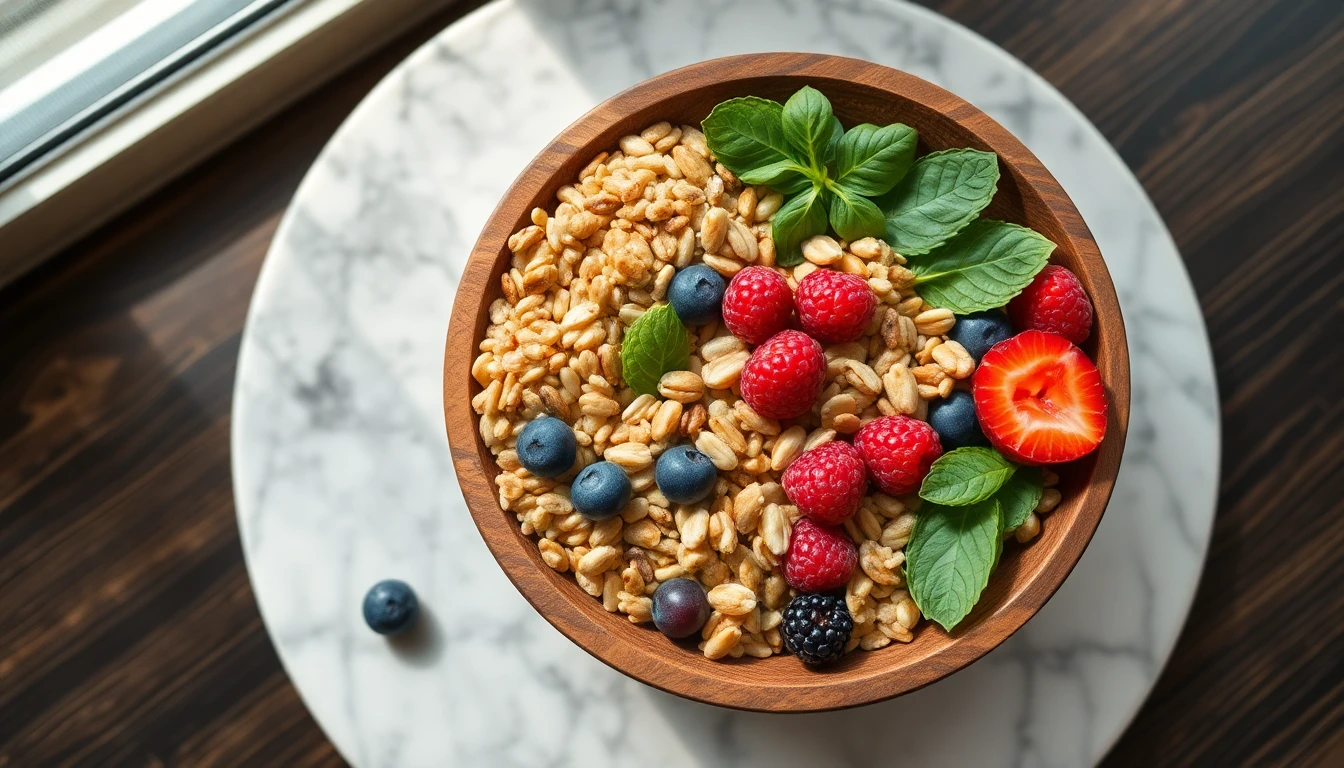
- Breakfast — porridge made with 50g oats, topped with sliced banana and a tablespoon of ground flaxseeds (approx. 8g fibre)
- Mid-morning snack — an apple with the skin on and a small handful of almonds (approx. 5g fibre)
- Lunch — wholemeal pitta filled with hummus, grated carrot, cucumber, and spinach (approx. 9g fibre)
- Afternoon snack — carrot sticks with a small pot of bean dip (approx. 3g fibre)
- Dinner — baked salmon with brown rice, roasted broccoli, and Brussels sprouts (approx. 7g fibre)
- Total — approximately 32g fibre, comfortably meeting the 30g daily target
Special Considerations: Medications, Conditions, and Fibre
If you're managing a health condition or taking regular medication, the type and timing of your fibre intake can sometimes matter. For example, people taking certain medications for diabetes or high cholesterol may find that increasing soluble fibre improves their condition and potentially allows for lower medication doses—though any changes should always be discussed with your GP or specialist first.
Those with irritable bowel syndrome (IBS) may find that insoluble fibre worsens bloating and discomfort, especially during flare-ups. In these cases, soluble fibre from oats, linseeds, and peeled fruits may be better tolerated. If you have coeliac disease, it's essential to choose gluten-free whole grains like brown rice, quinoa, and certified gluten-free oats to avoid triggering symptoms whilst still getting adequate fibre.
Some medications can bind to fibre and reduce their effectiveness. If you're taking levothyroxine for hypothyroidism, for instance, it's best to take your medication on an empty stomach and wait at least 30 minutes before eating a high-fibre breakfast. Similarly, some antibiotics and mineral supplements may need to be timed away from fibre-rich meals for optimal absorption.
How FreshPlate Helps You Put Fibre Into Practice
Understanding the difference between soluble and insoluble fibre is one thing. Building meals around your own health needs, medicines and food preferences is quite another. That's where FreshPlate comes in.
Every recipe FreshPlate generates is built around your own medication list, and recipes lean towards what public UK guidance (NHS, BDA) says suits any conditions you tell us about. FreshPlate steers rather than prescribes, so it never claims to treat, prevent or cure anything. Onboarding also asks about cultural and religious food preferences, such as halal, kosher, Caribbean or South Asian, and your recipes respect them.
Each recipe has a For you tab that shows what was checked for you (allergens, diet and religious rules), a line on why it suits your goal and conditions, and whether it fits what is left of your day. You can log meals by photo, barcode or search, and the Progress tab shows how your day is going and what to do next. If you eat more fibre-rich foods like oats, beans and wholegrains, that's how you'll see it. Recipes you keep go onto a shopping list.
Frequently asked questions
Can I eat too much fibre?
+
Yes, though it's uncommon. Eating more than 70g of fibre per day, especially if increased suddenly, can cause bloating, gas, and may interfere with the absorption of certain minerals like iron, zinc, and calcium. Increase fibre gradually and drink plenty of water.
Which type of fibre is better for weight loss?
+
Both types support weight management, but soluble fibre is particularly effective because it slows digestion and increases feelings of fullness. Foods like oats, beans, and apples can help reduce overall calorie intake by keeping you satisfied for longer.
Do fibre supplements work as well as food?
+
Fibre supplements like psyllium husk can be helpful for managing constipation or increasing intake when whole foods aren't enough, but they lack the vitamins, minerals, and phytonutrients found in whole plant foods. Whenever possible, prioritise fibre from food.
Should I avoid insoluble fibre if I have IBS?
+
Not necessarily, but some people with IBS find that insoluble fibre worsens symptoms like bloating and cramping, especially during flare-ups. Soluble fibre is often better tolerated. Work with a dietitian to identify your personal triggers.
Does cooking vegetables reduce their fibre content?
+
No, cooking doesn't significantly reduce fibre content, though it can make some types of fibre easier to digest. Steaming, roasting, or boiling vegetables retains their fibre whilst making nutrients more bioavailable. Avoid peeling vegetables when possible to preserve fibre in the skins.
Sources
Did this answer your question?
Reece reads every reply. Questions we have not covered become new guides.
Make fibre one less thing to worry about.
Get our free fibre guide by email — the best food sources, what helps and hinders absorption, and a week of meal ideas. One genuinely useful email a week — no spam, unsubscribe anytime.
Free forever. You'll also be first in line for the FreshPlate app — with a free trial at launch.