How to Stay Hydrated: Beyond Water for Fluid Balance
Discover how to stay hydrated with more than just water. Learn about hydrating foods, electrolyte balance, dehydration signs, and personalised needs.

By Reece Douglas · Founder, FreshPlate
Listen to this article
How to Stay Hydrated: Beyond Water for Fluid Balance
When we think about hydration, most of us picture drinking eight glasses of water a day. Whilst water is undeniably important, optimal hydration is far more nuanced than simply tracking your daily water intake. Your body's fluid balance depends on what you eat, how active you are, the medications you take, and even the climate you live in.
Understanding how to stay hydrated properly means looking beyond the water bottle. From electrolyte-rich foods to recognising subtle signs of dehydration, this guide will help you build a personalised approach to hydration that supports your unique lifestyle and health needs. Whether you're managing a chronic condition, taking regular medication, or simply want to feel your best, getting hydration right makes a measurable difference to your energy, cognition, and overall wellbeing.
Understanding Hydration: More Than Just Water Intake
Hydration isn't simply about the volume of fluid you consume. It's about maintaining the right balance of water and electrolytes in your body's cells, blood, and tissues. Electrolytes—including sodium, potassium, magnesium, and chloride—help regulate nerve and muscle function, balance blood acidity and pressure, and rebuild damaged tissue.
Your body loses water constantly through breathing, sweating, and waste elimination. The NHS recommends 6-8 glasses (roughly 1.2 litres) of fluid daily for most adults, but this is a baseline figure. Your actual needs vary significantly based on body size, activity level, climate, health conditions, and medications. Some people need considerably more, whilst others—particularly those with certain heart or kidney conditions—may need to restrict fluids.
What many people don't realise is that approximately 20% of our daily fluid intake typically comes from food. This means your diet plays a crucial role in maintaining proper hydration, and relying solely on drinking water misses an important piece of the puzzle.
How Medications Affect Your Hydration Needs
Certain medications significantly impact your fluid and electrolyte balance. Diuretics, commonly prescribed for high blood pressure and heart conditions, increase urine output and can deplete potassium and other electrolytes. ACE inhibitors may affect potassium levels in the opposite direction, requiring careful monitoring of potassium-rich foods and drinks.
Antihistamines, antidepressants, and some pain medications can cause dry mouth, making you feel less thirsty even when you need fluids. Meanwhile, medications like metformin may cause gastrointestinal symptoms that affect hydration status. If you're taking regular medication, it's worth discussing your hydration needs with your GP or pharmacist, as they can provide personalised guidance based on your prescriptions.
Recognising the Signs of Dehydration
Thirst is often considered the primary indicator of dehydration, but by the time you feel thirsty, you may already be mildly dehydrated. Learning to recognise earlier, subtler signs helps you stay ahead of fluid deficits and maintain optimal hydration throughout the day.
- Dark urine — Pale straw or transparent yellow indicates good hydration; dark yellow or amber suggests you need more fluids
- Fatigue and reduced concentration — Even mild dehydration (1-2% body fluid loss) can impair cognitive function and mood
- Headaches — Dehydration reduces blood volume and oxygen flow to the brain, often triggering headaches
- Dry mouth and lips — Reduced saliva production is an early warning sign, though some medications cause this independently
- Dizziness when standing — Particularly relevant for older adults or those taking blood pressure medication
- Reduced skin elasticity — Gently pinch the skin on the back of your hand; if it doesn't quickly return to normal, you may be dehydrated
- Infrequent urination — Fewer than four times daily may indicate insufficient fluid intake
Severe Dehydration: When to Seek Help
Whilst mild dehydration can be corrected by increasing fluid intake, severe dehydration requires immediate medical attention. Warning signs include extreme thirst, very dark urine or no urination for eight hours, rapid heartbeat, rapid breathing, sunken eyes, confusion, or fainting. If you or someone you're caring for experiences these symptoms, contact NHS 111 or seek emergency care.
Hydrating Foods: Eating Your Way to Better Fluid Balance
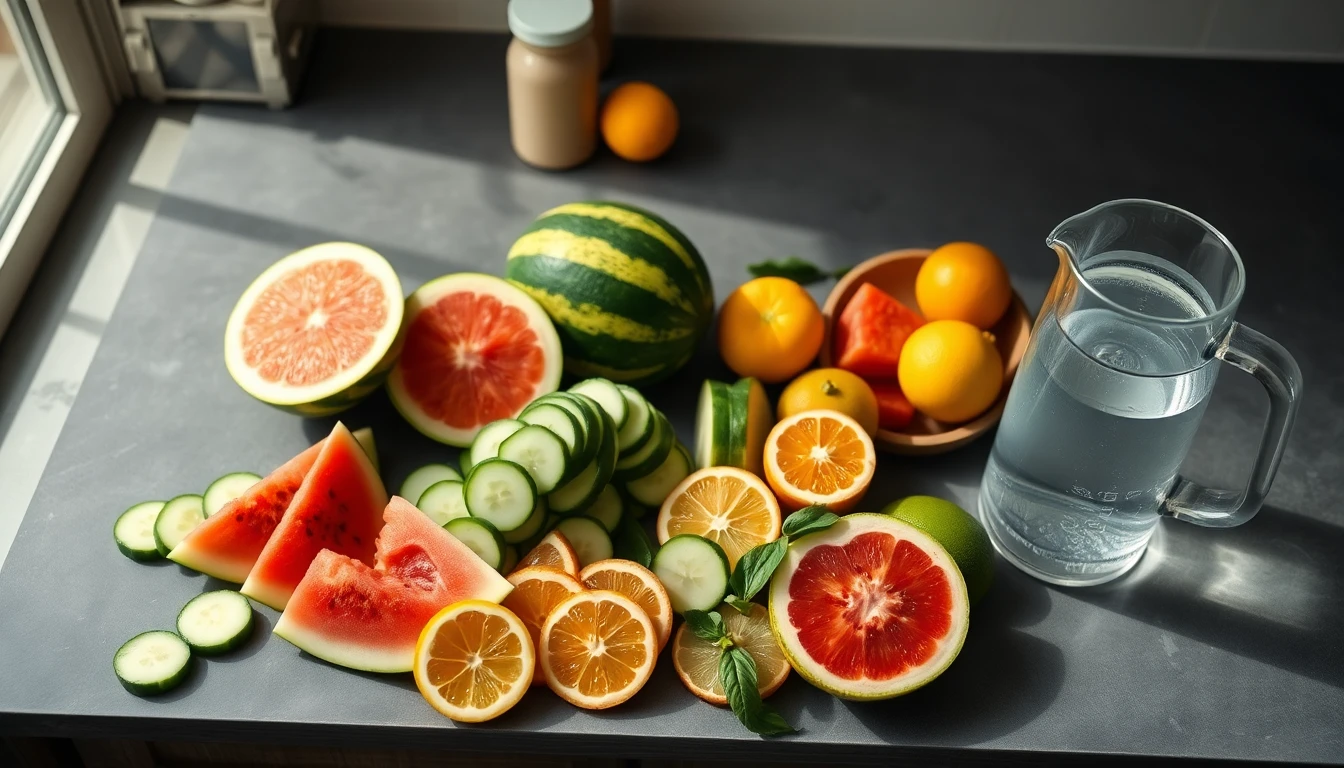
Strategic food choices can significantly contribute to your daily fluid intake whilst providing valuable nutrients that plain water lacks. Many fruits and vegetables contain over 90% water, plus they deliver electrolytes, vitamins, and fibre that support overall health and improve how your body retains and uses fluids.
- Cucumber — 96% water content, plus silica for skin health and small amounts of potassium
- Watermelon — 92% water, with lycopene, vitamin C, and natural sugars that aid water absorption
- Strawberries — 91% water, rich in vitamin C and polyphenols that support cardiovascular health
- Lettuce and leafy greens — 95% water in iceberg lettuce; darker varieties like romaine add folate and vitamin K
- Courgette — 94% water content, easily incorporated into both raw and cooked dishes
- Celery — 95% water, contains sodium which helps with electrolyte balance (though still very low overall)
- Tomatoes — 94% water, plus potassium and the antioxidant lycopene
- Bell peppers — 92% water, exceptional vitamin C content supports immune function
Hydrating Soups and Broths
Soups and broths offer exceptional hydration because they combine water with nutrients and electrolytes. A homemade vegetable broth provides sodium, potassium, and magnesium, whilst the warmth can be particularly comforting and hydrating in cooler months. Gazpacho, a chilled Spanish soup made from blended vegetables, delivers both hydration and a concentrated dose of vegetables in one bowl.
For those managing their sodium intake due to high blood pressure or heart conditions, homemade broths allow you to control salt levels whilst still benefiting from the hydrating properties and mineral content of vegetables and bones.
Yoghurt, Milk, and Other Dairy Options
Research has shown that milk can be more hydrating than water for some people, due to its combination of water, electrolytes, carbohydrates, and protein. The lactose, sodium, and potassium in milk help your body retain fluids more effectively. Plain yoghurt offers similar benefits with the added advantage of probiotics for gut health. For those avoiding dairy, fortified plant-based alternatives can provide comparable hydration, though their electrolyte profiles vary by type and brand.
Electrolytes: The Key to Effective Hydration
Water alone isn't always enough, particularly after exercise, illness, or in hot weather. Electrolytes help your body actually absorb and retain the fluids you consume. When you sweat heavily or experience vomiting or diarrhoea, you lose both water and electrolytes. Replacing only the water without electrolytes can actually dilute your blood sodium levels too much, leading to a condition called hyponatraemia.
You don't need expensive sports drinks to maintain electrolyte balance. Many whole foods naturally provide the electrolytes your body needs.
- Sodium — Found in most foods in small amounts; a pinch of sea salt in your water or a savoury snack after heavy sweating can help
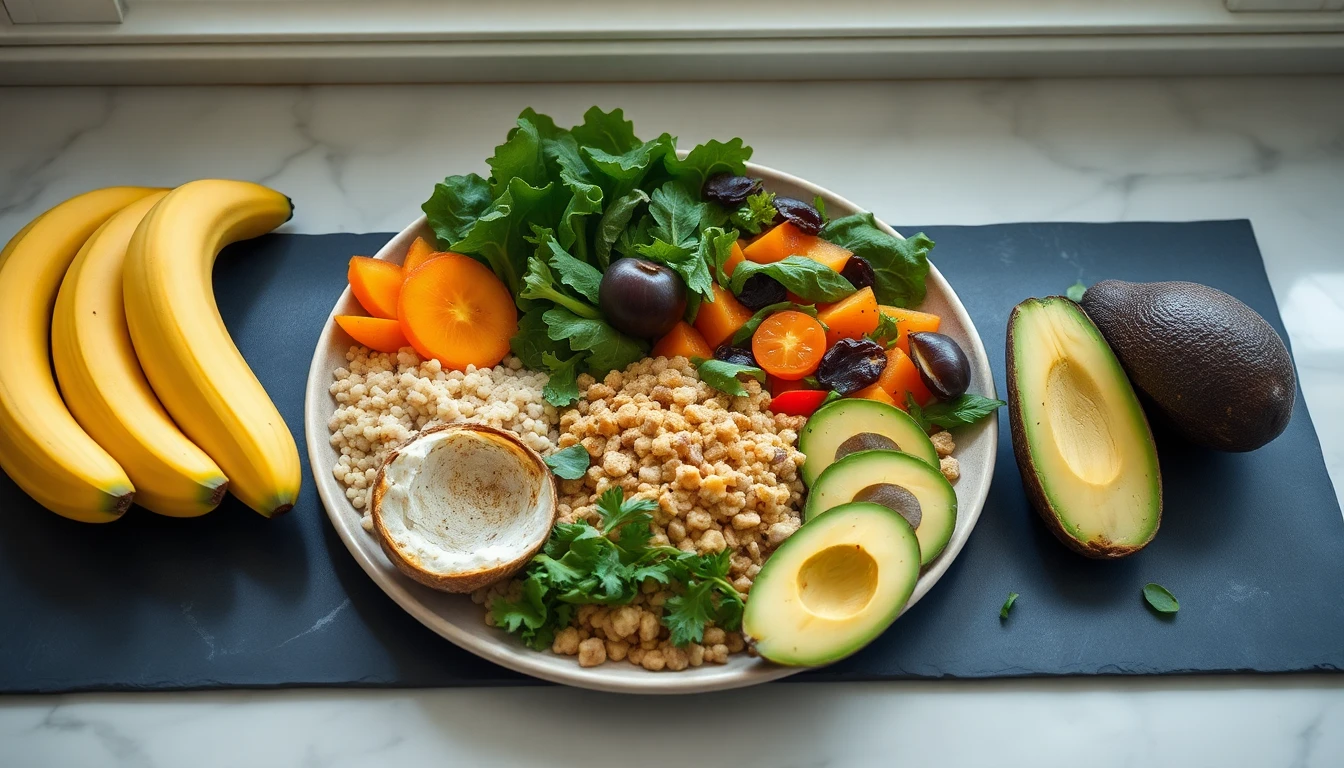
- Potassium — Bananas, sweet potatoes, spinach, avocados, and white beans are excellent sources
- Magnesium — Nuts, seeds, whole grains, and dark leafy greens support muscle and nerve function
- Calcium — Dairy products, fortified plant milks, tinned fish with bones, and dark leafy greens maintain bone health and cellular function
- Chloride — Often consumed alongside sodium in table salt; also found in tomatoes, lettuce, and olives
When to Consider Electrolyte Supplements
Most people eating a balanced diet get adequate electrolytes from food. However, endurance athletes, people working in hot environments, those with certain digestive conditions, or anyone taking diuretic medications may benefit from additional electrolyte support. If you're considering supplementation, speak with your healthcare provider first, particularly if you have kidney disease, heart conditions, or take medications that affect electrolyte levels. Some electrolyte imbalances can be dangerous, and more isn't always better.
Personalising Your Hydration Strategy
There's no universal formula for how to stay hydrated because everyone's needs differ. A 25-year-old marathon runner requires vastly different hydration strategies than a 70-year-old with heart failure taking diuretics. Building your personalised hydration plan means considering multiple factors specific to your life and health.
Activity Level and Exercise
Physical activity increases fluid needs substantially. The more you move, the more you sweat, and the more fluids and electrolytes you need to replace. For moderate exercise lasting under an hour, water is typically sufficient. For longer or more intense sessions, particularly in warm weather, you'll benefit from consuming both fluids and electrolytes before, during, and after exercise.
A practical approach is to weigh yourself before and after exercise. For every kilogram lost, aim to drink roughly 1.5 litres of fluid over the following hours. Your urine colour remains one of the most reliable guides—aim for pale straw yellow.
Climate and Seasonal Considerations
Hot weather and high humidity increase sweat rates, sometimes dramatically. You may not even notice how much you're sweating if it evaporates quickly in dry heat. Similarly, heated indoor environments in winter can be surprisingly dehydrating. Even cold weather increases fluid needs—you lose water through breathing in cold air, and the body works harder to maintain core temperature.
If you live in or travel to a different climate, give your hydration strategy a few days to adjust. Watch for dehydration signs and increase your intake of both fluids and electrolyte-rich foods accordingly.
Age-Related Hydration Needs
Older adults face unique hydration challenges. The sense of thirst diminishes with age, kidney function typically declines, and many older people take medications that affect fluid balance. Additionally, mobility issues may make it physically harder to access drinks regularly throughout the day.
For older adults or their carers, establishing a routine of regular fluid intake—rather than waiting for thirst—becomes especially important. Offering a variety of hydrating options including herbal teas, diluted fruit juices, soups, and water-rich fruits can help meet fluid needs more palatably.
Health Conditions That Affect Hydration
Certain health conditions require modified hydration approaches. People with kidney disease may need to limit fluids and carefully manage electrolyte intake. Those with heart failure might have strict fluid restrictions to prevent overload. Diabetes increases urination, raising fluid needs. Digestive conditions like inflammatory bowel disease or coeliac disease can affect both fluid and electrolyte absorption.
If you have a chronic health condition, your hydration strategy should be developed in consultation with your healthcare team. What works for the general population may not be appropriate or safe for your specific situation.
How FreshPlate Can Help You Keep Track of Your Day
Keeping an eye on what you eat and drink alongside dietary requirements, medications, and health conditions can feel overwhelming. FreshPlate builds every recipe around your own medication list, your allergens and your food rules, and the For you tab on each recipe shows what was checked and why it suits your goal and conditions. You can log meals by photo, barcode or search, so you can see how your day is going.
The Progress tab then answers how the day is going, why, and what to do next, with three dials chosen from your goal, conditions and medications. Tap "How we worked this out" behind any number to see where it comes from, with guidance named by body, such as the NHS, WHO and UK RNI. There is also a minerals-and-vitamins panel against targets set for your body, which can be handy when you are thinking about foods like sweet potatoes, spinach and bananas. If you take a medication, its entry on the For you tab opens the NHS or FDA words about food where we have them on file, and points you to your pharmacist where we don't. FreshPlate steers rather than prescribes, so it is a helpful companion for your everyday eating, not a replacement for advice from your GP or pharmacist about how much to drink or what to eat.
Frequently asked questions
How much water should I drink a day?
+
The NHS recommends 6-8 glasses (about 1.2 litres) daily as a baseline for most adults, but individual needs vary significantly based on activity level, climate, health conditions, and medications. Use urine colour as a guide—pale straw yellow indicates good hydration.
What are the best foods to eat for hydration?
+
Cucumber, watermelon, strawberries, lettuce, courgette, celery, tomatoes, and bell peppers all contain over 90% water. Soups, broths, and dairy products also contribute significantly to hydration whilst providing electrolytes and nutrients that help your body retain fluids.
Can you drink too much water?
+
Yes, drinking excessive amounts of water can dilute blood sodium levels, causing a dangerous condition called hyponatraemia. This is rare in healthy people but more common during endurance exercise or in people with certain health conditions. Balance water intake with electrolytes and listen to your body's signals.
Does tea and coffee count towards hydration?
+
Yes, tea and coffee do count towards your fluid intake. Whilst caffeine has a mild diuretic effect, research shows that regular tea and coffee drinkers develop tolerance, and these beverages still provide net hydration. Herbal teas are also excellent hydrating options.
What are the first signs of dehydration?
+
Early signs include dark yellow urine, mild fatigue, reduced concentration, dry mouth, and headaches. Thirst itself indicates you're already mildly dehydrated. Severe symptoms like dizziness, rapid heartbeat, confusion, or no urination for eight hours require immediate medical attention.
Sources
Did this answer your question?
Reece reads every reply. Questions we have not covered become new guides.
Small food changes. Big difference.
Get practical hydration tips by email — simple, evidence-based changes you can make this week. One genuinely useful email a week — no spam, unsubscribe anytime.
Free forever. You'll also be first in line for the FreshPlate app — with a free trial at launch.