Easy Ways to Add Protein to Vegetarian Meals (UK)
Easy ways to add protein to vegetarian meals in the UK: simple swaps and boosters using cottage cheese, hemp seeds, pulse pasta and more, with real gram counts.

By Reece Douglas · Founder, FreshPlate
Listen to this article
Easy Ways to Add Protein to Vegetarian Meals (UK)
Most vegetarian meals land at 10 to 15g of protein, and two or three small changes will take them to 25 to 35g. You do not need new recipes, just a better base, a protein-dense topping and one extra ingredient.
Below are the swaps, the gram counts and a few examples you can repeat all week.
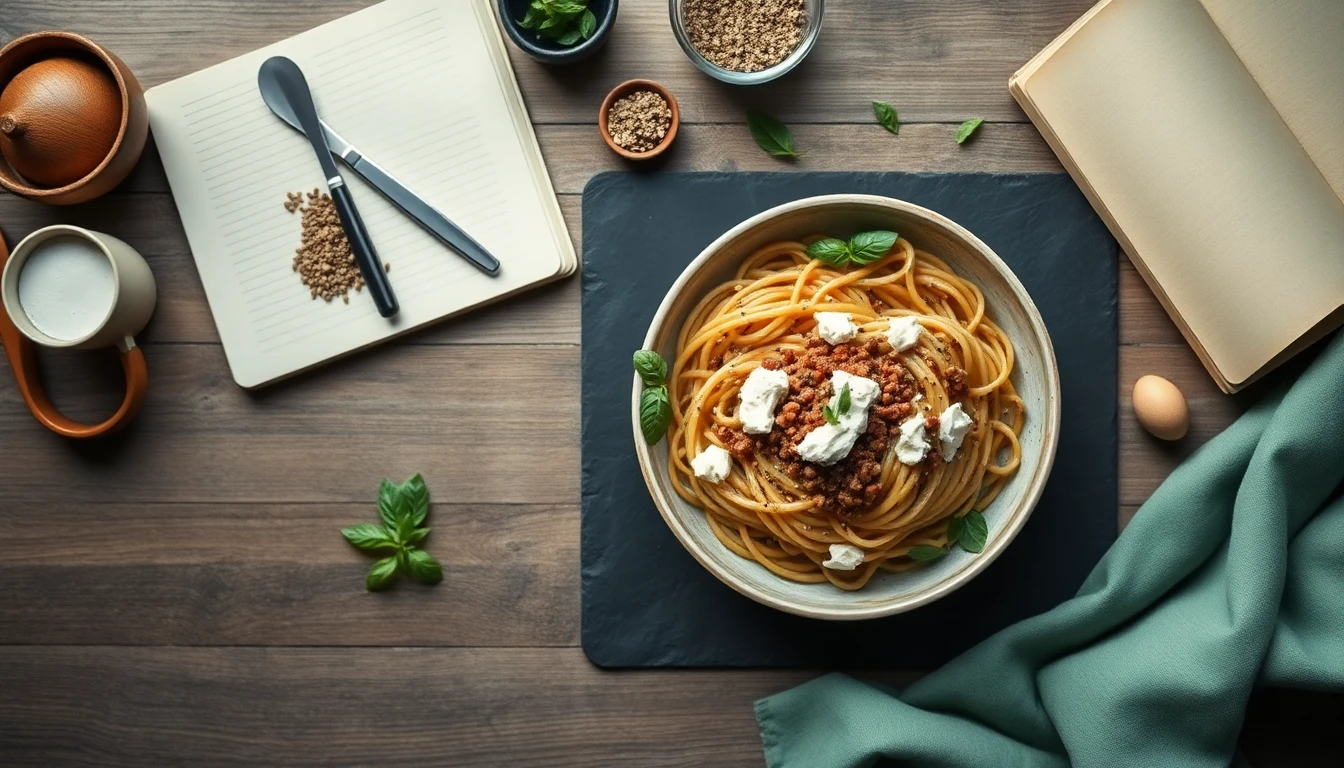
Here's what I'd do. Start with the swap that changes nothing else: red lentil or chickpea pasta instead of standard, which adds roughly 6 to 12g per portion and cooks in 7 to 10 minutes. Don't overcook it or it turns mushy. Then make your sauce with cottage cheese in place of ricotta, blended smooth, for another 8 to 10g. Finish with a spoonful of nutritional yeast or a few hemp seeds. That's about 32g in 15 minutes, from ordinary ingredients. Pick one or two boosters per meal, not all of them.
How much protein do vegetarians actually need?
Most UK adults need about 0.75g of protein per kilogram of body weight per day, which is roughly 45g for a 60kg woman and 56g for a 75kg man, and a varied vegetarian diet can meet this. The NHS says most people in the UK eat enough protein, and that vegetarians can get what they need from beans, pulses, eggs, dairy, tofu and nuts.
Some people need more: older adults, people recovering from illness or surgery, and anyone training hard. Spreading protein across the day, around 20 to 30g per meal, is a practical way to hit a higher target without relying on one big dinner.
If you take regular medication or have a kidney condition, check your target with your GP or dietitian before raising your protein. Higher intakes are not right for everyone, and our chronic kidney disease stage 3 diet guide explains why.
What are the easiest vegetarian protein sources to add to meals?
The easiest vegetarian protein sources are the ones you can stir into food you already make: cottage cheese, Greek yoghurt, eggs, tinned pulses, tofu, nutritional yeast and seeds. Values below are approximate per typical serving, based on UK food composition data and product labels.
Check labels where you can, because brands vary, particularly for pulse pasta, plant milks and protein-fortified products.
- Cottage cheese (150g) — about 17g protein — low in fat, mild flavour, works in sauces, wraps and on toast
- Greek yoghurt (150g, plain) — about 13 to 15g protein — good as a dressing base or sour cream swap
- Eggs (2 medium) — about 13g protein — fast, cheap and complete
- Firm tofu (125g) — about 15g protein — takes on any seasoning and crumbs like mince
- Red lentil or chickpea pasta (75g dry) — about 14 to 20g protein — roughly double standard pasta
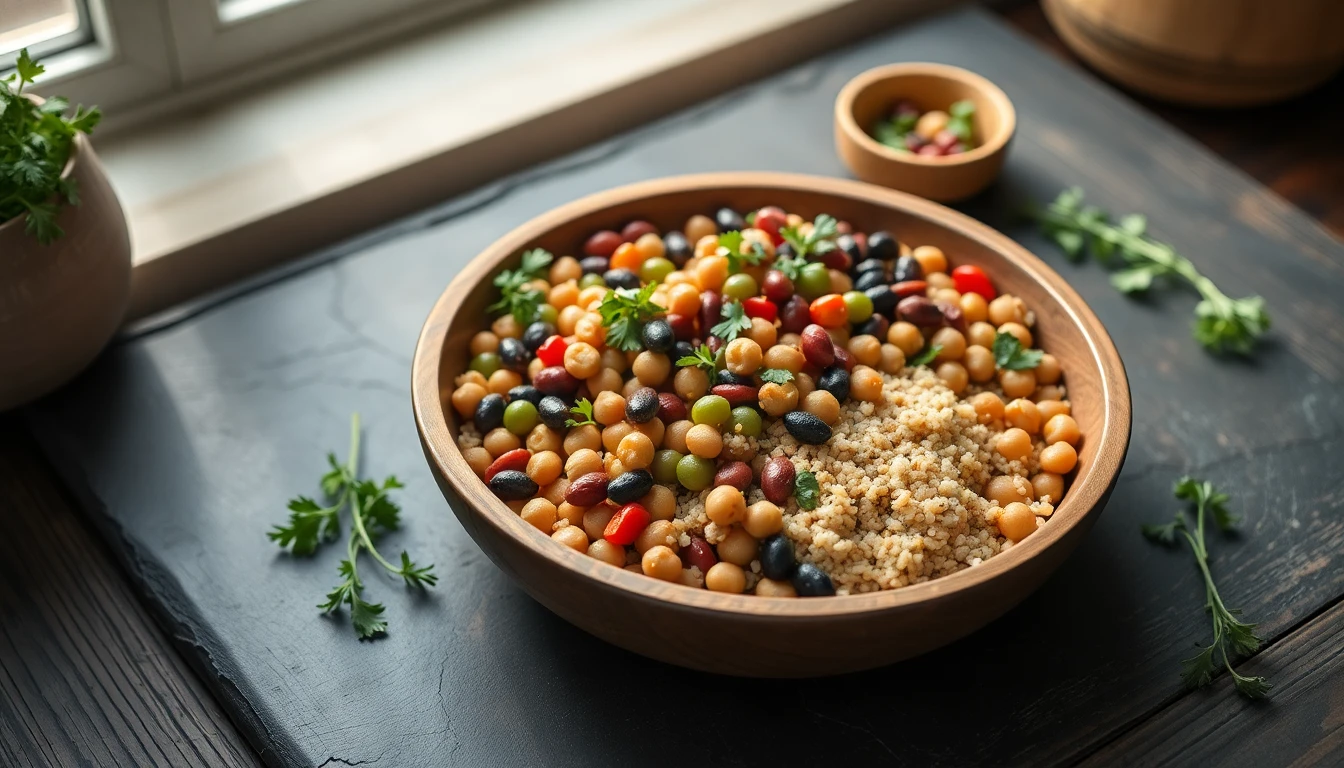
- Tinned lentils or beans (130g drained) — about 9 to 11g protein — add fibre as well
- Hemp seeds (3 tbsp, 30g) — about 9g protein — nutty, no cooking needed
- Nutritional yeast (2 tbsp, 10g) — about 4 to 5g protein — savoury, cheesy flavour; most brands are fortified with B12
- Pumpkin seeds (30g) — about 9g protein — good on salads and porridge
- Peanut butter (2 tbsp, 30g) — about 7g protein — easy to add to oats, sauces and smoothies
Which of these are complete proteins?
Eggs, dairy, soy foods such as tofu, and hemp seeds contain all nine essential amino acids in useful amounts, so each counts as a complete protein on its own. Most other plant foods are lower in one or two amino acids, but this evens out across a day of varied eating, so you do not need to combine them in the same meal. Our complete protein vegan combinations guide covers the pairings if you eat vegan or want to be thorough.
Easy swaps that add protein without changing the meal
The biggest gains come from like-for-like swaps, because you eat the same food in the same quantity and the protein rises anyway.
Recipe and cooking time stay about the same.
- Standard pasta to red lentil or chickpea pasta — adds roughly 6 to 12g per portion — cooks in 7 to 10 minutes; do not overcook or it turns mushy
- White rice to quinoa or a rice and lentil mix — adds roughly 3 to 5g per portion — quinoa is a complete protein
- Soured cream to plain Greek yoghurt — adds roughly 8 to 10g per portion — the same tang with far less fat
- Ricotta or cream cheese to cottage cheese — adds roughly 8 to 10g per portion — blend it smooth for sauces and dips
- Plain porridge made with water to porridge made with milk plus a spoon of nut butter — adds roughly 10g per bowl — breakfast is the meal most vegetarians under-do
- Standard wrap or bread to a high-protein or seeded version — adds roughly 2 to 5g per serving — read the label, as the range is wide
- Mince in a ragù to half red lentils, half Quorn or soya mince — adds roughly 8 to 12g per portion versus vegetables alone
Pulse pasta: what to expect
Red lentil pasta has a slightly earthy flavour and a softer bite than wheat pasta, and works best with robust sauces such as tomato, pesto or a creamy cottage cheese sauce. Chickpea pasta is milder and holds its shape a little better. Both cost more than standard pasta and usually come with more fibre, so build up gradually, as sudden jumps in pulses can cause bloating.
Cottage cheese as a sauce base
Blend 150g of cottage cheese with a splash of milk, garlic, lemon zest and black pepper until smooth, warm it gently and stir it through pasta or roasted vegetables. This gives about 17g of protein before you add anything else, and it does not split like a cream sauce. Do not boil it hard.
Which boosters add the most protein to a high protein vegetarian meal?
Stirring in or sprinkling on three to four boosters will add 15 to 25g of protein to almost any vegetarian meal. They need no recipe: a spoon here, a handful there.
Pick one or two per meal rather than all of them.
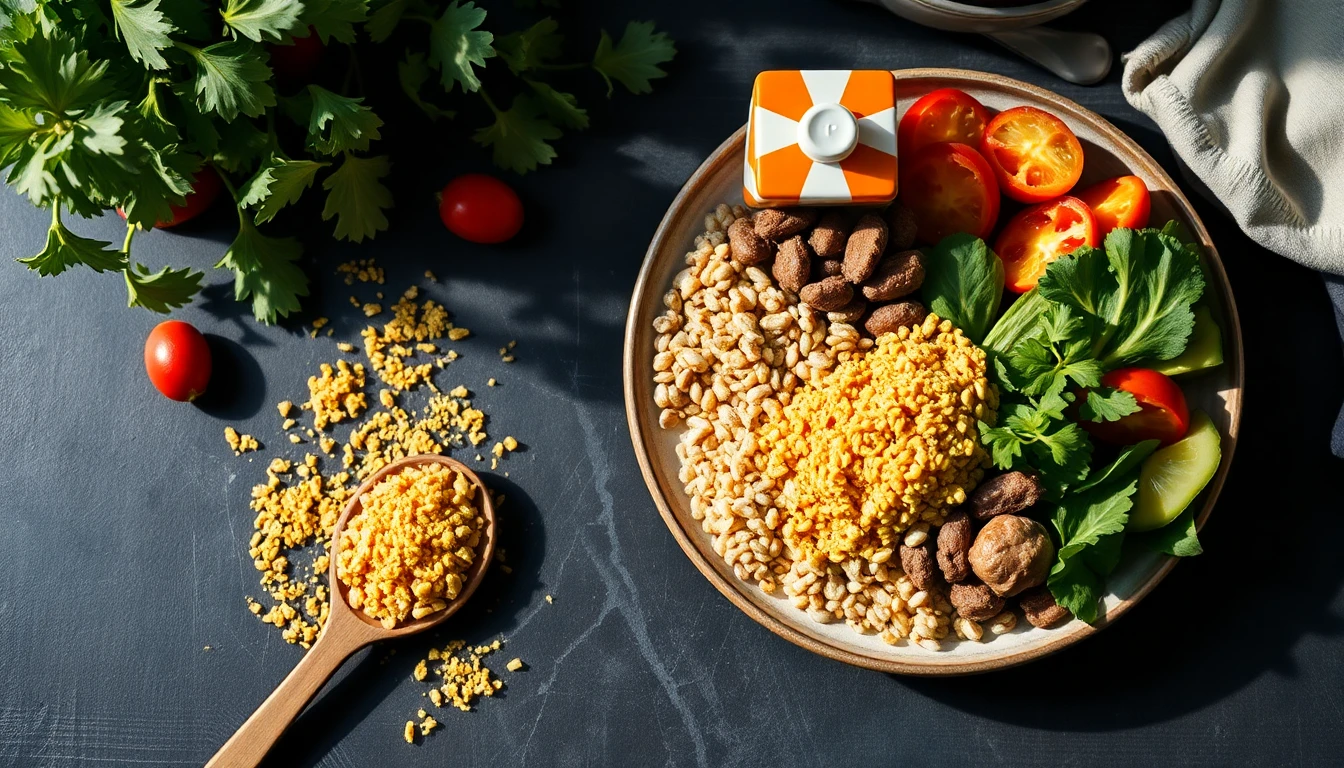
- Hemp seeds (3 tbsp) — adds about 9g — sprinkle on soups, salads, porridge and yoghurt; they need no soaking or grinding
- Nutritional yeast (2 tbsp) — adds about 4 to 5g — stir into sauces, scrambled eggs, popcorn or mash for a cheesy flavour without cheese
- Tinned lentils or beans (half a tin) — adds about 9 to 11g — drain, rinse and add to soups, curries, stews or salads
- Silken tofu (100g, blended) — adds about 6 to 8g — blend into smoothies, dressings or creamy soups
- Skimmed milk powder (2 tbsp) — adds about 4 to 5g — stir into porridge, mash, soups or sauces; it dissolves quickly
- Edamame beans (80g) — adds about 9g — frozen, ready in 3 minutes, good in stir-fries, noodles and grain bowls
- Chia seeds (1 tbsp) — adds about 2g — more useful for fibre than protein, so treat it as a minor extra
- Grated hard cheese (30g) — adds about 7 to 8g — use vegetarian cheese made without animal rennet if that matters to you
A note on nutritional yeast
Nutritional yeast is a deactivated yeast, not the kind you bake with. Most brands sold in the UK are fortified with B12, which helps if you eat little or no animal food, but check the label because unfortified versions exist. If you are vegan, our B12 deficiency and vegan sources guide explains what else you need.
What does a 30g protein vegetarian meal look like?
A 30g protein vegetarian meal combines a protein base of about 15g with one or two boosters of about 8 to 10g each. The examples below use ordinary ingredients and approximate values, so treat them as a guide rather than a precise count.
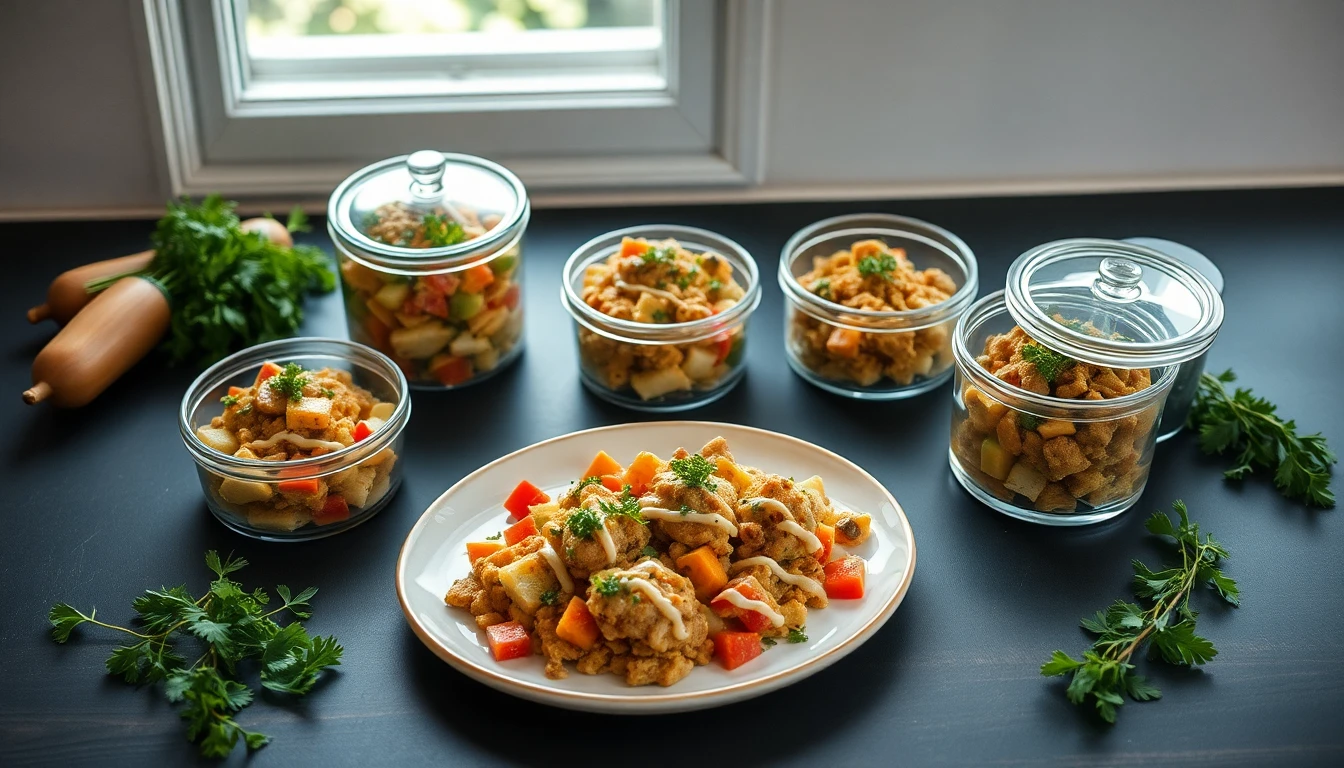
They suit meal prep too. Most keep in the fridge for three to four days, and the lentil and chickpea dishes also freeze well. For more, see our batch cooking and freezer meals guide.
- Red lentil pasta (75g dry), cottage cheese sauce (100g), spinach and 1 tbsp nutritional yeast — about 32g — ready in 15 minutes
- Three-egg omelette with 30g grated cheese, mushrooms and a slice of seeded toast — about 31g — ready in 10 minutes
- Tofu stir-fry (150g firm tofu), 80g edamame, rice noodles and 2 tbsp hemp seeds — about 35g — ready in 20 minutes
- Chickpea and spinach curry (one tin of chickpeas) with 150g Greek yoghurt on the side and wholegrain rice — about 30g — ready in 25 minutes
- Porridge made with 250ml milk, 40g oats, 1 tbsp peanut butter and 2 tbsp hemp seeds — about 28g — ready in 5 minutes
- Quinoa bowl with 130g black beans, 1 boiled egg, avocado and 30g pumpkin seeds — about 30g — ready in 15 minutes using pre-cooked quinoa
- Quorn or soya mince bolognese (100g) with half a tin of lentils and 40g parmesan-style hard cheese on wholewheat pasta — about 35g — ready in 30 minutes
If you need halal-friendly vegetarian meals
Most of the meals above are suitable, and vegetarian dishes are often a simple route to halal-friendly meal prep because there is no meat to source. Check cheeses for animal rennet and processed products for gelatine, and look for halal certification where it matters to you. Lentil dal, chickpea curries, tofu stir-fries and egg-based dishes all store well for the week.
How FreshPlate helps you build protein into your meals
Every recipe FreshPlate generates is built around your own medication list, and the For you tab on each recipe shows why it suits your goal and conditions, and whether it fits what is left of your day. For medical conditions the app steers rather than prescribes, leaning towards what public UK guidance (NHS, BDA) says suits the condition. If you take medication, the free food–medication interaction checker on the website lets you type in a medicine or its brand name and see the foods to watch in seconds: /website/tools/food-medication-checker/
Not every protein booster suits everyone, and some people have medicines that make certain foods worth a second look. The For you tab lists your medicines, and for those with advice on file it shows the words about food, quoted word for word, with a link to the checker page. The rest say there is no advice on file yet and point you to your pharmacist. A pulse, seed or dairy swap that looks fine in a guide is still worth checking against that.
Onboarding asks about cultural and religious food preferences, such as halal, kosher, Caribbean or South Asian, and recipes respect them. Fatal allergens are treated with zero tolerance, and when you keep recipes they go onto a shopping list, so the swaps in this guide are easy to pick up on your next shop.
Frequently asked questions
What are good vegetarian protein sources?
+
Good vegetarian protein sources include eggs, dairy such as cottage cheese and Greek yoghurt, tofu, lentils, beans, chickpeas, nuts, seeds and soya products. A portion of tofu (125g) gives about 15g of protein, and 150g of cottage cheese gives about 17g.
How can vegetarians get enough protein?
+
Vegetarians can get enough protein by including a protein-rich food at every meal, such as eggs, dairy, pulses, tofu or nuts and seeds. Most UK adults need about 0.75g per kilogram of body weight a day, so around 45g for a 60kg adult, and a varied vegetarian diet usually covers that.
What are some high protein vegetarian meal ideas in the UK?
+
High protein vegetarian meal ideas include red lentil pasta with a cottage cheese sauce (about 32g), a three-egg omelette with cheese (about 31g), and a tofu and edamame stir-fry with hemp seeds (about 35g). All use ingredients available in UK supermarkets.
Can I get a complete protein from vegan meals?
+
Yes, tofu, edamame, quinoa and hemp seeds are complete plant proteins on their own, and a varied vegan diet across the day also supplies all essential amino acids. You do not need to combine foods in the same meal.
Is nutritional yeast a good source of protein?
+
It is a modest source, giving about 4 to 5g of protein in 2 tablespoons (10g). Think of it as a flavour booster that also adds B vitamins; many brands are fortified with B12.
Sources
Did this answer your question?
Reece reads every reply. Questions we have not covered become new guides.
Get the essentials, straight to your inbox.
Get our free vegetarian protein guide by email — the key takeaways, food lists, and meal ideas from this guide, ready when you need them. One genuinely useful email a week — no spam, unsubscribe anytime.
Free forever. You'll also be first in line for the FreshPlate app — with a free trial at launch.