Stage 3 Kidney Disease Diet: What to Eat in the UK
Practical guidance on stage 3 kidney disease diet for UK patients. Learn protein limits, potassium and phosphorus management, and which foods to choose.

By Reece Douglas · Founder, FreshPlate
Listen to this article
Stage 3 Kidney Disease Diet: What to Eat in the UK
If you've been diagnosed with stage 3 chronic kidney disease (CKD), your GP or renal team has likely mentioned that diet matters. Stage 3 CKD means your kidney function has dropped to 30-59% of normal, and whilst this isn't yet dialysis territory, it's the stage where nutritional choices can genuinely slow progression and help you feel better day-to-day.
The good news is that a stage 3 kidney disease diet isn't about living on bland, restrictive meals. It's about understanding which nutrients your kidneys struggle to process and making informed swaps. In this guide, we'll walk through protein limits, potassium and phosphorus management, and offer practical UK food examples that fit into real life, not just textbook meal plans.
Understanding Stage 3 Kidney Disease and Diet
Stage 3 CKD is split into two sub-stages: 3a (GFR 45-59) and 3b (GFR 30-44). Your glomerular filtration rate (GFR) tells you how well your kidneys are filtering waste. At this stage, waste products like urea, potassium, and phosphorus start to build up if you're not mindful of intake.
Unlike earlier stages where diet changes may be minimal, stage 3 is when most renal teams recommend specific nutritional adjustments. The primary goals are to reduce the workload on your kidneys, prevent mineral imbalances, and maintain muscle mass without overloading protein processing.
Why Diet Matters at This Stage
Your kidneys regulate fluid balance, blood pressure, and mineral levels. When they're working at 30-59% capacity, they can't excrete excess potassium, phosphorus, or sodium as efficiently. High levels of these can lead to heart rhythm problems, bone disease, and fluid retention.
Research published in the American Journal of Kidney Diseases shows that dietary interventions in stage 3 CKD can slow the decline in kidney function and reduce cardiovascular risk, which is the leading cause of mortality in CKD patients.
Protein Intake: Finding the Right Balance
Protein is essential for maintaining muscle, immune function, and overall health. However, when your body breaks down protein, it produces waste products like urea that your kidneys must filter. Too much protein accelerates kidney decline; too little leads to malnutrition and muscle wasting.
For stage 3 CKD, most UK renal dietitians recommend 0.8-1.0 grams of protein per kilogram of body weight per day. For a 70kg person, that's roughly 56-70g daily. This is only slightly lower than the general population recommendation, so you're not drastically cutting back.
- Choose high-quality proteins — Focus on lean meats, fish, eggs, and small portions of dairy. These provide essential amino acids without excessive waste.
- Portion awareness — A palm-sized piece of chicken or fish (about 100g cooked) contains roughly 25-30g protein. Two such portions daily, plus an egg and a small glass of milk, puts you near target.
- Plant proteins with caution — Beans, lentils, and nuts contain protein but also higher potassium and phosphorus. They're not forbidden, but portion control matters more than with animal proteins.
- Avoid protein loading — Protein shakes, high-protein snack bars, and bodybuilding supplements can easily push you over safe limits. Check labels carefully.
UK Protein Portions
- Small chicken breast (100g cooked) — 27g protein
- Cod fillet (100g) — 20g protein
- Two medium eggs — 13g protein
- Semi-skimmed milk (200ml) — 7g protein
- Cheddar cheese (30g) — 7g protein
Managing Potassium in Your Stage 3 Kidney Disease Diet
Potassium is crucial for heart and muscle function, but damaged kidneys can't remove excess potassium from your blood. High potassium (hyperkalaemia) can cause dangerous heart rhythm disturbances. Normal blood potassium should sit between 3.5-5.0 mmol/L; your renal team will monitor this through blood tests.
Not everyone with stage 3 CKD needs strict potassium restriction, especially in stage 3a. However, if your levels are creeping up, or you're on medications like ACE inhibitors or ARBs that raise potassium, dietary management becomes important.
- Lower-potassium vegetables — Cabbage, cauliflower, cucumber, green beans, lettuce, courgettes, and peppers are safer choices.
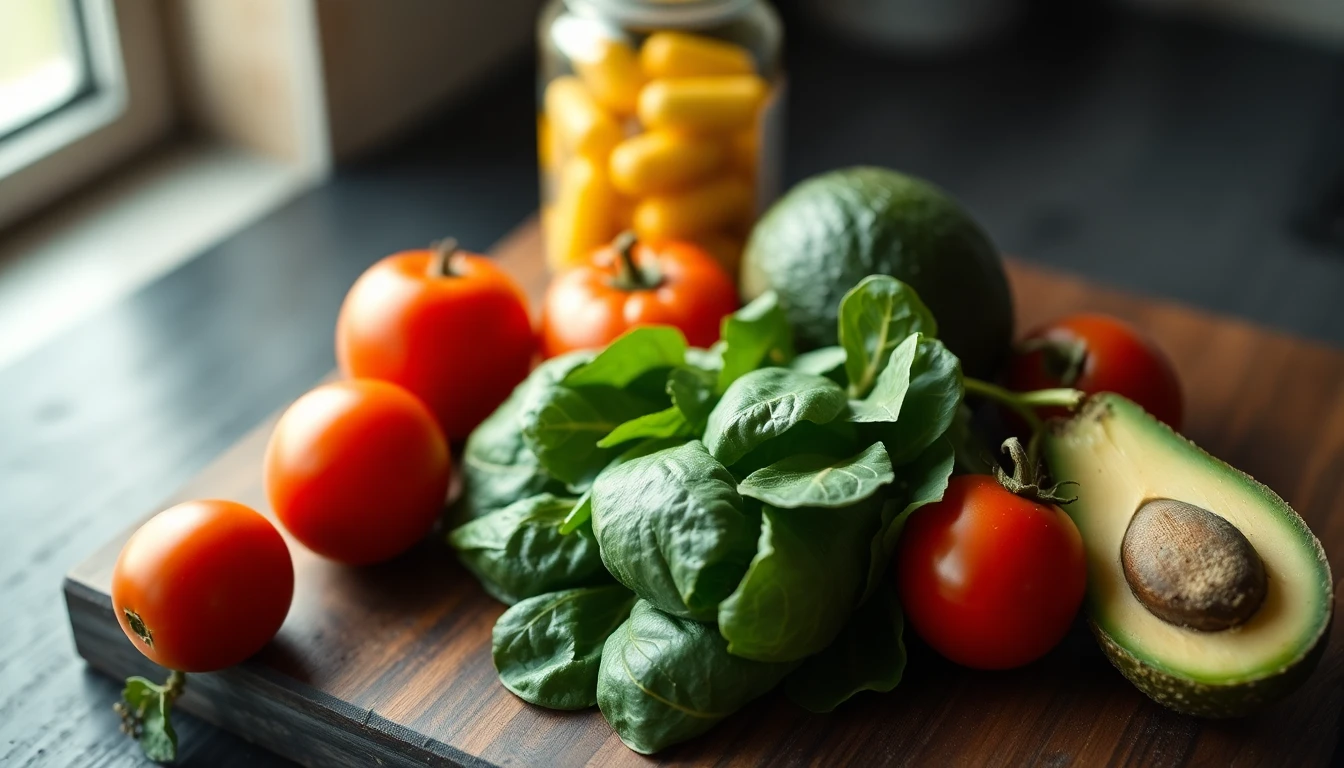
- Limit high-potassium veg — Tomatoes, mushrooms, spinach, beetroot, and parsnips should be eaten in smaller portions or less frequently.
- Fruit choices — Apples, pears, berries, grapes, and tinned fruit (drained) are lower in potassium. Limit bananas, oranges, kiwi, dried fruits, and avocados.
- Leaching technique — For potatoes and root veg, peel, chop into small pieces, soak in water for several hours, then boil in fresh water. This removes some potassium.
- Coffee and tea — Both contain potassium, but moderate intake (2-3 cups daily) is usually acceptable unless your levels are problematic.
Potassium Content of Common UK Foods
Understanding which everyday foods are high or low in potassium helps you make quick decisions at the supermarket or when eating out.
- High potassium (limit) — Jacket potato (1,000mg per medium), banana (400mg), orange juice (200ml has 400mg), baked beans (half tin, 600mg)
- Lower potassium (safer) — Boiled new potatoes (leached, 200mg per 100g), apple (150mg), white bread (2 slices, 150mg), cucumber (150mg per 100g)
Phosphorus and Phosphate Additives
Phosphorus works with calcium to keep bones strong, but excess phosphorus in the blood draws calcium from bones, leading to renal bone disease and vascular calcification. Your kidneys normally excrete extra phosphorus, but in stage 3 CKD, this process becomes less efficient.
The recommended phosphorus intake for stage 3 CKD is typically 800-1,000mg per day. The challenge is that phosphorus is widespread in the food supply, especially in processed foods where it's added as a preservative or texturiser.
- Natural phosphorus — Found in protein-rich foods like meat, dairy, nuts, and wholegrains. Your body absorbs about 40-60% of natural phosphorus.
- Phosphate additives — Listed on labels as E338-E452, these are nearly 100% absorbed. Common in processed meats, soft drinks, ready meals, and bakery goods.
- Dairy products — Milk, cheese, and yoghurt are high in phosphorus. Limit to one small portion daily, or choose lower-phosphorus alternatives like rice milk or oat milk (check they're not fortified with extra phosphate).
- Wholegrain caution — Brown rice, wholemeal bread, and bran cereals contain more phosphorus than white varieties. White bread, pasta, and rice are better choices at this stage.
- Colas and fizzy drinks — Dark colas especially contain phosphoric acid. Choose lemonade or ginger ale if you want fizzy drinks, and limit frequency.
Reading UK Food Labels for Phosphate
Phosphate additives won't always be obvious. Look for E numbers between E338 and E452 in the ingredients list. Common culprits include sausages, ham, processed cheese, instant desserts, and some breads.
Sodium and Fluid Balance
Sodium (salt) makes your body retain fluid and raises blood pressure, both of which strain already-compromised kidneys. High blood pressure accelerates CKD progression, making sodium restriction one of the most important dietary changes.
Aim for no more than 6g salt (2,400mg sodium) per day, and ideally closer to 4-5g if your blood pressure is elevated. Most UK adults consume 8-9g daily, so this requires active effort.
- Avoid adding salt — Don't add salt during cooking or at the table. Use herbs, spices, lemon juice, and garlic for flavour instead.
- Fresh over processed — Fresh meat, fish, and vegetables contain minimal sodium. Processed foods (ready meals, tinned soups, crisps, bacon, sausages) are loaded with it.
- Bread and cereals — A major hidden source in the UK diet. Two slices of bread can contain 1g salt. Choose lower-salt varieties where possible.
- Restaurant meals — Often very high in sodium. When eating out, ask for sauces on the side and avoid obviously salty dishes like fish and chips, curries with shop-bought sauces, or Chinese takeaway.
- Fluid intake — Most stage 3 patients don't need strict fluid restriction, but monitor for swelling in ankles or shortness of breath. Your renal team will advise if limits are needed.
Putting It All Together: Sample UK Meal Ideas
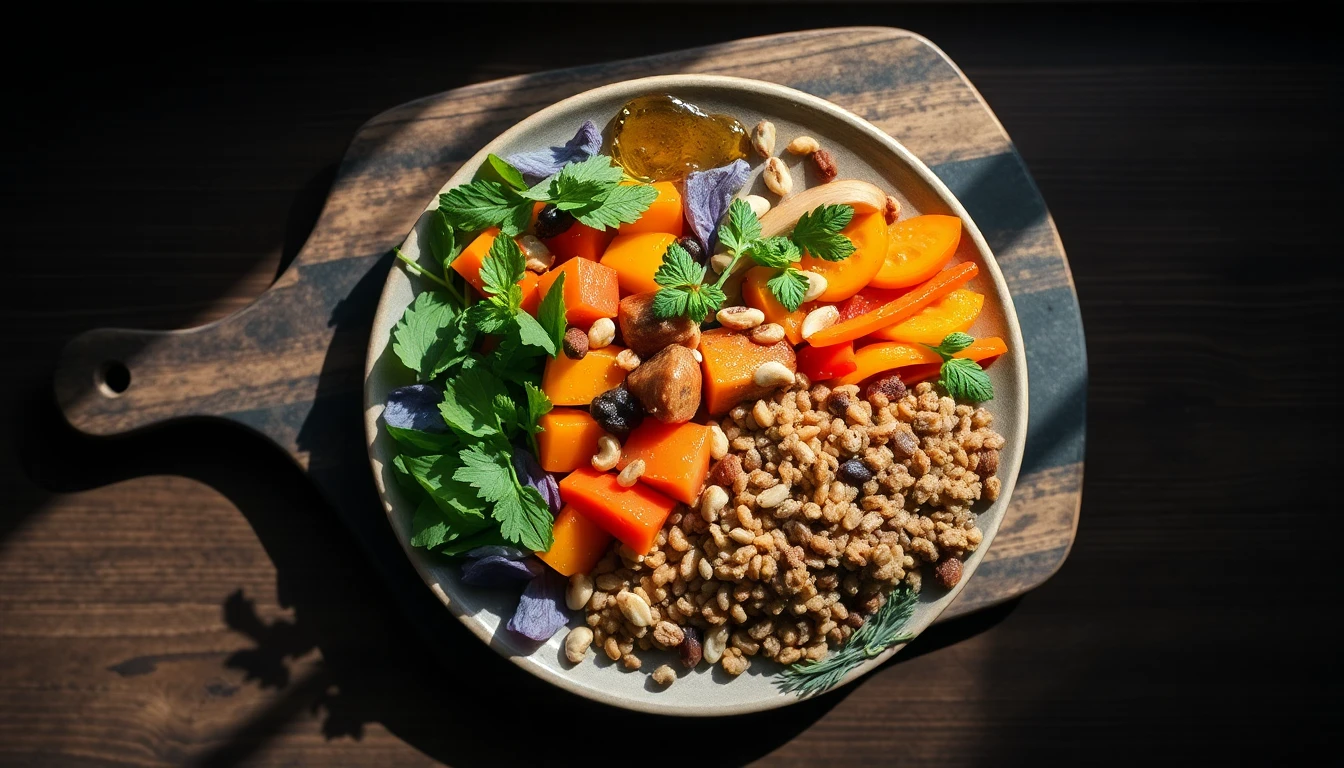
A stage 3 kidney disease diet can include familiar, satisfying meals. Here are some practical examples that balance protein, potassium, phosphorus, and sodium considerations.
- Breakfast — Two scrambled eggs on white toast (no butter, use a little olive oil), with grilled tomato (small portion) and a cuppa. Or porridge made with water and topped with a small handful of blueberries.
- Lunch — Chicken and salad sandwich on white bread (no mayo, use a scrape of butter or hummus). Side of cucumber and pepper sticks. Apple for dessert.
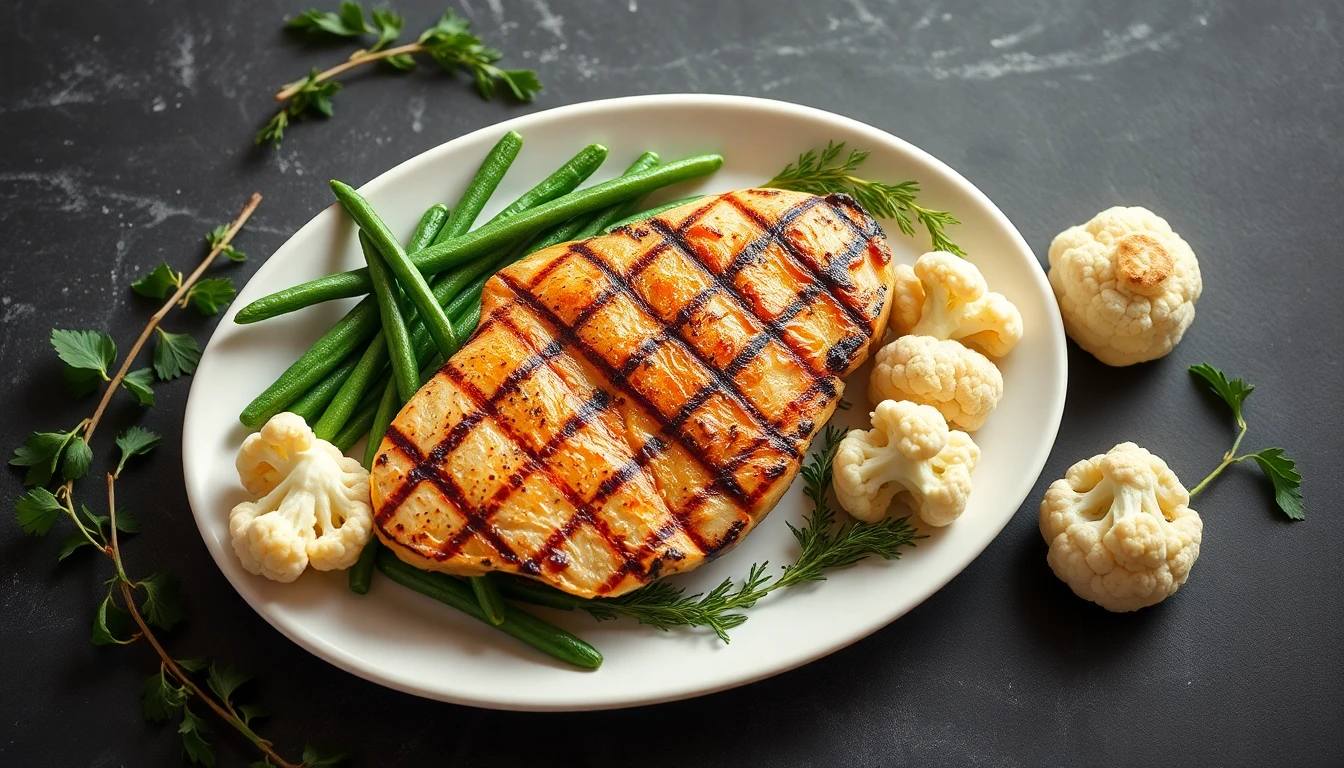
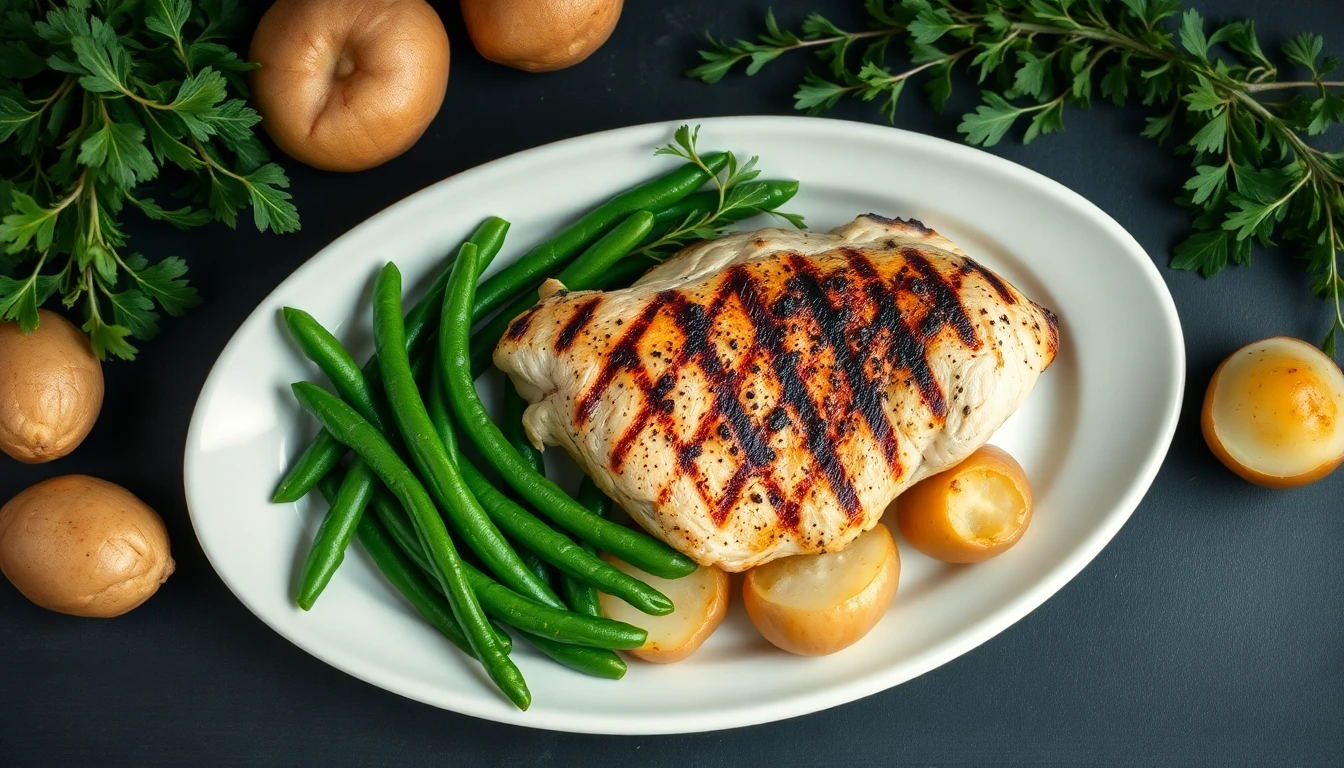
- Dinner — Grilled salmon fillet (100g), boiled new potatoes (leached if needed), steamed green beans and carrots. Small portion of tinned peaches for pudding.
- Snacks — Rice cakes, plain biscuits (digestives, rich tea), small handful of grapes, or a pear. Avoid crisps, salted nuts, and chocolate bars.
Foods to Enjoy Freely
- Vegetables — Cabbage, cauliflower, cucumber, lettuce, green beans, courgette, peppers
- Fruits — Apples, pears, berries, grapes, tinned fruit in juice (drained)
- Carbohydrates — White bread, white rice, pasta, couscous
- Proteins — Moderate portions of chicken, turkey, white fish, eggs
Foods to Limit or Avoid
- High potassium — Bananas, oranges, kiwi, dried fruit, tomatoes, mushrooms, spinach, avocados
- High phosphorus — Processed meats, cheese, nuts, seeds, bran cereals, cola drinks
- High sodium — Ready meals, tinned soups, bacon, sausages, crisps, salted nuts, takeaways
- Excess protein — Protein shakes, large steaks, multiple portions of meat or fish daily
How FreshPlate Supports Your Stage 3 Kidney Disease Diet
Managing a renal diet means juggling several things at once, which can feel overwhelming when you're also dealing with GP appointments, medication changes, and the emotional impact of a chronic condition. FreshPlate is built to take some of the load off.
When you add stage 3 CKD to your health profile, the app steers rather than prescribes: recipes lean towards what public UK guidance (NHS, BDA) says suits the condition, and the app never claims to treat, prevent or cure anything. Each recipe also has a For you tab that shows what was actually checked, why the recipe suits your goal and conditions, and whether it fits what is left of your day.
If you take medications too, every recipe the app generates is built around your own medication list, which you add by brand or generic name. The For you tab lists your medicines, and for those the interaction checker has quoted on food, it opens the NHS or US FDA wording about food word for word, with a link to the checker page. For the rest, it says there is no advice on file yet and points you to your pharmacist. If you have a fatal allergy, FreshPlate treats it with zero tolerance, checking every recipe title and ingredient again after the recipe is generated. Whatever your medicines or conditions, your GP, renal team or dietitian should always have the final say on your diet.
Frequently asked questions
Can you eat potatoes with stage 3 kidney disease?
+
Yes, but with care. Potatoes are high in potassium, so use the leaching method: peel, chop small, soak for several hours in water, then boil in fresh water. This reduces potassium content by 30-50%. Limit portion size to a small serving.
How much protein should I eat with stage 3 CKD?
+
Most renal dietitians recommend 0.8-1.0g protein per kg body weight daily for stage 3 CKD. For a 70kg person, that's 56-70g protein per day, roughly two palm-sized portions of meat or fish plus an egg and small amount of dairy.
Are bananas bad for stage 3 kidney disease?
+
Bananas are high in potassium (about 400mg each), which can be problematic if your blood potassium levels are elevated. If your potassium is well-controlled, an occasional small banana may be fine, but safer fruit choices include apples, pears, and berries.
Can I drink coffee with kidney disease stage 3?
+
Yes, moderate coffee intake (2-3 cups daily) is usually acceptable in stage 3 CKD. Coffee contains some potassium, but unless your blood levels are high or your renal team advises otherwise, you don't need to eliminate it completely.
What breakfast cereals are OK for kidney disease?
+
Choose lower-phosphorus options like cornflakes, Rice Krispies, or porridge made with water. Avoid bran cereals, granola, and muesli, which are high in phosphorus. Limit milk to a small splash or use a lower-phosphorus alternative like rice milk.
Sources
Did this answer your question?
Reece reads every reply. Questions we have not covered become new guides.
The right foods make living with kidney disease easier.
Get our free kidney disease food guide by email — what to eat more of, what to limit, and simple meals that support you day to day. One genuinely useful email a week — no spam, unsubscribe anytime.
Free forever. You'll also be first in line for the FreshPlate app — with a free trial at launch.