Healthy Freezer Meals: 10 Batch Cooking Recipes
Get 10 healthy freezer meals perfect for batch cooking. Complete storage, reheating, and nutrition guide for busy weeks—recipes freeze 2-4 months.

By Reece Douglas · Founder, FreshPlate
Listen to this article
Healthy Freezer Meals: 10 Batch Cooking Recipes
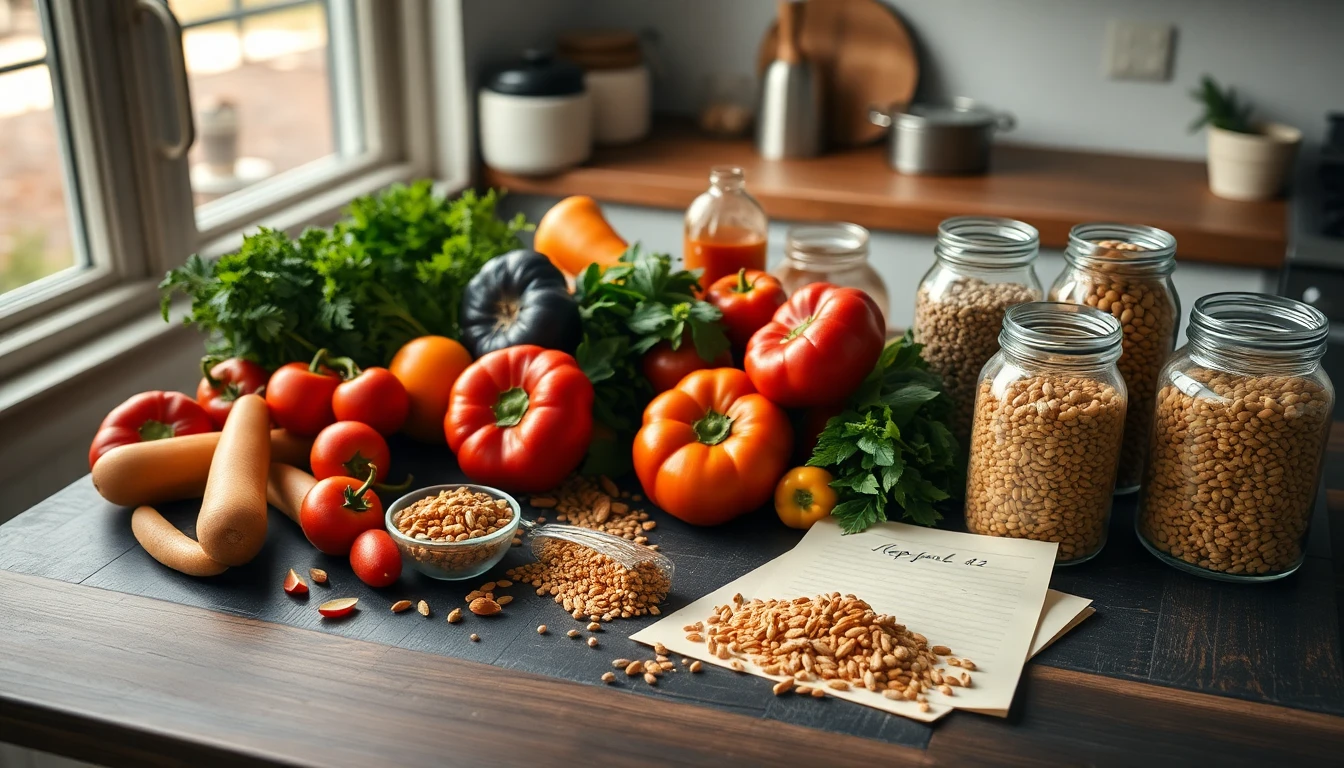
Between work, caring responsibilities, and managing health conditions, cooking nutritious meals every evening can feel impossible. Batch cooking freezer meals solves this: spend a few hours once or twice monthly preparing multiple dishes that freeze well, then simply reheat when needed. The result? Home-cooked, nutritionally balanced meals without daily cooking stress.
Freezing doesn't sacrifice nutrition. Done properly, frozen meals retain 80-90% of vitamins and minerals whilst offering convenience without the excessive sodium, preservatives, and processing found in commercial frozen dinners. This guide provides ten tested recipes chosen for nutritional balance, reliable freezing characteristics, and broad appeal—whether you're managing specific dietary requirements or simply want healthier weeknight dinners.
Why Healthy Freezer Meals Support Better Nutrition
Time pressure directly correlates with poor food choices. When we're tired and hungry, we're more likely to reach for ultra-processed convenience foods or takeaways high in sodium, saturated fats, and refined carbohydrates. Having batch-cooked meals ready interrupts this pattern by ensuring nutritious options are always available.
Freezing food at home offers distinct nutritional advantages over shop-bought ready meals. Commercial frozen dinners often contain 2-3g sodium per portion—sometimes exceeding half your daily recommended intake—to extend shelf life and enhance flavour. Home-prepared frozen meals allow complete control over salt, sugar, and fat content whilst maximising vegetables, whole grains, and lean proteins.
Research from the British Nutrition Foundation demonstrates that freezing produce shortly after harvesting preserves more nutrients than fresh produce transported long distances and stored for days. This principle extends to prepared meals: freezing within two hours of cooking locks in nutritional value, making batch-cooked meals potentially more nutritious than ingredients sitting in the fridge for a week.
Nutrient Retention During Freezing
Freezing at -18°C or below halts enzymatic activity and microbial growth that cause food degradation. Water-soluble vitamins like vitamin C and B vitamins are most vulnerable during preparation and reheating, but proper techniques preserve 80-90% of content. Fat-soluble vitamins (A, D, E, K), minerals, protein, and fibre remain stable during freezing and storage for up to four months.
- Blanching vegetables — Brief boiling before freezing deactivates enzymes that cause nutrient loss, preserving 90% of vitamin content during storage versus 50-60% without blanching
- Quick cooling — Rapid temperature reduction (within 90 minutes to below 5°C) prevents large ice crystal formation that damages cell structures and leads to nutrient leaching upon thawing
- Airtight packaging — Prevents freezer burn and oxidation that degrades vitamins A, C, and E by up to 25% over three months in poorly sealed containers
- Consistent temperature — Maintaining -18°C or below preserves nutritional quality; even brief temperature fluctuations during defrost cycles accelerate vitamin degradation by 10-15%
10 Healthy Freezer Meals: Complete Batch Cooking Recipes
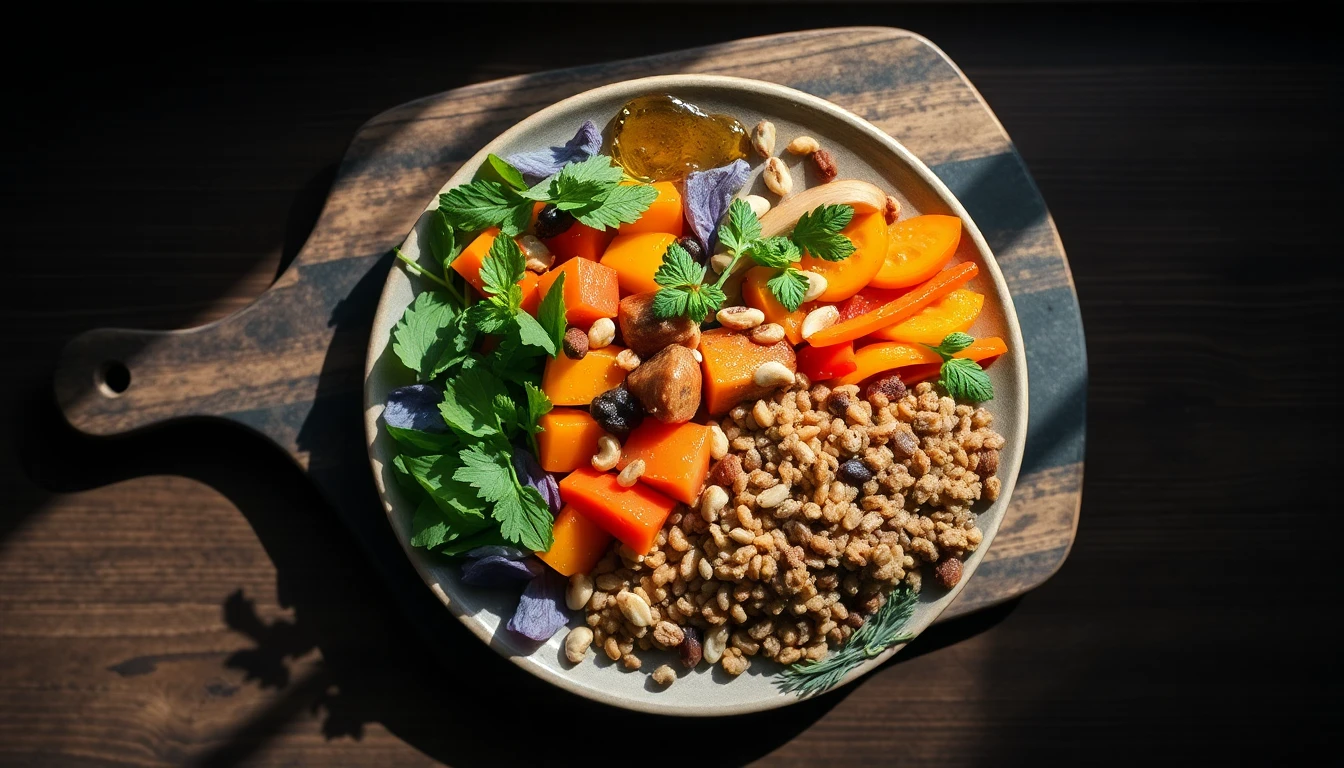
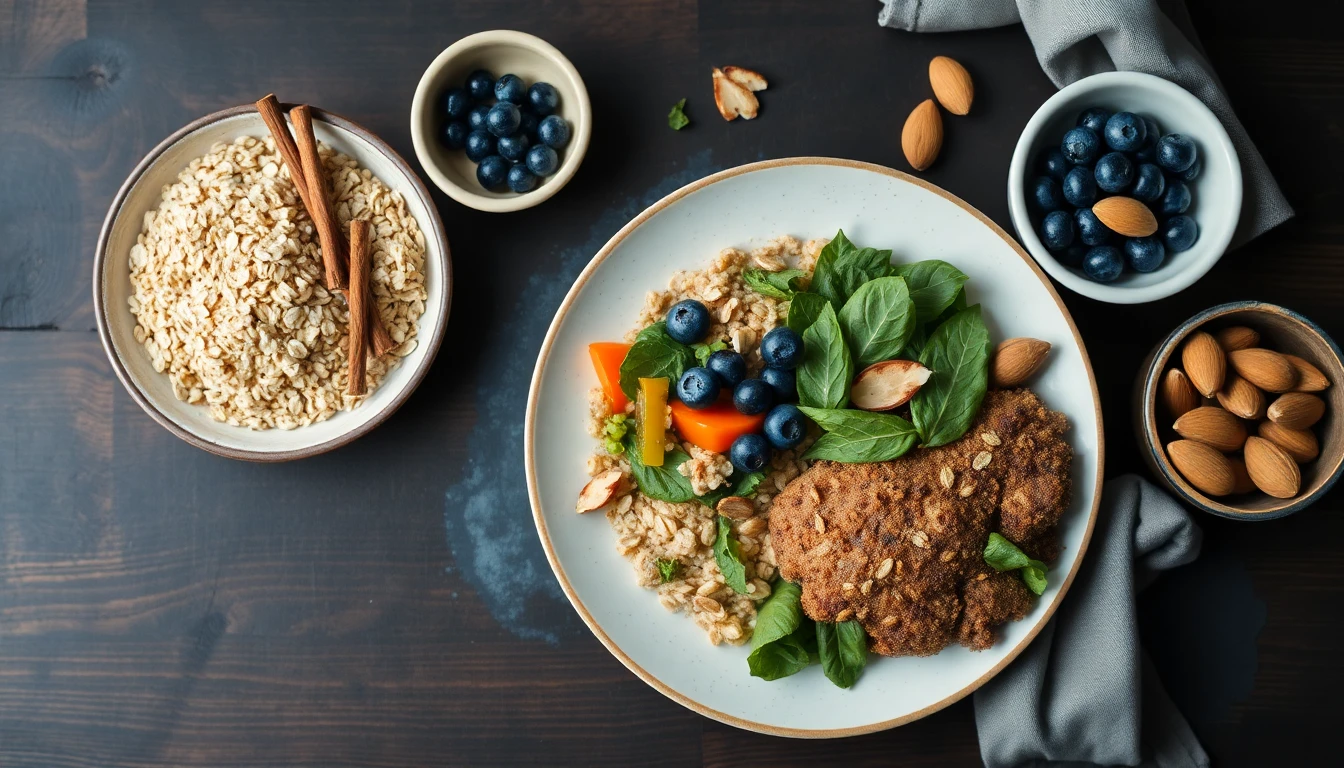
These recipes were selected for nutritional completeness, freezing reliability, and efficient batch preparation. Each provides balanced protein, complex carbohydrates, healthy fats, and at least two vegetable portions per serving. Preparation instructions focus on simultaneous cooking to maximise efficiency during your batch cooking session.
1. Mediterranean Chicken and Chickpea Stew
A protein-rich stew delivering 35g protein per portion with anti-inflammatory herbs, 12g fibre from chickpeas, and lycopene-rich tomatoes. Makes 8 portions; freezes for 3 months.
- Protein — 1.2kg diced chicken thighs, 2 tins chickpeas (drained, rinsed)
- Vegetables — 3 chopped onions, 6 minced garlic cloves, 4 diced peppers, 2 × 400g tins chopped tomatoes, 200g spinach
- Flavour & nutrition — 2 tbsp olive oil, 2 tsp each cumin and paprika, 1 tsp turmeric, fresh parsley, 500ml chicken stock
- Method — Sauté onions and garlic 5 minutes, brown chicken in batches, add spices and cook 1 minute, add peppers, tomatoes, chickpeas, and stock. Simmer covered 35 minutes, stir through spinach until wilted. Cool completely within 90 minutes before portioning into containers
2. Thai-Inspired Butternut Squash and Lentil Curry
Plant-based protein (18g per portion) with complex carbohydrates, 800% daily vitamin A from squash, and warming spices. Vegan and naturally gluten-free. Makes 10 portions; freezes for 4 months.
- Base — 2 large butternut squash (peeled, 2cm cubes), 500g dried red lentils (rinsed), 2 × 400ml tins coconut milk, 1L vegetable stock
- Aromatics — 3 chopped onions, 6cm fresh ginger (minced), 6 garlic cloves (minced), 2 tbsp Thai red curry paste
- Vegetables — 300g green beans (trimmed, halved), 2 red peppers (sliced), large handful fresh coriander
- Method — Fry onions, ginger, and garlic until soft (6 minutes). Add curry paste, cook 1 minute. Add squash, lentils, coconut milk, and stock. Simmer uncovered 25 minutes until lentils are tender, add beans and peppers for final 5 minutes. Stir through half the coriander; reserve remainder for garnish after reheating
3. Beef and Vegetable Cottage Pie
Traditional comfort food with three hidden vegetable portions per serving and 28g protein from lean beef. Makes 2 large pies (12 portions total); freezes for 3 months.
- Filling — 1.5kg lean minced beef (5% fat), 4 diced carrots, 3 diced onions, 300g mushrooms (chopped), 200g frozen peas, 2 × 400g tins chopped tomatoes, 3 tbsp tomato purée, 500ml beef stock, 2 tsp Worcestershire sauce
- Topping — 2kg floury potatoes (Maris Piper, peeled), 100ml semi-skimmed milk, 50g butter, 100g grated mature cheddar (optional)
- Method — Brown mince in batches without oil (fat will render), drain excess. Sauté vegetables in 1 tbsp oil, combine with mince, tomatoes, purée, stock, and Worcestershire sauce. Simmer uncovered 40 minutes until thick. Meanwhile, boil potatoes 15-20 minutes, drain, mash with milk and butter. Layer mince in foil containers, top with mash, rough up surface with fork. Cool to room temperature within 2 hours, cover tightly, freeze
4. Moroccan-Spiced Salmon with Quinoa
Omega-3 rich fish (2g EPA/DHA per portion) with complete protein quinoa and antioxidant-rich spices. Makes 6 portions; freezes for 2 months maximum due to fish oil oxidation.
- Protein — 6 × 150g salmon fillets, skinless, pin-boned
- Quinoa base — 400g uncooked quinoa (yields 1.2kg cooked), 2 diced courgettes, 2 diced peppers, 1 × 400g tin chickpeas (drained), 100g dried apricots (chopped), 50g flaked almonds (toasted)
- Spice blend — 2 tsp each ground cumin, coriander, paprika; 1 tsp cinnamon; pinch cayenne; juice of 1 lemon
- Method — Cook quinoa according to packet (typically 15 minutes), drain. Sauté vegetables until tender (8 minutes), mix with cooked quinoa, chickpeas, apricots, almonds, and lemon juice. Rub salmon with spice blend, pan-fry in 1 tbsp oil 3 minutes each side (centre should remain slightly translucent—will finish cooking when reheated). Portion quinoa into containers, top with salmon, cool rapidly
5. Turkey and Black Bean Chilli
Lean protein (32g per portion) with 15g fibre from beans and capsaicin from chillies supporting metabolism. 60% less saturated fat than traditional beef chilli. Makes 10 portions; freezes for 4 months.
- Protein — 1.5kg turkey breast mince, 2 × 400g tins black beans (drained), 1 × 400g tin kidney beans (drained)
- Vegetables — 3 onions (diced), 6 garlic cloves (minced), 3 peppers (diced, mixed colours), 3 × 400g tins chopped tomatoes, 2 tbsp tomato purée
- Spicing — 2 tbsp ground cumin, 1 tbsp smoked paprika, 2 tsp chilli powder (adjust heat preference), 1 tsp dried oregano, 1 tsp cocoa powder (adds depth)
- Method — Brown turkey in batches over high heat (6 minutes per batch), breaking up lumps. Remove, sauté onions, garlic, and peppers until soft. Add spices and cocoa, cook 1 minute until fragrant. Return turkey, add tomatoes, purée, and 200ml water. Simmer uncovered 30 minutes, add beans, simmer further 15 minutes until thick
6. Vegetable and Lentil Lasagne
Plant-based comfort food delivering 22g protein per portion from lentils and ricotta, plus four vegetable portions. Makes 2 lasagnes (12 portions); freezes for 3 months.
- Lentil layer — 500g dried green lentils (yields 1.2kg cooked), 3 diced onions, 4 diced carrots, 3 diced courgettes, 400g mushrooms (sliced), 3 × 400g tins chopped tomatoes, 3 tbsp tomato purée, 2 tsp each dried basil and oregano, 300ml vegetable stock
- Cheese layer — 1kg ricotta, 200g grated mozzarella, 2 eggs, 100g grated parmesan, large handful fresh basil (chopped)
- Assembly — 2 × 250g packets dried lasagne sheets (no pre-cook variety)
- Method — Cook lentils according to packet, drain. Sauté vegetables in batches until soft. Combine vegetables, lentils, tomatoes, purée, stock, and herbs; simmer 30 minutes until very thick. Mix ricotta with eggs, half the mozzarella, parmesan, and basil. Layer in two foil trays (23 × 30cm): thin layer lentil sauce, pasta, ricotta, lentil sauce, pasta, ricotta, lentil sauce, pasta, remaining mozzarella. Cover tightly with lids or foil, cool, freeze
7. Chicken and Vegetable Fried Rice
Complete meal with three vegetable portions per serving, 28g lean protein, and whole grains if using brown rice. Makes 8 portions; freezes for 2 months.
- Base — 600g uncooked rice (yields 1.8kg cooked; use day-old refrigerated rice or spread freshly cooked rice on trays to cool and dry 1 hour), 800g diced chicken breast
- Vegetables — 300g frozen peas, 3 carrots (diced small), 1 red pepper (sliced), 200g tenderstem broccoli (chopped), 6 spring onions (sliced), 4cm ginger (minced), 4 garlic cloves (minced)
- Seasoning — 4 tbsp reduced-salt soy sauce, 2 tbsp sesame oil, 4 beaten eggs, 1 tbsp vegetable oil
- Method — Heat wok over high heat, scramble eggs in 1 tsp oil, set aside. Stir-fry chicken in batches 4-5 minutes until cooked through, remove. Add remaining oil, fry carrots 3 minutes, add pepper and broccoli 3 minutes, add peas, ginger, garlic 2 minutes. Return chicken and eggs, add cold rice, break up clumps with spatula. Toss 3-4 minutes until heated through. Add soy sauce, sesame oil, spring onions. Cool spread on trays before portioning
8. White Fish and Sweet Potato Pie
Omega-3 from sustainable fish with 300% daily vitamin A from sweet potato topping and 26g protein per portion. Makes 8 portions; freezes for 2 months.
- Fish filling — 1kg sustainable white fish (MSC-certified cod, haddock, or pollock), 300g raw king prawns (optional), 500ml semi-skimmed milk, 2 bay leaves, 200g frozen peas, 2 leeks (sliced), 40g butter, 40g plain flour, large handful fresh parsley (chopped), zest of 1 lemon
- Topping — 1.5kg sweet potatoes (peeled, cubed), 30g butter, splash milk, pinch nutmeg
- Method — Gently poach fish in milk with bay leaves 8 minutes, remove fish and strain milk (reserve 500ml). Flake fish, removing any bones. Sauté leeks in butter until soft, add flour, cook 1 minute. Gradually add reserved milk, whisking continuously to make smooth sauce. Add fish, prawns, peas, parsley, lemon zest; season. Boil sweet potatoes 12-15 minutes until tender, drain, mash with butter, milk, and nutmeg. Divide filling between containers, top with sweet potato, rough up surface. Cool, freeze
9. Spiced Bean and Vegetable Burrito Filling
Versatile plant-based filling providing 16g protein and 18g fibre per portion from mixed beans. Serve with wholemeal wraps, over rice, or with jacket potatoes. Makes 10 portions; freezes for 4 months.
- Protein — 2 × 400g tins black beans, 2 × 400g tins kidney beans, 2 × 400g tins pinto beans (all drained, rinsed)
- Vegetables — 3 onions (diced), 6 garlic cloves (minced), 3 peppers (diced, mixed colours), 400g frozen sweetcorn, 3 × 400g tins chopped tomatoes, 2 tbsp tomato purée
- Spicing — 2 tbsp ground cumin, 1 tbsp smoked paprika, 2 tsp ground coriander, 1 tsp chilli powder, juice of 2 limes, large handful fresh coriander (chopped)
- Method — Sauté onions, garlic, and peppers in 2 tbsp oil until softened (8 minutes). Add spices, cook 1 minute. Add tomatoes, tomato purée, beans, and sweetcorn. Simmer uncovered 30 minutes, stirring occasionally, until thick enough that spoon leaves trail when dragged through. Stir through lime juice and fresh coriander. Cool before portioning
10. Pork and Apple Meatballs with Root Vegetables
Lean pork (24g protein per portion) with natural sweetness from apple and caramelised vegetables. Lower in saturated fat than beef meatballs. Makes 40 meatballs (8 portions); freezes for 3 months.
- Meatballs — 1kg lean pork mince (5% fat), 2 Bramley apples (peeled, grated, excess moisture squeezed out), 1 onion (grated), 100g wholemeal breadcrumbs, 2 eggs, 2 tsp dried sage, salt and pepper
- Vegetables — 6 carrots (peeled, sliced into 2cm rounds), 3 parsnips (peeled, quartered lengthways), 2 onions (cut into wedges), 2 tbsp olive oil
- Sauce — 500ml chicken stock, 2 tbsp wholegrain mustard, 2 tbsp honey, 1 tbsp plain flour
- Method — Mix meatball ingredients thoroughly, shape into 40 balls (about 35g each). Brown in batches in 1 tbsp oil, 6-8 minutes, set aside. Toss vegetables in remaining oil, roast at 200°C for 20 minutes. Whisk flour into stock, add mustard and honey. Arrange meatballs and vegetables in deep roasting tin, pour over stock mixture. Cover tightly with foil, bake 30 minutes. Cool before dividing into portions
Proper Storage and Freezing Techniques for Maximum Quality
How you cool, package, and freeze meals directly impacts safety, nutritional quality, and palatability when reheated. Following proper techniques prevents freezer burn, maintains texture, and ensures food safety according to Food Standards Agency guidelines.
Cooling Before Freezing
Never place hot food directly into the freezer—this raises internal temperature, potentially affecting already-frozen items and creating large ice crystals that damage food structure. However, the Food Standards Agency advises that leaving food at room temperature beyond two hours risks bacterial multiplication in the danger zone (5-63°C).
- 90-minute target — Cool food from cooking temperature to below 5°C within 90 minutes for optimal food safety and ice crystal formation; maximum safe time is 2 hours to room temperature
- Shallow containers — Transfer hot food to wide, shallow containers (5cm depth maximum) to increase surface area and speed cooling by up to 60%
- Ice bath method — Place sealed containers in sink filled with ice water, stirring contents every 10 minutes to cool rapidly and evenly
- Portion whilst warm — Divide large batches into meal-sized portions (300-500g) whilst still warm for faster, more even cooling; smaller portions cool 4× faster than large volumes
Packaging for Freezer Storage
Proper packaging prevents freezer burn (dehydration and oxidation creating dry, discoloured patches) and maintains quality during storage. The goal is eliminating air contact whilst allowing 10% volume expansion as liquids freeze.
- Rigid containers — Use freezer-safe plastic (polypropylene or HDPE) or tempered glass containers with tight-fitting lids, leaving 2cm headspace for liquids to expand without cracking lids
- Freezer bags — Heavy-duty freezer bags (minimum 100 microns thick) work well for stews and sauces; squeeze out excess air using water displacement method (submerge bag in water to neck, seal as water pushes air out), lay flat for space-efficient stacking
- Single-use portions — Freeze in individual (300-400g) or family-sized (800g-1kg) portions to avoid defrosting more than needed; reduces waste and bacterial risk from partial defrosting
- Complete labelling — Write contents, date frozen, portion size, and specific reheating instructions on every container using permanent marker; frozen food becomes indistinguishable after weeks
- Foil containers — Disposable foil trays (23-30cm) with cardboard lids work brilliantly for lasagnes and pies, going directly from freezer to oven without container transfer
Safe Storage Duration for Best Quality
Frozen food stored at -18°C or below remains safe indefinitely, but quality deteriorates over time as moisture migrates and fat oxidises. These evidence-based timeframes balance safety with optimal flavour, texture, and nutrient retention.
- Soups and stews (beef, pork, chicken) — 4 months for best quality; bean-based dishes maintain texture particularly well due to low moisture content
- Curry and casseroles — 3-4 months; sauce-based dishes with spices maintain flavour better than plain preparations
- Cooked poultry dishes — 3 months; darker meat (thighs, legs) freezes better than breast meat due to higher fat content preventing drying
- Cooked beef and pork — 3 months; lean cuts freeze better than fatty meats which develop rancid off-flavours after 2 months
- Fish dishes — 2 months maximum; oily fish like salmon has shorter freezer life (6-8 weeks) than white fish due to omega-3 fat oxidation
- Rice and pasta dishes — 2 months; texture degrades faster than protein-based meals as starches undergo retrogradation (staling)
- Meatballs and burgers — 3 months; formed meat products freeze well due to compact structure and even freezing
- Vegetable-heavy dishes — 3-4 months depending on vegetables used; watery vegetables like courgette may become mushy, whilst root vegetables maintain texture excellently
Reheating Techniques That Preserve Nutrition and Flavour
Reheating frozen meals properly ensures food safety (core temperature 75°C minimum for 2 minutes) whilst maintaining nutritional quality and palatability. Different dishes require specific approaches for optimal results.
Safe Defrosting Methods
The NHS and Food Standards Agency recommend three safe defrosting methods. Never defrost food at room temperature where outer portions reach unsafe temperatures (above 5°C for over 2 hours) whilst centres remain frozen, creating ideal conditions for bacterial multiplication.
- Refrigerator defrosting (safest) — Plan 8-10 hours for 500g portions, 16-24 hours for 1kg portions. Place on plate to catch condensation. Food remains at safe temperature (below 5°C) throughout
- Microwave defrosting (quickest) — Use defrost setting (30% power) for 6-8 minutes per 500g, rotating halfway. Reheat immediately—don't let defrosted food sit as microwave creates warm spots where bacteria multiply
- Direct from frozen (most convenient) — Many stews, curries, and soups reheat straight from freezer. Add 50-60% more cooking time and ensure food reaches 75°C throughout, checked with probe thermometer in thickest part
Reheating Methods for Optimal Results
The key principle: ensure food reaches 75°C in the centre and maintains that temperature for at least 2 minutes to eliminate any bacteria, but avoid prolonged heating which degrades heat-sensitive B vitamins (thiamine, folate) and vitamin C by up to 30%.
- Stovetop reheating (best for curries, stews, chilli) — Add to saucepan with 3-4 tbsp water or stock to prevent sticking. Heat gently with lid on, stirring every 3-4 minutes. Once bubbling, maintain rolling boil 2 minutes, then reduce and simmer 3-5 minutes. Total time: 15-20 minutes from defrosted, 25-30 minutes from frozen
- Oven reheating (best for pies, lasagnes, bakes) — Cover tightly with foil to trap moisture. Heat at 180°C for 35-45 minutes (defrosted) or 70-90 minutes (frozen), checking centre temperature reaches 75°C. Remove foil final 10-15 minutes to crisp top. Let stand 5 minutes before serving
- Microwave reheating (quickest but less even) — Use medium-high power (70-80%). Cover loosely with microwave-safe lid or pierced film. Heat 3 minutes, stir thoroughly, heat 2 minutes, stir, check temperature. Repeat in 1-minute bursts until steaming throughout. Let stand covered 2 minutes for heat distribution
- Combination method (best results) — Defrost in microwave, then finish in oven or stovetop for superior texture; particularly effective for pastry-topped dishes and rice-based meals
Texture and Flavour Recovery Tips
Some texture changes are inevitable with freezing due to ice crystal cell damage and moisture redistribution, but these evidence-based techniques restore appeal and freshness.
- Watery sauces — If stews seem thin after reheating (water released from ice crystals), simmer uncovered 5-10 minutes to reduce, or whisk in cornflour slurry (1 tsp cornflour mixed with 2 tbsp cold water per 400ml liquid), simmer 2 minutes
- Dry proteins — Add 4-5 tbsp stock, wine, or water per portion whilst reheating to restore moisture lost during freezing; works particularly well for chicken and turkey
- Mushy pasta/rice — Cook grains 2 minutes less than packet directions before freezing; they'll reach perfect texture during reheating. For already-frozen mushy rice, fry in hot pan with 1 tbsp oil to separate grains and crisp texture
- Flat flavours — Freezing dulls volatile flavour compounds. Refresh after reheating with squeeze of fresh lemon or lime, handful of fresh herbs (coriander, parsley, basil), crack of black pepper, or drizzle of quality olive oil
- Separated sauces — Coconut milk and dairy cream may split when frozen. Whisk vigorously whilst reheating, or blend briefly with immersion blender to re-emulsify
Comparing Healthy Freezer Meal Options
Different meal types offer distinct advantages for batch cooking. Understanding these helps you choose recipes that match your schedule, freezer capacity, and nutritional priorities.
- Soups and stews — Best for maximum freezer life (4 months), easiest reheating (stovetop from frozen in 25 minutes), highest vegetable content (typically 3-4 portions per serving), but require liquid-safe containers with headspace
- Curries and chilli — Excellent for flavour improvement during storage (spices meld and deepen), versatile serving options (over rice, with naan, in wraps), freeze for 3-4 months, ideal for batch cooking as flavour develops during long simmering
- Layered bakes (lasagne, pies, moussaka) — Most space-efficient when frozen flat in foil trays, impressive presentation when serving guests, require longest reheating time (70-90 minutes from frozen), freeze for 3 months
- Meatballs and burgers — Individual portions allowing flexible serving sizes, quick defrosting (10 minutes microwave for 4 meatballs), suitable for children and batch cooking simultaneously with multiple flavour profiles, freeze for 3 months
- Grain-based meals (fried rice, grain bowls) — Shortest freezer life (2 months) due to starch retrogradation, quickest reheating (8-10 minutes microwave), complete meals requiring no sides, texture slightly compromised but acceptable when fried after defrosting
- Fish dishes — Shortest safe storage (2 months) due to omega-3 oxidation, highest omega-3 content (2-3g per portion for oily fish), most delicate reheating required (gentle, covered, to 75°C exactly), best nutritional profile for heart and brain health
How FreshPlate Can Help With Batch Cooking
Whilst batch cooking freezer meals saves time compared to daily cooking, the planning can feel overwhelming, especially when you're managing medications, dietary requirements or health conditions in one household. FreshPlate has a free food–medication interaction checker on the website: type in a medication or its brand name and see the foods to watch, in seconds.
Every recipe the app generates is built around your own medication list, so you don't have to work it all out from scratch. Medicines are added by brand or generic name, and the app reads each one by its active ingredient, so a brand such as Lipitor gets the atorvastatin rules. Warfarin is handled as "keep vitamin K steady", not "avoid greens". A few interactions are hard blocks, such as grapefruit with certain statins, and everything else is advisory. For medical conditions, the app steers rather than prescribes: recipes lean towards what public UK guidance (NHS, BDA) says suits the condition.
Recipes you keep go onto a shopping list, which makes it easier to gather everything for a big cooking session in one go. And once you've made a batch, Cook on the Meals tab can measure it for you: it works out a food you make yourself, such as a pot of chilli or a tray bake, from its ingredient lines in one go (per 100 g, with a real serving size), keeps it in your kitchen with a photo, and logs a portion in one tap from then on.
Whether you're cooking for one person with diabetes and coeliac disease, or a family where one member needs low-sodium meals whilst another wants high-protein options for natural bodybuilding, each recipe has a For you tab showing what was checked (allergens, diet, religious rules), why it suits your goal and conditions, and whether it fits what is left of your day. Fatal allergens are treated with zero tolerance, and onboarding asks about cultural and religious food preferences, such as halal, kosher, Caribbean or South Asian, so recipes respect them. That leaves you free to cook, freeze and enjoy your meals.
Frequently asked questions
What are the best healthy freezer meals for batch cooking?
+
The best healthy freezer meals are soups, stews, curries, chilli, lasagnes, cottage pies, and meatballs—they freeze for 2-4 months whilst maintaining nutrition and texture. Choose recipes with at least 20g protein per portion, two vegetable servings, and minimal processed ingredients. Legume-based dishes (lentil curry, bean chilli) freeze particularly well for 4 months, whilst fish dishes have shorter storage (2 months). Avoid dishes with cream sauces, raw vegetables, or fried coatings which become watery or soggy when frozen.
How long do healthy freezer meals last in the freezer?
+
Healthy freezer meals last 2-4 months for best quality when stored at -18°C or below. Specifically: soups and stews last 4 months, curries and casseroles last 3-4 months, cooked chicken and meat dishes last 3 months, fish dishes last 2 months, and rice or pasta dishes last 2 months. Whilst frozen food remains safe indefinitely, quality deteriorates beyond these timeframes due to moisture loss, fat oxidation, and texture degradation. Always label containers with freezing date and use oldest meals first.
Are homemade freezer meals healthier than shop-bought ready meals?
+
Yes, homemade freezer meals are significantly healthier than shop-bought ready meals because you control sodium, sugar, and saturated fat content whilst maximising vegetables, whole grains, and lean proteins. Commercial frozen dinners typically contain 2-3g sodium per portion (up to 50% of daily recommended intake), added sugar for flavour, and preservatives for extended shelf life. Home-prepared meals retain 80-90% of vitamins and minerals when properly frozen, matching or exceeding fresh meals stored in the fridge for days.
Can you freeze meals with rice or pasta without them going mushy?
+
Yes, rice and pasta freeze successfully when cooked 1-2 minutes less than packet directions before freezing, as they continue cooking during reheating. Rice-based dishes freeze better than pasta dishes. Adding 1 tsp oil per portion of cooked rice before freezing prevents grains clumping. For best texture, reheat rice by frying in a hot pan with oil rather than microwaving, which can make it mushy. Freeze rice and pasta dishes for maximum 2 months; texture degrades faster than protein-based meals.
What is the safest way to reheat frozen batch-cooked meals?
+
The safest way to reheat frozen meals is ensuring the centre reaches 75°C and maintains that temperature for at least 2 minutes. Stovetop reheating is most reliable: add frozen meal to saucepan with 3-4 tbsp liquid, heat with lid on, stir frequently, bring to rolling boil for 2 minutes, then simmer 3-5 minutes. Alternatively, microwave on medium-high power, stirring every 2 minutes, until steaming throughout; let stand covered 2 minutes. Never reheat food more than once, and refrigerate leftovers within 2 hours of reheating.
Do frozen home-cooked meals lose their nutritional value?
+
Frozen home-cooked meals retain 80-90% of their nutritional value when properly frozen and stored at -18°C for recommended periods (2-4 months depending on meal type). Protein, fibre, minerals, and fat-soluble vitamins (A, D, E, K) remain completely stable. Water-soluble vitamins (vitamin C and B vitamins) decrease by 10-20%, but losses are similar to fresh ingredients stored in the fridge for 3-5 days. Freezing actually preserves more nutrients than keeping cooked food refrigerated for a week before eating.
Sources
Did this answer your question?
Reece reads every reply. Questions we have not covered become new guides.
Enjoyed these? There’s more where they came from.
Get fresh batch cooking recipes and meal ideas by email — practical, healthy, and built for real weeknights. One genuinely useful email a week — no spam, unsubscribe anytime.
Free forever. You'll also be first in line for the FreshPlate app — with a free trial at launch.