Perimenopause Nutrition Guide: Foods for Hormone Balance
Evidence-based nutrition strategies to support hormonal shifts, manage hot flushes, improve sleep, and protect bone health during the perimenopausal transition.

By Reece Douglas · Founder, FreshPlate
Listen to this article
Perimenopause Nutrition Guide: Foods for Hormone Balance
Perimenopause marks the years leading up to menopause, when oestrogen and progesterone levels begin their gradual, often erratic decline. For most women, this transition starts in their mid-40s and can last anywhere from four to eight years. During this time, you might experience hot flushes, night sweats, disrupted sleep, mood swings, brain fog, and changes in body composition—all linked to shifting hormone levels.
Whilst perimenopause is a natural biological process, how you nourish your body during these years can significantly influence both your immediate symptoms and your long-term health. The right nutritional choices can help stabilise blood sugar fluctuations that worsen hot flushes, support bone density as oestrogen's protective effects wane, and provide building blocks your body needs to manufacture and metabolise hormones more efficiently. This perimenopause nutrition guide offers evidence-based dietary strategies to help you navigate this transition with greater comfort and confidence.
Understanding Nutrition's Role in Hormone Balance
Hormones don't function in isolation—they're part of an intricate communication network that's constantly influenced by what you eat. During perimenopause, declining oestrogen levels affect everything from how your body regulates temperature to how it stores fat and maintains bone mass. Nutrition can't halt the biological clock, but it can provide substantial support.
Blood sugar stability becomes particularly important during perimenopause. Insulin resistance tends to increase during this phase, partly due to declining oestrogen's effects on glucose metabolism. When blood sugar spikes and crashes throughout the day, it triggers cortisol release, which can intensify hot flushes and night sweats whilst interfering with sleep. A diet that maintains steady glucose levels helps keep these cascade effects in check.
Additionally, certain nutrients serve as cofactors in hormone production and metabolism. B vitamins, magnesium, and zinc all play roles in how your body manufactures hormones and breaks them down after use. Adequate protein provides the amino acids needed for neurotransmitter production, which directly influences mood stability during hormonal fluctuations.
The Phytoestrogen Question
Phytoestrogens are plant compounds with a chemical structure similar enough to oestrogen that they can bind to oestrogen receptors in the body, though with much weaker effects than human oestrogen. The most studied phytoestrogens are isoflavones, found primarily in soya products, and lignans, found in flaxseeds, sesame seeds, and whole grains.
Research on phytoestrogens and menopausal symptoms shows mixed but generally positive results. Some women report meaningful reductions in hot flush frequency and severity with regular phytoestrogen intake, whilst others notice little difference. This variation likely relates to individual differences in gut bacteria—you need specific bacterial strains to convert isoflavones into their active form, equol. Importantly, concerns about phytoestrogens and breast cancer risk have not been supported by research; in fact, traditional soya consumption is associated with reduced breast cancer risk in Asian populations.
Foods That Support Hormonal Transition
Building your diet around specific food groups can help address multiple perimenopausal concerns simultaneously. The following foods provide targeted nutritional support during this transition.
Phytoestrogen-Rich Foods
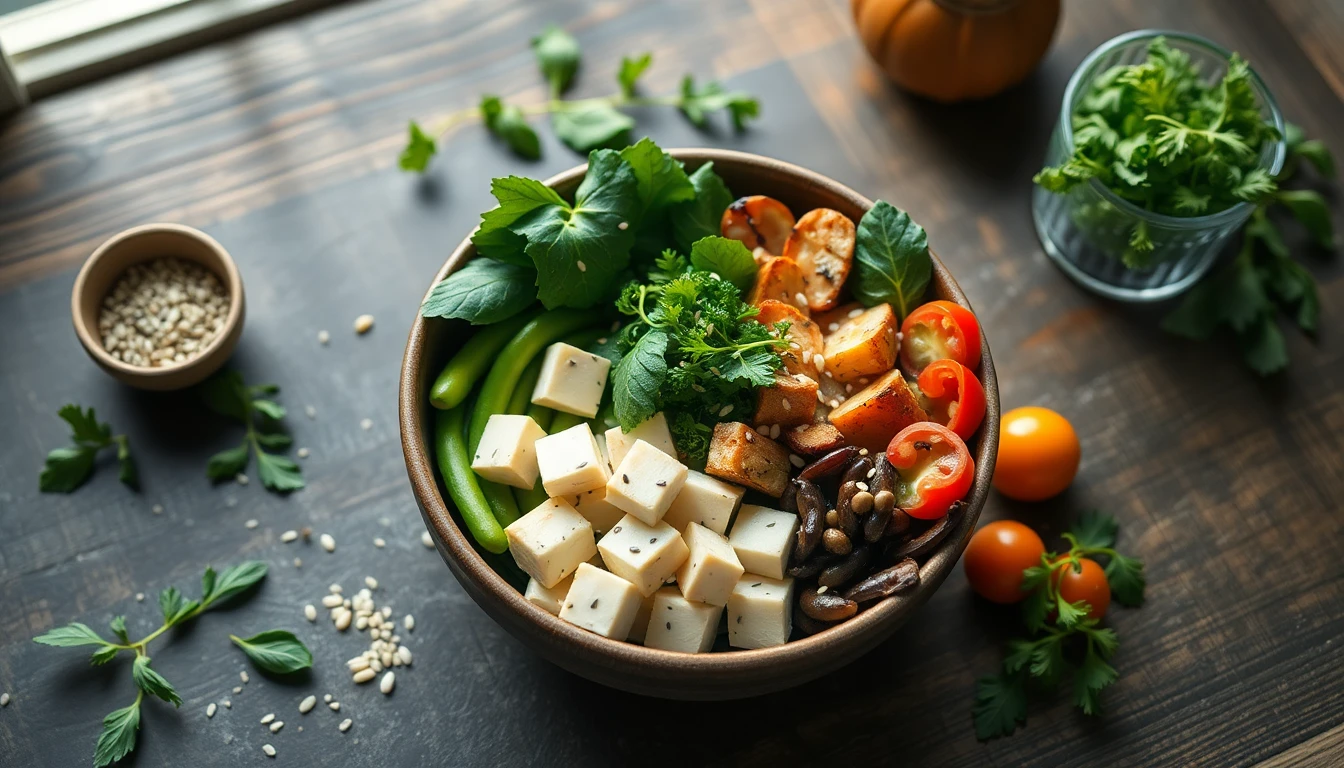
- Soya products — tofu, tempeh, edamame, and unsweetened soya milk provide isoflavones; aim for whole soya foods rather than processed isolates
- Flaxseeds — contain lignans and omega-3 fats; grind before eating to improve absorption and sprinkle on porridge or yoghurt
- Sesame seeds — rich in lignans and calcium; tahini is an easy way to incorporate them into meals
- Chickpeas and lentils — offer isoflavones alongside fibre and protein for blood sugar stability
Calcium and Bone-Building Nutrients
Oestrogen plays a crucial protective role in bone health, and its decline during perimenopause accelerates bone loss. Women can lose up to 20% of bone density in the five to seven years following menopause. Adequate calcium intake, paired with vitamin D and other bone-supporting nutrients, becomes essential.
- Dairy products — milk, yoghurt, and cheese provide highly absorbable calcium; choose lower-fat options if you're managing weight
- Tinned fish with bones — sardines and salmon provide both calcium and vitamin D
- Leafy greens — kale, bok choy, and spring greens offer calcium along with vitamin K, which helps direct calcium into bones
- Fortified plant milks — if avoiding dairy, choose versions fortified with calcium and vitamin D
- Almonds — provide calcium, magnesium, and healthy fats
Blood Sugar Stabilisers
- Protein at every meal — chicken, fish, eggs, legumes, or Greek yoghurt slow glucose absorption and support muscle mass
- Wholegrains — oats, quinoa, brown rice, and wholemeal bread provide sustained energy without blood sugar spikes
- Healthy fats — avocados, nuts, seeds, and olive oil improve satiety and slow carbohydrate digestion
- Non-starchy vegetables — fill half your plate with vegetables like broccoli, peppers, courgettes, and leafy greens for volume and nutrients with minimal impact on blood sugar
Managing Specific Perimenopause Symptoms Through Diet
Different symptoms respond to different nutritional strategies. Here's how to tailor your eating patterns to address your most troublesome concerns.
Hot Flushes and Night Sweats
Hot flushes are triggered by the hypothalamus—your body's temperature control centre—which becomes more sensitive during hormonal fluctuations. Certain foods and eating patterns can either trigger or reduce their frequency.
- Avoid common triggers — caffeine, alcohol, spicy foods, and very hot drinks can all prompt hot flushes in sensitive individuals
- Maintain stable blood sugar — eating regular meals with balanced macronutrients prevents the glucose crashes that trigger cortisol release
- Stay hydrated — dehydration can worsen body temperature regulation; aim for 1.5-2 litres of water daily
- Consider phytoestrogens — regular intake of soya foods may reduce hot flush frequency by 20-50% in some women, though effects vary
Sleep Disruption
Night sweats, anxiety, and changing hormone levels all conspire to disrupt sleep during perimenopause. Evening food choices can either support or sabotage sleep quality.
- Front-load protein — eating more protein earlier in the day and lighter evening meals can improve sleep quality
- Include magnesium-rich foods — pumpkin seeds, almonds, spinach, and dark chocolate support nervous system relaxation
- Time carbohydrates strategically — a modest portion of wholegrains at dinner may support serotonin production and sleep onset
- Limit evening caffeine and alcohol — caffeine affects sleep even six hours before bed; alcohol disrupts sleep architecture despite initial drowsiness
Mood and Cognitive Changes
Fluctuating oestrogen affects neurotransmitter systems, particularly serotonin, which influences mood, and acetylcholine, which affects memory and concentration.
- Omega-3 fatty acids — oily fish like salmon, mackerel, and sardines support brain health; aim for two portions weekly
- B vitamins — found in wholegrains, eggs, leafy greens, and meat; essential for neurotransmitter production
- Complex carbohydrates — support serotonin synthesis; include wholegrains and legumes rather than refined sugars
- Iron and vitamin B12 — low levels contribute to fatigue and brain fog; include red meat, poultry, or fortified foods if following a plant-based diet
Weight Management During Perimenopause
Many women notice weight gain during perimenopause, particularly around the abdomen. This shift isn't inevitable, but it does require adjusting your approach as hormonal changes affect metabolism, muscle mass, and fat distribution.
Declining oestrogen contributes to reduced muscle mass and a slower metabolic rate. Simultaneously, insulin resistance tends to increase, making your body more likely to store calories as fat rather than burn them. The traditional advice to simply 'eat less and move more' often fails during perimenopause because it doesn't address these metabolic shifts.
A more effective approach focuses on preserving muscle mass through adequate protein intake—aim for 1.2-1.6 grams per kilogram of body weight daily, distributed across meals. Resistance training becomes crucial during this phase, as it's the most effective way to maintain metabolic rate. From a dietary perspective, prioritising protein and fibre-rich foods naturally improves satiety, making it easier to maintain an appropriate calorie intake without constant hunger.
Avoid severely restrictive diets, which can backfire by reducing muscle mass, slowing metabolism further, and increasing cortisol levels that worsen sleep and hot flushes. Instead, focus on nutrient density—foods that deliver substantial vitamins, minerals, and protein relative to their calorie content.
Practical Meal Planning for Perimenopause
Knowing which foods support hormonal balance is one thing; building them into daily eating patterns is another. Here's how to structure your meals for optimal symptom management.
- Breakfast — combine protein and fibre to stabilise morning blood sugar; try Greek yoghurt with berries and ground flaxseeds, or scrambled eggs with wholegrain toast and avocado
- Lunch — build around lean protein and abundant vegetables; a quinoa salad with chickpeas, mixed greens, and tahini dressing provides phytoestrogens, protein, and healthy fats
- Dinner — keep portions moderate and include calcium-rich foods; grilled salmon with steamed bok choy and brown rice offers omega-3s, calcium, and complex carbohydrates
- Snacks — choose protein-rich options that won't spike blood sugar; hummus with vegetable sticks, a small handful of almonds, or soya yoghurt with berries
- Hydration — keep a water bottle visible and aim for regular sips throughout the day; herbal teas can contribute to fluid intake without caffeine
Foods to Limit
Whilst no foods need to be completely forbidden, certain items tend to worsen perimenopausal symptoms when consumed regularly or in large amounts.
- Refined sugars and carbohydrates — biscuits, cakes, white bread, and sugary drinks cause blood sugar spikes that can trigger hot flushes and energy crashes
- Excessive alcohol — disrupts sleep, triggers hot flushes, interferes with bone health, and adds empty calories
- High sodium foods — processed meats, ready meals, and salty snacks can worsen bloating and may affect bone health
- Trans fats — found in some processed foods; promote inflammation and worsen cardiovascular risk factors
How FreshPlate Can Help Alongside Your Perimenopause Journey
Managing perimenopause nutrition whilst juggling work, family, and other responsibilities can feel overwhelming. FreshPlate takes some of the guesswork out of day-to-day eating by building every recipe around your own medications, food rules and cultural preferences, and by showing you why each recipe suits you.
Each recipe has a For you tab that shows what was actually checked (allergens, diet and religious rules), a line on why it suits your goal and any conditions you've told us about, and whether it fits what is left of your day. If you take any medicines, you add them by brand or generic name, and the For you tab lists them. For many, it opens the NHS or US FDA wording about food, quoted word for word, with a link to the interaction checker page. Where there is no advice on file yet, it says so and points you to your pharmacist. FreshPlate steers rather than prescribes: recipes lean towards what public UK guidance says suits a condition, and the app never claims to treat, prevent or cure anything.
Beyond the recipes, the Progress tab shows how your day is going, why, and what to do next, with a "How we worked this out" tap behind every number. If you let FreshPlate read sleep from Apple Health, a short night changes what the app says and leads with, including what to eat after it, though it never moves your targets. It's practical support for your own planning, so you can focus on preparing and enjoying food that suits you during this transition.
Frequently asked questions
What foods should I eat for perimenopause?
+
Focus on phytoestrogen-rich foods like soya, flaxseeds, and chickpeas; calcium sources including dairy, leafy greens, and tinned fish with bones; lean proteins at each meal; wholegrains for blood sugar stability; and omega-3-rich oily fish twice weekly. These foods support hormone balance, bone health, and symptom management.
Can diet help with hot flushes during perimenopause?
+
Yes, dietary changes can reduce hot flush frequency and severity. Maintain stable blood sugar through regular, balanced meals; consider adding phytoestrogen-rich soya foods; stay well-hydrated; and identify personal triggers such as caffeine, alcohol, or spicy foods that may worsen symptoms.
Do I need more calcium during perimenopause?
+
Yes, calcium needs remain high during perimenopause as declining oestrogen accelerates bone loss. Aim for 700mg daily from food sources like dairy, fortified plant milks, leafy greens, and tinned fish. Pair calcium with vitamin D and weight-bearing exercise for optimal bone protection.
Why am I gaining weight during perimenopause?
+
Hormonal changes during perimenopause reduce muscle mass, slow metabolism, and increase insulin resistance, making weight management more challenging. Combat this by prioritising protein intake (1.2-1.6g per kg body weight), incorporating resistance training, and focusing on whole foods that stabilise blood sugar rather than severely restricting calories.
Are soya products safe during perimenopause?
+
Yes, whole soya foods like tofu, tempeh, and edamame are safe and may help reduce hot flushes in some women. Research has not supported concerns about breast cancer risk; traditional soya consumption is actually associated with reduced risk. Choose whole soya products rather than highly processed isolates.
Sources
Did this answer your question?
Reece reads every reply. Questions we have not covered become new guides.
Small food changes. Big difference.
Get practical perimenopause tips by email — simple, evidence-based changes you can make this week. One genuinely useful email a week — no spam, unsubscribe anytime.
Free forever. You'll also be first in line for the FreshPlate app — with a free trial at launch.