Polyphenol Rich Foods: Health Benefits and UK Sources
Discover polyphenol rich foods available in the UK, their antioxidant and gut health benefits, plus practical daily portions to support your wellbeing.

By Reece Douglas · Founder, FreshPlate
Listen to this article
Polyphenol Rich Foods: Health Benefits and UK Sources
If you've heard nutrition experts championing colourful plant foods, polyphenols are a key reason why. These naturally occurring compounds give plants their vibrant colours and bitter flavours, but they do far more than make food look appealing. Research increasingly shows that polyphenol rich foods play a crucial role in protecting our cells from damage, supporting our gut bacteria, and potentially reducing the risk of several chronic conditions.
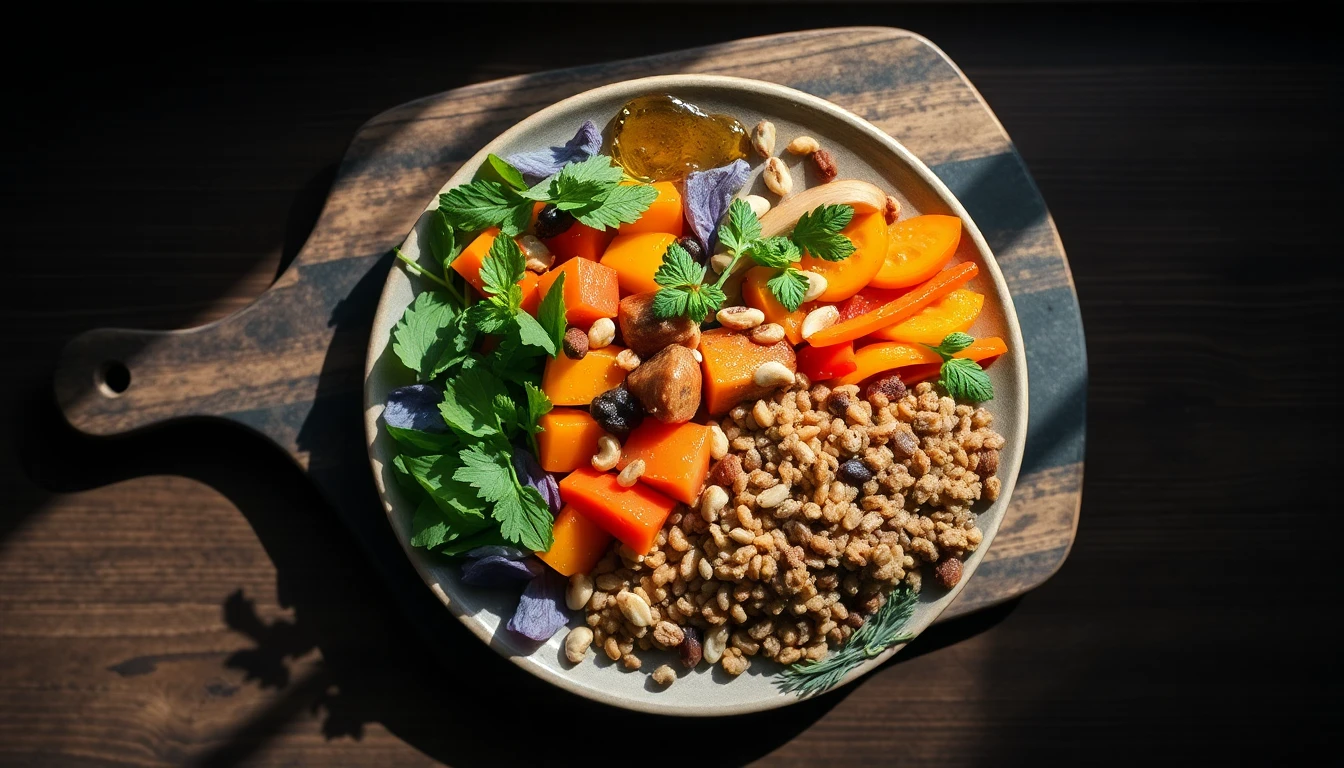
The good news for those of us in the UK is that polyphenol-packed foods aren't exotic imports requiring specialist shops. From your morning cuppa to British berries and everyday staples like apples and oats, you're likely already eating some polyphenols. This guide will help you understand what they do, which foods contain the most, and how to incorporate meaningful amounts into your daily routine without overhauling your entire diet.
What Are Polyphenols and Why Do They Matter?
Polyphenols are a diverse family of over 8,000 plant compounds, broadly categorised into flavonoids, phenolic acids, polyphenolic amides, and other classes. Plants produce them as a defence mechanism against ultraviolet radiation, pathogens, and oxidative stress. When we eat these plants, we gain access to those protective properties.
The primary benefits centre on their antioxidant and anti-inflammatory actions. Polyphenols help neutralise free radicals—unstable molecules that can damage cells and contribute to ageing and disease. They also appear to modulate inflammatory pathways in the body, which is significant given that chronic low-grade inflammation underpins many modern health conditions including cardiovascular disease, type 2 diabetes, and certain cancers.
Perhaps most exciting is emerging research into polyphenols and the gut microbiome. Many polyphenols aren't fully absorbed in the small intestine; instead, they travel to the colon where gut bacteria metabolise them into beneficial compounds. In turn, polyphenols act as prebiotics, feeding beneficial bacteria and helping maintain a diverse, balanced gut ecosystem. This bidirectional relationship between polyphenols and gut microbes may explain many of their systemic health effects.
Main Types of Polyphenols
Understanding the main categories helps you diversify your intake across different food groups:
- Flavonoids — The largest group, including quercetin in onions and apples, catechins in tea, and anthocyanins that give berries their deep colour
- Phenolic acids — Found abundantly in coffee, wholegrains, and certain fruits; includes chlorogenic acid and caffeic acid
- Stilbenes — Resveratrol in grapes and red wine is the best-known example
- Lignans — Present in flaxseeds, sesame seeds, and wholegrains, with potential hormonal balancing effects
Evidence-Based Health Benefits of Polyphenol Rich Foods
While polyphenol supplements exist, research consistently shows that whole foods deliver superior benefits, likely due to synergistic effects between polyphenols and other nutrients, plus better bioavailability. Here's what the evidence tells us about regular consumption of polyphenol-rich foods.
Cardiovascular Protection
Multiple large-scale studies have linked higher polyphenol intake with reduced cardiovascular risk. Polyphenols appear to improve endothelial function (the lining of blood vessels), reduce LDL cholesterol oxidation, lower blood pressure, and decrease platelet aggregation. The British Heart Foundation recognises the cardiovascular benefits of polyphenol-containing foods such as berries, tea, and dark chocolate as part of a balanced diet.
Flavonoids from tea, cocoa, and berries show particularly strong associations with heart health. One meta-analysis found that higher flavonoid intake was associated with a 14% reduction in cardiovascular disease risk.
Blood Sugar Regulation
Certain polyphenols may help manage blood glucose levels by slowing carbohydrate digestion, improving insulin sensitivity, and reducing glucose absorption. Anthocyanins from berries and chlorogenic acid from coffee have shown promise in research, though they're not a substitute for medication when needed.
For those managing diabetes or prediabetes, including polyphenol-rich foods alongside balanced meals may offer additional glycaemic control beyond the benefits of fibre alone.
Cognitive Function and Brain Health
Emerging evidence suggests polyphenols may support brain health through improved blood flow to the brain, reduced neuroinflammation, and protection against oxidative stress. Flavonoids from berries, cocoa, and tea have received particular attention for potential cognitive benefits.
Whilst we can't claim polyphenols prevent dementia, observational studies show promising associations between higher flavonoid intake and slower cognitive decline in older adults.
Gut Microbiome Support
The gut microbiome connection may be polyphenols' most significant contribution to health. When gut bacteria break down polyphenols, they produce metabolites like short-chain fatty acids that fuel colon cells, reduce intestinal inflammation, and influence metabolism throughout the body.
Polyphenols also appear to selectively promote beneficial bacteria such as Bifidobacteria and Lactobacilli whilst inhibiting potentially harmful species. This prebiotic-like effect supports overall gut ecosystem balance, which influences everything from immune function to mood regulation.
Top Polyphenol Rich Foods Available in the UK
You don't need expensive superfoods to increase your polyphenol intake. Many of the richest sources are everyday items available in any UK supermarket. Here's a practical guide organised by food category, with approximate polyphenol content and realistic serving sizes.
Beverages
Drinks are surprisingly potent polyphenol sources, making them an easy way to boost intake:
- Black tea — Contains theaflavins and thearubigins; one mug (250ml) provides approximately 200mg polyphenols. Brew for 3-5 minutes for maximum extraction
- Green tea — Rich in catechins, particularly EGCG; similar polyphenol levels to black tea but different composition
- Coffee — A major source of chlorogenic acid; one cup (200ml) provides 200-550mg depending on roast and brewing method
- Red wine — Contains resveratrol and anthocyanins; 125ml glass provides around 100-150mg, though alcohol considerations apply
Fruits
Berries lead the pack, but many common UK fruits contribute significantly:
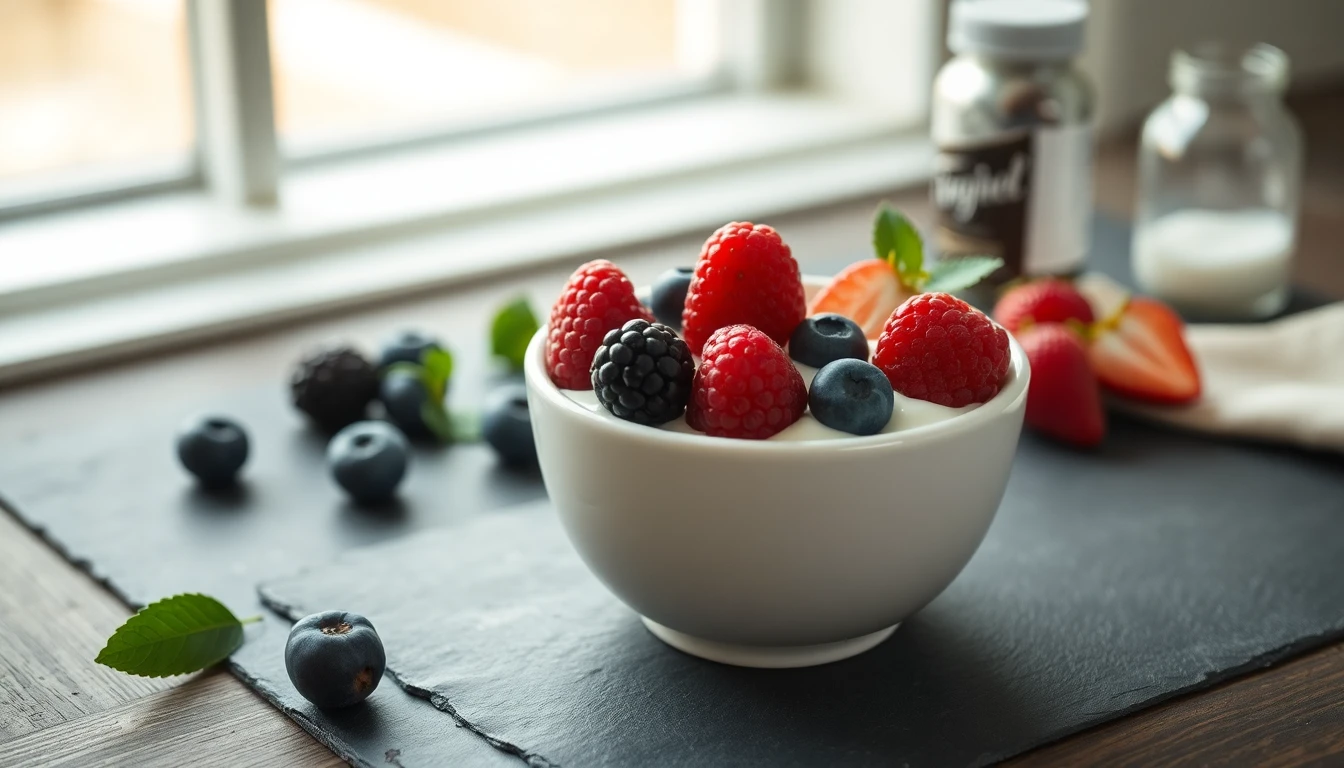
- Blackberries — Exceptionally high in anthocyanins; 80g portion provides approximately 250mg polyphenols
- Blueberries — Similar levels to blackberries; fresh or frozen both work well
- Strawberries — 80g portion provides around 150mg; British strawberries in season are particularly flavourful
- Apples — Particularly the peel; one medium apple with skin provides 110-130mg, primarily quercetin and catechins
- Plums and cherries — Both rich in anthocyanins when in season
- Pomegranate — Very high in ellagitannins; 100ml juice provides approximately 250mg
Nuts, Seeds, and Cocoa
These foods pack polyphenols alongside healthy fats and other nutrients:
- Dark chocolate — Choose 70% cocoa or higher; 20g provides around 150-200mg polyphenols, primarily flavanols
- Chestnuts — Highest polyphenol content among nuts; 30g provides approximately 150mg
- Hazelnuts — 30g portion provides around 100mg
- Flaxseeds — Rich in lignans; one tablespoon (ground) provides significant amounts alongside omega-3s
Vegetables and Wholegrains
Don't overlook savoury sources:
- Red onions — Particularly rich in quercetin; one medium onion provides approximately 100mg
- Spinach and kale — Provide various flavonoids; 80g cooked portion offers around 80-100mg
- Artichokes — Exceptionally high when you can find them; one medium globe provides 260mg or more
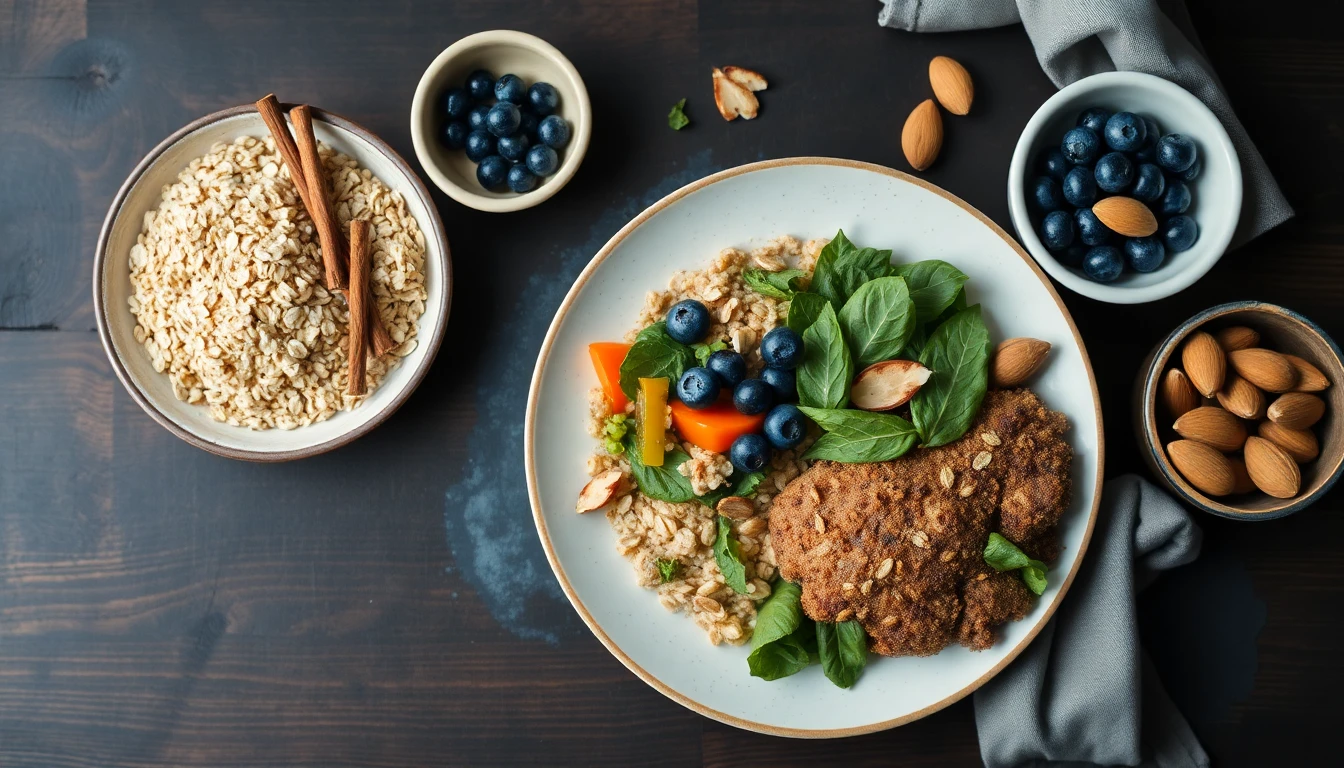
- Wholegrains — Particularly wholemeal flour, oats, and rye; one slice wholemeal bread provides approximately 50mg phenolic acids
- Olive oil — Extra virgin contains tyrosol and hydroxytyrosol; one tablespoon provides around 15-30mg
Herbs and Spices
Herbs and spices are polyphenol powerhouses by weight, though we eat them in small amounts:
- Cloves — Extraordinarily concentrated; even ¼ teaspoon in cooking adds significant polyphenols
- Peppermint — Fresh or dried in tea
- Oregano and thyme — Dried herbs retain polyphenols well; use liberally in cooking
- Turmeric — Contains curcumin; pair with black pepper to enhance absorption
How Much Should You Aim For?
There's no official UK recommended intake for polyphenols, but research suggests benefits begin around 500mg daily, with optimal intake potentially closer to 1,000mg or more. Most British adults consume around 1,000-1,200mg daily, though there's considerable variation.
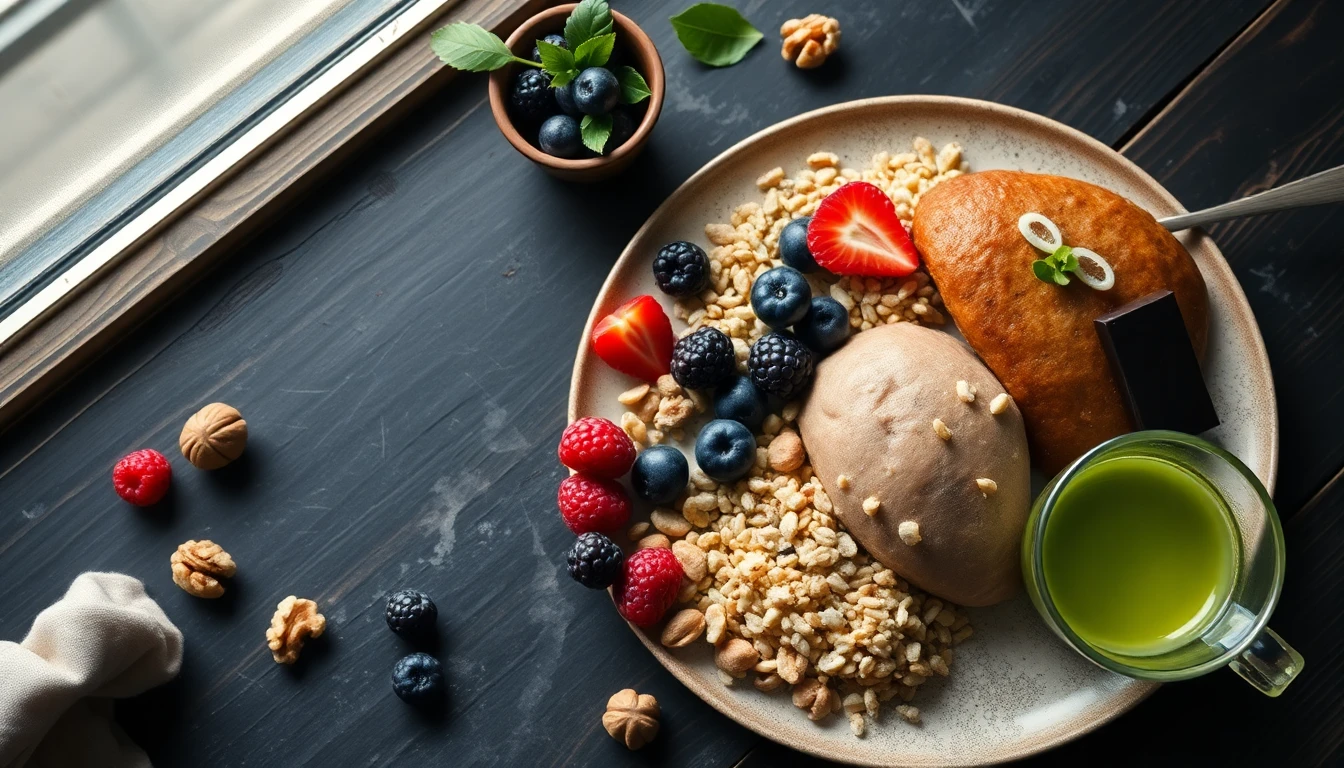
Rather than obsessing over numbers, focus on variety and colour. Aim to include polyphenol sources at most meals: berries with breakfast, an apple as a snack, tea or coffee, plenty of vegetables including onions and leafy greens, and herbs in cooking. A square or two of dark chocolate makes a satisfying finish to the day whilst contributing meaningful polyphenols.
Practical daily pattern that easily reaches 1,000mg: morning tea or coffee (200-400mg), handful of berries with breakfast (150-250mg), apple mid-morning (110mg), large mixed salad with red onion and extra virgin olive oil dressing at lunch (100mg), afternoon tea (200mg), and a vegetable-rich dinner with herbs and spices (200mg+). This pattern provides variety across polyphenol types whilst remaining entirely realistic.
Tips for Maximising Polyphenol Intake and Absorption
- Eat the peel — Apple and potato skins concentrate polyphenols; wash thoroughly and eat when safe to do so
- Don't overcook — Steaming and quick stir-frying preserve polyphenols better than prolonged boiling
- Pair with fat — Some polyphenols are fat-soluble; a drizzle of olive oil on vegetables aids absorption
- Combine with vitamin C — May enhance polyphenol stability and absorption; berries naturally provide both
- Include prebiotic fibre — Supports the gut bacteria that metabolise polyphenols; wholegrains, onions, and garlic provide both
- Fresh or frozen — Frozen berries retain polyphenols well and are often more affordable than fresh out of season
- Brew tea properly — Allow 3-5 minutes steeping time and don't add milk immediately if maximising polyphenol extraction is your goal, though the practical difference is modest
Considerations and Potential Interactions
For most people, polyphenol-rich foods are safe and beneficial as part of a varied diet. However, a few considerations apply, particularly for those taking certain medications or with specific health conditions.
Green tea catechins in very high amounts (typically from concentrated supplements rather than tea drinking) may affect iron absorption and have rarely been linked to liver issues. If you have iron-deficiency anaemia, consider drinking tea between meals rather than with iron-rich foods, though moderate consumption is generally fine.
Grapefruit, whilst polyphenol-rich, interacts with numerous medications by affecting liver enzymes that metabolise drugs. If you take regular medications, check whether grapefruit is contraindicated—your pharmacist can advise.
Very high doses of isolated polyphenols from supplements may have different effects than food sources. Whole foods provide polyphenols in a complex matrix alongside fibre, vitamins, and other compounds that likely contribute to safety and efficacy. Unless advised otherwise by a healthcare professional, prioritise food sources over supplements.
If you're taking anticoagulants like warfarin, maintain consistent intake of polyphenol-rich foods rather than suddenly increasing consumption, as some polyphenols may have mild antiplatelet effects. Consistency is key for stable medication management.
How FreshPlate Optimises Polyphenol Intake for You
Tracking polyphenol intake manually would be tedious—content varies by growing conditions, preparation methods, and portions. This is where FreshPlate's intelligent meal planning makes a real difference.
FreshPlate automatically prioritises polyphenol-rich ingredients when building your personalised recipes, factoring in your preferences, any dietary restrictions, and importantly, any medications you're taking. If you're on anticoagulants, for instance, the app maintains consistent polyphenol patterns rather than creating dramatic day-to-day variation. If you have conditions that benefit from anti-inflammatory eating, polyphenol diversity is weighted more heavily in your meal suggestions.
The app also recognises that polyphenol needs and tolerances vary. Someone managing cardiovascular risk factors might receive recipe suggestions emphasising berries, nuts, and oily fish, whilst someone focused on gut health might see more emphasis on diverse plant foods and resistant starches that work synergistically with polyphenols to support the microbiome.
Rather than requiring you to become a polyphenol expert, FreshPlate handles the complexity behind the scenes, ensuring your meals naturally deliver these beneficial compounds in appropriate amounts alongside complete nutrition. You simply enjoy colourful, flavourful food that works with your body and any medications you take—the science is sorted for you.
Frequently asked questions
What foods are highest in polyphenols?
+
The richest sources include berries (particularly blackberries and blueberries), dark chocolate with 70%+ cocoa, black and green tea, coffee, red wine, chestnuts, artichokes, and extra virgin olive oil. Herbs and spices like cloves, peppermint, and oregano are extremely concentrated but eaten in smaller amounts.
Can you get too many polyphenols?
+
From food sources, excessive intake is unlikely and generally safe for most people. Very high doses from concentrated supplements may occasionally cause digestive upset or interact with medications. Prioritising whole foods provides polyphenols in safe, beneficial amounts alongside other nutrients.
Do polyphenols survive cooking?
+
Many polyphenols are relatively heat-stable, though prolonged high-heat cooking can reduce content. Steaming, quick stir-frying, and roasting preserve polyphenols reasonably well. Some, like lycopene in tomatoes, actually become more bioavailable with cooking. Variety in preparation methods ensures you benefit from different compounds.
Are frozen berries as good as fresh for polyphenols?
+
Yes, frozen berries retain polyphenols very well since they're typically frozen shortly after harvest. In fact, out-of-season frozen berries may contain more polyphenols than fresh berries that have travelled long distances or been stored for extended periods. Frozen options are often more affordable and reduce food waste.
Should I take polyphenol supplements?
+
Generally, whole foods are preferable to isolated polyphenol supplements. Foods provide polyphenols alongside fibre, vitamins, and other compounds that work together for optimal benefit and safety. Supplements may have a place in specific circumstances under professional guidance, but they're not necessary for most people eating a varied diet.
Sources
Did this answer your question?
Reece reads every reply. Questions we have not covered become new guides.
Make polyphenols one less thing to worry about.
Get our free polyphenols guide by email — the best food sources, what helps and hinders absorption, and a week of meal ideas. One genuinely useful email a week — no spam, unsubscribe anytime.
Free forever. You'll also be first in line for the FreshPlate app — with a free trial at launch.