Gastric Sleeve Diet Stages: Post-Surgery Food Guide
Gastric sleeve diet stages explained: liquids, purée, soft and solid foods, with timings, portion sizes, daily protein targets and the supplements you will need.

By Reece Douglas · Founder, FreshPlate
Most gastric sleeve diet plans move through four stages over about 8 to 12 weeks: clear liquids, full liquids, puréed food, then soft foods, before returning to normal textures. Your surgical team's schedule overrides anything general, including this article.
This guide sets out typical timings, portion sizes, protein targets and supplements, so you know what to expect and what to ask your team.
What are the gastric sleeve diet stages?
There are four stages after a gastric sleeve, and most programmes run them over roughly 8 to 12 weeks. The stomach is reduced to a narrow tube and needs time to heal, so texture increases step by step to protect the staple line and avoid vomiting, leaks and blockages.
Timings differ between hospitals, so treat the windows below as typical. If your team's sheet says something different, follow your team.
- Stage 1: clear liquids — days 1 to 7 or so — gives the new stomach rest while keeping you hydrated.
- Stage 2: full liquids — about weeks 1 to 2 — adds protein through shakes and thin soups without any lumps.
- Stage 3: puréed foods — about weeks 3 to 4 — smooth, spoonable food that needs no chewing.
- Stage 4: soft foods — about weeks 5 to 8 — tender, moist foods that can be mashed with a fork.
- Stage 5: regular textures — from about week 8 to 12 — normal foods introduced one at a time, small portions, chewed thoroughly.
Stage 1 and 2: clear and full liquids
Stage 1 is sips, not gulps. The usual target is about 1.5 to 2 litres of fluid a day, taken in small amounts throughout the day, since the stomach holds very little at first.
Stage 2 adds protein. Unsweetened milk, protein shakes made to your team's specification, thin sugar-free soups and plain yoghurt thinned to a drinkable texture are typical. Fizzy drinks, alcohol and anything sugary are avoided.
- Water, sugar-free squash, weak tea — fine in stage 1 — hydration with no sugar load.
- Protein shakes — fine from stage 2 — the easiest way to reach protein targets while eating so little.
- Fizzy drinks — avoid — gas can stretch the pouch and cause pain.
- Fruit juice and sugary drinks — avoid — can trigger dumping symptoms and add empty calories.
Stage 3 and 4: purée and soft foods
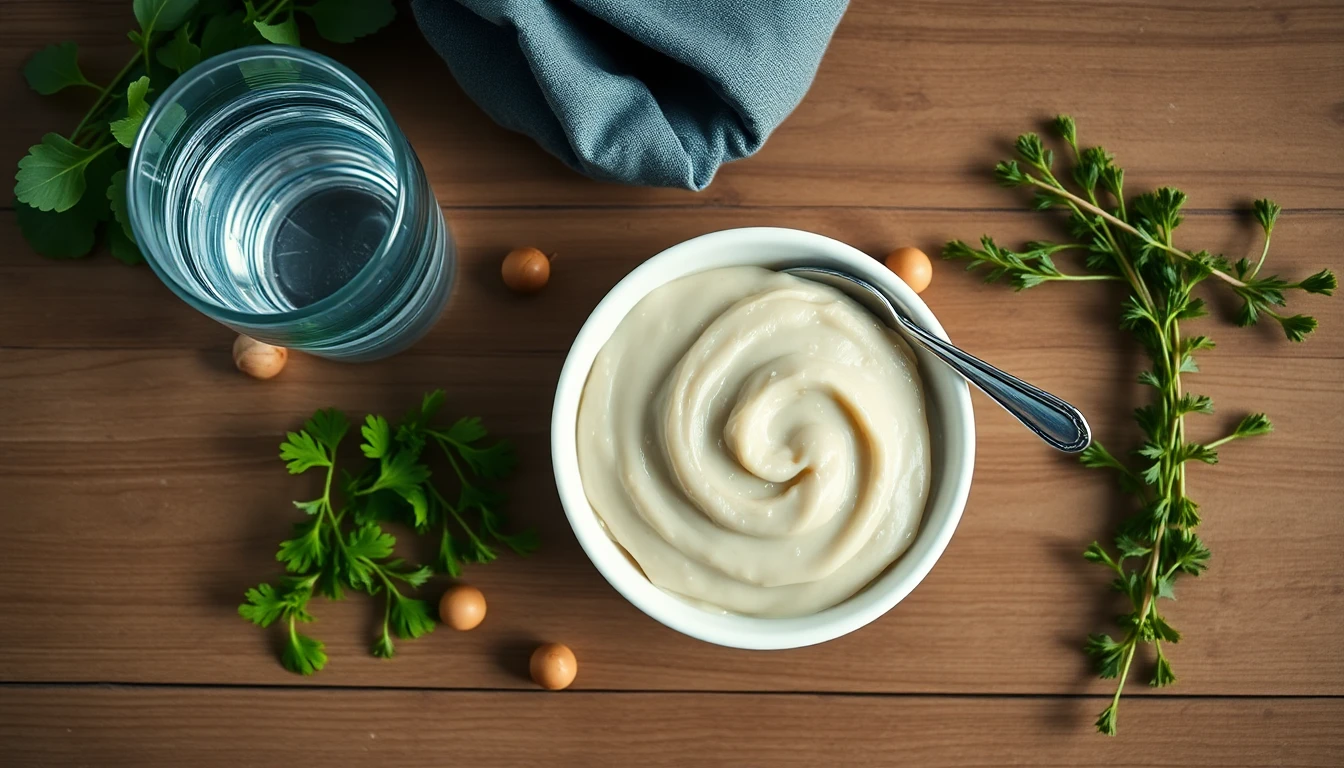
Purée means smooth, with no lumps: blended chicken or fish with stock, smooth cottage cheese, mashed beans, thick Greek-style yoghurt. A typical portion is 2 to 4 tablespoons per meal, 5 to 6 times a day.
Soft foods bring in flaked white fish, scrambled egg, minced meat in sauce, soft-cooked vegetables and ripe peeled fruit. Eat slowly, take at least 20 to 30 minutes per meal, and stop at the first sign of fullness.
How much protein do you need after a gastric sleeve?
Most post-sleeve guidance targets about 60 to 80g of protein a day, with your dietitian setting the exact figure based on your size and health. Protein protects muscle while you lose weight quickly and supports wound healing, so it comes first on the plate at every meal.
In the early weeks you will rarely manage this from food alone, so shakes and fortified drinks do much of the work. Eat the protein first, before vegetables or starch, because fullness arrives fast.
Fluids and food compete for the same tiny space. Stop drinking about 30 minutes before a meal and wait 30 minutes after it, so liquid does not push out food.
- Eggs — good — about 6g protein each, soft and easy at stage 4.
- Skinless chicken or turkey, minced or flaked — good — lean, but must be moist to avoid sticking.
- White fish — good — soft texture, easy to digest.
- Greek-style yoghurt and cottage cheese — good — 8 to 12g protein per 100g, usable from purée stage.
- Tofu and well-cooked lentils — good — useful for vegetarians, introduced once your team allows.
- Dry meat, steak, bread and rice — limit or avoid early — these swell or stick and commonly cause vomiting.
What supplements do you need after a gastric sleeve?
Yes, you need lifelong vitamin and mineral supplements after a gastric sleeve, because you eat far less and absorb some nutrients less well. Your team will prescribe or recommend specific doses and will check your bloods, typically at 3, 6 and 12 months and then yearly.
Gaps most often show up as low iron, B12, vitamin D, calcium and folate. Deficiencies can build quietly, so take supplements even when you feel well. If you follow a plant-based diet, our guide to B12 deficiency signs and vegan sources is worth reading alongside your team's advice.
Calcium and iron compete for absorption, so split them across the day. Chewable or liquid forms are usually recommended for the first weeks.
- Bariatric multivitamin and mineral — daily, lifelong — covers the broad gaps in a small diet.
- Vitamin B12 — daily or as an injection, lifelong — absorption falls without normal stomach function.
- Calcium with vitamin D — daily, often 1,200 to 1,500mg calcium in divided doses on bariatric protocols — protects bones during rapid weight loss.
- Iron — as advised, especially for menstruating women — deficiency anaemia is common after surgery.
- Folate — as part of your multivitamin or separately — important if pregnancy is possible.
What can you eat and what should you avoid long term?
Long term, eat small, protein-first meals of about half a cup of food: three meals and one or two planned snacks a day. Most people settle at roughly a fist-sized or smaller portion once eating normally.
Some foods stay troublesome. Quality matters more than variety because every mouthful has to count nutritionally.
Medication matters too. Some tablets are better crushed, liquid or chewable after surgery, and absorption can change. Ask your pharmacist before the operation, and check timing with food using guidance such as our piece on bioavailability and nutrient absorption.
Safe, limit or avoid
- Lean protein, eggs, fish, yoghurt — safe — protein-dense in small volume.
- Cooked vegetables and ripe soft fruit — safe in small amounts — fibre and micronutrients, introduced after protein.
- Raw salad, nuts, popcorn — limit — hard to chew and can cause blockage or discomfort early on.
- White bread, pasta, rice — limit — expand in the pouch and fill you without nutrition.
- Sweets, cakes, sugary drinks — avoid — high calorie density and risk of dumping symptoms.
- Alcohol — avoid, at least in the first year — absorbed faster and adds calories without nutrients.
- Carbonated drinks — avoid — gas causes pain and bloating.
Warning signs to phone your team about
Contact your surgical team the same day if you cannot keep any fluid down for 24 hours, or have persistent vomiting, severe abdominal or shoulder-tip pain, a fever, a racing heartbeat, or signs of dehydration such as very dark urine and dizziness. Do not wait for your next appointment.
How does FreshPlate help with gastric sleeve eating?
FreshPlate builds recipes around your surgical stage, protein target, supplements and any medications you take, so each meal fits your current texture and portion size. As your team moves you from purée to soft foods, you update your stage and the suggestions change with you.
FreshPlate's free food–medication interaction checker shows whether a food or drink affects how your tablets are absorbed or how well they work.
Use it alongside your team's plan, not instead of it. Your dietitian and surgeon know your operation, your bloods and your progress, and they have the final say.
Frequently asked questions
How long does the gastric sleeve diet last?
+
The staged progression from liquids to normal textures usually takes 8 to 12 weeks, though some teams run it a little longer. After that you eat small, protein-first meals for life.
When can I eat solid food after gastric sleeve surgery?
+
Most people start soft foods around weeks 5 to 8 and reach regular textures at about 8 to 12 weeks. Introduce new foods one at a time and stop if they cause pain or vomiting.
How much water should I drink after a gastric sleeve?
+
Aim for about 1.5 to 2 litres a day in small, frequent sips. Stop drinking about 30 minutes before meals and wait 30 minutes afterwards.
Why is protein so important after a gastric sleeve?
+
Protein protects muscle and supports healing while you lose weight quickly. Most programmes set a target of around 60 to 80g a day, confirmed by your dietitian.
Do I have to take vitamins forever after a gastric sleeve?
+
Yes. Reduced intake and changes in absorption mean lifelong supplements, usually a multivitamin, B12, calcium with vitamin D and often iron, checked with regular blood tests.
Sources
Did this answer your question?
Reece reads every reply. Questions we have not covered become new guides.
The right foods make living with gastric sleeve easier.
Get our free gastric sleeve food guide by email — what to eat more of, what to limit, and simple meals that support you day to day. One genuinely useful email a week — no spam, unsubscribe anytime.
Free forever. You'll also be first in line for the FreshPlate app — with a free trial at launch.