Ankylosing Spondylitis Diet: Anti-Inflammatory Foods
No diet cures ankylosing spondylitis, but a Mediterranean-style pattern may ease symptoms and protect your heart and bones. Foods to eat, limit and plan around.

By Reece Douglas · Founder, FreshPlate
No diet has been shown to stop ankylosing spondylitis (AS) progressing, and none should replace your biologic, NSAID or physiotherapy. Food can support what AS puts at risk: your heart, bones, weight and gut.
This post sets out what the evidence supports and what it does not, which foods to build around, and how to plan meals around common AS medicines.
Does diet help ankylosing spondylitis?
Diet can help with symptoms and overall health in ankylosing spondylitis, but it cannot replace medication, and the evidence for any specific diet is limited. The main treatments remain NSAIDs, exercise and, where needed, biologic drugs.
People with AS have a higher risk of cardiovascular disease and osteoporosis, and many also have gut inflammation. Research on eating patterns in AS is mostly small, observational or short-term, so treat anyone promising a cure with suspicion.
Weight matters too. Extra body fat is linked with higher disease activity in axial spondyloarthritis, and carrying less load through the spine and hips helps when you are stiff. A diet you can sustain beats a strict one you abandon after three weeks.
What the research does and does not show
Mediterranean-style eating has the most consistent backing across inflammatory arthritis, mainly through lower inflammatory markers and better heart health. Low-starch diets, which cut bread, pasta, potatoes and rice, are popular in AS communities because of a theory about gut bacteria, but controlled trials have not shown that they reduce disease activity.
- Mediterranean-style diet — reasonable evidence — lowers cardiovascular risk and may modestly lower inflammatory markers.
- Low-starch diet — weak evidence — the gut-bacteria theory is unproven in trials; do not cut carbohydrates at the expense of fibre.
- Exclusion diets (gluten-free, dairy-free) — not supported unless you have coeliac disease or an intolerance — they add cost and can lower calcium and fibre intake.
- Fasting or very low-calorie plans — not recommended — they risk muscle and bone loss and can worsen fatigue.
Which foods should you eat with ankylosing spondylitis?
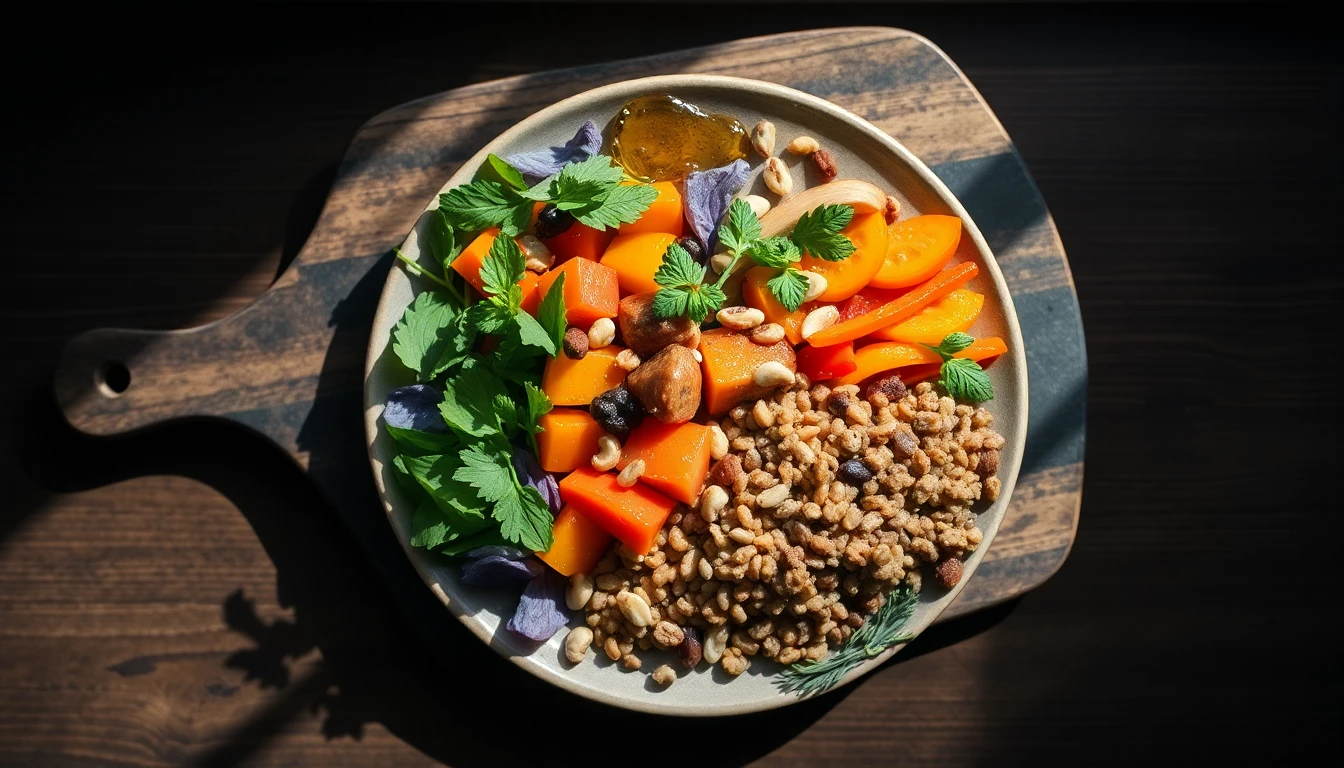
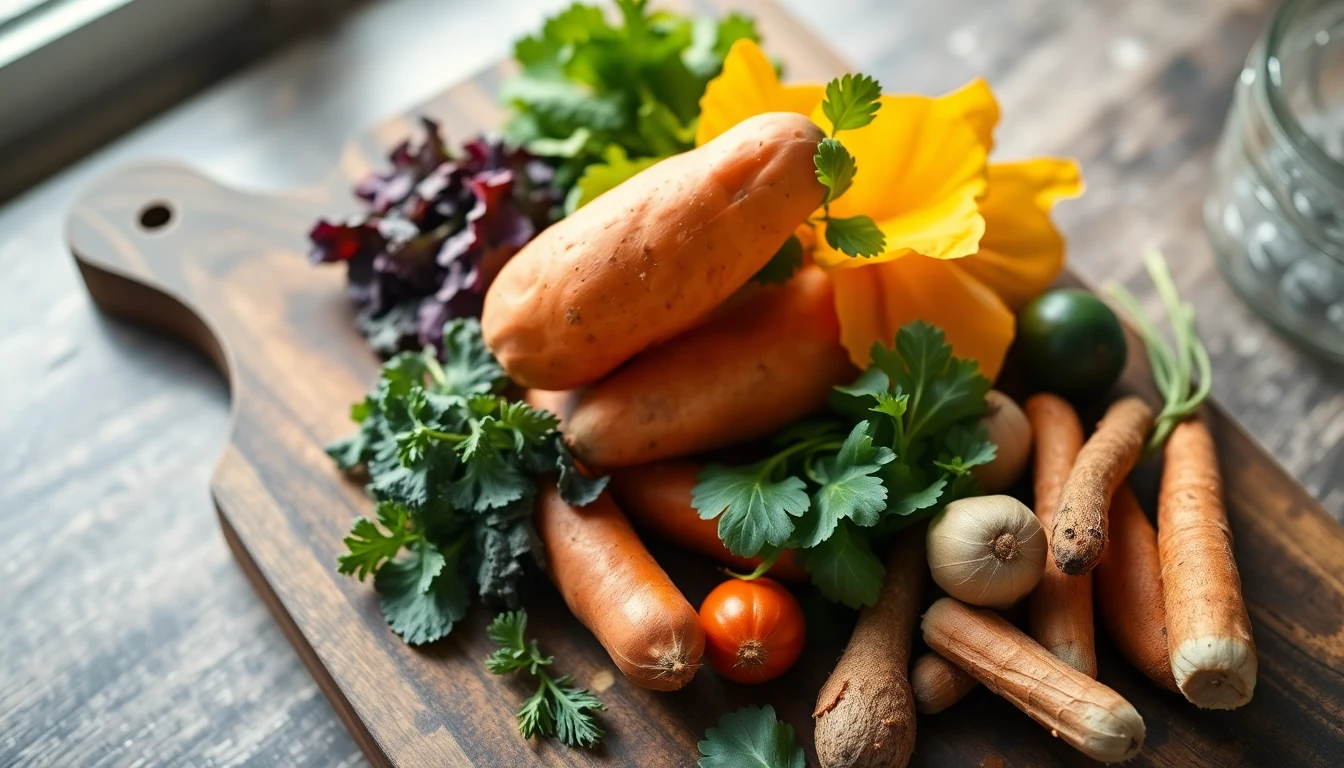
Build meals around oily fish, vegetables, fruit, pulses, wholegrains, nuts and olive oil, which together form a Mediterranean-style pattern. It is also the pattern recommended for heart health, directly relevant when AS raises your cardiovascular risk. Our anti-inflammatory foods list covers more options if you want variety.
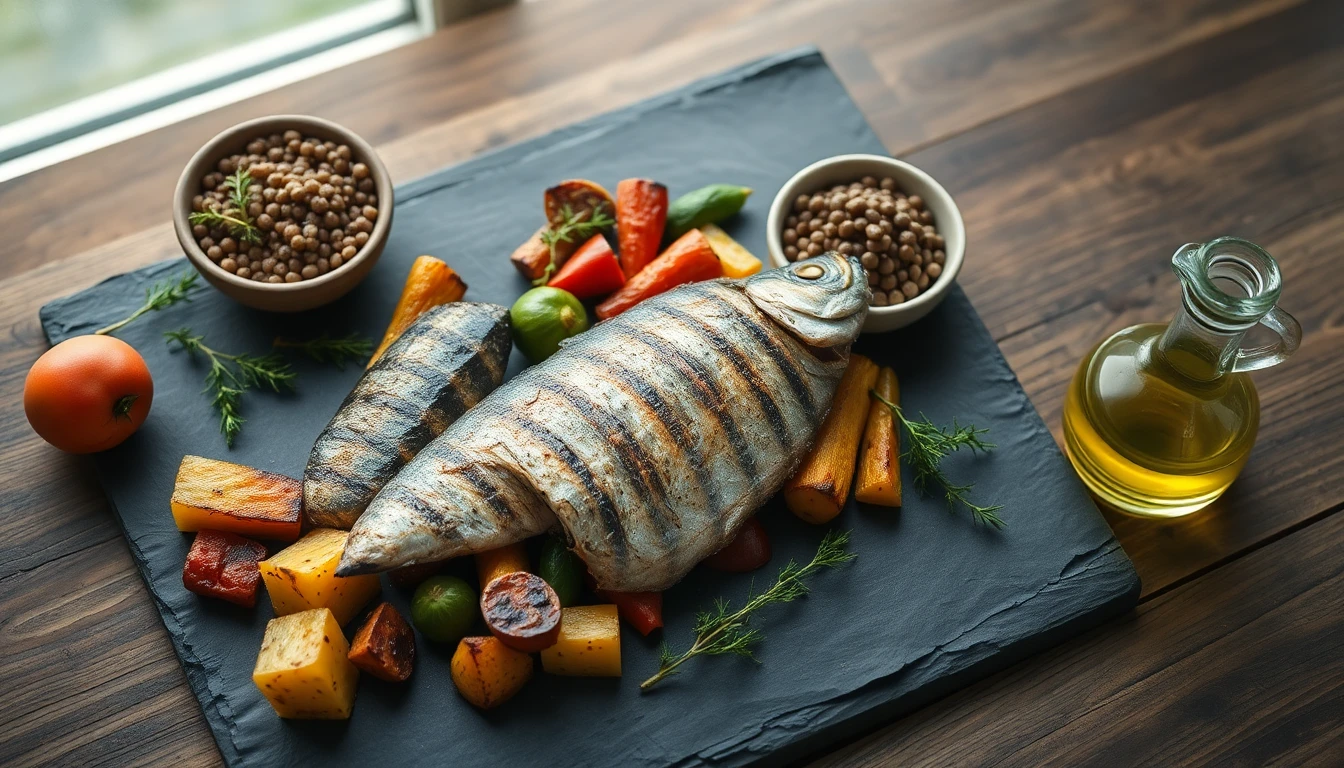
Aim for oily fish twice a week, with one portion being about 140g cooked. Oily fish gives you omega-3 fats (EPA and DHA). Eat at least five portions of fruit and vegetables a day, where a portion is roughly 80g, or a cereal bowl of salad.
- Oily fish (salmon, mackerel, sardines, herring) — eat — omega-3 fats are linked with lower inflammatory activity and better heart health.
- Colourful vegetables and fruit — eat — fibre, vitamin C and polyphenols; aim for five or more portions of 80g a day.
- Pulses and lentils — eat — fibre and plant protein; a 80g portion counts towards your five a day.
- Olive oil — eat — the main fat in Mediterranean diets; use in place of butter for cooking and dressings.
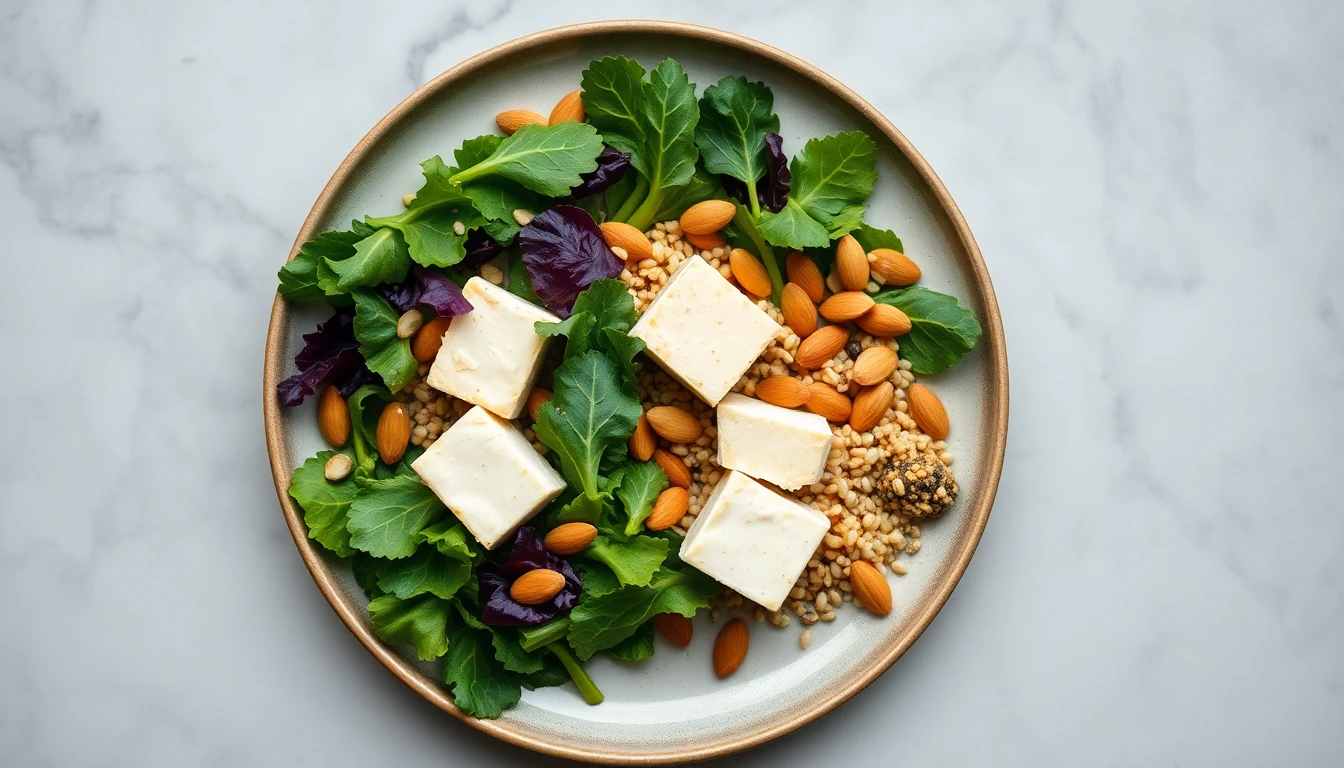
- Nuts and seeds — eat — a small handful (about 30g) gives unsaturated fats and magnesium.
- Wholegrains (oats, brown rice, wholemeal bread) — eat — fibre feeds gut bacteria; no good reason to avoid them unless you are coeliac.
- Turmeric and ginger — optional — pleasant in cooking, but the evidence for a symptom benefit in AS is not established.
Bone-protective foods
AS can weaken bone even early in the disease, so calcium and vitamin D matter. Adults need 700mg of calcium a day, and NHS advice is that everyone in the UK should consider 10 micrograms (400 IU) of vitamin D daily through autumn and winter. If you avoid dairy, see our guide to calcium without dairy.
- Dairy or fortified alternatives — eat — about 200ml milk or a 150g pot of yoghurt gives roughly 240mg of calcium.
- Tinned sardines with bones — eat — calcium plus vitamin D plus omega-3 in one food.
- Fortified plant milks — choose calcium-fortified versions — unfortified ones contain little calcium.
- Vitamin D supplement — consider 10 micrograms daily from October to March — food alone rarely provides enough.
Which foods should you limit with ankylosing spondylitis?
Limit ultra-processed foods, sugary drinks, processed meat and excess alcohol, because they raise cardiovascular risk and weight and offer little else. None needs banning outright, and no food has been proven to trigger AS flares in everyone.
If particular foods seem to worsen your symptoms, keep a two-week food and symptom diary to see whether a pattern exists. Remove one suspect food at a time, and keep the rest of your diet balanced rather than cutting whole food groups.
- Sugary drinks and sweets — limit — add calories without nutrients and make weight management harder.
- Processed meats (bacon, sausages, salami) — limit — linked with higher cardiovascular and bowel cancer risk; NHS advice is to keep intake to 70g a day or less.
- Ultra-processed ready meals and snacks — limit — often high in salt, saturated fat and refined starch.
- Alcohol — limit — keep within 14 units a week, spread over at least three days; it also interacts with NSAIDs and methotrexate.
- Gluten — avoid only if you have coeliac disease or confirmed sensitivity — otherwise no evidence of benefit.
- Smoking — avoid — not a food, but the single most damaging lifestyle factor for AS progression.
Can you eat normally while taking AS medication?
Yes, most people can eat normally on AS medication, but a few combinations are worth planning around. NSAIDs such as naproxen, ibuprofen and etoricoxib can irritate the stomach, and methotrexate and sulfasalazine, which some people with AS take, have their own food and alcohol considerations. Biologics such as adalimumab and secukinumab have no specific food restrictions.
FreshPlate's free food–medication interaction checker lets you look up any food against your medicines in seconds. Confirm anything unusual with your pharmacist or rheumatology team.
- NSAIDs with food — take with or just after a meal — reduces stomach irritation; a glass of milk or a snack is enough.
- NSAIDs with alcohol — limit — raises the risk of stomach bleeding and ulcers.
- Methotrexate with alcohol — keep to a minimum — both stress the liver; follow your prescriber's limit.
- Methotrexate and folic acid — take folic acid on the day your doctor specifies, usually not the same day as methotrexate.
- Sulfasalazine with food — take after meals — reduces nausea; drink plenty of fluid.
- Biologics (adalimumab, etanercept, secukinumab) — no food restrictions — injection timing is not tied to meals.
- Long-term NSAID or steroid use — discuss calcium and vitamin D — both can affect bone and stomach protection.
Gut health and inflammatory bowel disease
Some people with AS also have inflammatory bowel disease or subclinical gut inflammation. If you have Crohn's disease or ulcerative colitis, your gut team may advise a different approach during flares, such as lower fibre. Follow that advice over general anti-inflammatory guidance. If you are considering stricter elimination approaches, read our autoimmune AIP diet guide first, and speak to a dietitian before starting.
What does a week of ankylosing spondylitis meals look like?
A workable week uses oily fish twice, pulses at least twice, and vegetables at every main meal, with simple swaps rather than a rigid plan. Fatigue is common in AS, so batch cooking on a good day pays off on a bad one. Our guide to batch cooking freezer meals has practical methods.
Here is a sample day built around the Mediterranean pattern, with approximate portions.
- Breakfast — porridge made with 40g oats and fortified milk, topped with berries and 15g walnuts.
- Lunch — lentil and vegetable soup (about 150g cooked lentils) with a slice of wholemeal bread.
- Dinner — baked salmon (about 140g) with roasted peppers, courgette and new potatoes, dressed with olive oil.
- Snacks — plain yoghurt with fruit, or a small handful of almonds (about 30g).
- Drinks — water, tea or coffee; keep alcohol within 14 units a week.
Practical tips for stiff and tired days
Use frozen vegetables, tinned pulses and tinned fish to cut preparation. Sit to chop if standing is painful. Cook double portions and freeze half. These steps matter more than any single superfood.
How FreshPlate builds an ankylosing spondylitis meal plan
FreshPlate builds recipes around your medicines and conditions, so an AS plan automatically accounts for your NSAID timing, any methotrexate alcohol limit, and your calcium and vitamin D targets. You tell the app what you take and what you cannot eat, and it filters every recipe accordingly.
Meal plans lean Mediterranean by default, with oily fish twice weekly, pulses and plenty of vegetables, and they flag anything that clashes with your prescriptions. That removes the guesswork and constant label-checking, which helps when fatigue is already taking its toll.
Frequently asked questions
What is the best diet for ankylosing spondylitis?
+
A Mediterranean-style diet is the best-supported choice, built on oily fish, vegetables, pulses, wholegrains and olive oil. It benefits heart and bone health, which AS puts at risk, but it does not replace medication.
Should I avoid gluten or dairy with ankylosing spondylitis?
+
No, not unless you have coeliac disease or a confirmed intolerance. There is no good evidence that cutting gluten or dairy improves AS, and dropping dairy can lower your calcium intake.
Does a low-starch diet work for ankylosing spondylitis?
+
Not proven. The idea is popular online, but controlled trials have not shown that it reduces disease activity. Cutting wholegrains and potatoes can also reduce your fibre intake.
Can food trigger an ankylosing spondylitis flare?
+
Some people report personal triggers, but no food has been shown to cause flares in everyone. A two-week food and symptom diary can help you spot a genuine pattern.
Can I drink alcohol with ankylosing spondylitis medication?
+
Keep within 14 units a week, and drink less or none with methotrexate or regular NSAIDs. Alcohol raises the risk of stomach bleeding with NSAIDs and adds strain on the liver with methotrexate.
Sources
Did this answer your question?
Reece reads every reply. Questions we have not covered become new guides.
The right foods make living with ankylosing spondylitis easier.
Get our free ankylosing spondylitis food guide by email — what to eat more of, what to limit, and simple meals that support you day to day. One genuinely useful email a week — no spam, unsubscribe anytime.
Free forever. You'll also be first in line for the FreshPlate app — with a free trial at launch.