Manganese Rich Foods: Benefits & Deficiency Signs UK
Which manganese rich foods to eat, how much you need (about 2.3 mg a day), what deficiency looks like and why it matters for bones. A plain UK guide.

By Reece Douglas · Founder, FreshPlate
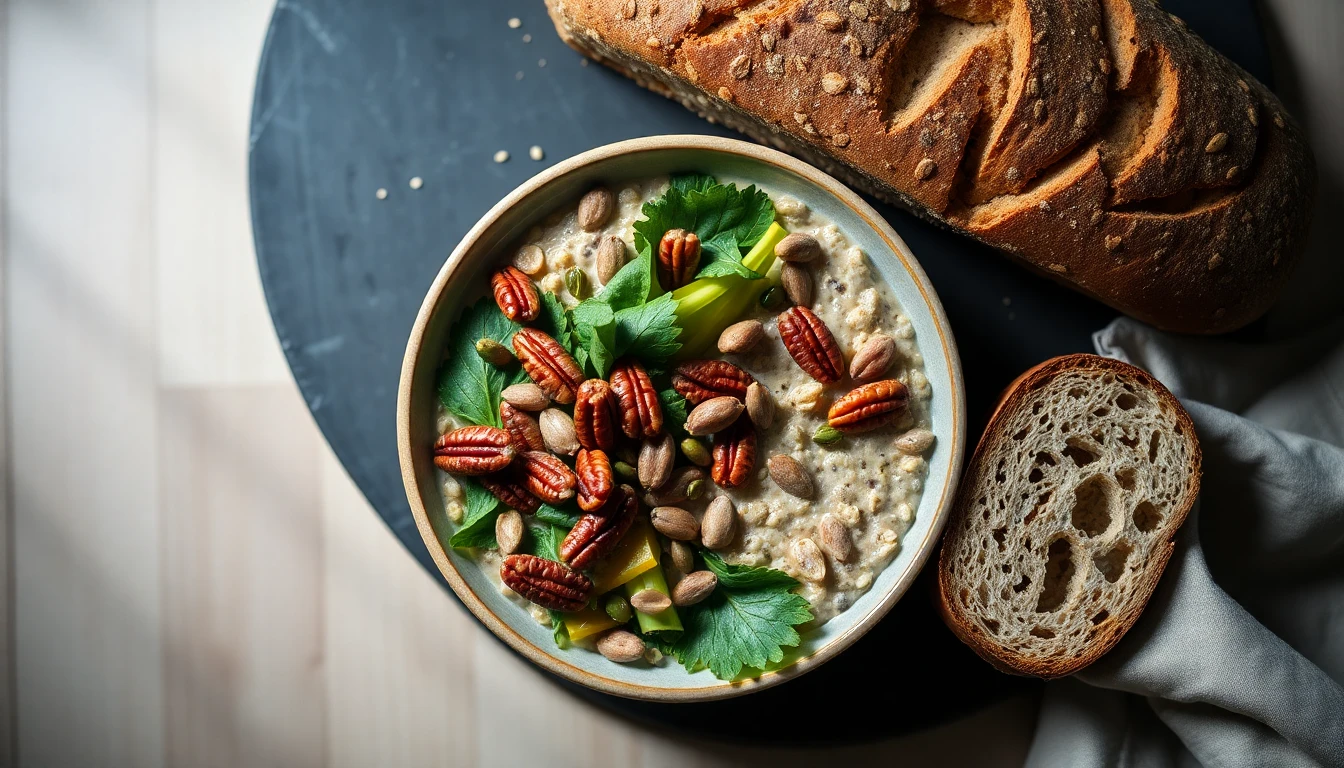
Manganese is a trace mineral your body needs in tiny amounts, and most people eating wholegrain bread, oats, nuts and pulses get enough without trying. It helps build bone, supports enzymes involved in antioxidant defence and carbohydrate metabolism, and takes part in wound healing.
Deficiency is rare, but low intake is more likely if your diet is built around refined grains. Too much, usually from supplements, is the bigger concern. Below: the best food sources, how much you need and what to watch for.
What are the best manganese rich foods?
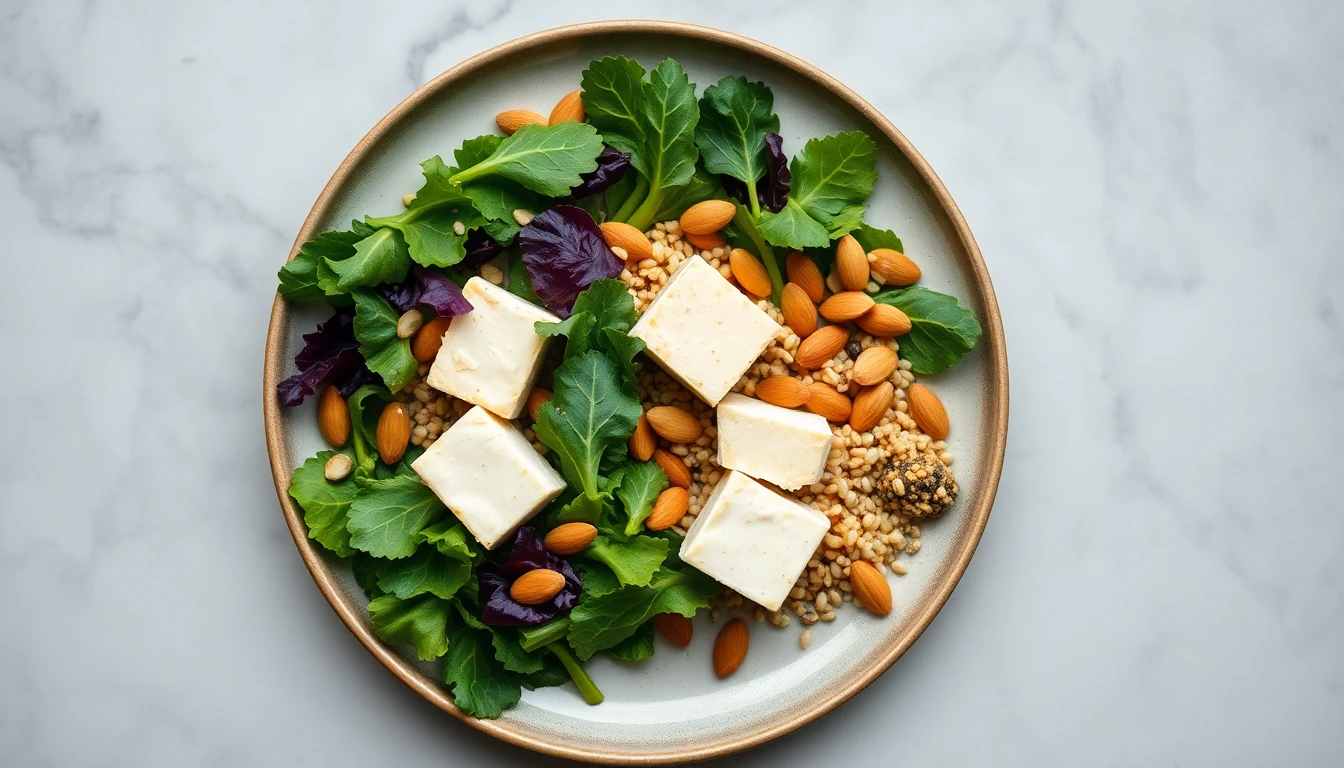
Wholegrains, nuts, seeds, pulses and tea are the best everyday sources of manganese. Plant foods dominate because manganese is taken up from soil, while meat, fish and dairy contain very little. Refining grains strips most of it out, so wholemeal bread and brown rice beat their white versions by a wide margin.
The figures below are approximate, from US food composition data, and vary with soil and variety. Use them to rank foods rather than as exact values.
- Mussels (85 g cooked) — roughly 5.8 mg — one of the richest sources, and the only animal food that comes close to plant sources
- Hazelnuts (28 g) — about 1.6 mg — a small handful covers most of a day's adequate intake for many adults
- Pecans (28 g) — about 1.1 mg — good in porridge or yoghurt
- Brown rice (cooked, 100 g) — about 1.1 mg — white rice gives under half this
- Oats (cooked, 100 g) — around 0.6 mg or more — an easy breakfast contribution
- Wholemeal bread (1 slice) — about 0.7 mg — white bread is much lower
- Chickpeas (cooked, 100 g) — about 1 mg — also a useful fibre and protein source
- Spinach (cooked, 100 g) — roughly 0.9 mg — a leafy green with a real contribution
- Black tea (1 cup) — around 0.5 mg — a major source for UK tea drinkers
Does cooking or refining change manganese content?
Refining matters far more than cooking. Milling wheat into white flour removes the bran and germ, where most of the manganese sits. Boiling vegetables can leach some minerals into the water, so steaming or using the cooking liquid in soups keeps more of it.
How much manganese do you need each day?
Adults need about 2.3 mg of manganese a day for men and 1.8 mg for women, based on the US adequate intake figures. These are not strict requirements, because there is not enough evidence to set a recommended dietary allowance. UK guidance gives a safe intake of 1 mg or more a day for adults rather than a precise target, and a typical UK diet comfortably exceeds that.
The upper limit for adults is 11 mg a day from food, drink and supplements combined. Food alone almost never reaches it. Supplements can, which is why the limit matters.
A day that might reach roughly 2 to 3 mg: porridge made with 40 g oats, a slice of wholemeal toast, a small handful of hazelnuts, a cup of tea, and chickpeas in a salad or curry.
- Adult men — 2.3 mg a day — US adequate intake
- Adult women — 1.8 mg a day — US adequate intake
- Pregnancy — 2.0 mg a day — US adequate intake
- Breastfeeding — 2.6 mg a day — US adequate intake
- Upper limit, adults — 11 mg a day — from all sources including supplements
What are the signs of manganese deficiency?
Manganese deficiency is very rare in people eating a normal mixed diet, and no single reliable symptom points to it. In the few cases described in research, signs included poor bone growth or skeletal abnormalities, slowed growth in children, reduced fertility, impaired glucose tolerance and changes in lipid metabolism.
Because those features overlap with many other conditions, do not self-diagnose from a symptom list. Blood tests for manganese are not a reliable guide to status, so clinicians rarely use them. If you have persistent fatigue, bone pain or unexplained weight or blood sugar changes, see your GP and let them look for the common causes first.
Groups with a higher chance of low intake include people on long-term parenteral nutrition without trace element replacement, people with very restricted diets built mostly on refined foods, and some people with malabsorption. Your GP or a registered dietitian can assess this properly.
Can you get too much manganese?
Yes, and the risk is higher than the risk of deficiency. Long-term exposure to high levels, mostly from occupational inhalation such as welding fumes, or from very high supplement doses or contaminated well water, can affect the nervous system and cause tremor and movement problems. Food sources alone are not a realistic route to this.
If you take a multivitamin and a separate bone or joint supplement, add up the manganese on both labels. Many bone-health products include several milligrams, which can approach the 11 mg ceiling quickly.
Does manganese help bone health?
Manganese contributes to normal bone formation, but it is one of several nutrients involved and eating more than you need will not strengthen bone. Calcium, vitamin D, protein and weight-bearing exercise matter far more. Manganese is a cofactor for enzymes that help build cartilage and the bone matrix, the framework that minerals are laid down on.
Some small studies have combined manganese with calcium, zinc and copper in bone density trials, but the evidence for manganese alone preventing fractures is weak. Meet your needs through food and spend your effort on the nutrients with the strongest evidence.
If you take a bisphosphonate such as alendronic acid, food and drink timing matters more than any single mineral. Our guide to alendronic acid and food timing explains the fasting window, and our piece on calcium without dairy covers the mineral with the strongest bone evidence.
- Calcium — strongest evidence for bone — dairy, fortified plant drinks, tinned fish with bones
- Vitamin D — needed to absorb calcium — sunlight in summer, supplement in autumn and winter
- Protein — supports bone and muscle — eggs, fish, pulses, dairy
- Manganese — supporting role — wholegrains, nuts, pulses, tea
Manganese, protein, tyramine and other foods people ask about
Several food questions come up alongside manganese, because the same wholefoods appear in all of them. For protein, pulses and nuts are a shared answer: chickpeas, lentils, tofu and nuts give both protein and manganese, while eggs, fish, chicken and dairy give protein with almost no manganese.
Tyramine is a separate matter, relevant if you take an MAOI antidepressant. Aged cheese, cured meats, soy sauce and fermented foods are the usual high-tyramine foods, and most manganese-rich foods such as oats, brown rice and fresh nuts are not on that list. Check your own medication guidance and our antihistamine and antityramine diet guide if this applies to you.
Ferritin is your body's iron store rather than a nutrient in food, so the useful question is which foods help raise it. Red meat, liver, pulses, dark green leafy vegetables and fortified cereals contribute iron. Spinach and pulses also supply manganese, though tea drunk with meals can reduce iron absorption, so leave an hour or so between them if your iron is low.
Folate-rich foods such as leafy greens, pulses and fortified cereals support normal intake, but they are not a treatment for methotrexate toxicity. Toxicity is a medical problem handled with prescribed folic acid or folinic acid and monitoring, so follow your specialist's instructions rather than adjusting your diet to manage it.
FreshPlate has a free food-medication interaction checker that lets you test any food against your prescriptions before you cook.
- Lentils and chickpeas — good for both — protein and manganese in one food
- Eggs, chicken, fish — protein only — very little manganese
- Aged cheese, cured meat — limit on an MAOI — high tyramine, unrelated to manganese
- Spinach with iron-rich meals — fine — manganese and iron together
- Tea with iron-rich meals — separate by about an hour — tannins reduce iron absorption
How FreshPlate handles manganese and your medication
Most people do not need to count manganese. They need a varied diet with wholegrains, pulses and nuts, plus awareness of anything that interacts with their medication. FreshPlate builds recipes around your prescriptions, conditions and dietary requirements, so wholegrain and pulse-based meals appear in your plan while foods that clash with your medicines are flagged or left out.
If you use a bisphosphonate, an MAOI, methotrexate or an iron supplement, the app applies the timing and food rules for you. Set up your profile once and the weekly plan and shopping list follow it.
Frequently asked questions
What are protein rich foods?
+
Meat, fish, eggs, dairy, pulses, tofu, nuts and seeds are the main protein rich foods. Per 100 g cooked, chicken breast gives roughly 30 g, tinned tuna about 25 g, lentils about 9 g and eggs about 13 g. Pulses and nuts also supply manganese, which animal proteins largely do not.
What is tyramine rich food?
+
Tyramine rich foods are aged, fermented or cured foods such as mature cheese, salami, pickled herring, soy sauce, sauerkraut and yeast extracts. They matter mainly if you take an MAOI antidepressant, where high intake can raise blood pressure sharply. Fresh meat, fresh fish, oats, rice and most fresh nuts are low in tyramine.
What is a protein rich foods list for vegetarians?
+
Lentils, chickpeas, kidney beans, tofu, tempeh, eggs, Greek yoghurt, cottage cheese, nuts and seeds make a good vegetarian protein list. Cooked lentils give about 9 g per 100 g and firm tofu about 12 g. Many also contribute manganese, so they cover two needs at once.
Which foods are highest in manganese?
+
Mussels, hazelnuts, pecans, brown rice, oats, wholemeal bread, chickpeas, spinach and black tea are among the richest sources. A small handful of hazelnuts gives about 1.6 mg, most of a woman's 1.8 mg adequate intake.
Can you take too much manganese from supplements?
+
Yes. The adult upper limit is 11 mg a day from all sources, and some bone or joint supplements contain several milligrams on their own. Check the label on every supplement you take and ask a pharmacist before combining them.
Sources
Did this answer your question?
Reece reads every reply. Questions we have not covered become new guides.
Make manganese one less thing to worry about.
Get our free manganese guide by email — the best food sources, what helps and hinders absorption, and a week of meal ideas. One genuinely useful email a week — no spam, unsubscribe anytime.
Free forever. You'll also be first in line for the FreshPlate app — with a free trial at launch.