Antihistamine and Antityramine Diet: Combined Guide
Need a low-histamine and low-tyramine diet together? See which foods overlap, what is safe, what to avoid, and how to plan meals around both restrictions.

By Reece Douglas · Founder, FreshPlate
Listen to this article
Antihistamine and Antityramine Diet: Combined Guide
The same foods cause trouble on both diets: aged cheese, cured meat, fermented products, wine and beer, and anything past its best. Histamine and tyramine are amines that build up as protein ages or ferments, so one set of kitchen habits covers most of both lists.
This guide shows where the two diets overlap and differ, which foods are safe, and how to plan a week of meals. If you take an MAOI, the tyramine rules are medical, not optional, so confirm your plan with your prescriber or pharmacist.
I'm building FreshPlate so that guidance like this isn't something you have to hold in your head. Medicines are added by name, and the app reads each one by its active ingredient. Tyramine-rich foods with MAOIs is one of a few hard blocks, so those foods are kept out of your recipes. Each recipe has a For you tab showing what was checked and why it suits you. There's also a free interaction checker on the website: type in a medicine and see the foods to watch. I built it that way because guesswork is what people already have too much of. I hope you found this useful!
Can you follow a low-histamine and low-tyramine diet together?
Yes, because the foods that raise histamine and tyramine are largely the same: protein-rich foods that have been aged, fermented, cured or stored too long. One combined plan is usually easier than two separate lists.
The two diets do not carry equal weight. A low-tyramine diet is a safety measure for people taking monoamine oxidase inhibitors (MAOIs), because a large tyramine load can trigger a sudden, dangerous rise in blood pressure. A low-histamine diet is a symptom-management approach for suspected histamine intolerance, and the evidence behind it is weaker. If the two conflict, tyramine safety comes first.
Both amines are broken down by enzymes in the gut and liver, and MAOIs block some of that enzyme activity. That is why people on these medicines avoid tyramine-rich foods, and why the same foods can worsen histamine symptoms. To check a specific medicine against a specific food, FreshPlate has a free food–medication interaction checker.
Why the two diets overlap so heavily
Histamine and tyramine are both produced when bacteria break down amino acids in protein. The longer a protein food is aged, fermented or stored, the more of each amine it holds. Ageing, curing, smoking, fermenting and leaving food in the fridge for days all push levels up.
Fresh, recently cooked protein is low in both. That one rule does most of the work.
Where they differ
Tomatoes, spinach, aubergine, avocado, citrus and strawberries are often listed as histamine-liberating or histamine-containing, but are not typically restricted on a tyramine diet. Broad beans (fava beans), yeast extracts and soy sauce appear on tyramine lists, though fermented soy and yeast extracts also feature on histamine lists. If you are on an MAOI, follow the tyramine list from your prescriber exactly, and treat the histamine-only foods as a symptom-led choice.
Which foods are unsafe on both diets?
Avoid aged cheese, cured and fermented meats, fermented soya products, yeast extracts, tap and craft beer, wine and any protein food stored for days. Ageing and fermentation concentrate both amines in these foods.
Use this list as a starting point, and follow your prescriber's own list if you take an MAOI, as exact guidance varies between medicines and clinics.
- Mature Cheddar, parmesan, blue cheese, Stilton — avoid — ageing concentrates both histamine and tyramine; hard aged cheeses are among the highest sources
- Salami, chorizo, pepperoni, cured ham — avoid — curing and fermentation raise amine levels
- Soy sauce, miso, tempeh, fermented bean paste — avoid — fermented soya is high in tyramine and commonly high in histamine
- Marmite, Bovril, other yeast extracts — avoid — very high tyramine; also a common histamine trigger
- Sauerkraut, kimchi, kombucha — avoid — fermented vegetables and drinks accumulate amines
- Tap beer, craft beer, red wine — avoid — fermentation products, and alcohol also blocks histamine breakdown
- Smoked or pickled fish, tinned fish, fish sauce — avoid — histamine rises quickly in fish and persists after canning
- Leftover meat or fish kept more than 24 hours — avoid — amines build as cooked protein stands in the fridge
What can you safely eat on an antihistamine and antityramine diet?
Freshly cooked meat, poultry and fish, eggs, most fresh vegetables, plain grains, fresh milk and mild fresh cheeses are generally safe on both diets. The pattern is fresh, single-ingredient, eaten the day it is cooked.
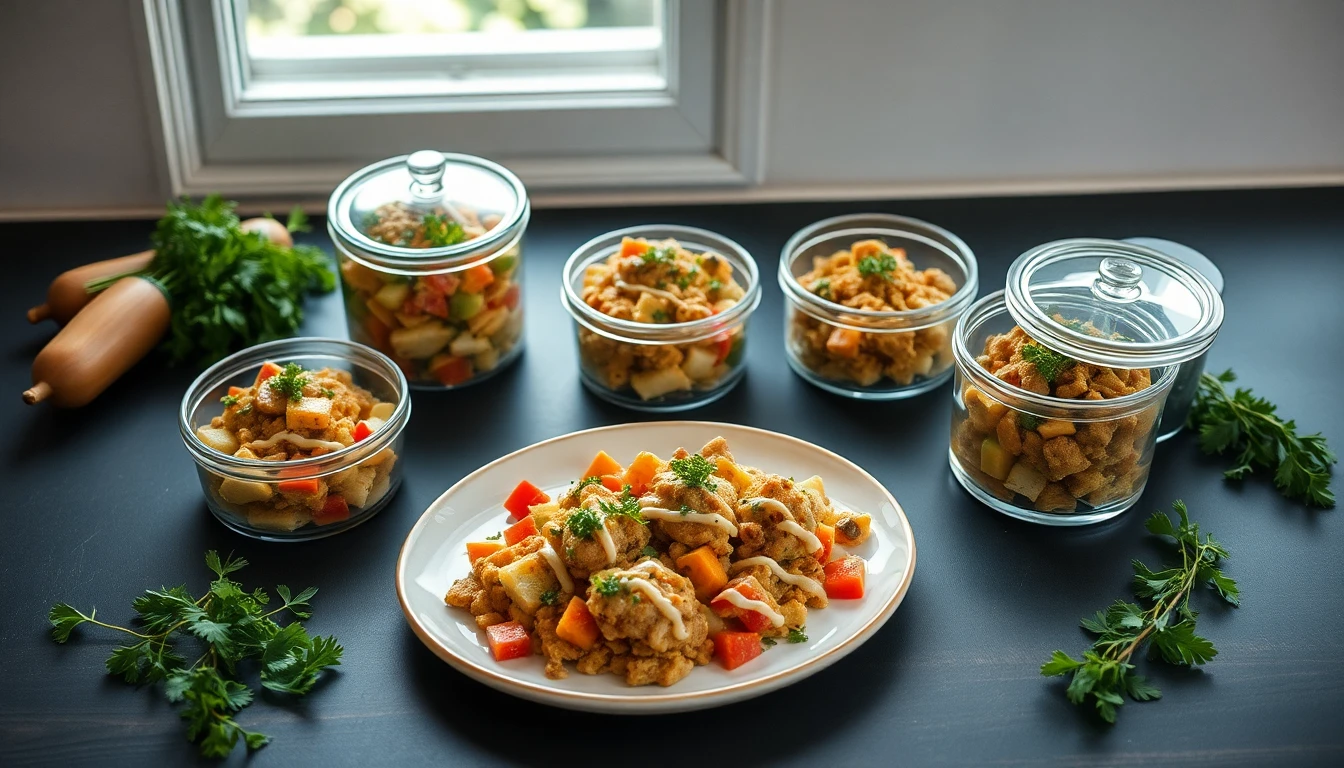
Cook protein from fresh or freshly frozen, and eat it the same day. Freezing portions straight after cooking keeps amine levels low, so batch cooking works if you freeze promptly; see our guide to batch cooking and freezer meals for how to do it without letting food sit.
Use this list to sort foods quickly.
- Fresh chicken, turkey, beef, lamb — safe — low in both amines when cooked fresh and eaten the same day
- Fresh white fish, cooked and eaten promptly — safe with care — histamine rises fast in fish, so buy it fresh and cook it that day
- Eggs — safe — low in both amines for most people
- Rice, oats, quinoa, pasta, potatoes — safe — low-amine starch foods
- Carrots, courgette, broccoli, cauliflower, cucumber, peppers — safe — low in both amines
- Fresh milk, cream cheese, mozzarella, ricotta (fresh) — safe — unaged dairy is low in both; check your prescriber's list for dairy limits
- Apples, pears, blueberries, melon — safe — low-histamine fruits that are not on tyramine lists
- Tomatoes, spinach, aubergine, avocado — limit — higher histamine; not a tyramine restriction, so trial individually
- Citrus fruit, strawberries, banana (ripe) — limit — histamine-related for some people; ripe banana skin is a tyramine concern on some MAOI lists
- Chocolate, cocoa, nuts — limit — can trigger histamine symptoms; some lists also flag them for tyramine, so check yours
Ripeness and storage matter as much as the food
Overripe fruit, bruised produce and food stored in a warm kitchen all gain amines. Buy small quantities, keep protein in the coldest part of the fridge, and cook or freeze within 24 hours. Avoid buffets, deli counters and anything with an unclear storage history, because you cannot tell how long it has stood.
How should you plan meals on both diets?
Plan around fresh protein, a plain starch and cooked vegetables, and cook only what you will eat that day or freeze at once. This structure avoids most problem foods without a complicated list.
Swap flavour sources too, because many usual shortcuts are on the avoid list. Stock cubes, gravy granules, soy sauce and ready sauces often contain yeast extract. Fresh herbs, garlic, ginger, black pepper, lemon-free dressings made with olive oil, and homemade sauces from fresh ingredients fill the gap.
If you manage another condition through diet, the same habits carry across. Our guide to anti-inflammatory foods overlaps well with the fresh-food approach here, though check each food against your own list.
A sample day
These meals use only foods from the safe list. Adjust portions to your appetite.
- Breakfast — porridge made with fresh milk and a sliced pear, or two eggs with plain toast
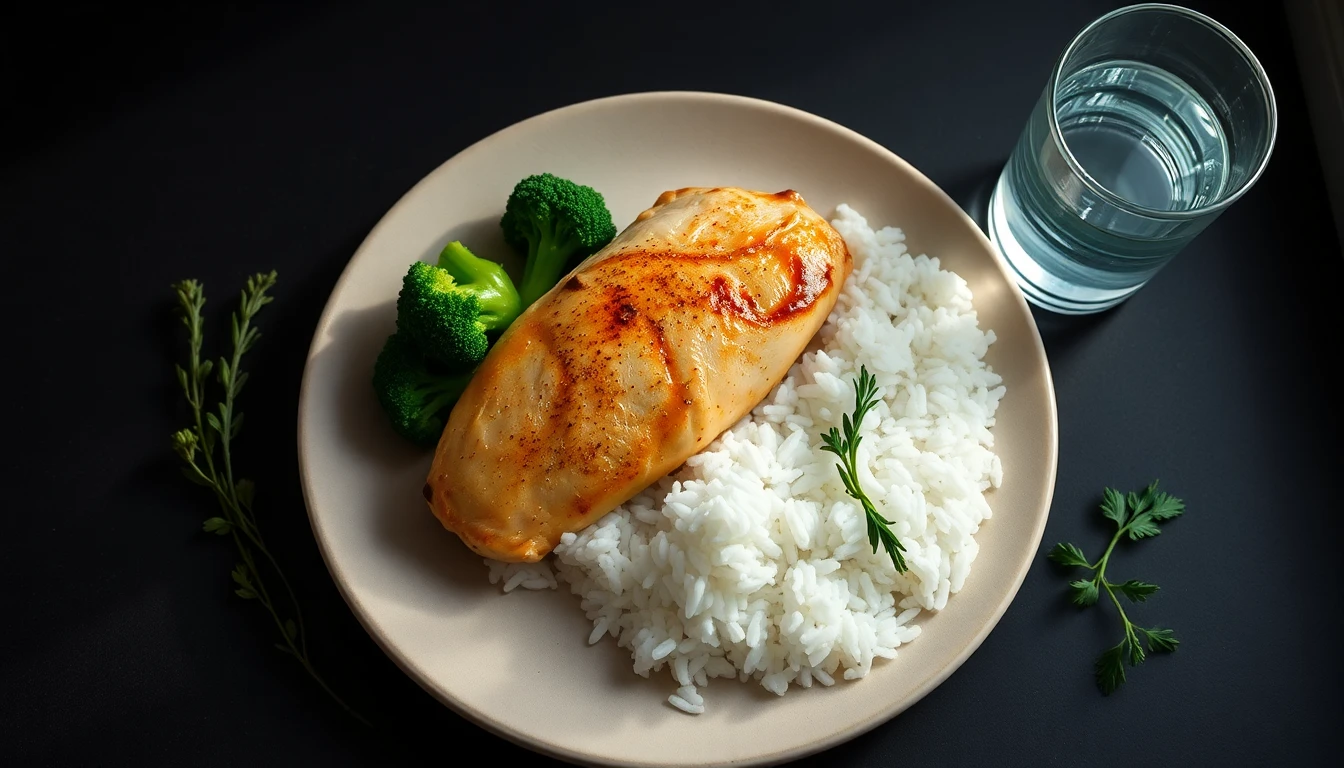
- Lunch — freshly cooked chicken breast with rice and steamed broccoli and carrots
- Dinner — fresh lamb or beef cooked at home with boiled potatoes and green beans
- Snack — apple slices, blueberries or a plain rice cake with cream cheese
Cooking and storage timings
Cook fresh protein the day you buy it where you can. Cool leftovers quickly and freeze them within about two hours of cooking if you plan to keep them. Treat refrigerated leftovers of meat or fish as a risk after 24 hours, and avoid reheating them more than once.
What to do if you take an MAOI or have symptoms
If you take an MAOI, follow the tyramine list given by your prescriber or pharmacist exactly, and do not relax any rule on the strength of a histamine-focused article. Newer MAOIs and different doses carry different levels of dietary restriction, so your own list is the one that counts. Seek urgent medical help for a sudden severe headache, a racing or pounding heart, or neck stiffness after eating, since these can signal a hypertensive reaction.
For histamine symptoms without an MAOI, such as flushing, headaches, hives or digestive upset after meals, see your GP before cutting foods out. These symptoms have many causes, including true allergy, and a food and symptom diary helps your clinician narrow things down. Do not self-diagnose histamine intolerance and drop whole food groups for months, because that risks nutritional gaps.
FreshPlate builds this into your plan. You enter your medicines and conditions, and the app screens recipes against your restrictions, flags aged, fermented and cured ingredients, and suggests fresh alternatives, so you are not cross-checking two lists at the supermarket.
Frequently asked questions
Can you have a low-histamine and low-tyramine diet at the same time?
+
Yes. Both diets cut aged, fermented, cured and stale protein foods, so one fresh-food plan covers most of both. Follow your prescriber's tyramine list first if you take an MAOI.
Which cheeses are safe on a low-histamine and low-tyramine diet?
+
Fresh, unaged cheeses such as cream cheese, ricotta, cottage cheese and fresh mozzarella are generally lower in both amines. Avoid mature Cheddar, parmesan, blue cheese and Stilton.
Is leftover chicken safe on a low-histamine diet?
+
Leftover chicken is best eaten within 24 hours or frozen promptly after cooking. Amines build up as cooked protein stands in the fridge, which affects both histamine and tyramine.
Do tomatoes and spinach count as high tyramine foods?
+
They are mainly listed as histamine-related foods rather than tyramine foods. If you take an MAOI, check your prescriber's list, and treat them as a symptom-led choice.
Sources
Did this answer your question?
Reece reads every reply. Questions we have not covered become new guides.
The right foods make living with histamine intolerance easier.
Get our free histamine intolerance food guide by email — what to eat more of, what to limit, and simple meals that support you day to day. One genuinely useful email a week — no spam, unsubscribe anytime.
Free forever. You'll also be first in line for the FreshPlate app — with a free trial at launch.