Nutrient Bioavailability: How to Absorb More From Food
Learn how food pairings, cooking methods, and timing affect nutrient bioavailability. Science-backed strategies to maximise absorption from your meals.

By Reece Douglas · Founder, FreshPlate
Listen to this article
Nutrient Bioavailability: How to Absorb More From Food
You carefully select nutrient-dense foods, read labels, and plan balanced meals. But here's the reality that often gets overlooked: the nutrients listed on a food label aren't necessarily what your body receives. Bioavailability—the proportion of a nutrient that's absorbed and used by your body—varies dramatically based on how you prepare, combine, and consume your food.
Understanding nutrient bioavailability transforms how you approach nutrition. A spinach salad might look impressive on paper, but without the right preparation and pairings, you'll absorb only a fraction of its iron content. Conversely, simple adjustments to your cooking methods and meal composition can double or even triple the nutrients your body actually uses. This guide explores the science-backed strategies that help you get more nutritional value from every meal.
What Is Nutrient Bioavailability and Why Does It Matter?
Nutrient bioavailability refers to the proportion of a nutrient in food that your digestive system can absorb and your body can utilise. It's the difference between what enters your mouth and what reaches your cells. A food might contain 10mg of iron, but if only 10% is bioavailable, your body receives just 1mg.
This concept matters particularly for people managing health conditions, taking medications, or following restrictive diets. If you're addressing iron deficiency, choosing high-bioavailability sources and pairings becomes as important as quantity. The same applies to calcium for bone health, vitamin B12 for vegans, and countless other nutrients where absorption is the true measure of nutritional value.
Several factors influence bioavailability: the chemical form of the nutrient, the food matrix it's in, what else you eat alongside it, your digestive health, and even your current nutrient status. Your body is remarkably adaptive—it absorbs more iron when stores are low, for instance—but you can work with these mechanisms rather than against them.
Intrinsic vs Extrinsic Factors
Intrinsic factors are built into the food itself. Haem iron from meat has roughly 15-35% bioavailability, whilst non-haem iron from plants typically sits at 2-20%. The chemical structure differs, affecting how readily your intestines can absorb it. Similarly, the calcium in dairy exists in forms more readily absorbed than calcium from most plant sources.
The Role of Your Digestive System
Your stomach acid, digestive enzymes, and gut bacteria all influence nutrient extraction. This is why certain medications—particularly proton pump inhibitors and antacids—can reduce absorption of nutrients like vitamin B12, calcium, and magnesium. Your gut health forms the foundation of bioavailability, regardless of what you eat.
Food Pairings That Enhance Nutrient Absorption
Strategic food combinations can transform a mediocre meal into a nutritional powerhouse. These pairings work by providing co-factors needed for absorption, converting nutrients into more bioavailable forms, or protecting them from degradation during digestion.
Fat-Soluble Vitamins With Healthy Fats
Vitamins A, D, E, and K require dietary fat for absorption. Without it, they pass through your system largely unused. This is why a fat-free salad dressing dramatically reduces how much beta-carotene, vitamin K, and vitamin E you absorb from leafy greens. Research shows that adding just 6g of fat to a salad can increase carotenoid absorption by up to 600%.
- Olive oil on salads — monounsaturated fats enhance carotenoid and vitamin K absorption from greens
- Avocado with tomatoes — the fat in avocado increases lycopene bioavailability significantly
- Nuts with sweet potato — healthy fats help absorb beta-carotene and vitamin E
- Oily fish with leafy greens — omega-3 fats enhance vitamin K absorption whilst providing vitamin D
Iron With Vitamin C
Vitamin C is one of the most powerful enhancers of non-haem iron absorption. It converts iron into a form your intestines absorb more readily and protects it from inhibitors. A glass of orange juice with your fortified breakfast cereal can triple iron absorption. For those managing ferritin levels through diet, this pairing is invaluable.
- Lentil soup with tomatoes — the vitamin C in tomatoes boosts iron from pulses
- Spinach with lemon dressing — citrus juice enhances iron bioavailability from greens
- Fortified cereal with strawberries — fresh berries improve iron absorption from breakfast
- Chickpea curry with peppers — bell peppers provide vitamin C to enhance iron uptake
Vitamin D With Calcium
Whilst not strictly a bioavailability pairing, vitamin D is essential for calcium absorption in your intestines. Without adequate vitamin D, you'll absorb only 10-15% of dietary calcium, compared to 30-40% with sufficient levels. This matters particularly in the UK, where vitamin D deficiency is common.
Black Pepper With Curcumin
Curcumin from turmeric has notoriously poor bioavailability—your liver rapidly metabolises and eliminates it. Piperine, a compound in black pepper, inhibits this breakdown and can increase curcumin absorption by up to 2000%. This is why traditional Indian recipes combining turmeric with black pepper aren't just flavourful—they're biochemically intelligent.
Understanding Anti-Nutrients and How to Reduce Them
Anti-nutrients are compounds that interfere with nutrient absorption. The term sounds alarming, but these substances often provide their own health benefits—phytates have antioxidant properties, for instance. The goal isn't elimination but balance, and simple preparation methods can reduce their inhibitory effects whilst preserving nutritional value.
For people following plant-based diets or managing conditions that require optimal nutrient absorption, understanding anti-nutrients becomes particularly relevant. You're not avoiding healthy foods, just preparing them more effectively.
Phytates and Mineral Absorption
Phytic acid, found in wholegrains, legumes, nuts, and seeds, binds to minerals like iron, zinc, calcium, and magnesium, reducing their absorption. However, soaking, sprouting, and fermenting breaks down phytates significantly. Traditional food preparation methods—soaking beans overnight, fermenting sourdough, sprouting grains—evolved partly to address this issue.
- Soak legumes for 12-24 hours — reduces phytate content by 30-50% and improves iron absorption
- Choose sourdough bread — fermentation reduces phytates in wheat by up to 70%
- Sprout seeds and grains — germination activates enzymes that break down phytic acid
- Cook thoroughly — heat further reduces phytate content in beans and wholegrains
Oxalates and Calcium
Oxalic acid in spinach, rhubarb, beetroot greens, and some other vegetables binds calcium, making it unavailable for absorption. Spinach contains substantial calcium on paper, but its high oxalate content means you absorb very little. Cooking reduces oxalate content, and choosing low-oxalate greens like kale, bok choy, or broccoli provides more bioavailable calcium. For those seeking calcium without dairy, understanding oxalates helps with food selection.
Tannins and Iron
Tannins in tea, coffee, and red wine inhibit iron absorption when consumed with meals. If you're managing iron levels, timing matters: enjoy your tea an hour after eating rather than with food. The effect is dose-dependent—a weak cup of tea has minimal impact, whilst strong black tea with a meal can reduce iron absorption by 60-70%.
Lectins and Gut Health
Lectins are proteins found in legumes, grains, and nightshade vegetables that can interfere with nutrient absorption and irritate the gut lining when consumed in large amounts. Thorough cooking destroys most lectins—this is why kidney beans must be boiled vigorously, as raw or undercooked beans contain toxic levels. Pressure cooking is particularly effective at reducing lectin content.
Cooking Methods That Improve Bioavailability
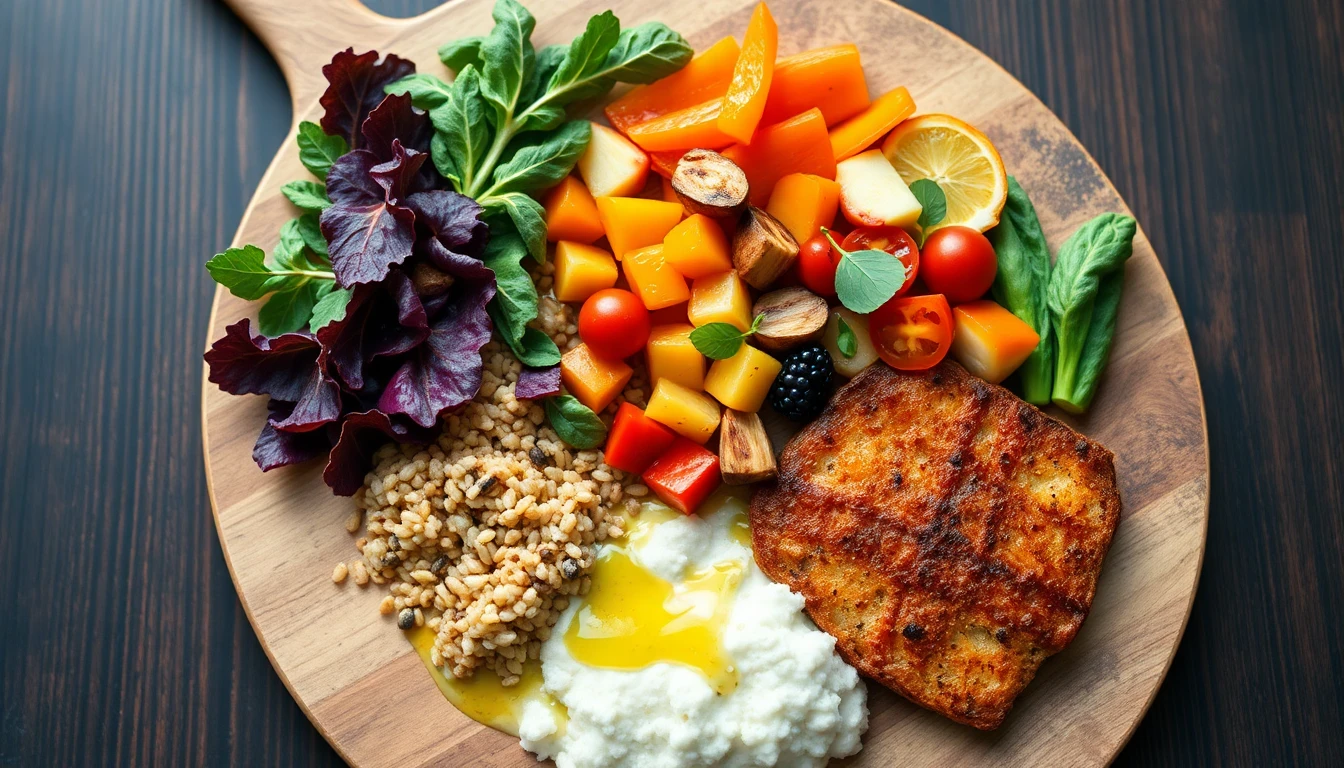
The traditional Mediterranean approach of combining raw salads with cooked vegetables, all dressed with olive oil, demonstrates intuitive nutritional wisdom. You get heat-stable nutrients in enhanced forms from cooked components, heat-sensitive vitamins from raw elements, and fat for absorbing fat-soluble vitamins—all in one meal.
For anyone interested in anti-inflammatory foods, cooking methods matter doubly. Whilst raw vegetables provide certain anti-inflammatory compounds, cooked tomatoes offer more bioavailable lycopene, and fermented foods contribute unique anti-inflammatory benefits through their effect on gut bacteria.
- Cooking tomatoes — heat breaks down cell walls and converts lycopene to a form with 2-3 times higher bioavailability; a simple tomato sauce provides more lycopene than fresh tomatoes
- Steaming or boiling carrots — makes beta-carotene more accessible by softening fibrous structures; lightly cooked carrots offer better vitamin A absorption than raw
- Fermenting vegetables — increases vitamin content, reduces anti-nutrients, and creates probiotics that support overall nutrient absorption; sauerkraut and kimchi are traditional examples
- Soaking and cooking legumes — reduces phytates and lectins whilst making protein and minerals more bioavailable; pressure cooking is particularly effective
- Light cooking of cruciferous vegetables — maintains sulforaphane compounds whilst reducing goitrogens; brief steaming or stir-frying balances benefits
- Keeping some vegetables raw — heat destroys vitamin C and some B vitamins; include raw elements in meals for these nutrients
Timing, Medication Interactions, and Individual Variation
Your body's ability to absorb nutrients changes throughout life. Stomach acid production typically decreases with age, affecting absorption of B12, iron, and calcium. Digestive conditions like coeliac disease, Crohn's disease, or even temporary disruption from antibiotic use can significantly impact bioavailability. This is why personalised nutrition, accounting for your specific circumstances, becomes increasingly important.
- Take iron supplements on an empty stomach — with vitamin C if tolerated, away from tea, coffee, or calcium-rich foods
- Separate calcium and iron — if supplementing both, take at different times of day
- Consider medication timing — some nutrients are best taken away from certain medications; your pharmacist can provide specific guidance
- Respect individual variation — genetics, age, digestive health, and existing nutrient status all influence how efficiently you absorb nutrients
How FreshPlate Fits Around Your Medications and Your Day
Understanding bioavailability is one thing; applying it daily whilst managing medications, health conditions, and dietary preferences is quite another. FreshPlate can't do the absorption maths for you, but it does take the things that shape your plate into account, so there's less to hold in your head.
When you add your medications, by brand or generic name from the NHS's own medicines list, every recipe the app generates is built around them. The For you tab on each recipe and meal lists your medicines. For those where the interaction checker has quoted the NHS or US FDA wording on food, that wording opens word for word with a link to the checker page. For the rest, it tells you there is no advice on file yet and points you to your pharmacist. A few interactions are hard blocks, such as grapefruit with certain statins, and everything else is advisory. If you have a condition, the app steers rather than prescribes: recipes lean towards what public UK guidance (NHS, BDA) says suits it, and the app never claims to treat, prevent or cure anything.
The app doesn't work out food pairings or timing for you, so the tips earlier in this guide, like pairing vitamin C with plant-based iron or having fat alongside fat-soluble vitamins, are yours to apply. What it can do is show you how your day is going. The Progress tab has a minerals-and-vitamins panel against targets set for your body, with a "How we worked this out" tap behind every number, so you can see where you stand and decide what to eat next.
Frequently asked questions
Does cooking vegetables destroy all the nutrients?
+
No. Whilst heat reduces some vitamins like vitamin C and folate, it enhances bioavailability of others by breaking down cell walls and converting nutrients to more absorbable forms. Lycopene from cooked tomatoes and beta-carotene from cooked carrots are more bioavailable than from raw. A mix of raw and cooked vegetables provides the broadest nutritional benefit.
Should I avoid foods with anti-nutrients?
+
No. Foods containing anti-nutrients like phytates (wholegrains, legumes) are highly nutritious and offer important health benefits. Simple preparation methods—soaking, cooking, fermenting—reduce anti-nutrient content whilst preserving nutritional value. The goal is proper preparation, not avoidance.
Can I drink tea or coffee with meals?
+
It's best to wait 30-60 minutes after eating, particularly if you're managing iron levels. Tannins in tea and coffee significantly reduce iron absorption when consumed with meals. If you have healthy iron levels and eat diverse sources, the impact is less concerning, but timing beverages away from meals optimises nutrient absorption.
How much fat do I need to absorb vitamins A, D, E, and K?
+
Research suggests as little as 3-5g of fat per meal can significantly enhance fat-soluble vitamin absorption. This is roughly one teaspoon of olive oil, a small handful of nuts, or a quarter of an avocado. You don't need large amounts—just some fat present in the same meal.
Why does my body absorb nutrients differently from supplements vs food?
+
The food matrix—the combination of fibres, fats, proteins, and other compounds in whole foods—affects how nutrients are released and absorbed. Some nutrients in supplements are more bioavailable (like folate vs food folate), whilst others work better in food form (like calcium from dairy vs calcium carbonate). Whole foods also provide co-factors and synergistic compounds that enhance absorption naturally.
Sources
Did this answer your question?
Reece reads every reply. Questions we have not covered become new guides.
Make nutrient absorption one less thing to worry about.
Get our free nutrient absorption guide by email — the best food sources, what helps and hinders absorption, and a week of meal ideas. One genuinely useful email a week — no spam, unsubscribe anytime.
Free forever. You'll also be first in line for the FreshPlate app — with a free trial at launch.