Low Ferritin Diet: Best Foods and a 7-Day Meal Plan
What to eat for low ferritin: red meat, oily fish and lentils with vitamin C, and no tea or coffee near meals. Includes a 7-day plan and how long it takes to work.

By Reece Douglas · Founder, FreshPlate
Listen to this article
Low Ferritin Diet: Best Foods and a 7-Day Meal Plan
Your blood test shows low ferritin, but your haemoglobin is normal. Your GP says you're not anaemic, yet your iron stores need attention. This is common, particularly in menstruating women, vegetarians and athletes, and it often goes unnoticed until fatigue, hair thinning or restless legs start to interfere with daily life.
Low ferritin is the earlier stage, when iron reserves are running down but red blood cell production hasn't yet been affected. That makes it a good time to act on diet. Below you'll find the foods that work best, how to combine them for absorption, and a 7-day plan you can follow in real life, whether you're avoiding supplements or complementing them.
What Should I Eat on a Low Ferritin Diet?
Eat red meat, liver, oily fish or shellfish two to three times a week, and build other meals around lentils, beans, fortified cereals and dark green vegetables, each paired with a vitamin C food. Haem iron from animal foods is absorbed far better (roughly 15-35%) than non-haem iron from plants (roughly 2-20%), so it does most of the heavy lifting if you eat meat.
Aim for the iron intake the NHS recommends: 14.8mg a day for women aged 19-50 and 8.7mg for men and for women over 50. Don't take liver more than once a week, and avoid it entirely if you're pregnant, because of its high vitamin A content. The quick guide below shows what to prioritise.
- Beef, lamb and venison (100g cooked) — best choice — high in well-absorbed haem iron; two to three portions a week
- Liver or chicken liver pâté (one small portion weekly) — very rich — but high in vitamin A, so no more than once a week and avoid in pregnancy
- Mussels, oysters, sardines, mackerel — strong choice — haem iron plus omega-3; sardines on toast is an easy option
- Chicken, turkey, pork — good — less haem iron than red meat but useful on other days
- Lentils, chickpeas, kidney beans (150g cooked) — good with vitamin C — non-haem iron; add peppers, tomatoes or lemon juice
- Fortified breakfast cereal — good — a convenient 30g serving can supply a meaningful share of your daily iron; check the label
- Spinach, kale, Swiss chard — modest — iron is present but oxalates limit absorption; cooking helps, and they're better as a side than a main source
- Tea, coffee, milk, cheese, yoghurt — timing matters — they reduce absorption when taken with iron-rich meals; leave an hour either side
- Eggs — fine, but separate — egg proteins reduce iron absorption, so avoid pairing them with your main iron source
Understanding Low Ferritin vs Iron Deficiency Anaemia
Ferritin is a protein that stores iron, mainly in the liver, spleen and bone marrow. A ferritin blood test shows how well-stocked your reserves are. Reference ranges vary by laboratory, but many labs treat results below about 15-30 µg/L as indicating depleted stores, and some people have symptoms at higher levels. Ferritin also rises with inflammation or infection, so a result can look better than your true iron status. Your GP can interpret it alongside your symptoms and other tests.
Low ferritin is the first stage of iron deficiency. You may feel more tired than usual, notice more hair shedding, struggle with concentration or develop restless legs. If stores run out completely, iron deficiency anaemia follows, with low haemoglobin, pale skin, breathlessness and heavier fatigue.
The distinction matters because diet is often enough for mild low ferritin, whereas established anaemia usually needs iron tablets as well. Rebuilding stores by food alone takes patience, typically three to six months, but it avoids the constipation and nausea many people get from supplements. Persistent low iron without an obvious cause, such as heavy periods, deserves investigation by your GP.
Who's Most at Risk of Low Ferritin
Some groups are vulnerable to depleted iron stores however well they eat:
- Menstruating women — monthly blood loss steadily drains reserves, particularly with heavy periods
- Pregnant and breastfeeding women — iron demands rise to support the baby and milk production
- Vegetarians and vegans — plant (non-haem) iron is less bioavailable than haem iron
- Endurance athletes — increased red cell turnover and iron loss through sweat contribute
- Frequent blood donors — each donation removes roughly 200-250mg of iron
- People with digestive conditions — coeliac disease, Crohn's disease and gastric bypass surgery all impair absorption
How to Absorb More Iron From Food
Absorb more iron by adding a vitamin C food to every plant-based iron meal and keeping tea, coffee and dairy at least an hour away from it. What else is on your plate can change how much iron you absorb from the same meal several-fold, so combinations matter as much as the foods themselves.
Haem vs Non-Haem Iron
Haem iron comes from meat, poultry and fish, where iron is bound to haemoglobin and myoglobin. It is absorbed fairly reliably whatever else you eat. Non-haem iron comes from legumes, grains, nuts, seeds and vegetables, and absorption is much lower and far more sensitive to other foods.
- Red meat and organ meats — richest and most bioavailable
- Poultry and pork — good haem sources, less concentrated
- Fish and shellfish — mussels, oysters, sardines and mackerel are excellent
- Legumes — lentils, chickpeas and beans give substantial non-haem iron
- Dark leafy greens — contain iron alongside absorption inhibitors
- Fortified cereals — convenient non-haem sources at breakfast
Absorption Enhancers
Vitamin C is the most effective enhancer of non-haem iron absorption, holding iron in a more soluble form in the gut. Around 50-100mg of vitamin C (a small glass of orange juice, half a red pepper or a handful of strawberries) with an iron-containing meal can noticeably improve absorption.
- Citrus fruits — oranges, grapefruit, and lemon juice over salads or fish
- Berries — strawberries, blackcurrants and raspberries with breakfast cereal
- Peppers — red peppers contain more vitamin C than oranges
- Tomatoes — fresh, tinned or as passata in sauces and stews
- Broccoli and Brussels sprouts — iron and vitamin C in one vegetable
- Kiwi fruit — a good vitamin C source for breakfast or snacks
Absorption Inhibitors to Separate
Several compounds bind iron in the gut so it passes through unabsorbed. You don't need to cut these foods out, as many are nutritious, but try to keep major inhibitors at least an hour away from iron-rich meals.
- Tea and coffee — tannins and polyphenols are potent blockers; wait an hour after meals
- Calcium-rich foods and supplements — milk, yoghurt and cheese compete with iron; save dairy for snacks
- Phytates — in wholegrains, legumes and nuts; soaking, sprouting or fermenting reduces them
- Oxalates — high in spinach and rhubarb; cooking lowers levels
- Egg protein — avoid combining eggs with your main iron source
Your 7-Day Low Ferritin Meal Plan
This plan provides roughly 14-20mg of iron daily, built around haem iron sources, vitamin C pairings and sensible timing of inhibitors. Recipes serve one and take 30 minutes or less, apart from the slow-cooked casserole, which suits batch cooking. Drink tea and coffee between meals rather than with them, and adapt portions to your appetite and any medical advice.
Day 1
- Breakfast — porridge made with water, topped with blackstrap molasses, chopped dried apricots and pumpkin seeds; glass of orange juice
- Lunch — lentil and tomato soup with a squeeze of lemon, wholemeal roll, side salad with peppers
- Dinner — pan-fried lamb chops with rosemary, roasted beetroot and sweet potato wedges, steamed broccoli
- Snack — handful of cashew nuts, fresh strawberries
Day 2
- Breakfast — scrambled tofu with turmeric and cherry tomatoes on sourdough toast, glass of grapefruit juice
- Lunch — sardine and rocket salad with butter beans, red peppers and lemon vinaigrette
- Dinner — beef stir-fry with pak choi, mangetout and red peppers, served with brown rice
- Snack — dark chocolate square (70% cocoa), clementine
Day 3
- Breakfast — fortified wholegrain cereal with sliced banana and kiwi fruit, topped with ground flaxseed
- Lunch — chicken liver pâté on oatcakes, carrot and cucumber sticks, cherry tomatoes (liver once a week only; skip in pregnancy)
- Dinner — baked salmon with sesame seeds, quinoa pilaf with dried cranberries, steamed asparagus
- Snack — hummus with red pepper strips, handful of blueberries
Day 4
- Breakfast — smoothie with spinach, mango, orange, ground almonds and fortified oat milk
- Lunch — chickpea and sweet potato curry with coconut milk and tomatoes, brown rice, mango chutney
- Dinner — grilled sirloin steak with chimichurri sauce, baked potato, grilled courgettes and tomatoes
- Snack — rice cakes with almond butter, apple slices
Day 5
- Breakfast — poached eggs on rye toast with sautéed mushrooms and grilled tomatoes (eggs kept separate from the iron-rich meals later in the day)
- Lunch — white bean and kale soup with rosemary, crusty bread, orange segments
- Dinner — pan-fried duck breast with blackberry sauce, mashed celeriac, green beans
- Snack — trail mix with dried figs, Brazil nuts and pumpkin seeds
Day 6
- Breakfast — buckwheat pancakes with blackstrap molasses and fresh raspberries
- Lunch — tuna and white bean salad with sun-dried tomatoes, rocket and balsamic dressing
- Dinner — slow-cooked beef casserole with prunes, carrots and pearl barley, served with steamed cabbage
- Snack — tahini on oatcakes, satsuma
Day 7
- Breakfast — bircher muesli soaked overnight with grated apple, raisins and ground hazelnuts; topped with strawberries
- Lunch — grilled mackerel with lemon and dill, new potatoes, beetroot and orange salad
- Dinner — vegetarian chilli with kidney beans, black beans and quinoa, topped with fresh coriander and lime
- Snack — dried apricots and almonds, kiwi fruit
Practical Tips for Sustaining Your Low Ferritin Diet
Rebuilding stores takes three to six months, so consistency matters more than perfection. These habits make it manageable, and batch cooking (see our batch cooking guide) removes much of the weekday effort.
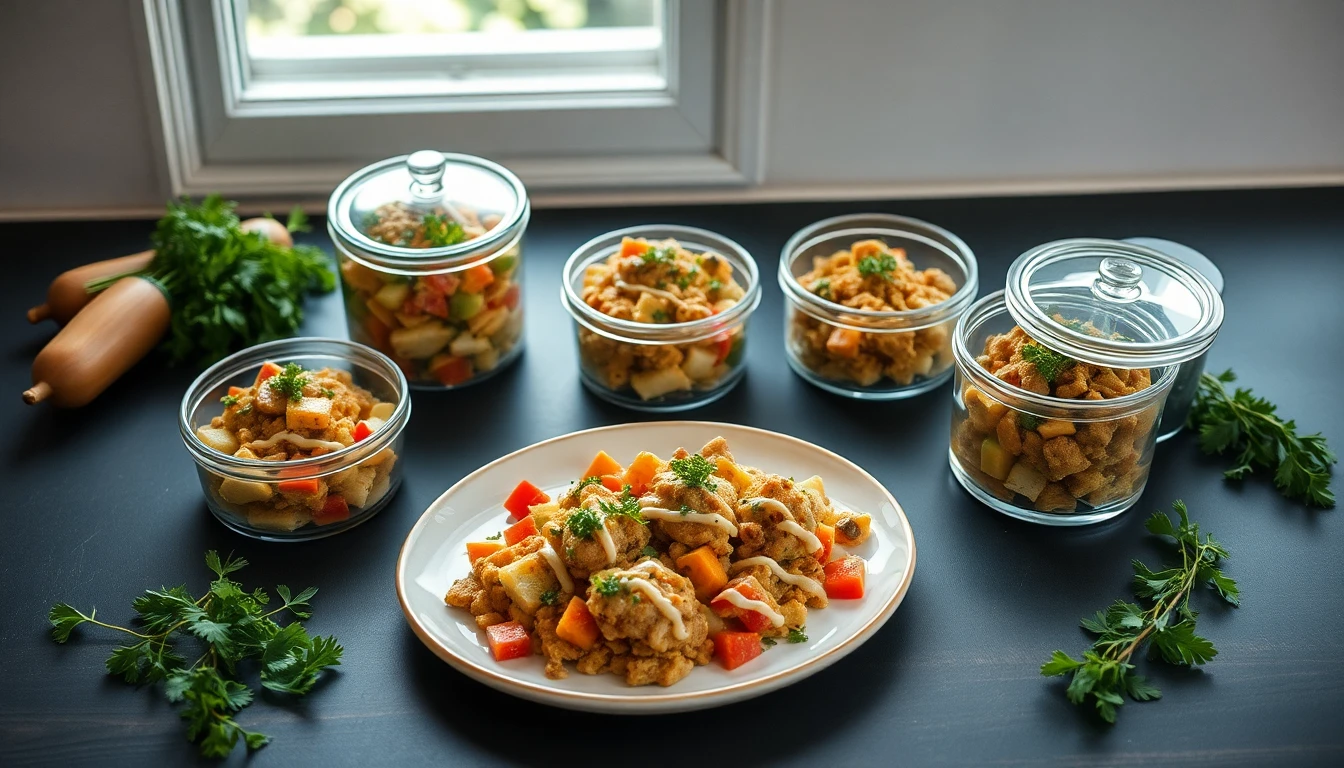
- Batch-cook iron-rich bases — make large portions of lentil soup, beef casserole or chickpea curry and freeze in single portions
- Keep vitamin C foods visible — a fruit bowl with oranges and kiwis, plus prepped pepper sticks and cherry tomatoes
- Time your tea and coffee — set a reminder to wait 60 minutes after iron-rich meals
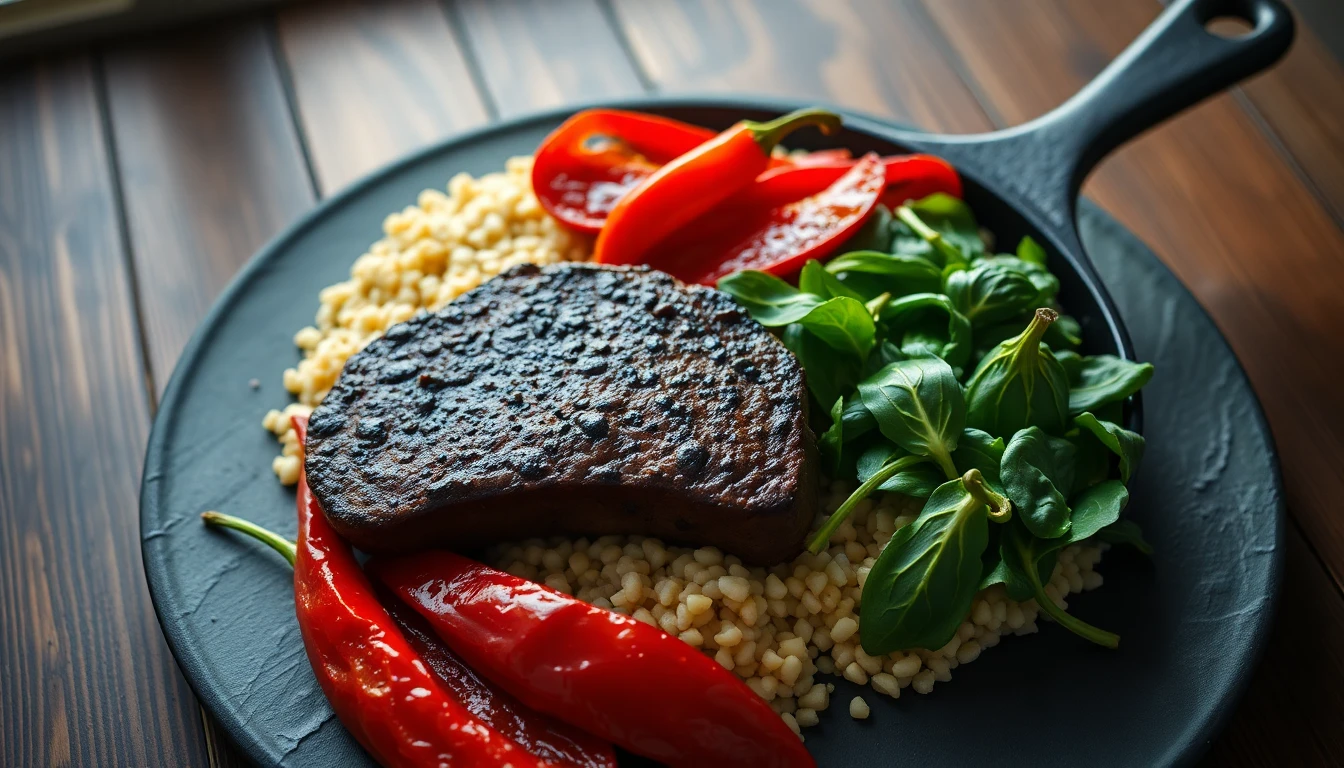
- Use cast iron cookware — cooking acidic foods such as tomato sauce in cast iron can add some iron to the meal
- Track your symptoms — note energy, sleep and hair shedding; improvement may appear before blood tests change
- Request follow-up bloods — ask your GP for a ferritin retest after about three months
- Don't fear red meat — if you eat it, two to three portions a week gives the most bioavailable iron; the NHS advises keeping red and processed meat to around 70g a day on average
- Optimise plant-based iron — if you're vegetarian or vegan, soak grains and pulses, and always pair with vitamin C; see our guide to B12 deficiency and vegan sources for another nutrient to watch
How FreshPlate Fits Your Meals Around Your Medicines and Preferences
Planning meals around medications, preferences and dietary restrictions can quickly become overwhelming. FreshPlate builds every recipe around your own medication list, and for medical conditions it steers rather than prescribes: recipes lean towards what public UK guidance (NHS, BDA) says suits the condition, and the app never claims to treat, prevent or cure anything.
You add your medicines by brand or generic name from the NHS's own medicines list, and the app reads each one by its active ingredient. The For you tab on every recipe and meal lists your medicines. For about 170 of them, it opens the NHS or US FDA words about food, quoted word for word, with a link to the checker page; for the rest, it says there is no advice on file yet and points you to your pharmacist. You can also try the free food–medication interaction checker on our website: type a medication or its brand name and see the foods to watch in seconds (/website/tools/food-medication-checker/).
Beyond recipes, you can log meals by photo, barcode or search, and the Progress tab shows how your day is going, why, and what to do next, with a minerals-and-vitamins panel against targets set for your body. Recipes you keep go onto a shopping list, so the week's plan turns into simple daily habits.
Frequently asked questions
What is the best low ferritin diet?
+
The best low ferritin diet combines haem iron foods (red meat, liver, oily fish, shellfish) two to three times a week with lentils, beans and fortified cereals eaten alongside vitamin C foods. Keep tea, coffee and dairy an hour away from iron-rich meals, and expect three to six months to see ferritin rise.
What foods should I eat to raise low ferritin?
+
Beef, lamb, sardines, mussels, lentils, chickpeas and fortified breakfast cereals are the most useful foods for raising low ferritin. Pair plant sources with vitamin C such as peppers, tomatoes, citrus fruit or strawberries, and limit liver to once a week.
How long does it take to raise ferritin levels with diet?
+
Raising ferritin through diet alone typically takes three to six months of consistent iron-rich eating. The body absorbs only a limited amount of iron each day, so progress is gradual. Ask your GP for a retest after about three months to check whether it is working.
What foods should I avoid with low ferritin?
+
You don't need to avoid foods entirely, but keep tea, coffee and calcium-rich dairy at least an hour away from iron-rich meals. These contain compounds that significantly reduce iron absorption when eaten together. Calcium supplements should be taken at a different time from iron.
Can I raise ferritin without eating red meat?
+
Yes, but it needs more care with food combinations. Build meals around lentils, beans, fortified cereals, nuts, seeds and dark leafy greens, always with a vitamin C source. Soaking grains and pulses overnight helps, and some vegetarians and vegans find a supplement is needed, so discuss this with your GP.
Is low ferritin serious if I'm not anaemic?
+
Low ferritin means your iron stores are depleted, and it can cause fatigue, hair shedding, restless legs and poor concentration before anaemia develops. It is worth addressing early, and persistent low levels should be investigated by your GP, particularly if you have heavy periods or digestive symptoms.
Should I take iron supplements or focus on diet?
+
Mild depletion sometimes responds to diet alone, but low ferritin with symptoms, or established iron deficiency anaemia, usually needs supplements alongside better nutrition. Your GP will advise on the type and dose. Don't take iron without a confirmed deficiency, as too much can be harmful.
Sources
Did this answer your question?
Reece reads every reply. Questions we have not covered become new guides.
Bring your ferritin up, one meal at a time.
Get our free iron-boosting guide by email — the richest food sources, the absorption tricks that actually work, and a week of iron-rich meal ideas. One genuinely useful email a week — no spam, unsubscribe anytime.
Free forever. You'll also be first in line for the FreshPlate app — with a free trial at launch.