Vertigo Diet Triggers: Ménière's & Migraine Foods
Which foods trigger vertigo? Sodium limits, caffeine and alcohol, hydration timing and vestibular migraine triggers, explained plainly with practical swaps.

By Reece Douglas · Founder, FreshPlate
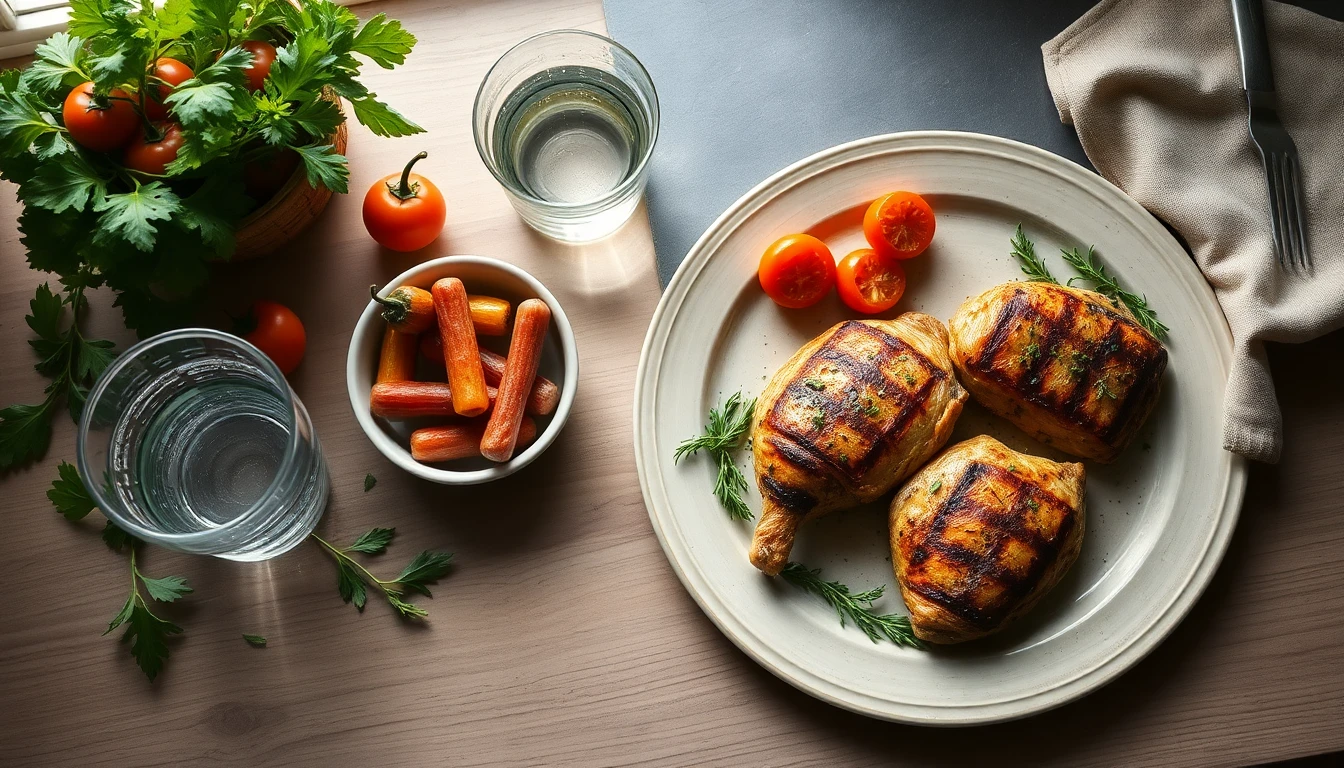
Diet will not cure vertigo, but it can change how often attacks come and how severe they are, particularly in Ménière's disease and vestibular migraine. Salt is the best-known lever, followed by caffeine, alcohol and regular meal timing.
This post separates what has reasonable support from what is mostly personal trial and error. Vertigo has many causes, so get a diagnosis before changing your diet, and check changes against your medicines.
Does Salt Trigger Vertigo in Ménière's Disease?
Salt is the most common dietary advice for Ménière's disease, and a lower-sodium diet is widely recommended, though the research is limited and mixed. Sodium affects fluid balance, and Ménière's is linked to a build-up of fluid in the inner ear. Aim for under 6 g of salt a day, the general UK adult maximum (about 2.4 g of sodium); some specialists suggest going lower.
Most of the salt you eat is already in the food, not added at the table. Bread, cheese, sauces, soups, ready meals and processed meats do most of the damage, so reading labels matters more than hiding the salt cellar. Sodium on a label is not the same as salt: multiply sodium by 2.5 to get the salt figure.
If you take blood pressure tablets, discuss any large change in salt intake with your GP or pharmacist first. Our guide on food interactions with beta blockers shows how diet and heart medicines interact.
- Fresh meat, fish, eggs and plain vegetables — safe — naturally low in sodium and the base of an easy low-salt diet
- Bread, cheese and breakfast cereals — limit — everyday staples that quietly add 1 to 2 g of salt a day between them
- Ready meals, soups and sauces — limit — often 1 g or more of salt per portion, so check the label
- Bacon, ham, sausages, crisps and takeaway food — avoid when possible — very high in salt for a small portion
- Salt substitutes — ask first — many are potassium chloride, which can be unsafe with some kidney conditions and medicines
Easy ways to cut salt without losing flavour
Herbs, lemon juice, black pepper, garlic, ginger and chilli do much of the work salt does. Making your own stocks and sauces, and choosing tinned vegetables and beans with no added salt, makes a bigger difference than most single swaps.
- Cook from scratch most days — gives you control over every gram of salt
- Rinse tinned beans and vegetables — removes some of the brine they sit in
- Taste before you season — many people salt out of habit rather than need
- Compare labels — 'low salt' means 0.3 g or less per 100 g; 'high' means more than 1.5 g per 100 g
Which Foods and Drinks Are Vertigo Diet Triggers?
Caffeine and alcohol are the two most commonly reported vertigo diet triggers, but the evidence that they cause attacks is weaker than the evidence for salt. Many specialists suggest reducing both because they are easy to test and have few downsides. Triggers are individual, so a food diary kept over several weeks is more useful than a blanket ban.
Alcohol can worsen dizziness directly by affecting the inner ear and the brain's balance processing, and it dehydrates you. Caffeine is a stimulant that some people with Ménière's report makes tinnitus and dizziness worse. If you drink several coffees a day, cut back gradually over a week or two to avoid withdrawal headaches, which can muddy the picture. Our post on caffeine effects explains how long it stays in your system.
- Alcohol — limit or avoid — can trigger attacks, dehydrates you and interacts with many medicines used for vertigo and nausea
- Coffee and strong tea — limit — caffeine may aggravate tinnitus and dizziness in some people, so try cutting back for 2 to 4 weeks
- Energy drinks and cola — avoid — combine caffeine, sugar and sometimes sodium
- Decaffeinated coffee, herbal tea and water — safe — useful replacements that keep the routine
- Sugary snacks and refined carbohydrates — limit — sharp blood sugar swings can cause light-headedness that gets mistaken for vertigo
- Regular meals — safe — skipping meals can make dizziness worse, so aim to eat every 3 to 4 hours
How to test a suspected trigger properly
Change one thing at a time and give it about 2 to 4 weeks. Note your attacks, what you ate and drank in the previous 24 hours, your sleep and your stress. Patterns emerge slowly because attacks are irregular. Reintroduce the food afterwards to see whether the symptom returns.
Do Vestibular Migraine Foods Differ From Ménière's Triggers?
Yes, in emphasis: vestibular migraine is managed more like migraine, so regular meals, sleep and caffeine consistency matter more than salt. Vestibular migraine causes vertigo with or without a headache and is often mistaken for Ménière's disease. The two can coexist, so get a proper assessment.
Food triggers for migraine are individual and frequently overstated. Large studies have found few foods that reliably cause attacks, and strict elimination diets can leave you eating very narrowly for no benefit. Look for your own patterns rather than avoiding a long generic list. Skipped meals, dehydration, poor sleep and alcohol, especially red wine, are the most consistent culprits.
- Red wine and other alcohol — avoid or limit — the most commonly reported dietary trigger
- Aged cheese, cured meats and fermented foods — test individually — contain tyramine, which affects some people but not others
- Chocolate and citrus — test individually — often blamed, but may be a craving during the early phase of an attack rather than a cause
- Caffeine — keep consistent — both too much and sudden withdrawal can set off attacks
- Skipped meals and long fasts — avoid — low blood sugar is a well-recognised migraine trigger
- Artificial sweeteners and MSG — test individually — reported by some, with weak evidence overall
Tyramine and antihistamines
Tyramine is found in mature cheese, cured meat and fermented foods. It matters most if you take certain antidepressants called MAOIs, where it can cause dangerous blood pressure rises. If you take one, follow your prescriber's food list strictly. For a broader look at combining restrictions, see our antihistamine and low-tyramine diet guide.
How Much Should You Drink to Help Vertigo?
Aim for about 6 to 8 glasses (roughly 1.2 to 2 litres) of fluid a day, as the NHS suggests for most adults. Dehydration can cause dizziness and light-headedness and is a known migraine trigger, so drink steadily through the day rather than a lot at once.
The old idea that you should restrict fluids in Ménière's disease is not supported. What matters is consistency in fluid and salt intake, because sudden swings may unsettle inner-ear fluid balance. If you have heart or kidney disease, or take diuretics, ask your doctor what is right for you before changing how much you drink.
- Water — safe — the default choice, drunk regularly through the day
- Herbal and decaffeinated tea — safe — counts towards fluids and keeps the habit of a hot drink
- Milk and unsweetened plant milks — safe — contribute to fluids and nutrition
- Fruit juice and squash — limit — fine in small amounts, but sugary; keep juice to 150 ml a day
- Alcohol and energy drinks — avoid — dehydrating and linked with attacks
- Large amounts at once — avoid — steady sipping beats gulping a litre in one go
Can Diet Replace Treatment for Vertigo?
No: diet is a supporting measure and does not replace medical assessment, medicines or vestibular rehabilitation. Persistent vertigo, sudden hearing loss, new neurological symptoms, double vision or weakness need prompt medical attention, and sudden severe symptoms need urgent care.
Medicines used for vertigo and nausea, such as prochlorperazine or betahistine, can interact with alcohol, and some people find drowsiness is worse when they are dehydrated or have skipped meals. Take a short list of your medicines to appointments. FreshPlate's free food-medication interaction checker lets you look up how your tablets and your food and drink choices fit together.
How FreshPlate Builds a Vertigo-Friendly Plan
FreshPlate builds recipes around your conditions and medicines, so a low-salt, regular-meal plan for vertigo is set up once and applied automatically. You enter your condition, any tablets you take and foods you want to limit, and the app shows the salt content of each recipe and flags ingredients that clash with your medication.
You can also log meals and symptoms in one place, which makes it easier to spot patterns over the 2 to 4 weeks that a proper trigger test needs. Weekly plans and shopping lists keep meals regular and low in sodium without you reading every label.
Frequently asked questions
What foods should I avoid with vertigo?
+
There is no single list, but the most commonly advised are high-salt foods, alcohol and, for some people, caffeine. If your vertigo is migraine-related, skipped meals and red wine are the most consistent triggers. Test suspected foods one at a time over 2 to 4 weeks.
How much salt should I have with Ménière's disease?
+
Most advice is to stay under 6 g of salt a day (about 2.4 g of sodium), and some specialists suggest less. Most of your intake comes from processed food, so reading labels matters more than skipping the salt shaker.
Does caffeine make vertigo worse?
+
It may in some people, particularly those with Ménière's disease or vestibular migraine, but the evidence is limited. Cut down gradually over one to two weeks to avoid withdrawal headaches, then see whether your symptoms change.
Can dehydration cause vertigo?
+
It can cause dizziness and light-headedness, and it is a recognised migraine trigger. Drinking 6 to 8 glasses of fluid a day, spread through the day, is a sensible baseline unless your doctor has told you otherwise.
Is there a special diet for vestibular migraine?
+
There is no single proven diet. Regular meals, steady caffeine intake, enough sleep and limiting alcohol are the main measures, and a food diary helps you identify personal triggers without cutting out foods unnecessarily.
Sources
Did this answer your question?
Reece reads every reply. Questions we have not covered become new guides.
The right foods make living with vertigo easier.
Get our free vertigo food guide by email — what to eat more of, what to limit, and simple meals that support you day to day. One genuinely useful email a week — no spam, unsubscribe anytime.
Free forever. You'll also be first in line for the FreshPlate app — with a free trial at launch.