Beta Blockers Food Interactions: What to Eat and Avoid
Learn how beta blockers interact with potassium, alcohol, and caffeine. Essential guidance on timing meals with your medication for better management.

By Reece Douglas · Founder, FreshPlate
Listen to this article
Beta Blockers Food Interactions: What to Eat and Avoid
Beta blockers are amongst the most commonly prescribed medications for high blood pressure, irregular heartbeats, and heart conditions. If you're taking propranolol, atenolol, bisoprolol, or another beta blocker, you might wonder whether your diet affects how well your medication works.
The relationship between beta blockers and food is more nuanced than with some other medications. Whilst you don't need to make dramatic dietary changes, understanding key interactions with potassium, alcohol, and caffeine can help you manage your condition more effectively and feel better whilst taking these medicines. Let's explore what you need to know about beta blockers and food.
How Beta Blockers Work and Why Food Matters
Beta blockers work by blocking the effects of adrenaline and noradrenaline on your heart and blood vessels. This slows your heart rate, reduces the force of heart contractions, and lowers blood pressure. Different beta blockers are absorbed differently depending on whether you take them with or without food.
Some beta blockers, like propranolol and metoprolol, are better absorbed when taken with food, whilst others like atenolol work equally well regardless of meals. Beyond absorption, certain nutrients and substances in your diet can interact with how beta blockers function in your body. Understanding these interactions helps you get the most from your medication whilst avoiding unwanted effects.
Common Beta Blockers and Food Timing
The timing of your medication relative to meals depends on which beta blocker you've been prescribed:
- Propranolol — take with or just after food to improve absorption and reduce stomach upset
- Metoprolol — take with or immediately following meals for better consistency
- Atenolol — can be taken with or without food, as absorption isn't significantly affected
- Bisoprolol — can be taken at any time, though taking it at the same time daily is most important
- Carvedilol — should be taken with food to slow absorption and reduce the risk of low blood pressure
Beta Blockers and Potassium: Finding the Right Balance
Potassium is a crucial mineral for heart health, nerve function, and muscle contraction. Beta blockers themselves don't directly affect potassium levels in the way that some blood pressure medications do, but the relationship is still important to understand.
If you're taking a beta blocker alongside other medications—particularly ACE inhibitors, ARBs, or potassium-sparing diuretics—your potassium levels may rise. Too much potassium (hyperkalaemia) can cause dangerous heart rhythm problems. Conversely, if you're on a standard diuretic, you may lose potassium and need more in your diet.
Potassium-Rich Foods to Include Sensibly
Unless your doctor has specifically advised you to limit potassium, you can include these nutritious foods as part of a balanced diet:
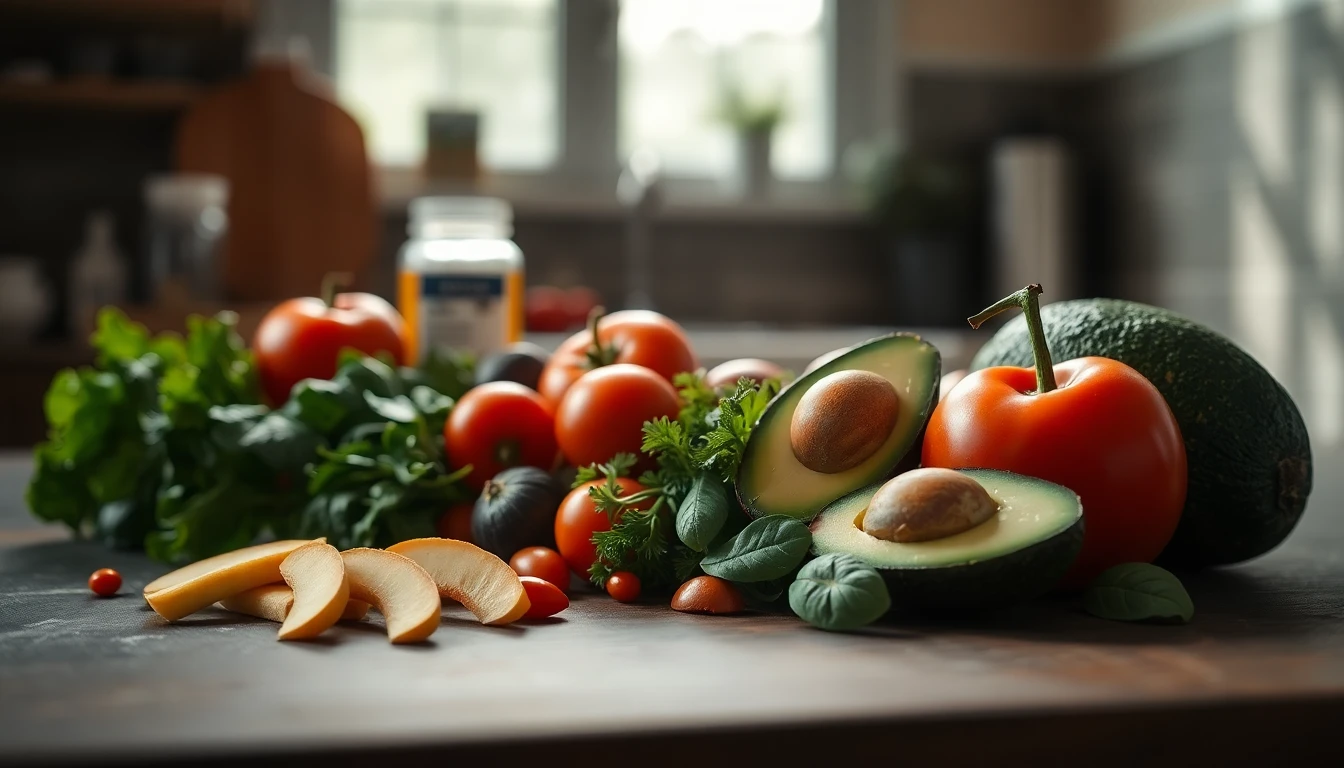
- Bananas and oranges — convenient fruit sources providing around 400mg per serving
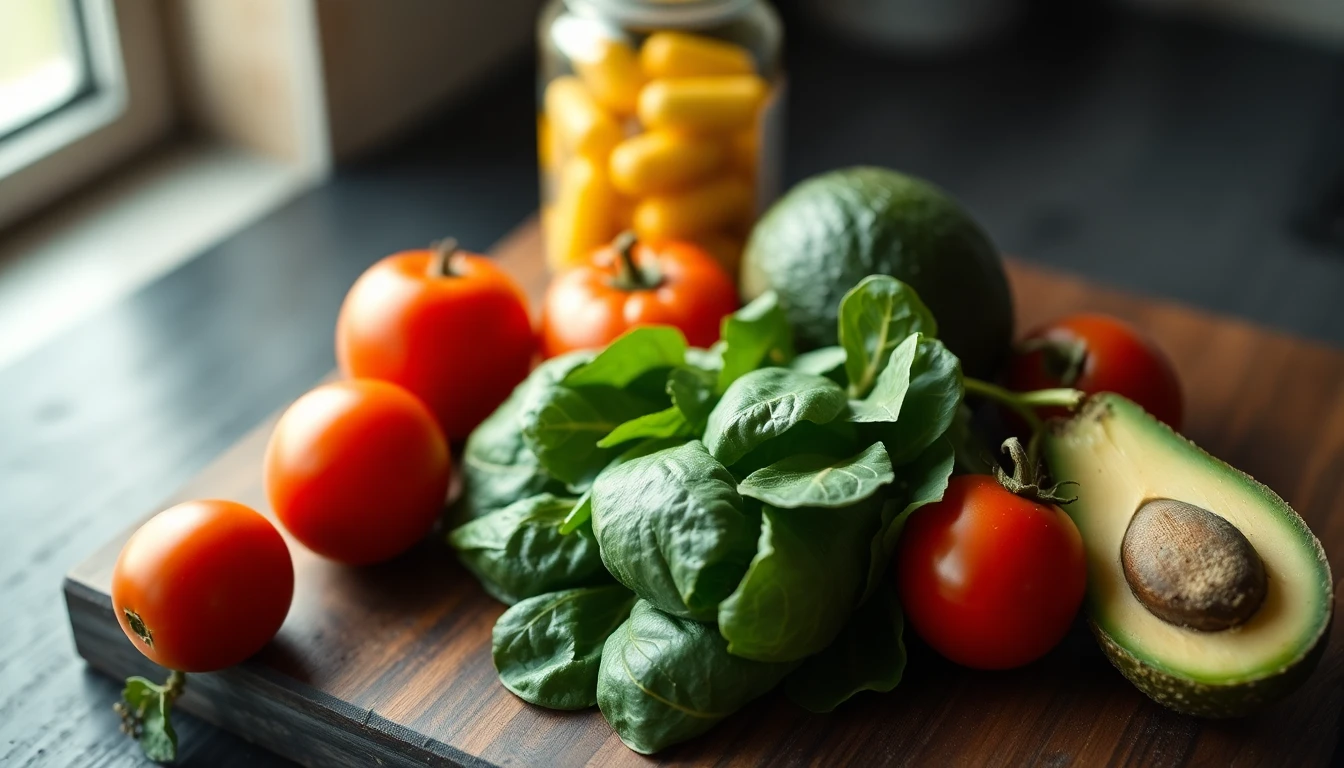
- Leafy greens — spinach, kale, and Swiss chard offer potassium plus heart-healthy folate
- Potatoes and sweet potatoes — particularly nutritious when baked with the skin on
- Beans and lentils — excellent plant-based protein with substantial potassium content
- Yoghurt and milk — dairy products provide potassium alongside calcium
- Tomatoes and tomato products — including passata and tomato juice
- Avocados — rich in potassium and heart-healthy monounsaturated fats
When to Monitor Potassium Intake
You should have your potassium levels checked regularly if you're taking beta blockers alongside ACE inhibitors or certain other medications. Signs that your potassium may be too high include muscle weakness, tingling sensations, and an irregular heartbeat. If you experience these symptoms, contact your GP promptly.
Salt substitutes often contain potassium chloride instead of sodium chloride, which can significantly increase your potassium intake. Check labels carefully and discuss their use with your doctor or pharmacist if you're on multiple heart medications.
Beta Blockers and Alcohol: Understanding the Risks
Alcohol and beta blockers can be a problematic combination. Both substances lower blood pressure, and together they can cause excessive drops that leave you feeling dizzy, lightheaded, or even cause you to faint. Alcohol also affects how your liver processes some beta blockers, potentially increasing their concentration in your blood.
Propranolol and carvedilol are particularly affected by alcohol because they're metabolised by the same liver enzymes. This can lead to higher medication levels in your system, intensifying side effects like fatigue, dizziness, and slow heart rate.
- Dizziness and fainting — the combined blood pressure lowering effect can be severe when standing up
- Increased fatigue — both alcohol and beta blockers can cause tiredness, which compounds when combined
- Worsened side effects — drowsiness, difficulty concentrating, and reduced coordination may be more pronounced
- Reduced medication effectiveness — alcohol can interfere with how well beta blockers control heart rate and blood pressure over time
Safe Approaches to Alcohol Consumption
If your doctor has cleared you to drink alcohol whilst on beta blockers, moderation is essential. The NHS recommends no more than 14 units per week for both men and women, spread across at least three days. On beta blockers, staying well below this limit is sensible.
Practical tips include avoiding alcohol during the first few weeks after starting beta blockers or adjusting your dose, eating food when drinking to slow alcohol absorption, staying well hydrated, and never drinking if you've experienced dizziness or fainting on your medication. Always sit or lie down if you feel lightheaded after drinking.
Beta Blockers and Caffeine: Managing Your Intake
The relationship between beta blockers and caffeine is somewhat paradoxical. Beta blockers slow your heart rate and reduce blood pressure, whilst caffeine does the opposite—it's a stimulant that can increase both. Some people taking beta blockers find they're more sensitive to caffeine's effects, whilst others notice caffeine seems to counteract their medication's benefits.
There's no absolute prohibition on caffeine whilst taking beta blockers, but understanding how your body responds is important. Some people find that caffeine triggers palpitations or anxiety more easily when on beta blockers, whilst others tolerate their usual intake without problems.
Caffeine Sources and Content
- Brewed coffee — 95mg caffeine per 240ml cup on average
- Espresso — 63mg per single shot
- Black tea — 47mg per 240ml cup
- Green tea — 28mg per 240ml cup
- Cola drinks — 34mg per 330ml can
- Energy drinks — 80-160mg per 250ml can
- Dark chocolate — 12mg per 28g serving
Finding Your Caffeine Balance
If you're starting beta blockers and you're a regular caffeine consumer, there's no need to quit abruptly—doing so can cause headaches and fatigue. Instead, monitor how you feel after your usual tea or coffee. If you notice increased heart palpitations, anxiety, or difficulty sleeping, consider gradually reducing your intake.
Many people find that limiting caffeine to morning hours and keeping to two or three cups of coffee or tea daily works well. Pay attention to hidden sources like chocolate, some pain relievers, and energy drinks. If you're unsure whether your symptoms relate to caffeine, try eliminating it for a week to see whether you notice improvements.
Other Important Beta Blockers Food Interactions
Beyond potassium, alcohol, and caffeine, several other dietary factors can influence how beta blockers work in your body.
Foods and Nutrients That Affect Beta Blockers
- Grapefruit and Seville oranges — these contain compounds that interfere with liver enzymes, though this affects calcium channel blockers and statins more significantly than most beta blockers
- High-fat meals — can increase the absorption of some beta blockers like propranolol, potentially intensifying effects
- Liquorice — excessive amounts can raise blood pressure and reduce potassium, potentially counteracting your medication
- Tyramine-rich foods — aged cheeses, cured meats, and fermented foods rarely cause issues with beta blockers alone, but can be problematic if you're also taking certain antidepressants
- Natural liquorice products — supplements and some herbal teas may affect blood pressure control
Nutritional Deficiencies to Monitor
Some research suggests that long-term beta blocker use may be associated with lower levels of coenzyme Q10, an antioxidant important for energy production in cells. Whilst the clinical significance remains debated, foods rich in CoQ10 include oily fish, organ meats, and whole grains.
Beta blockers can also mask the symptoms of low blood sugar, which is particularly important for people with diabetes. If you have diabetes and take beta blockers, maintaining regular meal times and monitoring blood glucose levels carefully is essential.
How FreshPlate Helps You Navigate Beta Blockers and Food
Managing medication-food interactions can feel overwhelming, particularly if you're taking multiple medicines or have dietary restrictions. FreshPlate was designed specifically to take this complexity off your plate—quite literally.
When you enter your medications into FreshPlate, including any beta blocker, our system automatically screens every recipe against known food-drug interactions. If you're taking propranolol, we'll prioritise recipes that align with taking your medication with food. If you're on multiple heart medications that affect potassium, we'll help you maintain appropriate potassium intake without excessive amounts.
The app also considers your complete health picture—if you have diabetes alongside heart disease, we'll flag recipes that support stable blood sugar whilst being heart-healthy. You'll receive personalised meal timing suggestions that work around your medication schedule, helping you maintain consistent routines that optimise how your medicines work.
Rather than searching through conflicting online information about whether you can eat a banana or have a glass of wine, FreshPlate gives you clear, personalised guidance based on your specific combination of medications and health conditions. It's like having a clinical pharmacist and dietitian available every time you plan a meal.
Frequently asked questions
Can I drink coffee while taking beta blockers?
+
Yes, most people can drink coffee whilst taking beta blockers, but caffeine may make some side effects like palpitations more noticeable. Start with your normal intake and reduce gradually if you experience increased heart symptoms or anxiety.
Should I avoid bananas on beta blockers?
+
No, bananas are generally fine unless you're also taking ACE inhibitors or potassium-sparing diuretics. Beta blockers alone don't significantly affect potassium levels. Check with your doctor if you're on multiple heart medications.
Can you drink alcohol with beta blockers?
+
Alcohol can be consumed in moderation with beta blockers, but both lower blood pressure, increasing the risk of dizziness and fainting. Limit intake and be cautious when standing up. Speak to your doctor about what's safe for your situation.
Do beta blockers need to be taken with food?
+
It depends on which beta blocker you take. Propranolol, metoprolol, and carvedilol are better taken with food, whilst atenolol and bisoprolol can be taken at any time. Check your patient information leaflet or ask your pharmacist.
What foods should I avoid on beta blockers?
+
There are no foods you must completely avoid on beta blockers alone. Moderate alcohol and caffeine, be cautious with salt substitutes containing potassium if on other heart medications, and avoid excessive liquorice products.
Sources
Did this answer your question?
Reece reads every reply. Questions we have not covered become new guides.
Eating around beta blockers shouldn’t be guesswork.
Get our free beta blockers food guide by email — the foods to watch, safe swaps, and meal ideas that work with your medication. One genuinely useful email a week — no spam, unsubscribe anytime.
Free forever. You'll also be first in line for the FreshPlate app — with a free trial at launch.