Drug-Food Interactions: 10 Common Medications Affected
Discover how your diet affects common medications. This pharmacist's guide explains drug-food interactions you need to know for safer, more effective treatment.

By Reece Douglas · Founder, FreshPlate
Every day, millions of people take prescription medications alongside their meals without realising that certain foods can dramatically alter how those drugs work in their body. Drug-food interactions occur when components in your diet interfere with how your medication is absorbed, metabolised, or eliminated—sometimes rendering treatments less effective, or worse, causing dangerous side effects.
As pharmacists, we frequently see patients experiencing unexpected symptoms or poor treatment outcomes that trace back to simple dietary choices. A morning grapefruit with your statin. A calcium-rich yoghurt with your antibiotic. A leafy green salad whilst on warfarin. These seemingly healthy choices can create significant problems when paired with the wrong medication.
This guide walks through ten of the most common medications affected by food, explaining the mechanisms behind these interactions and providing practical guidance for managing your diet alongside your prescriptions. Understanding these interactions isn't about eliminating healthy foods—it's about timing, moderation, and making informed choices that support both your nutrition and your treatment goals.
Understanding How Drug-Food Interactions Happen
Before diving into specific medications, it's helpful to understand the mechanisms by which food affects drugs. These interactions generally fall into three categories: absorption interference, metabolic pathway changes, and pharmacodynamic effects.
Absorption interference occurs when food components physically bind to medication molecules in your digestive tract, preventing them from entering your bloodstream. Calcium and iron are classic culprits here, forming insoluble complexes with certain antibiotics that pass through your system without being absorbed.
Metabolic interactions involve food affecting the enzymes responsible for breaking down medications in your liver and intestines. The cytochrome P450 enzyme system, particularly CYP3A4, metabolises roughly half of all medications. Grapefruit famously inhibits this enzyme, causing drug levels to spike unexpectedly.
Pharmacodynamic interactions occur when nutrients in food have effects that either amplify or oppose your medication's action. Vitamin K in leafy greens opposes warfarin's blood-thinning effects, whilst tyramine in aged cheeses can trigger dangerous blood pressure spikes in people taking certain antidepressants.
Statins and Grapefruit: The Classic Drug-Food Interaction
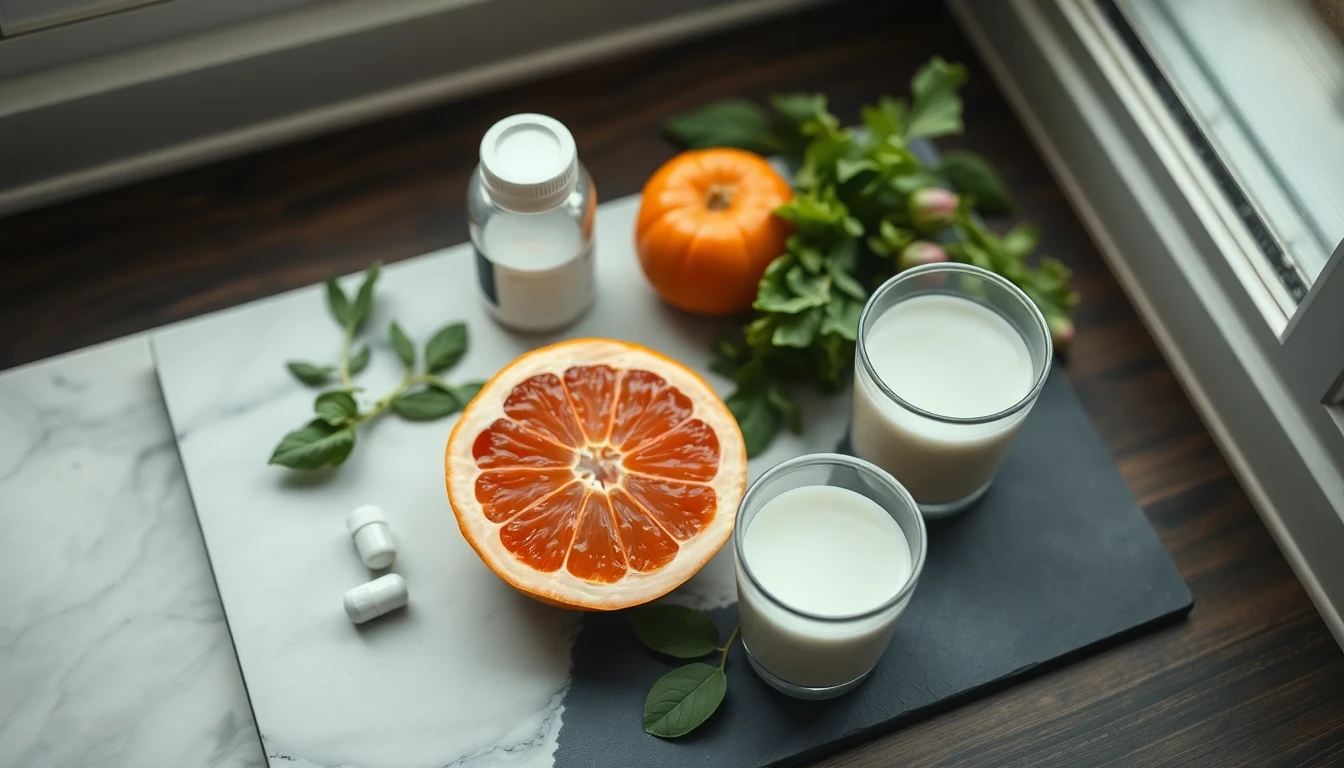
Statins like atorvastatin and simvastatin are amongst the most commonly prescribed medications for lowering cholesterol. Grapefruit and grapefruit juice contain compounds called furanocoumarins that irreversibly block the CYP3A4 enzyme responsible for metabolising these drugs.
When this enzyme is inhibited, statin levels in your bloodstream can increase dramatically—sometimes by 200-300%—raising the risk of muscle pain, weakness, and in rare cases, rhabdomyolysis, a dangerous condition where muscle tissue breaks down. The effect is dose-dependent and can last for 24 hours or more after consuming grapefruit.
Practical Guidance for Statin Users
If you're taking a statin affected by grapefruit, you don't necessarily need to eliminate all citrus from your diet. The key is understanding which statins are most affected and making appropriate substitutions.
- Most affected — Simvastatin and atorvastatin show the strongest grapefruit interactions
- Moderately affected — Lovastatin should be used cautiously with grapefruit
- Minimal interaction — Pravastatin, rosuvastatin, and fluvastatin are safer alternatives if you regularly consume grapefruit
- Safe citrus options — Oranges, lemons, limes, and tangerines do not contain significant amounts of furanocoumarins
- Timing matters — Even avoiding grapefruit for several hours before or after your medication may not prevent interactions due to the long-lasting enzyme inhibition
Warfarin and Vitamin K: Balancing Blood Thinning and Nutrition
Warfarin remains a widely prescribed anticoagulant despite newer alternatives. It works by inhibiting vitamin K-dependent clotting factors in your liver. The challenge is that vitamin K in your diet directly opposes this mechanism—more vitamin K means less anticoagulation effect.
This interaction has led to decades of confusing advice, with some patients told to avoid all green vegetables. Modern guidance recognises this approach is unnecessarily restrictive and potentially harmful, as it eliminates foods rich in essential nutrients, fibre, and protective compounds.
The Consistency Approach
Rather than avoiding vitamin K-rich foods, the current best practice is maintaining consistent intake. Your warfarin dose is calibrated to your typical diet, so sudden large increases or decreases in vitamin K can destabilise your INR (International Normalised Ratio).
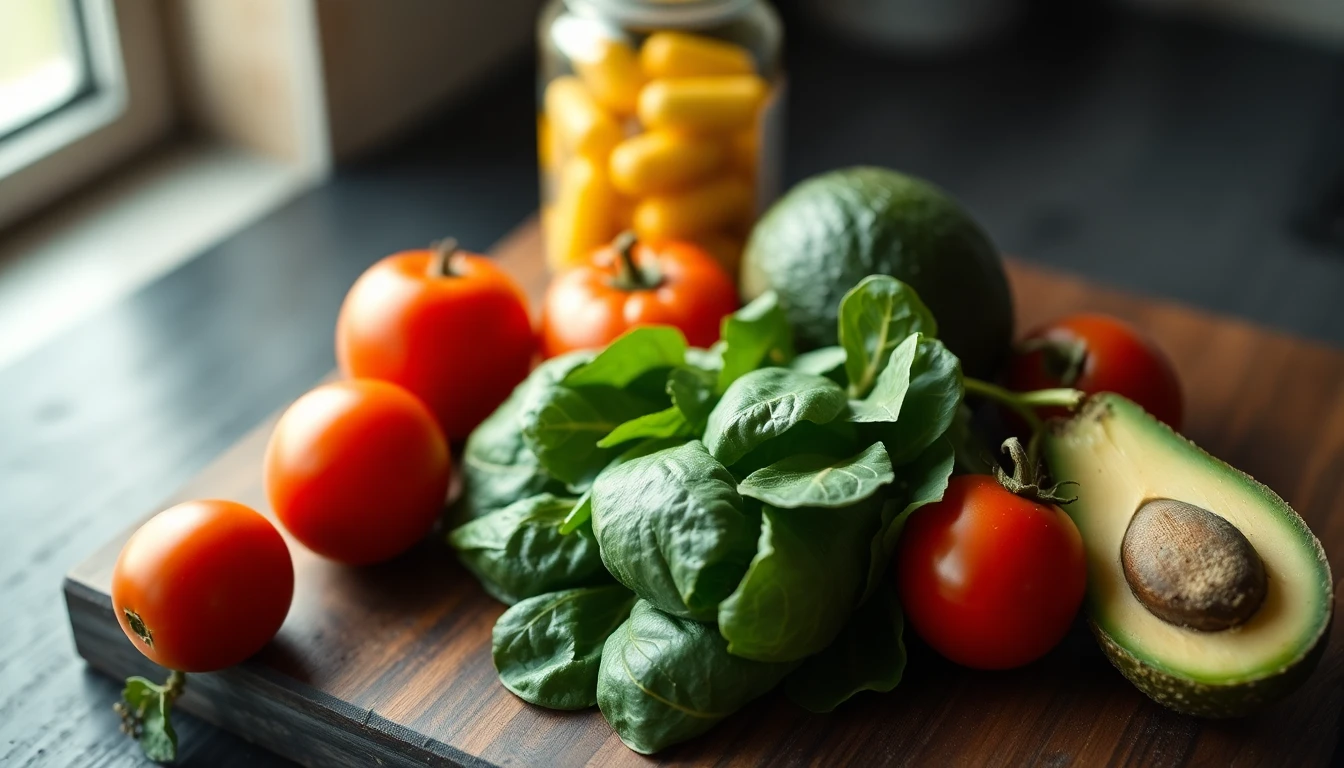
- High vitamin K foods — Kale, spinach, spring greens, Brussels sprouts, broccoli, and cabbage contain substantial amounts
- Moderate sources — Lettuce, green beans, and asparagus provide moderate vitamin K
- Consistency is key — Eat similar amounts of these foods week to week rather than avoiding them entirely
- Large changes — If you significantly increase leafy green intake, inform your anticoagulation clinic so they can monitor and adjust your dose
- Herbal supplements — Green tea extract, vitamin K supplements, and some multivitamins can provide concentrated doses that significantly affect warfarin
Antibiotics: Calcium, Dairy, and Absorption Issues
Several classes of antibiotics form chemical complexes with minerals, particularly calcium, magnesium, and iron. Tetracyclines and fluoroquinolones are the most commonly affected, with absorption reduced by 50-90% when taken alongside dairy products, calcium-fortified foods, or mineral supplements.
This interaction is purely about timing and physical chemistry. The minerals bind to the antibiotic molecule in your stomach and intestines, creating a compound too large to be absorbed through the intestinal wall. The result is that your antibiotic passes through your system without reaching therapeutic levels in your bloodstream.
- Tetracyclines — Doxycycline and tetracycline should be taken 2 hours before or 6 hours after dairy products, antacids, or iron supplements
- Fluoroquinolones — Ciprofloxacin and levofloxacin require similar spacing from calcium-rich foods and supplements
- Problematic foods — Milk, yoghurt, cheese, calcium-fortified plant milks, and calcium-fortified orange juice
- Mineral supplements — Multivitamins containing calcium, magnesium, iron, or zinc should be separated from these antibiotics
- Safe timing — Take your antibiotic with water on an empty stomach, or if food is needed, choose options low in minerals like plain bread or crackers
ACE Inhibitors and Potassium: Managing Electrolyte Balance
ACE inhibitors like ramipril and lisinopril are first-line treatments for high blood pressure and heart failure. These medications work partly by reducing potassium excretion through your kidneys, which means your body retains more potassium than usual.
For most people, this slight potassium retention is beneficial or neutral. However, consuming large amounts of high-potassium foods or taking potassium supplements whilst on ACE inhibitors can lead to hyperkalaemia—dangerously elevated blood potassium levels that can cause irregular heartbeats and other serious complications.
Monitoring Potassium Intake
You don't need to follow a low-potassium diet on ACE inhibitors, but awareness of high-potassium foods and moderation is important, especially if you have kidney disease or take other medications that affect potassium levels.
- Very high potassium foods — Bananas, potatoes, sweet potatoes, tomatoes, spinach, avocados, and dried fruits
- Salt substitutes — Many contain potassium chloride instead of sodium chloride and can significantly increase intake
- Portion awareness — Moderate portions of high-potassium foods are generally safe; it's excessive amounts that create risk
- Regular monitoring — Your GP should check your potassium levels periodically, especially when starting treatment or adjusting doses
- Avoid supplements — Unless specifically prescribed, potassium supplements and high-dose multivitamins should be avoided
Levothyroxine and Dietary Interference
Levothyroxine, used to treat hypothyroidism, is notoriously sensitive to dietary interference. Multiple food components can bind to the medication or affect its absorption, potentially leaving you symptomatic despite treatment.
The standard advice is to take levothyroxine on an empty stomach, typically first thing in the morning at least 30-60 minutes before breakfast. This timing maximises absorption and minimises interaction with food.
- Coffee and tea — Can reduce levothyroxine absorption by up to 55%; wait at least 30 minutes after your dose
- Calcium-fortified foods — Including plant milks and fortified cereals, should be separated from your dose by several hours
- Soya products — May interfere with absorption; consistent timing helps maintain stable levels
- Iron supplements — Must be taken at least 4 hours apart from levothyroxine
- Fibre-rich meals — High-fibre foods can reduce absorption; consistency in breakfast timing and composition helps maintain stable thyroid levels
MAOIs and Tyramine: A Potentially Dangerous Interaction
Monoamine oxidase inhibitors (MAOIs) like phenelzine are older antidepressants that require strict dietary restrictions. They work by blocking the enzyme that breaks down tyramine, a compound naturally present in aged, fermented, and processed foods.
When tyramine accumulates in your system, it can cause a sudden, severe spike in blood pressure—a potentially life-threatening hypertensive crisis characterised by severe headache, nausea, rapid heartbeat, and in extreme cases, stroke. Whilst MAOIs are less commonly prescribed today, understanding this interaction is crucial for anyone taking them.
- Aged cheeses — Particularly strong varieties like mature cheddar, stilton, and parmesan
- Cured and processed meats — Salami, chorizo, pepperoni, and other aged or fermented meats
- Fermented soya products — Soy sauce, miso, and tempeh contain high tyramine levels
- Alcoholic beverages — Particularly beer, red wine, and vermouth
- Yeast extracts — Marmite, Bovril, and similar products should be avoided
- Overripe fruit — As fruit ages, tyramine content increases; avoid overripe bananas and avocados
Metformin and Vitamin B12 Absorption
Metformin is the most commonly prescribed medication for type 2 diabetes. Whilst not a traditional drug-food interaction, long-term metformin use is associated with reduced vitamin B12 absorption, affecting up to 30% of users over several years.
The mechanism isn't fully understood but likely involves changes in calcium-dependent B12 absorption in the small intestine. The result can be gradual depletion of B12 stores, potentially leading to anaemia, nerve damage, and cognitive changes if left unaddressed.
- Regular monitoring — Annual B12 testing is recommended for long-term metformin users
- Dietary sources — Meat, fish, eggs, and dairy products provide natural B12; those on plant-based diets face higher risk
- Supplementation — If levels drop, B12 supplements or fortified foods can help; higher doses may be needed to overcome absorption issues
- Calcium consideration — Ensuring adequate calcium intake may help support B12 absorption
- Duration matters — Risk increases with longer duration of metformin use and higher doses
Proton Pump Inhibitors: Nutrient Absorption Concerns
Proton pump inhibitors (PPIs) like omeprazole and lansoprazole reduce stomach acid to treat reflux and ulcers. However, stomach acid plays crucial roles in nutrient absorption, particularly for vitamin B12, magnesium, calcium, and iron.
Long-term PPI use—especially beyond the recommended short courses—can lead to multiple nutrient deficiencies. The reduced acid environment impairs the release of these nutrients from food and affects their absorption in the small intestine.
- Vitamin B12 — Requires stomach acid to separate from food proteins; long-term PPI users may need monitoring and supplementation
- Magnesium — Severe deficiency can develop, causing muscle cramps, irregular heartbeat, and seizures in extreme cases
- Calcium and bone health — Reduced calcium absorption may increase fracture risk with long-term use
- Iron — Non-haem iron from plant sources requires acid for absorption; consider vitamin C-rich foods to enhance uptake
- Review duration — Many people take PPIs longer than necessary; regular GP review can determine if continued use is warranted
How FreshPlate Handles Drug-Food Interactions
Keeping track of drug-food interactions whilst eating well can feel like a lot. You shouldn't have to become a pharmacology expert to cook with your medicines in mind.
When you add your medicines to FreshPlate, by brand or generic name from the NHS's own medicines list, every recipe the app generates is built around your list. The app reads each medicine by its active ingredient, so a brand such as Lipitor gets the atorvastatin rules. The For you tab on every recipe and meal lists your medicines. For about 170 of them so far, it opens the NHS or US FDA words about food, quoted word for word, with a link to the checker page. For the rest, some common ones included, it tells you there is no advice on file yet and points you to your pharmacist.
A few interactions are hard blocks, such as grapefruit with certain statins, clopidogrel, amlodipine, ciclosporin and tacrolimus, or alcohol with metronidazole, tinidazole, methotrexate and disulfiram. Everything else is advisory. Warfarin is handled as "keep vitamin K steady", not "avoid greens".
If you'd like to look up a medicine before you add it, the free food–medication interaction checker on the website lets you type a medication or its brand name and see the foods to watch in seconds: /website/tools/food-medication-checker/. And whatever you read, your pharmacist or prescriber is the right person to ask about your own medicines.
Frequently asked questions
Can I drink coffee whilst taking medication?
+
It depends on your medication. Coffee can reduce absorption of levothyroxine, some antibiotics, and osteoporosis medications. It may also increase effects of stimulants and certain asthma medications. Generally, taking medication with water and waiting 30-60 minutes before coffee is safest, but check your specific medication's guidance.
What foods should I avoid with blood pressure medication?
+
With ACE inhibitors or ARBs, moderate high-potassium foods and avoid salt substitutes containing potassium. With calcium channel blockers, limit grapefruit. Always avoid excessive alcohol with any blood pressure medication as it can enhance the blood-pressure-lowering effect and cause dizziness.
How long should I wait between taking medication and eating?
+
This varies by medication. Some require 30-60 minutes before food (like levothyroxine), others need 2 hours before or 6 hours after food (like some antibiotics with dairy). Some work best with food to reduce stomach upset. Always check your medication's specific instructions or ask your pharmacist.
Does alcohol interact with all medications?
+
Alcohol interacts with many medications but not all. It's particularly dangerous with metronidazole, certain antidepressants, benzodiazepines, opioid painkillers, and warfarin. Even moderate alcohol can enhance drowsiness from antihistamines or reduce effectiveness of antibiotics. Always check your specific medication guidance.
Are drug-food interactions always dangerous?
+
Not always dangerous, but they can range from reducing medication effectiveness to causing serious side effects. Some interactions simply require timing adjustments (like separating antibiotics from dairy), whilst others require complete avoidance (like grapefruit with certain statins). Severity depends on the specific drug-food combination and individual factors.
Sources
Did this answer your question?
Reece reads every reply. Questions we have not covered become new guides.
Eating around drug interactions shouldn’t be guesswork.
Get our free drug interactions food guide by email — the foods to watch, safe swaps, and meal ideas that work with your medication. One genuinely useful email a week — no spam, unsubscribe anytime.
Free forever. You'll also be first in line for the FreshPlate app — with a free trial at launch.