Cholesterol-Lowering Foods: The Portfolio Diet Explained
Discover the Portfolio Diet's four cholesterol-lowering foods that can reduce LDL by up to 30%. NHS-endorsed approach using plant sterols, fibre, and more.

By Reece Douglas · Founder, FreshPlate
Listen to this article
Cholesterol-Lowering Foods: The Portfolio Diet Explained
If you've been told your cholesterol levels are high, you're far from alone. Roughly 60% of adults in the UK have raised cholesterol, putting them at increased risk of heart disease and stroke. While statins remain the most common medical intervention, there's compelling evidence that specific cholesterol-lowering foods can make a substantial difference—sometimes reducing LDL (the 'bad' cholesterol) by as much as 30%.
The Portfolio Diet, developed by researchers at the University of Toronto and endorsed by organisations including the NHS, isn't a fad. It's a scientifically validated eating pattern built around four key food groups that work together to lower cholesterol naturally. In this guide, we'll explain exactly what these foods are, how they work, and how to incorporate them into your daily routine without overhauling your entire life.
What Is the Portfolio Diet?
The Portfolio Diet was developed in the early 2000s by Dr David Jenkins and his team at the University of Toronto. Unlike restrictive diets that focus on what you can't eat, the Portfolio approach centres on adding specific cholesterol-lowering foods to your meals. The name 'portfolio' reflects the idea that you're building a collection of complementary foods, each contributing to your overall cholesterol management.
Clinical trials have shown that following the Portfolio Diet can reduce LDL cholesterol by 20-30% in just four weeks—comparable to taking a low-dose statin. The diet has been endorsed by the NHS, the British Heart Foundation, and appears in NICE guidelines as a dietary approach for cardiovascular risk reduction.
The Portfolio Diet is built on four cornerstone food groups, each with a distinct mechanism for lowering cholesterol. You don't need to eat massive quantities or adopt an all-or-nothing approach. Research suggests that even partial adherence—incorporating two or three of the four components—delivers measurable benefits.
The Four Cholesterol-Lowering Foods in the Portfolio Diet
Understanding how each food group works helps you make informed choices and explains why this combination is so effective. Let's break down the science behind each pillar.
Plant Sterols and Stanols
Plant sterols (also called phytosterols) and stanols are naturally occurring compounds found in plant cell membranes. They're structurally similar to cholesterol, and this similarity is key to how they work. When you consume plant sterols, they compete with dietary cholesterol for absorption in your intestines. Less cholesterol absorbed means less circulating in your bloodstream.
The recommended daily intake is 2g of plant sterols or stanols. While they occur naturally in nuts, seeds, vegetable oils, and whole grains, it's difficult to reach therapeutic doses through these sources alone. That's why many people turn to fortified foods.
- Fortified spreads — Brands like Benecol and Flora ProActiv contain added plant sterols and stanols. Two servings daily typically provide the recommended 2g
- Fortified yoghurt drinks — Small bottles designed to be consumed once daily alongside meals
- Natural sources — Sesame seeds, sunflower seeds, wheat germ, and pine nuts contain modest amounts
- Usage tip — Plant sterols work best when consumed with meals containing fat, as this is when cholesterol absorption occurs
Soluble Fibre
Soluble fibre dissolves in water to form a gel-like substance in your digestive tract. This gel binds to cholesterol-containing bile acids and carries them out of your body. Your liver then has to pull cholesterol from your bloodstream to make more bile acids, effectively lowering your blood cholesterol levels.
The target is 18g of soluble fibre daily—significantly more than most people currently consume. The good news is that soluble fibre-rich foods are versatile and filling.
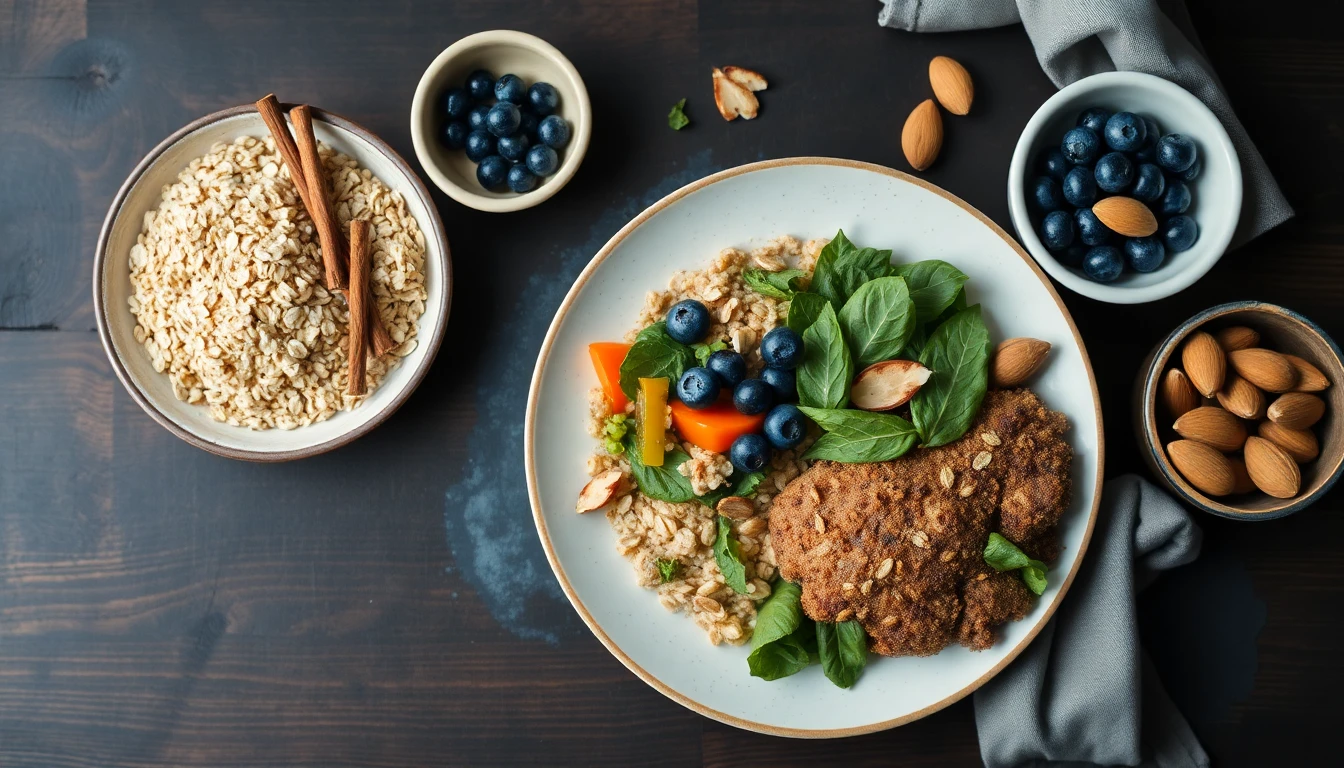
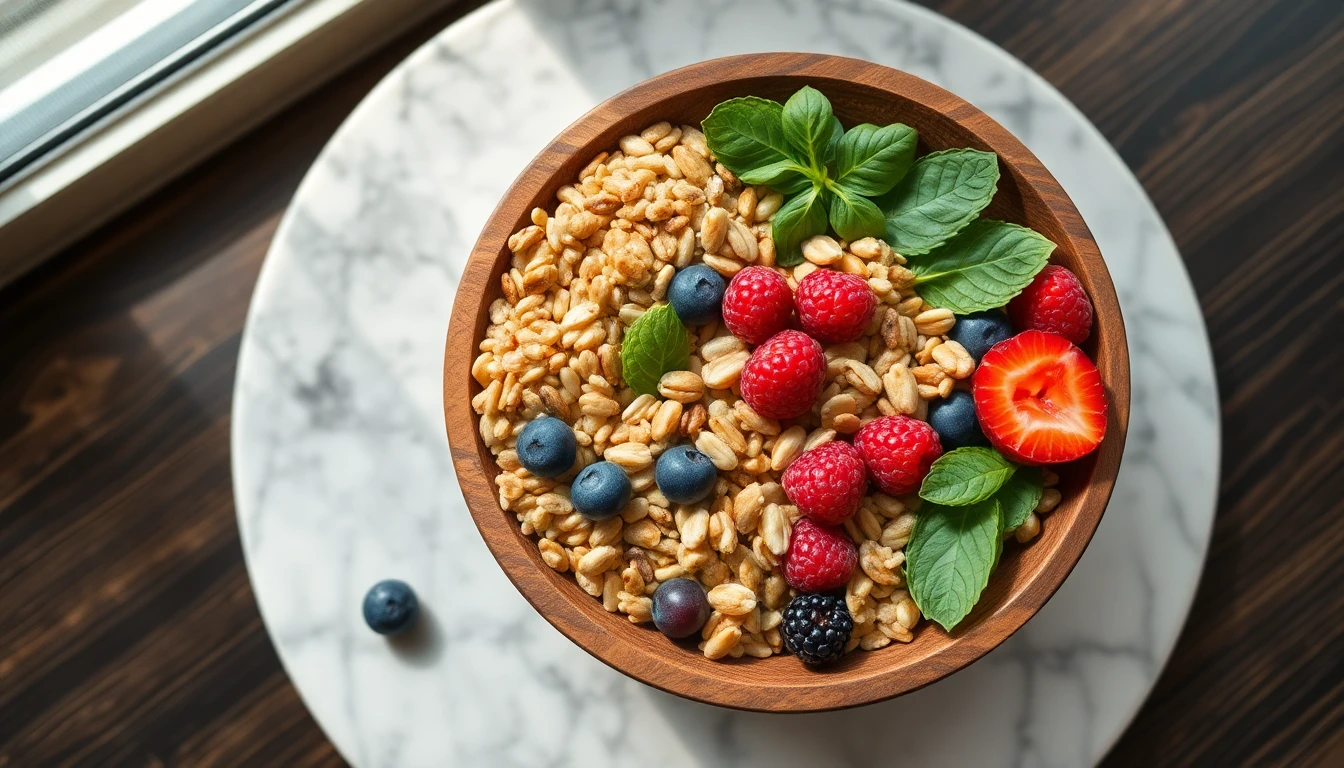
- Oats and barley — Beta-glucan, the specific soluble fibre in oats, is exceptionally effective. Porridge, overnight oats, or oat-based cereals are excellent breakfast options
- Pulses — Lentils, chickpeas, black beans, and kidney beans are loaded with soluble fibre. A single portion of lentil soup or chickpea curry makes a significant contribution
- Aubergine — Contains pectin, another form of soluble fibre. Roasted, grilled, or in curries
- Okra — The 'sliminess' is actually soluble fibre. Works beautifully in stews and stir-fries
- Psyllium husk — A concentrated source often used as a supplement, though whole food sources are generally preferred
Nuts
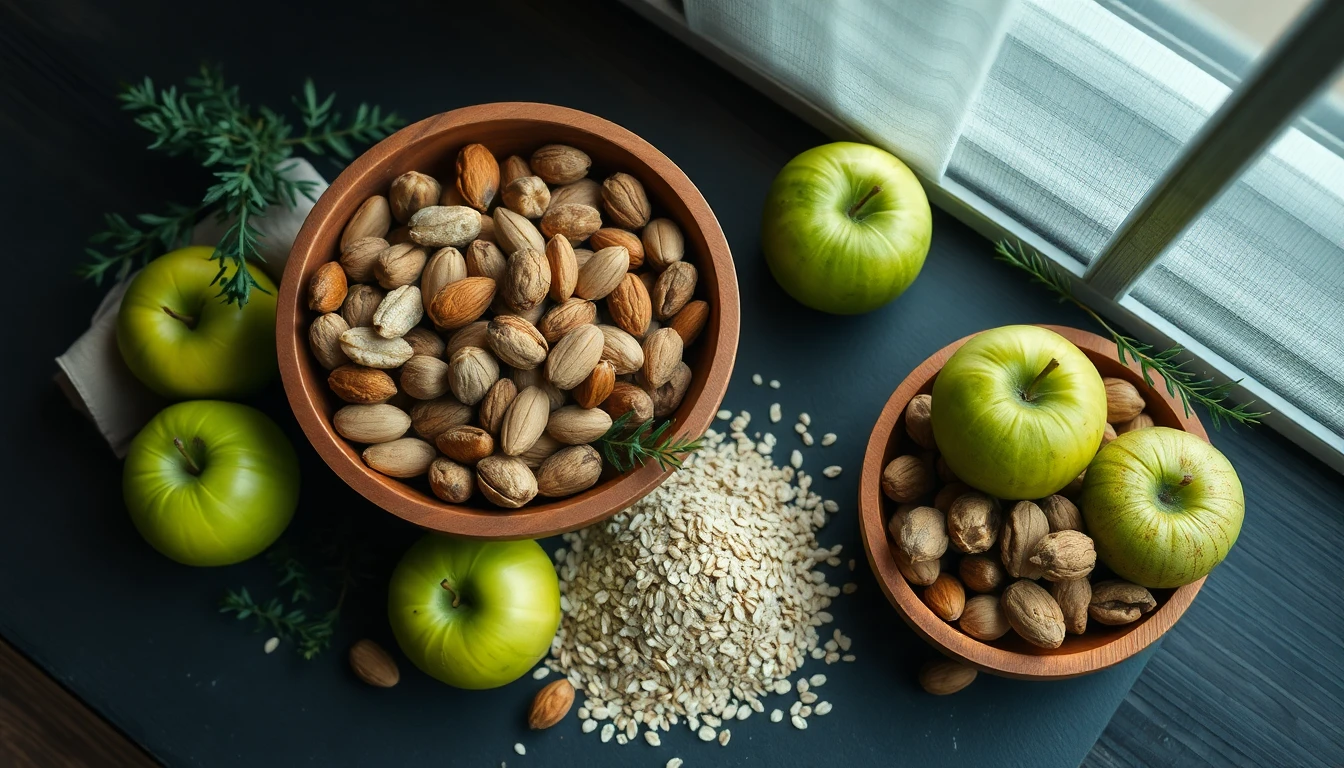
A daily handful of nuts—about 45g—has been shown to reduce LDL cholesterol by approximately 5%. Nuts are rich in monounsaturated and polyunsaturated fats, plant sterols, fibre, and various bioactive compounds that support cardiovascular health. They also help you feel full, which can prevent less healthy snacking.
Almonds have been most extensively studied, but most tree nuts offer similar benefits.
- Almonds — 23 almonds equals roughly 45g. Eat them plain, add to porridge, or use almond butter
- Walnuts — Particularly rich in omega-3 alpha-linolenic acid (ALA), which has additional heart benefits
- Cashews and pistachios — Equally effective and versatile in cooking
- Important note — Choose unsalted varieties to avoid excess sodium. Raw or dry-roasted nuts retain more nutrients than those roasted in oil
Soy Protein
Replacing some animal protein with soy protein can modestly reduce LDL cholesterol. While the effect isn't as dramatic as once thought, soy remains a valuable part of the Portfolio Diet. The recommended amount is about 25g of soy protein daily, which typically means two servings of soy-based foods.
Importantly, you're not required to eliminate meat or dairy entirely—the Portfolio Diet simply encourages substitution where practical.
- Tofu — Firm tofu works well in stir-fries, scrambles, and grilled dishes. A 100g serving provides about 8g protein
- Edamame beans — Fresh or frozen soya beans, excellent as a snack or added to salads
- Soya mince — A convenient meat substitute in Bolognese, chilli, or shepherd's pie
- Soya milk — Choose unsweetened fortified versions for use in tea, coffee, and cereals. A 250ml glass typically contains 6-8g protein
- Tempeh — Fermented soya with a firmer texture and nutty flavour, brilliant for marinating and grilling
Building Your Daily Portfolio Diet Meals
The Portfolio Diet isn't about rigid meal plans—it's about understanding the principles and applying them flexibly. Here's how the four components might look across a typical day.
Breakfast could be porridge made with soya milk, topped with a handful of chopped walnuts and sliced apple. That covers soluble fibre, soy protein, and nuts. Mid-morning, you might have a fortified yoghurt drink (plant sterols).
Lunch might feature a substantial lentil and vegetable soup with barley, served with oatcakes spread with plant sterol margarine. Dinner could include a tofu and vegetable stir-fry with cashews, or a bean chilli served with brown rice.
Snacks are straightforward: a small handful of almonds, carrot sticks with hummus (chickpeas provide soluble fibre), or edamame beans.
- Practicality is key — You don't need to hit all four components at every meal. Spreading them across the day works perfectly well
- Batch cooking helps — Make large portions of bean-based stews, soups, or curries and freeze in portions
- Gradual changes stick better — Start by adding one or two components, then build up as these become habitual
- Continue taking prescribed medication — The Portfolio Diet complements statins and other cholesterol medications; never stop prescribed treatment without consulting your doctor
Evidence and Effectiveness: What the Research Shows
The Portfolio Diet isn't based on anecdote or trend—it's supported by rigorous clinical trials. The original 2003 study published in the Journal of the American Medical Association found that participants following the Portfolio Diet for four weeks reduced their LDL cholesterol by 29%, comparable to the effect of taking a first-generation statin.
Subsequent research has confirmed these findings. A 2011 meta-analysis in the European Heart Journal showed an average LDL reduction of 13% with Portfolio Diet adherence, with greater reductions in those who followed the diet more strictly. Importantly, the diet also improved other cardiovascular risk markers, including C-reactive protein (a marker of inflammation) and blood pressure.
The Portfolio Diet has been incorporated into guidelines from organisations including the European Society of Cardiology and appears in NHS resources for managing high cholesterol. It's recognised as a first-line dietary approach for people with elevated LDL cholesterol who wish to try dietary modification before or alongside medication.
It's worth noting that individual responses vary. Some people experience dramatic improvements; others see more modest changes. Genetics, baseline cholesterol levels, and overall diet quality all play roles. However, even modest LDL reductions translate to meaningful decreases in cardiovascular risk over time.
Potential Challenges and Practical Solutions
While the Portfolio Diet is effective, it does require more deliberate meal planning than simply eating whatever's convenient. Here are common challenges and realistic solutions.
- Cost concerns — Nuts and fortified products can be expensive. Buy nuts in larger quantities from wholesalers, choose own-brand fortified spreads, and remember that pulses and oats are among the most economical foods available
- Soy concerns — Some people worry about soy and hormones. Current evidence shows that moderate soy consumption (the amounts in the Portfolio Diet) is safe for the vast majority of people, including men and those with thyroid conditions, provided thyroid medication timing is considered
- Digestive adjustment — Rapidly increasing fibre intake can cause bloating and discomfort. Increase gradually over two to three weeks and drink plenty of water
- Taste preferences — If you dislike tofu, try tempeh or edamame instead. If you find plant sterol spreads unpalatable, fortified yoghurt drinks might suit better. The diet is flexible
- Eating out — Choose bean-based dishes, request extra vegetables, opt for nut-topped salads, and don't stress about occasional meals that don't fit the pattern perfectly
How FreshPlate Supports Your Cholesterol Management
At FreshPlate, we understand that managing cholesterol through diet can feel overwhelming, especially when you're juggling other health conditions or medications. That's exactly why we built the app: to take some of the planning off your plate.
For medical conditions, FreshPlate steers rather than prescribes. Recipes lean towards what public UK guidance (NHS, BDA) says suits the condition, and the app never claims to treat, prevent or cure anything. Every recipe has a For you tab that shows what was checked for you, why the recipe suits your goal and conditions, and whether it fits what is left of your day.
If you take medication, every recipe the app generates is built around your own medication list, and the For you tab lists your medicines. Where we have food advice on file, it opens the NHS or US FDA wording on food, quoted word for word, with a link to the interaction checker page. Where we don't, it says so and points you to your pharmacist. A few interactions are hard blocks, and everything else is advisory. Warfarin is handled as "keep vitamin K steady", not "avoid greens", and you can read more in our consistent vitamin K intake guide. If you have fatal allergens, we treat them with zero tolerance, and if you have cultural or religious food preferences, recipes respect them.
The goal is simple: nutrition that fits into your life, without turning meal planning into a second job. For advice on your own cholesterol and medicines, your GP or pharmacist is the right person to ask.
Frequently asked questions
Can the Portfolio Diet replace statins for lowering cholesterol?
+
The Portfolio Diet can achieve LDL reductions comparable to low-dose statins in some people, but it should not replace prescribed medication without medical supervision. Many people use the diet alongside statins for additive benefits. Always consult your GP before making changes to your medication.
How quickly will I see cholesterol improvements on the Portfolio Diet?
+
Clinical studies show measurable LDL reductions within two to four weeks of following the Portfolio Diet. However, individual responses vary based on genetics, baseline cholesterol levels, and how closely you follow the dietary recommendations. Your GP can monitor progress with blood tests.
Do I need to follow the Portfolio Diet perfectly to see benefits?
+
No. Research shows that even partial adherence—incorporating two or three of the four food components—provides measurable cholesterol-lowering benefits. The more consistently you include these foods, the greater the effect, but perfection isn't required.
Are plant sterols safe to consume long-term?
+
Yes, plant sterols and stanols are considered safe for long-term daily consumption at recommended doses (2g per day). They've been extensively studied and are endorsed by cardiovascular health organisations worldwide. They may slightly reduce absorption of fat-soluble vitamins, so eating plenty of fruits and vegetables is advisable.
Can I follow the Portfolio Diet if I'm vegetarian or vegan?
+
Absolutely. The Portfolio Diet is naturally plant-based and aligns perfectly with vegetarian and vegan eating patterns. In fact, it may be easier to follow since you're likely already familiar with soy products and pulses. Just ensure you're meeting other nutritional needs like B12, iron, and omega-3s.
Sources
Did this answer your question?
Reece reads every reply. Questions we have not covered become new guides.
The right foods make living with cholesterol easier.
Get our free cholesterol food guide by email — what to eat more of, what to limit, and simple meals that support you day to day. One genuinely useful email a week — no spam, unsubscribe anytime.
Free forever. You'll also be first in line for the FreshPlate app — with a free trial at launch.