AIP Diet UK: Autoimmune Protocol Beginner's Guide
Complete UK guide to the Autoimmune Protocol (AIP) diet: elimination phase, reintroduction steps, British food swaps, and evidence for autoimmune conditions.

By Reece Douglas · Founder, FreshPlate
Listen to this article
AIP Diet UK: Autoimmune Protocol Beginner's Guide
If you're living with an autoimmune condition like rheumatoid arthritis, Hashimoto's thyroiditis, or inflammatory bowel disease, you've likely heard about the Autoimmune Protocol diet. The AIP diet UK approach follows the same principles as the original protocol but adapts to British food availability, shopping habits, and cultural preferences.
The Autoimmune Protocol is more than just another elimination diet. It's a therapeutic approach designed to reduce systemic inflammation, support gut health, and help you identify which foods may be triggering your immune response. While the initial elimination phase can feel restrictive, many people with autoimmune conditions report significant improvements in symptoms, energy levels, and quality of life. This guide will walk you through every stage of the AIP diet, with practical tips tailored specifically for UK readers.
What Is the AIP Diet and How Does It Work?
The Autoimmune Protocol diet is a therapeutic elimination diet developed to address the underlying dietary factors that may contribute to autoimmune disease progression. It's based on the premise that certain foods can increase intestinal permeability (often called 'leaky gut'), trigger immune responses, and promote systemic inflammation in susceptible individuals.
The diet works in two distinct phases: a strict elimination phase where potentially inflammatory foods are removed, followed by a careful reintroduction phase where foods are added back one at a time to assess individual tolerance. Unlike permanent dietary restrictions, AIP is designed to be a diagnostic tool that helps you understand your personal triggers.
The protocol focuses heavily on nutrient density, encouraging consumption of organ meats, bone broth, fermented foods, and a wide variety of vegetables. This isn't simply about what you remove, but equally about what you add to support immune regulation and gut healing.
The Science Behind AIP
Research into the AIP diet remains limited but growing. A 2017 study published in Inflammatory Bowel Diseases found that participants with inflammatory bowel disease who followed AIP achieved clinical remission and improved quality of life. Another study in 2019 examining women with Hashimoto's thyroiditis showed significant reductions in inflammation markers and symptom severity after following the protocol.
The theoretical framework draws from research on intestinal permeability, the gut microbiome, and food-immune system interactions. Certain foods contain compounds like lectins, saponins, and gluten that may compromise gut barrier function in susceptible individuals, potentially triggering or exacerbating autoimmune responses.
The AIP Elimination Phase: What to Eat and Avoid
The elimination phase typically lasts between 30 and 90 days, though some practitioners recommend continuing until you experience noticeable symptom improvement. During this time, you'll remove foods known to commonly trigger immune and inflammatory responses.
Foods to Eliminate
The elimination list is extensive and includes several food categories:
- Grains and pseudo-grains — all wheat, oats, rice, quinoa, buckwheat, and corn products
- Legumes — beans, lentils, peas, peanuts, and soya products including tofu
- Dairy products — all milk, cheese, yoghurt, butter, and cream from any animal source
- Eggs — both whites and yolks are excluded during elimination
- Nightshade vegetables — tomatoes, peppers, aubergines, potatoes, and chilli peppers
- Nuts and seeds — all tree nuts, peanuts, and seeds including coffee and cocoa
- Processed sugars — refined sugars, though small amounts of honey and maple syrup are permitted
- Industrial seed oils — rapeseed, sunflower, vegetable, and corn oils
- Alcohol and NSAIDs — all alcoholic beverages and non-steroidal anti-inflammatory medications where medically appropriate
- Food additives — emulsifiers, thickeners, and artificial sweeteners
Foods to Enjoy
Despite the extensive elimination list, there remains a wide variety of nutrient-dense foods available:
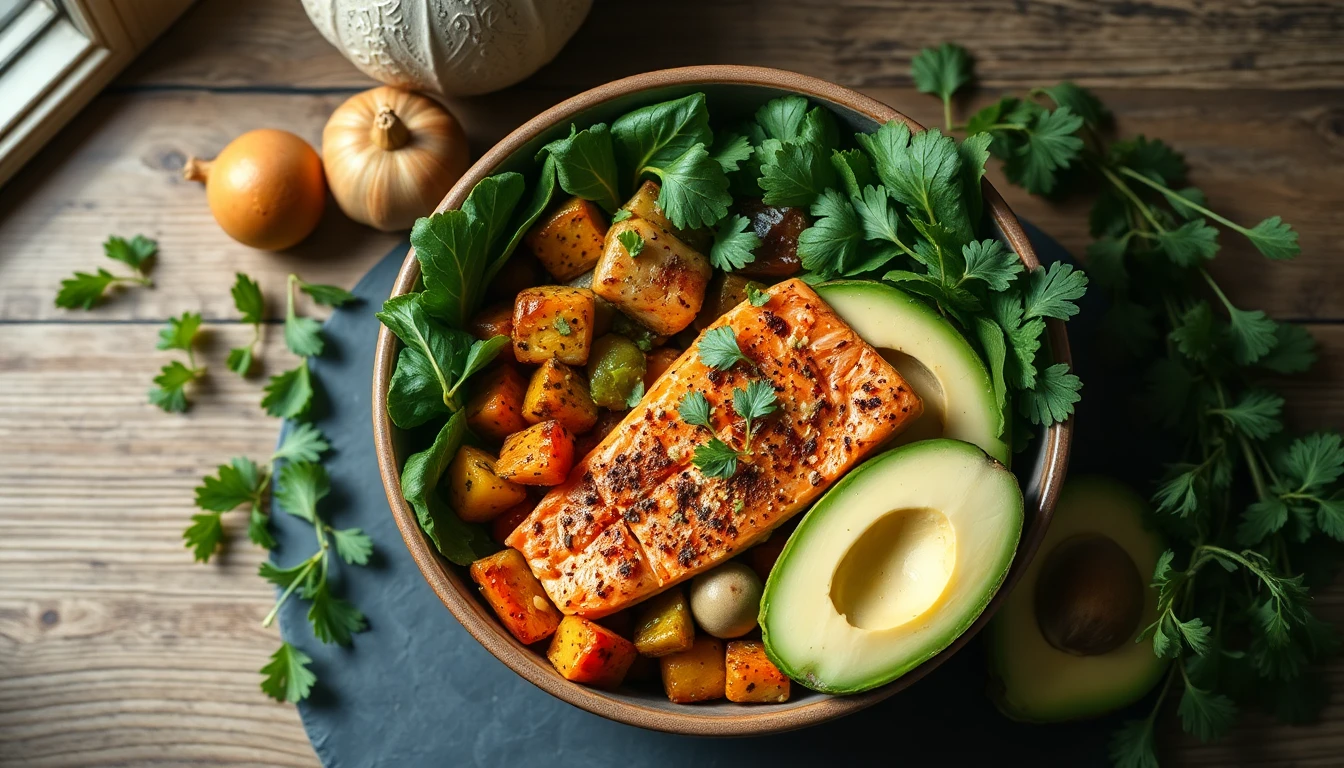
- Meat and poultry — grass-fed beef, lamb, chicken, turkey, and game meats
- Organ meats — liver, kidney, and heart are especially encouraged for nutrient density
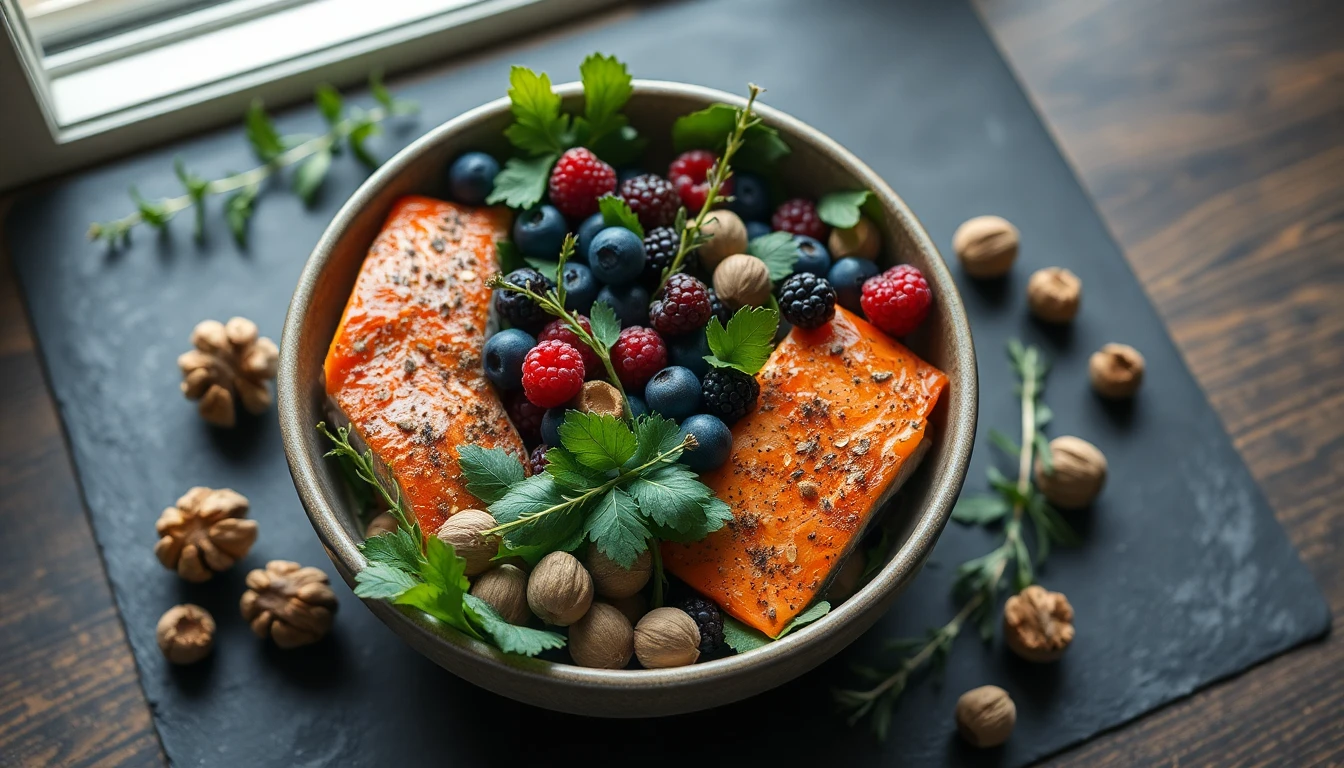
- Fish and seafood — wild-caught fish, prawns, mussels, and other shellfish
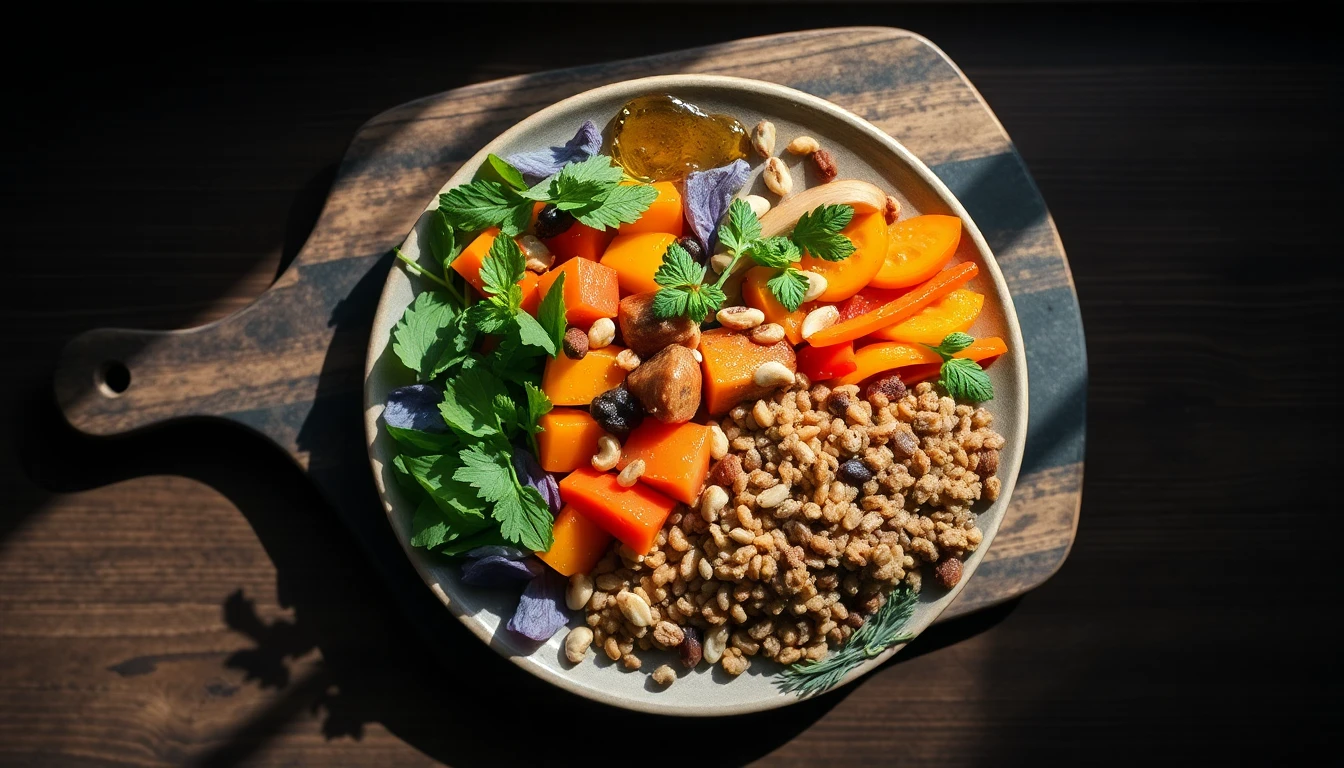
- Vegetables — all non-nightshade vegetables including leafy greens, cruciferous vegetables, root vegetables, and squashes
- Fruits — all fresh fruits in moderation, focusing on berries and citrus
- Fermented foods — sauerkraut, kimchi, kombucha, and coconut yoghurt
- Healthy fats — olive oil, coconut oil, avocado oil, and animal fats from quality sources
- Bone broth — homemade broth from beef, chicken, or fish bones
- Herbs and spices — all non-seed-based herbs and spices, excluding pepper and chilli-based seasonings
UK-Friendly Food Swaps for the AIP Diet
Most major UK supermarkets now stock AIP-friendly ingredients like coconut aminos (soy sauce replacement), cassava flour, and coconut yoghurt. Shops like Waitrose, Sainsbury's, and even Tesco have expanded their free-from sections significantly. Health food shops such as Holland & Barrett and Planet Organic offer even wider selections, though online retailers like Amazon UK often provide the best variety for speciality items like tiger nut flour or carob powder.
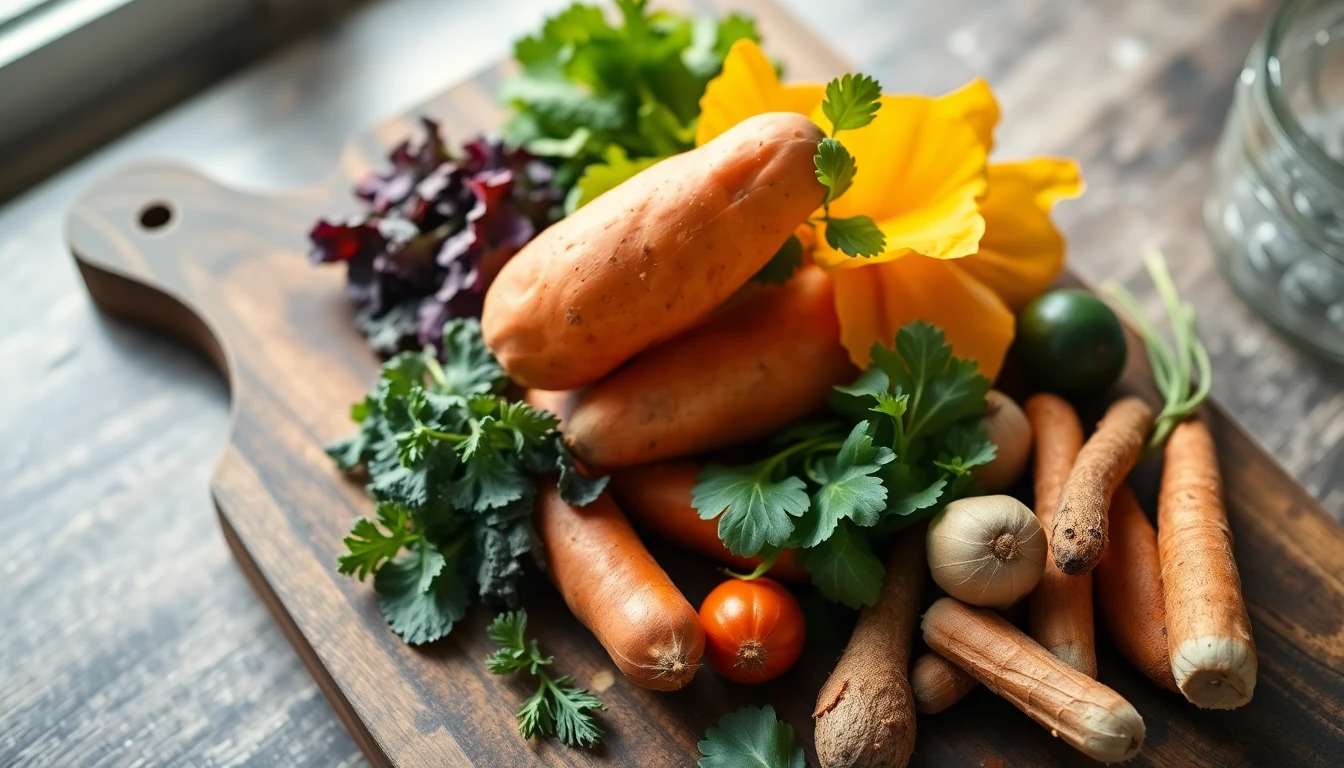
- Instead of potatoes — try parsnips, swede, celeriac, or sweet potato (white-fleshed varieties are often better tolerated initially)
- Instead of bread — use lettuce wraps, portobello mushroom 'buns', or make flatbreads from cassava flour or plantain
- Instead of porridge — make a warming breakfast bowl from mashed banana with cinnamon and coconut cream, or try a savoury option with sautéed vegetables and leftover meat
- Instead of tomato-based sauces — create rich gravies from bone broth reduced with herbs, or try beetroot-based sauces for a similar colour
- Instead of Sunday roast with Yorkshire puddings — enjoy roasted meats with plenty of roasted root vegetables, cauliflower mash, and pan gravy made with meat drippings and broth
- Instead of tea with milk — try herbal teas like rooibos or fruit infusions, or use coconut cream in black tea
- Instead of butter on vegetables — use extra virgin olive oil, coconut oil, or rendered animal fats from quality meat
- Instead of curry with rice — serve curry over cauliflower rice or butternut squash noodles
The AIP Reintroduction Phase: A Systematic Approach
Once you've completed the elimination phase and experienced symptom improvement, the reintroduction phase begins. This stage is crucial and should never be rushed. The goal is to identify your personal tolerance levels and create a sustainable long-term diet that maximises food variety while minimising symptom triggers.
Reintroduction should only begin when you've noticed significant improvement in your symptoms and have maintained that improvement for at least 30 days. If you're still experiencing active symptoms, continue the elimination phase longer.
How to Reintroduce Foods Safely
The reintroduction process follows a specific protocol to accurately identify reactions:
- Choose one food — select a single food from the reintroduction stages to test
- Eat a small portion — consume half a teaspoon to one teaspoon on an empty stomach
- Wait and observe — monitor for reactions for 15 minutes before eating anything else
- Increase the portion — if no reaction occurs, eat a larger portion (1-2 teaspoons) and wait 2-3 hours
- Final test portion — if still no reaction, eat a normal serving and then avoid that food for 5-7 days
- Monitor symptoms — track any delayed reactions over the waiting period, watching for digestive issues, skin changes, joint pain, fatigue, or mood changes
- Record results — keep a detailed food and symptom diary throughout the process
- Move forward — if no reaction occurs during the waiting period, that food can be added back to your regular diet. If reactions occur, remove the food and wait until symptoms resolve before testing another item
Suggested Reintroduction Order
This entire process can take several months to over a year. While it requires patience, the information you gain about your personal tolerances is invaluable for long-term health management.
- Stage 1 — egg yolks, seed-based spices, seed oils, and ghee
- Stage 2 — nuts and seeds (starting with less allergenic options like macadamia nuts)
- Stage 3 — egg whites, nightshade spices (paprika, cayenne)
- Stage 4 — nightshade vegetables (starting with peeled and deseeded options)
- Stage 5 — legumes with edible pods (green beans, sugar snap peas)
- Stage 6 — alcohol in small amounts, coffee, and white rice
- Stage 7 — dairy products (starting with ghee if not already tested, then grass-fed butter, then fermented dairy)
- Stage 8 — other grains and legumes
Evidence for AIP in Autoimmune Conditions
While large-scale randomised controlled trials are still needed, preliminary research and clinical experience suggest the AIP diet may benefit several autoimmune conditions. It's important to understand both the promising findings and the limitations of current evidence.
A 2017 study followed 15 patients with active inflammatory bowel disease through a six-week AIP elimination phase. By week six, 11 participants achieved clinical remission, and all participants showed improvements in inflammatory markers and quality of life scores. Though the sample size was small, the results were statistically significant and clinically meaningful.
Research published in 2019 examined 17 women with Hashimoto's thyroiditis who followed AIP for 10 weeks. Participants experienced significant reductions in C-reactive protein (an inflammation marker) and improvements in health-related quality of life scores. Thyroid antibody levels also decreased, though thyroid function tests remained relatively stable.
Anecdotal reports from clinicians suggest potential benefits for other autoimmune conditions including rheumatoid arthritis, lupus, psoriasis, and multiple sclerosis, though peer-reviewed research in these areas remains limited. The diet's focus on nutrient density, gut health, and inflammation reduction aligns with therapeutic principles relevant to many autoimmune conditions.
Limitations and Considerations
The current evidence base has important limitations. Most studies involve small sample sizes, lack control groups, and don't extend beyond several months. Individual responses vary considerably, and not everyone experiences dramatic improvements. Additionally, the restrictive nature of the elimination phase can be challenging to maintain and may risk nutritional deficiencies if not properly planned.
The AIP diet should be viewed as one component of a comprehensive treatment approach, not a replacement for medical care. Always work with your healthcare team when making significant dietary changes, especially if you take immunosuppressive medications or have multiple health conditions. Some people may require supplementation during the elimination phase to prevent deficiencies in calcium, vitamin D, or other nutrients typically obtained from eliminated food groups.
Making AIP Work in Your Daily Life
Successfully following the AIP diet in the UK requires planning, preparation, and patience. Here are practical strategies to make the protocol more manageable in everyday situations.
Meal Planning and Preparation
Batch cooking becomes essential on AIP. Dedicate a few hours each week to preparing components that can be mixed and matched: roasted vegetables, cooked proteins, bone broth, and AIP-friendly sauces. Invest in quality storage containers and embrace your freezer for AIP-compliant meals that can be reheated on busy days.
A basic weekly template might include a slow-cooked joint of meat for Sunday dinner with plenty of leftovers, homemade bone broth prepared overnight, several breakfast options like AIP sausages or chicken patties, and pre-chopped vegetables ready for quick stir-fries or salads.
Eating Out and Social Situations
Dining out on AIP in the UK presents challenges but isn't impossible. Look for restaurants that accommodate dietary requirements, particularly those focused on whole foods. Steakhouses often work well as you can order grilled meat with side salads and vegetables. Many restaurants will prepare simple grilled fish with steamed vegetables upon request.
When attending social gatherings, consider eating beforehand, bringing a dish to share that fits your requirements, or speaking with the host in advance. Most people are understanding when you explain you're following a therapeutic diet for a medical condition. Keep the explanation simple and focus on what you can eat rather than the extensive list of restrictions.
How FreshPlate Supports Your AIP Journey
Managing the AIP diet alongside medications and other health considerations can feel overwhelming, but FreshPlate simplifies the process considerably. When you indicate you're following AIP in your profile, our platform automatically filters recipes to match both the elimination and reintroduction phases, showing only appropriate options for your current stage.
FreshPlate's medication interaction checking ensures your AIP meals don't interfere with any prescriptions you're taking, while the shopping list feature converts recipes into UK supermarket-organised lists. The app tracks which foods you've successfully reintroduced, adjusting your available recipes accordingly as you progress through the protocol. This personalised approach means you spend less time researching and more time healing.
Frequently asked questions
How long should I stay on the AIP elimination phase?
+
Most practitioners recommend a minimum of 30 days, though many people need 60-90 days to see significant symptom improvement. You should remain in the elimination phase until you notice clear reduction in symptoms and maintain that improvement for at least 30 consecutive days before beginning reintroduction.
Can I follow AIP if I'm vegetarian or vegan?
+
The AIP diet is extremely challenging to follow as a vegetarian or vegan because it eliminates legumes, grains, nuts, seeds, and soya products which form the protein foundation of plant-based diets. The protocol emphasises organ meats and bone broth for nutrient density. Those with ethical concerns about animal products should work closely with a nutritionist to explore alternative therapeutic approaches.
Will I need to follow AIP forever?
+
No, AIP is designed as a temporary elimination protocol, not a permanent diet. After the elimination phase and systematic reintroduction, most people can tolerate many previously eliminated foods. The goal is to identify your personal triggers and create a sustainable long-term diet that includes the widest variety of foods you can tolerate without symptoms.
Is the AIP diet safe while taking immunosuppressant medications?
+
Generally yes, but you should always consult your consultant or GP before making significant dietary changes, especially if you take immunosuppressive drugs. The diet focuses on whole foods and doesn't typically interfere with medications, though individual circumstances vary. Never stop or reduce prescribed medications without medical supervision.
What's the difference between AIP and a standard gluten-free diet?
+
AIP is much more restrictive than gluten-free diets. While gluten-free diets only eliminate wheat, barley, and rye, AIP removes all grains, legumes, dairy, eggs, nightshades, nuts, seeds, and certain other foods. AIP also emphasises adding nutrient-dense foods like organ meats and bone broth, whereas gluten-free diets don't have specific inclusion requirements beyond avoiding gluten.
Sources
Did this answer your question?
Reece reads every reply. Questions we have not covered become new guides.
The right foods make living with autoimmune disease easier.
Get our free autoimmune disease food guide by email — what to eat more of, what to limit, and simple meals that support you day to day. One genuinely useful email a week — no spam, unsubscribe anytime.
Free forever. You'll also be first in line for the FreshPlate app — with a free trial at launch.