Multiple Sclerosis Diet: Foods to Boost Energy & Reduce Symptoms
Evidence-based MS diet guide covering anti-inflammatory foods, fatigue management, and vitamin D. Learn which foods support symptom control and energy levels.

By Reece Douglas · Founder, FreshPlate
Listen to this article
Multiple Sclerosis Diet: Foods to Boost Energy & Reduce Symptoms
Living with multiple sclerosis means navigating a complex condition that affects the central nervous system, often bringing challenges like fatigue, inflammation, and unpredictable symptoms. Whilst medication remains the cornerstone of MS management, mounting evidence suggests that dietary choices can play a meaningful supporting role in how you feel day-to-day.
A multiple sclerosis diet isn't about miracle cures or restrictive eating plans. Rather, it's about understanding which foods may help reduce inflammation, support nerve health, manage fatigue, and provide stable energy throughout your day. From vitamin D status to omega-3 fatty acids, certain nutritional factors have emerged as particularly relevant for people living with MS. Let's explore what the evidence actually tells us, and how practical dietary changes might complement your existing treatment plan.
Understanding the Link Between Diet and Multiple Sclerosis
Multiple sclerosis is an autoimmune condition where the immune system mistakenly attacks the protective myelin sheath surrounding nerve fibres. This damage disrupts communication between the brain and body, leading to symptoms that vary widely between individuals. While disease-modifying therapies work to slow progression and reduce relapses, dietary factors may influence the inflammatory environment in your body.
Research into MS and nutrition has identified several mechanisms through which food choices might affect disease activity. Chronic inflammation, oxidative stress, and gut microbiome composition all appear to play roles in MS progression. Certain dietary patterns have been associated with lower relapse rates and reduced disability progression, though more large-scale studies are needed to establish definitive cause-and-effect relationships.
It's important to approach dietary changes as complementary to, not replacements for, prescribed medical treatments. Always discuss significant dietary modifications with your neurologist or MS specialist nurse, particularly if you're considering supplements or eliminating major food groups.
What the Research Currently Shows
Population studies have found interesting geographical patterns, with MS prevalence higher in countries farther from the equator—regions where vitamin D synthesis from sunlight is reduced. Observational research has also linked Mediterranean-style eating patterns with better MS outcomes, including lower disability scores and reduced fatigue levels.
Whilst these associations are compelling, they don't prove causation. However, they provide a reasonable foundation for dietary recommendations that align with general health guidelines whilst potentially offering MS-specific benefits.
Anti-Inflammatory Foods for Multiple Sclerosis Management
Chronic inflammation is a hallmark of MS, making anti-inflammatory eating patterns particularly relevant. An anti-inflammatory diet emphasises whole foods rich in antioxidants, healthy fats, and phytonutrients whilst limiting processed foods, refined sugars, and certain fats that may promote inflammatory processes.
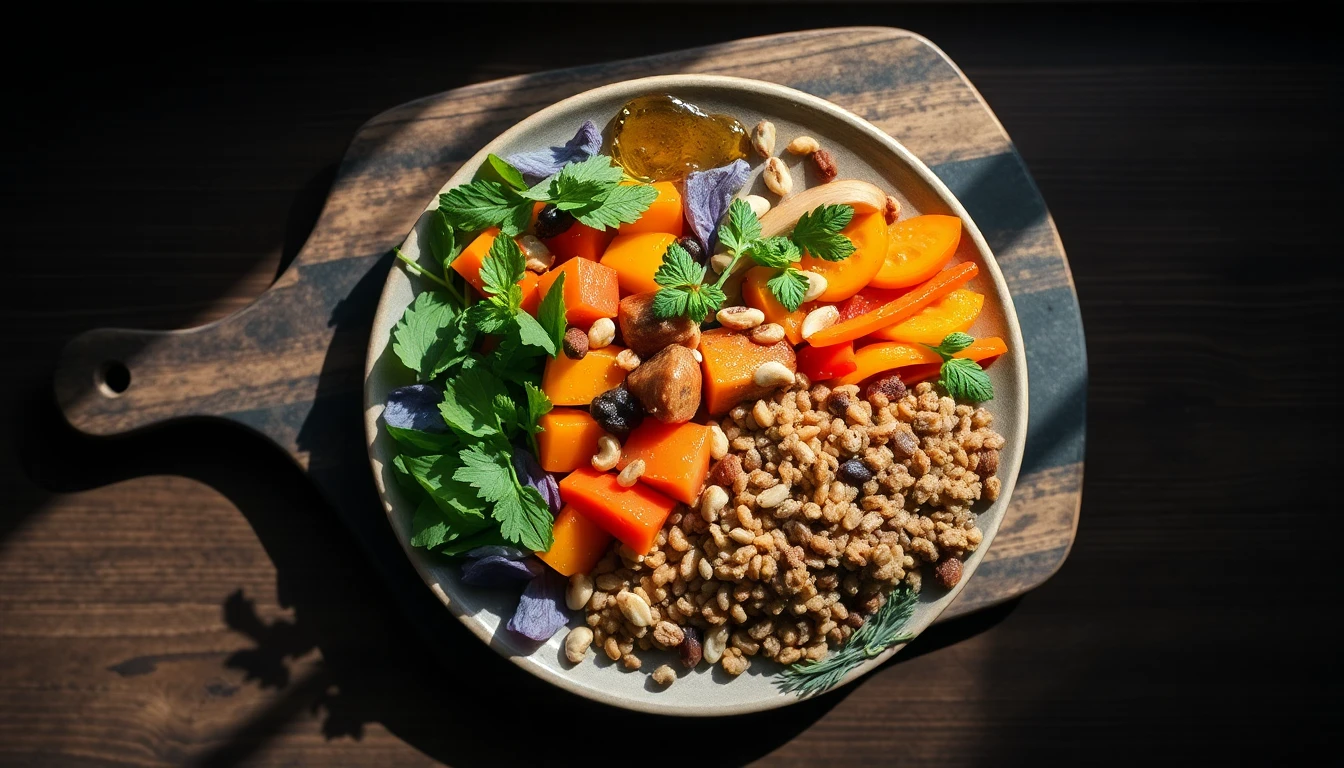
The Mediterranean diet serves as an excellent template. This eating pattern has been studied extensively in various inflammatory conditions and shows promise for MS as well. It's characterised by abundant vegetables, fruits, whole grains, legumes, nuts, olive oil, and moderate amounts of fish, with limited red meat and processed foods.
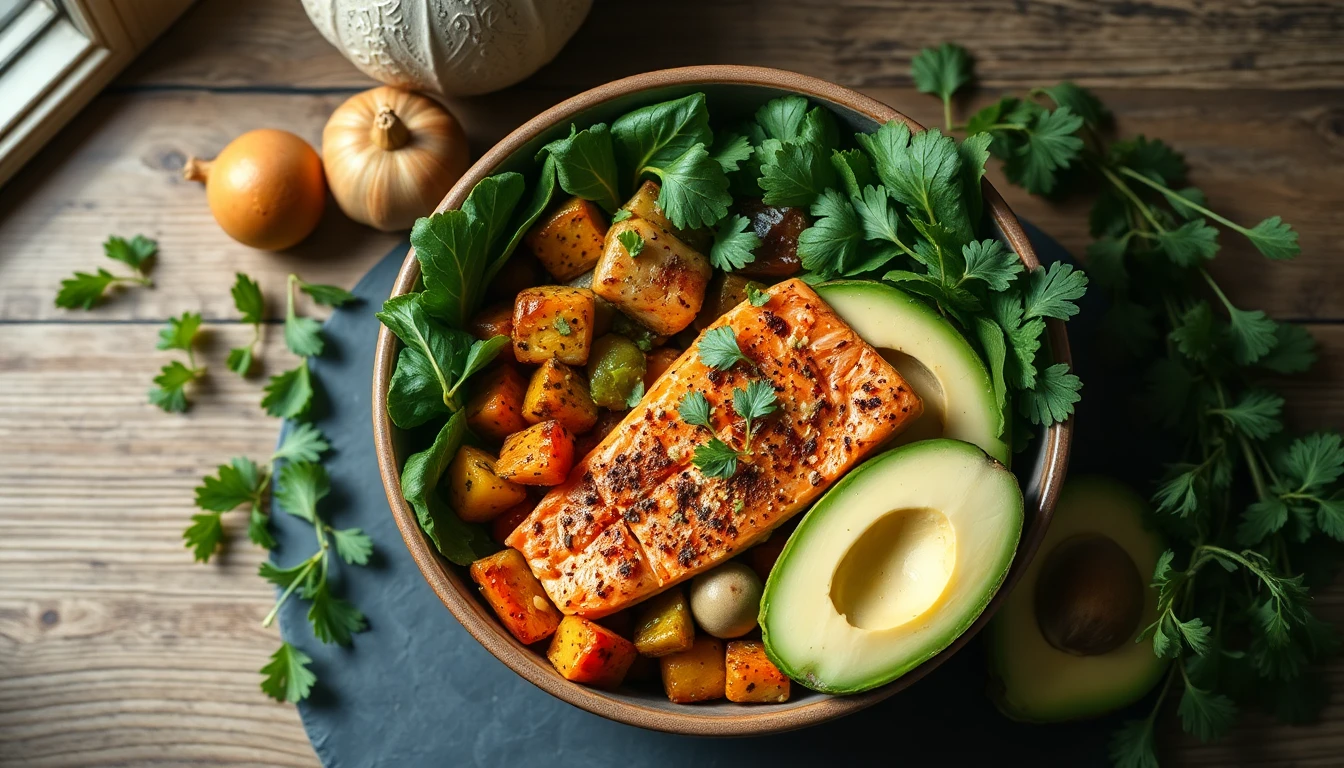
- Fatty fish — Salmon, mackerel, sardines, and anchovies provide omega-3 fatty acids (EPA and DHA) that have anti-inflammatory properties and support nerve cell membrane health. Aim for two to three portions weekly.
- Leafy greens — Spinach, kale, Swiss chard, and rocket are packed with antioxidants, vitamin K, and folate. These nutrients support overall neurological health and combat oxidative stress.
- Berries — Blueberries, strawberries, and blackberries contain polyphenols and anthocyanins with anti-inflammatory and neuroprotective effects. They're also lower in sugar than many other fruits.
- Extra virgin olive oil — Rich in oleocanthal, a compound with anti-inflammatory properties similar to ibuprofen. Use as your primary cooking and dressing oil.
- Nuts and seeds — Walnuts, flaxseeds, and chia seeds provide plant-based omega-3s (ALA), vitamin E, and magnesium. A small handful daily makes an excellent snack.
- Turmeric and ginger — These spices contain curcumin and gingerol respectively, compounds studied for their anti-inflammatory potential. Add liberally to cooking or try them in teas.
- Green tea — Contains EGCG, a powerful antioxidant that may help protect nerve cells from damage. Aim for two to three cups daily if you tolerate caffeine.
Foods to Limit or Avoid
Whilst no foods are absolutely forbidden, certain items may promote inflammation and worsen symptoms for some people with MS. Consider reducing your intake of saturated fats from red meat and full-fat dairy, trans fats found in many processed foods, refined carbohydrates and added sugars, and excessive alcohol, which can interfere with medication and worsen fatigue.
- Processed meats — Bacon, sausages, and deli meats contain pro-inflammatory compounds and high sodium levels that may affect blood pressure medications.
- Refined grains — White bread, pastries, and sugary cereals cause rapid blood sugar spikes and crashes, potentially worsening fatigue.
- Deep-fried foods — High in inflammatory omega-6 fatty acids and trans fats when cooked in reused oils.
- High-sodium foods — Excessive salt intake has been associated with increased MS disease activity in some studies.
Managing MS Fatigue Through Diet and Energy-Stable Foods
Fatigue is one of the most common and debilitating MS symptoms, affecting up to 80% of people with the condition. Whilst dietary changes won't eliminate MS fatigue entirely, strategic food choices can help stabilise energy levels and prevent the crashes that make fatigue worse.
The key is maintaining stable blood sugar levels throughout the day. Rapid spikes and drops in glucose can exacerbate feelings of exhaustion and brain fog. Building meals around protein, healthy fats, and fibre-rich carbohydrates creates a slower, more sustained release of energy.
- Complex carbohydrates — Oats, quinoa, brown rice, and sweet potatoes provide sustained energy without dramatic blood sugar swings. Pair them with protein and fat for optimal stability.
- Lean proteins — Chicken, turkey, fish, eggs, legumes, and tofu help maintain muscle mass (important given mobility challenges) and provide lasting satiety.
- Healthy fats — Avocados, nuts, seeds, and olive oil slow digestion and help you feel fuller longer, preventing energy dips between meals.
- Hydration — Even mild dehydration worsens fatigue significantly. Aim for eight glasses of water daily, more if you experience heat sensitivity.
- Iron-rich foods — If you're low in iron (common with MS), include lean red meat, lentils, spinach, and fortified cereals. Pair plant sources with vitamin C for better absorption.
- B vitamins — Whole grains, eggs, dairy, and nutritional yeast provide B vitamins essential for energy metabolism. B12 is particularly important and may need supplementation if levels are low.
Meal Timing and Portion Strategies
How and when you eat matters as much as what you eat. Large meals can trigger post-meal fatigue as blood diverts to digestion. Consider eating smaller portions every three to four hours to maintain steady energy. Start your day with a protein-rich breakfast within an hour of waking to stabilise morning energy levels.
If you experience particularly severe fatigue at certain times, plan your largest, most nutrient-dense meal for when you typically feel strongest. Keep easy, nutritious snacks accessible for low-energy moments—things like nut butter with apple slices, Greek yoghurt with berries, or hummus with vegetable sticks.
Vitamin D and Multiple Sclerosis: Why It Matters
Vitamin D has emerged as one of the most studied nutrients in MS research. This fat-soluble vitamin plays crucial roles in immune system regulation, and low vitamin D levels have been consistently associated with increased MS risk, higher relapse rates, and faster disease progression.
The UK's northern latitude means many people struggle to maintain adequate vitamin D levels, particularly during autumn and winter when UVB rays aren't strong enough for skin synthesis. People with MS may be at even higher risk of deficiency due to reduced outdoor activity, mobility limitations, and certain medications.
Current evidence suggests maintaining vitamin D levels above 75 nmol/L (30 ng/mL) may be beneficial for people with MS, though optimal targets remain debated. The NHS recommends that everyone in the UK consider taking a daily vitamin D supplement of 10 micrograms (400 IU) during autumn and winter, but people with MS often require higher doses under medical supervision.
- Fatty fish — Salmon, trout, and mackerel are among the few excellent food sources of vitamin D3, the most bioavailable form.
- Fortified foods — Many plant-based milks, breakfast cereals, and spreads are fortified with vitamin D. Check labels for amounts.
- Egg yolks — Contain modest amounts of vitamin D along with other nutrients. Free-range or vitamin D-enriched eggs provide more.
- Mushrooms — Certain varieties exposed to UV light can provide vitamin D2. Look for labels specifying vitamin D content.
- Supplementation — Most people with MS will need supplements to achieve optimal levels. Your neurologist can test your levels and recommend appropriate dosing, which may range from 1,000 to 5,000 IU daily or higher.
Safe Sun Exposure Considerations
Whilst moderate sun exposure helps vitamin D synthesis, many people with MS experience heat sensitivity that worsens symptoms. If you can tolerate it, aim for 10-15 minutes of midday sun on arms and legs several times weekly during warmer months, always balancing this against skin cancer risk. For most people with MS, supplementation offers a more reliable and comfortable approach to maintaining adequate vitamin D levels.
Other Key Nutrients for MS Symptom Management
Beyond vitamin D and omega-3s, several other nutrients deserve attention in a multiple sclerosis diet. Research is ongoing, but current evidence suggests these may support overall wellbeing and symptom management.
Antioxidants and Neuroprotection
Oxidative stress contributes to nerve damage in MS. Antioxidant-rich foods may help protect against this damage. Vitamin E from nuts, seeds, and leafy greens supports cell membrane integrity. Vitamin C from citrus fruits, peppers, and berries aids immune function and collagen formation. Selenium from Brazil nuts, fish, and whole grains has antioxidant properties—just two Brazil nuts daily typically provide adequate selenium.
Biotin (Vitamin B7)
High-dose biotin has been studied as a potential treatment for progressive MS, with mixed results. Whilst therapeutic doses require prescription and medical supervision, ensuring adequate dietary biotin through eggs, almonds, sweet potatoes, and spinach supports general metabolic health. Never supplement high-dose biotin without neurologist approval, as it can interfere with certain blood tests and medication monitoring.
Magnesium
This mineral supports nerve and muscle function, and deficiency may worsen spasticity and cramping—common MS symptoms. Include magnesium-rich foods like pumpkin seeds, almonds, spinach, black beans, and dark chocolate. Some people benefit from magnesium supplements, particularly if experiencing muscle spasms, but discuss with your healthcare provider first as it can interact with certain medications.
Making Your Multiple Sclerosis Diet Work in Real Life
Understanding what to eat is one thing; implementing changes whilst managing MS symptoms, fatigue, and other life demands is another. The goal isn't perfection but rather gradual, sustainable improvements that genuinely support your wellbeing.
Start with small, manageable changes rather than overhauling your entire diet overnight. Perhaps begin by adding one serving of fatty fish weekly, swapping refined grains for whole grain alternatives, or including a handful of berries with breakfast. These incremental adjustments are more likely to stick than dramatic restrictions that feel overwhelming.
Batch cooking during higher-energy periods can be invaluable. Prepare soups, stews, or grain bowls in larger quantities and freeze in portions. This ensures nutritious meals are available even when fatigue strikes. Similarly, keeping a well-stocked pantry with tinned fish, frozen vegetables, nuts, and whole grains means healthy options are always accessible.
If mobility or dexterity challenges make cooking difficult, consider adaptive kitchen tools, ready-prepared vegetables, or meal delivery services that align with anti-inflammatory eating principles. The effort required to prepare food shouldn't outweigh the benefits of eating it.
Working With Healthcare Professionals
Before making significant dietary changes, discuss your plans with your MS healthcare team. A registered dietitian with neurological experience can help you develop a personalised eating plan that considers your specific symptoms, medications, other health conditions, and practical constraints. They can also identify potential nutrient deficiencies through blood work and recommend appropriate supplementation.
Some medications used in MS treatment have dietary considerations. Certain immunosuppressants require avoiding grapefruit, whilst corticosteroids during relapses may affect blood sugar control. Your pharmacist or MS nurse can advise on any food-drug interactions relevant to your treatment plan.
How FreshPlate Supports Your MS Nutrition Journey
Managing a multiple sclerosis diet whilst juggling medications, symptoms, and everyday life can feel overwhelming. FreshPlate takes the guesswork out of meal planning by building personalised recipes around your specific MS medications, symptoms like fatigue, and nutritional needs including vitamin D optimisation and anti-inflammatory priorities.
Our app automatically adjusts recipes to incorporate omega-3 rich fish, antioxidant-packed vegetables, and energy-stable meal compositions whilst flagging any potential interactions with your medications. Whether you're managing heat sensitivity that affects cooking tolerance or mobility challenges that require simpler preparation methods, FreshPlate adapts to your reality, making nutritious eating achievable rather than aspirational.
Frequently asked questions
Can diet cure multiple sclerosis?
+
No, there is no diet that can cure MS. However, evidence suggests that certain dietary patterns—particularly anti-inflammatory diets rich in omega-3 fatty acids, vitamin D, and antioxidants—may help manage symptoms, reduce fatigue, and potentially influence disease progression when used alongside prescribed medical treatments.
What foods should I avoid with multiple sclerosis?
+
Whilst no foods are strictly forbidden, consider limiting saturated fats, processed meats, refined carbohydrates, sugary foods, and excessive sodium. These may promote inflammation and worsen symptoms. Some people with MS also find that dairy or gluten affects them negatively, though evidence for universal elimination is limited.
How much vitamin D should someone with MS take?
+
Vitamin D requirements vary individually. Whilst the UK recommends 400 IU daily for the general population, many people with MS require higher doses (often 1,000-5,000 IU or more) to achieve optimal blood levels. Always have your vitamin D levels tested and work with your neurologist to determine appropriate supplementation for your situation.
Does the Mediterranean diet help with MS symptoms?
+
Research suggests that Mediterranean-style eating patterns are associated with reduced MS disability scores and better quality of life. This diet emphasises vegetables, fruits, whole grains, legumes, olive oil, and fish whilst limiting red meat and processed foods, aligning well with anti-inflammatory principles that may benefit MS.
Can changing my diet reduce MS fatigue?
+
Whilst diet alone won't eliminate MS fatigue, strategic food choices can help stabilise energy levels. Focus on complex carbohydrates paired with protein and healthy fats, stay well-hydrated, eat smaller meals more frequently, and ensure adequate intake of iron, B vitamins, and vitamin D, all of which influence energy metabolism.
Sources
Did this answer your question?
Reece reads every reply. Questions we have not covered become new guides.
The right foods make living with multiple sclerosis easier.
Get our free multiple sclerosis food guide by email — what to eat more of, what to limit, and simple meals that support you day to day. One genuinely useful email a week — no spam, unsubscribe anytime.
Free forever. You'll also be first in line for the FreshPlate app — with a free trial at launch.