Resistant Starch Foods for Blood Sugar Control
Discover how resistant starch foods help manage blood glucose levels. Learn which foods are richest in resistant starch and how cooking methods matter.

By Reece Douglas · Founder, FreshPlate
Listen to this article
Resistant Starch Foods for Blood Sugar Control
Not all starches behave the same way in your body. While most carbohydrates break down quickly into glucose, causing blood sugar spikes, resistant starch takes a different route entirely. This unique type of carbohydrate resists digestion in your small intestine, travelling to your colon where it feeds beneficial bacteria and helps stabilise your glucose levels.
The fascinating part? You can actually increase the resistant starch content of ordinary foods simply by how you prepare them. That leftover rice in your fridge contains significantly more resistant starch than the steaming bowl you ate yesterday. Understanding resistant starch foods and how to maximise their benefits can be a powerful tool for managing blood sugar, supporting gut health, and improving metabolic health overall.
What Is Resistant Starch and Why Does It Matter?
Resistant starch is a type of starch that, as its name suggests, resists digestion in the small intestine. Unlike regular starch that breaks down into glucose and gets absorbed quickly, resistant starch passes through to the large intestine largely intact. Once there, it acts as food for your beneficial gut bacteria, functioning much like dietary fibre.
There are four main types of resistant starch, each with different sources and properties. Type 1 is physically inaccessible starch found in whole grains and seeds. Type 2 occurs naturally in raw potatoes and green bananas. Type 3 forms when starchy foods are cooked and then cooled—this is the type you can create in your own kitchen. Type 4 is chemically modified starch used in processed foods.
The benefits of resistant starch extend beyond blood sugar control. Because it reaches your colon undigested, it ferments and produces short-chain fatty acids, particularly butyrate, which supports colon health and may reduce inflammation. Studies suggest that regular consumption of resistant starch can improve insulin sensitivity, reduce post-meal glucose spikes, and promote feelings of fullness.
How Resistant Starch Affects Blood Glucose
When you eat resistant starch foods, your blood sugar response is markedly different from eating regular starch. Because resistant starch isn't broken down into glucose in your small intestine, it doesn't cause the rapid blood sugar spike typical of most carbohydrate-rich foods. This makes it particularly valuable for people managing diabetes or prediabetes.
Research published in the British Journal of Nutrition has shown that resistant starch can improve glycaemic control and insulin sensitivity. The effect isn't limited to the meal containing resistant starch—there's evidence of a 'second meal effect', where resistant starch consumed at one meal can improve blood sugar control at the next meal, possibly due to the production of short-chain fatty acids that influence glucose metabolism.
How Cooking and Cooling Changes Starch Structure
The transformation of regular starch into resistant starch through cooking and cooling is a process called retrogradation. When you cook starchy foods like potatoes, rice, or pasta, heat causes the starch granules to absorb water and swell, making them easily digestible. This is gelatinisation.
However, when you cool these cooked foods—ideally in the fridge for at least 12 hours—the starch molecules reorganise themselves into a more compact, crystalline structure. This new structure is resistant to digestive enzymes, meaning your body can't break it down as easily. The result is a significant increase in resistant starch content.
The most remarkable aspect is that this process doesn't reverse when you reheat the food. A bowl of reheated rice or pasta still retains much of its resistant starch, making meal prep not just convenient but potentially beneficial for blood sugar management. The cooling period is crucial—foods need to be refrigerated for several hours to allow maximum retrogradation to occur.
Which Foods Benefit Most From Cook-Cool-Reheat
Not all starchy foods respond equally to the cook-cool method. Potatoes show one of the most dramatic increases in resistant starch when cooked and cooled, with some studies showing up to a 50% increase. White rice and pasta also respond well, though the exact increase depends on the variety and cooking method.
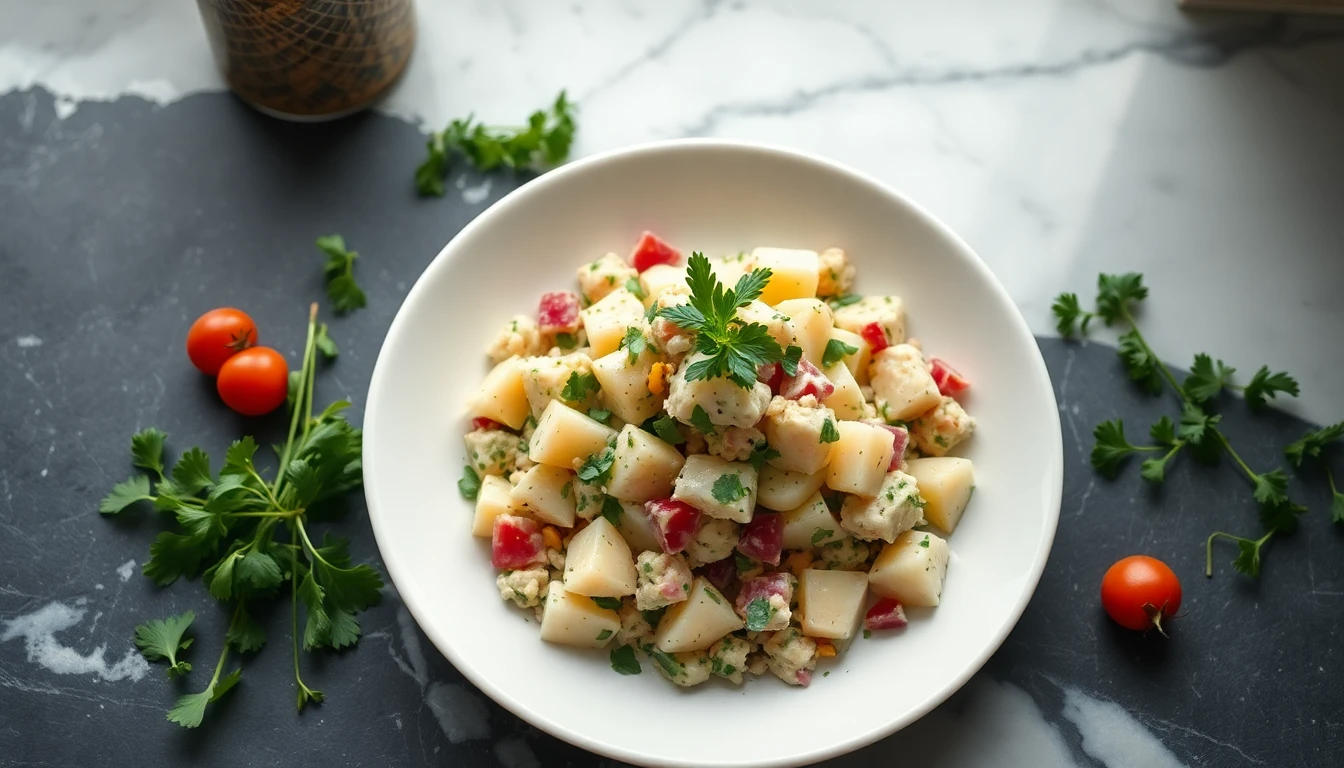
- Potatoes — boiled or steamed potatoes cooled for 12-24 hours show the highest resistant starch conversion; potato salad is an ideal format
- White rice — particularly long-grain varieties like basmati; cooling overnight can more than double resistant starch content
- Pasta — al dente pasta that's been cooled and reheated maintains a lower glycaemic response than freshly cooked
- Pulses — whilst already containing resistant starch, cooked and cooled lentils and beans have even more
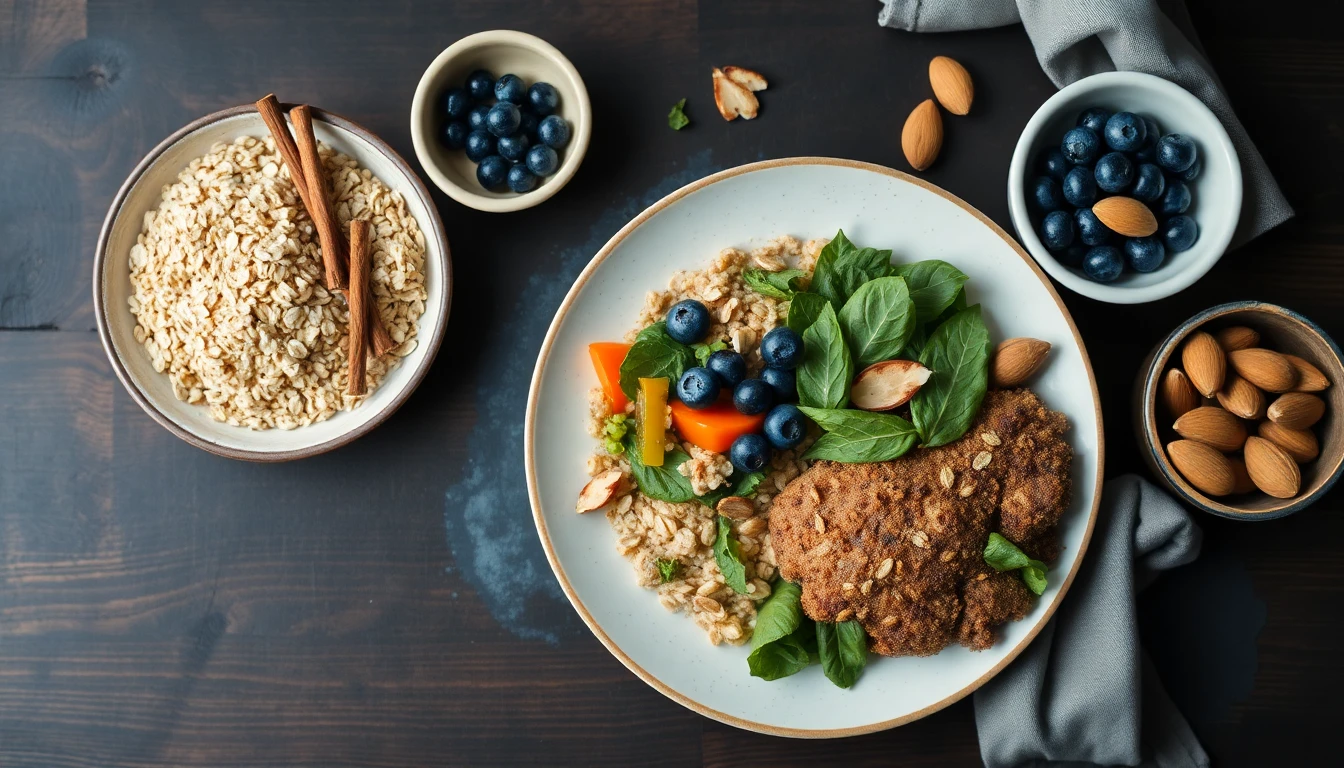
- Oats — overnight oats consumed cold provide more resistant starch than warm porridge
Best Natural Sources of Resistant Starch Foods
Beyond the cook-cool method, several foods naturally contain high levels of resistant starch in their raw or minimally processed state. Incorporating these into your diet provides consistent resistant starch intake without requiring special preparation.
- Green (unripe) bananas — one of the richest natural sources, containing up to 20g of resistant starch per 100g; as bananas ripen, resistant starch converts to regular sugar
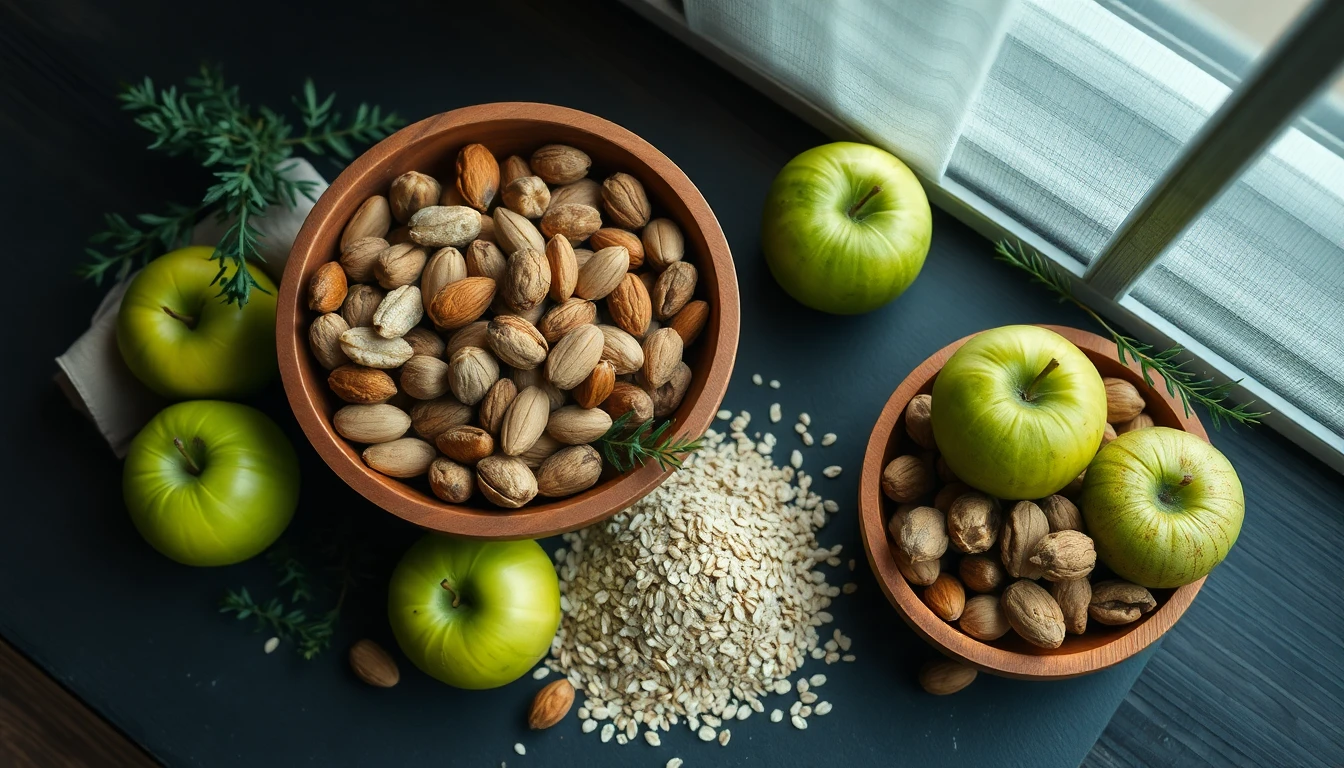
- Raw oats — uncooked oats in overnight oat preparations or muesli provide significant resistant starch
- Cooked and cooled potatoes — particularly waxy varieties like Charlotte or new potatoes in salads
- Legumes — lentils, chickpeas, and beans contain resistant starch even when freshly cooked, more when cooled
- Cashews and pistachios — nuts generally contain small amounts of resistant starch
- Pearl barley — especially when cooked and used cold in salads
- Hi-maize resistant starch flour — a specialty ingredient that can be added to baking or smoothies
Practical Ways to Add Resistant Starch to Your Diet
The key to benefiting from resistant starch is making it a regular part of your eating pattern rather than a one-off experiment. Start gradually—your gut bacteria need time to adapt to increased resistant starch, and too much too quickly can cause bloating or discomfort.
- Meal prep strategically — cook rice, potatoes, and pasta in batches, refrigerate overnight, then use in salads or reheat for meals throughout the week
- Choose potato salad over chips — when eating potatoes, opt for cold preparations like potato salad with vinaigrette
- Make overnight oats — prepare oats with milk or yoghurt the night before and eat cold or at room temperature
- Add green banana flour — blend into smoothies or use in baking to boost resistant starch without changing texture dramatically
- Include pulses regularly — batch-cook lentils or beans and use cold in salads or reheated in soups and stews
How Much Resistant Starch Should You Aim For?
Most people in the UK consume only 3-6g of resistant starch daily, well below the 15-20g that research suggests may be optimal for metabolic and gut health benefits. Increasing your intake gradually to around 15g per day is a reasonable target for most people, though those managing diabetes should monitor their response and discuss dietary changes with their healthcare team.
A single medium cooked and cooled potato might provide 3-5g of resistant starch, whilst a serving of overnight oats could contribute 4-5g. A varied diet incorporating several resistant starch foods throughout the day makes reaching beneficial levels achievable without relying on any single food.
Benefits of Resistant Starch Beyond Blood Sugar
Whilst blood glucose management is a compelling reason to include resistant starch foods in your diet, the benefits extend to several other aspects of health. The fermentation of resistant starch in your colon produces short-chain fatty acids, particularly butyrate, which serves as the primary fuel source for cells lining your colon.
These short-chain fatty acids have anti-inflammatory properties and may support colon health. Some research suggests they could play a role in reducing colorectal cancer risk, though more studies are needed. The fermentation process also promotes the growth of beneficial bacteria like Bifidobacteria and Lactobacilli, improving overall gut microbiome diversity.
- Improved satiety — resistant starch helps you feel fuller for longer, potentially supporting weight management efforts
- Enhanced nutrient absorption — a healthier gut microbiome improves absorption of minerals like calcium and magnesium
- Lower cholesterol — some studies indicate resistant starch may help reduce total and LDL cholesterol levels
- Reduced inflammation — the butyrate produced during fermentation has systemic anti-inflammatory effects
- Better bowel regularity — like dietary fibre, resistant starch adds bulk to stools and supports healthy digestion
Considerations and Potential Side Effects
For most people, resistant starch foods are safe and beneficial. However, as with any dietary change, particularly one affecting fibre intake, it's wise to increase consumption gradually. Suddenly adding large amounts of resistant starch can cause temporary digestive discomfort, including bloating, gas, and changes in bowel habits as your gut bacteria adapt.
People with irritable bowel syndrome or other digestive conditions may find that resistant starch exacerbates symptoms, particularly if they're sensitive to FODMAPs—green bananas and some pulses are high-FODMAP foods. If you're managing a digestive condition, work with a registered dietitian to determine appropriate levels.
Those taking medications for diabetes should monitor blood glucose levels when increasing resistant starch intake, as the improved glucose control may necessitate medication adjustments. Never alter diabetes medications without consulting your healthcare provider.
How FreshPlate Can Support Your Resistant Starch Intake
Understanding resistant starch is one thing; consistently fitting it into your daily meals whilst managing medications, health conditions, and personal preferences is quite another. This is where FreshPlate can help you keep track.
When you tell FreshPlate about a medical condition such as diabetes, the app steers rather than prescribes: recipes lean towards what public UK guidance (NHS, BDA) says suits the condition. It never claims to treat, prevent or cure anything, so it sits alongside the advice from your own care team rather than replacing it. Every recipe also has a For you tab, which shows what was actually checked (allergens, diet, religious rules), why the recipe suits your goal and conditions, and whether it fits what is left of your day.
If you batch-cook rice, potatoes or pasta and cool them yourself, the Cook feature on the Meals tab can help. It measures a food you make yourself from its ingredient lines in one go, per 100 g with a real serving size, and keeps it in your kitchen with a photo. After that you can log a slice or a portion in one tap, and a food on the day's plan scores against what is left of your day. You can also log meals by photo, barcode or search, and the Progress tab shows how your day is going, why, and what to do next, with a "How we worked this out" tap behind every number.
If you have several requirements to juggle, perhaps you are vegetarian, avoiding gluten, and mindful of cholesterol alongside blood sugar, the For you tab on each recipe shows what was checked against your allergens, diet and religious rules, so you can see at a glance how a dish like overnight oats with nuts, a chickpea salad or a potato-based dish fits. Anything the app cannot verify is only ever noted, never ticked, and the recipes you keep go onto a shopping list.
Frequently asked questions
Does reheating resistant starch destroy it?
+
No, reheating cooked and cooled starchy foods does not significantly reduce their resistant starch content. The crystalline structure formed during cooling remains largely resistant to digestion even after reheating, so you can enjoy warm potato salad or reheated rice whilst still getting the blood sugar benefits.
Can you get too much resistant starch?
+
Whilst resistant starch is beneficial, consuming very large amounts—typically over 50g daily—can cause digestive discomfort including bloating, gas, and diarrhoea. Most people tolerate 15-20g daily well. Increase intake gradually to allow your gut bacteria to adapt.
Are resistant starch foods suitable for people with diabetes?
+
Yes, resistant starch foods can be particularly beneficial for people with diabetes as they cause smaller blood glucose spikes than regular starch. However, they still contain carbohydrates that affect blood sugar, so portion control matters, and anyone on diabetes medication should monitor their response and consult their healthcare team.
How long do you need to cool starchy foods to create resistant starch?
+
For maximum resistant starch formation, refrigerate cooked starchy foods for at least 12-24 hours. The retrogradation process that creates resistant starch happens gradually as the food cools and the starch molecules reorganise, with the effect continuing during refrigeration.
Is resistant starch the same as dietary fibre?
+
Resistant starch functions similarly to dietary fibre in that it reaches the colon undigested and feeds beneficial bacteria, but it's chemically a type of starch rather than fibre. Some nutrition labels include resistant starch in total dietary fibre counts, whilst others list it separately.
Sources
Did this answer your question?
Reece reads every reply. Questions we have not covered become new guides.
Make resistant starch one less thing to worry about.
Get our free resistant starch guide by email — the best food sources, what helps and hinders absorption, and a week of meal ideas. One genuinely useful email a week — no spam, unsubscribe anytime.
Free forever. You'll also be first in line for the FreshPlate app — with a free trial at launch.