Mediterranean Diet Beginners UK: Your Complete Guide
Starting the Mediterranean diet in the UK? Our beginner's guide covers what to buy, how to adapt recipes, and evidence-backed health benefits.

By Reece Douglas · Founder, FreshPlate
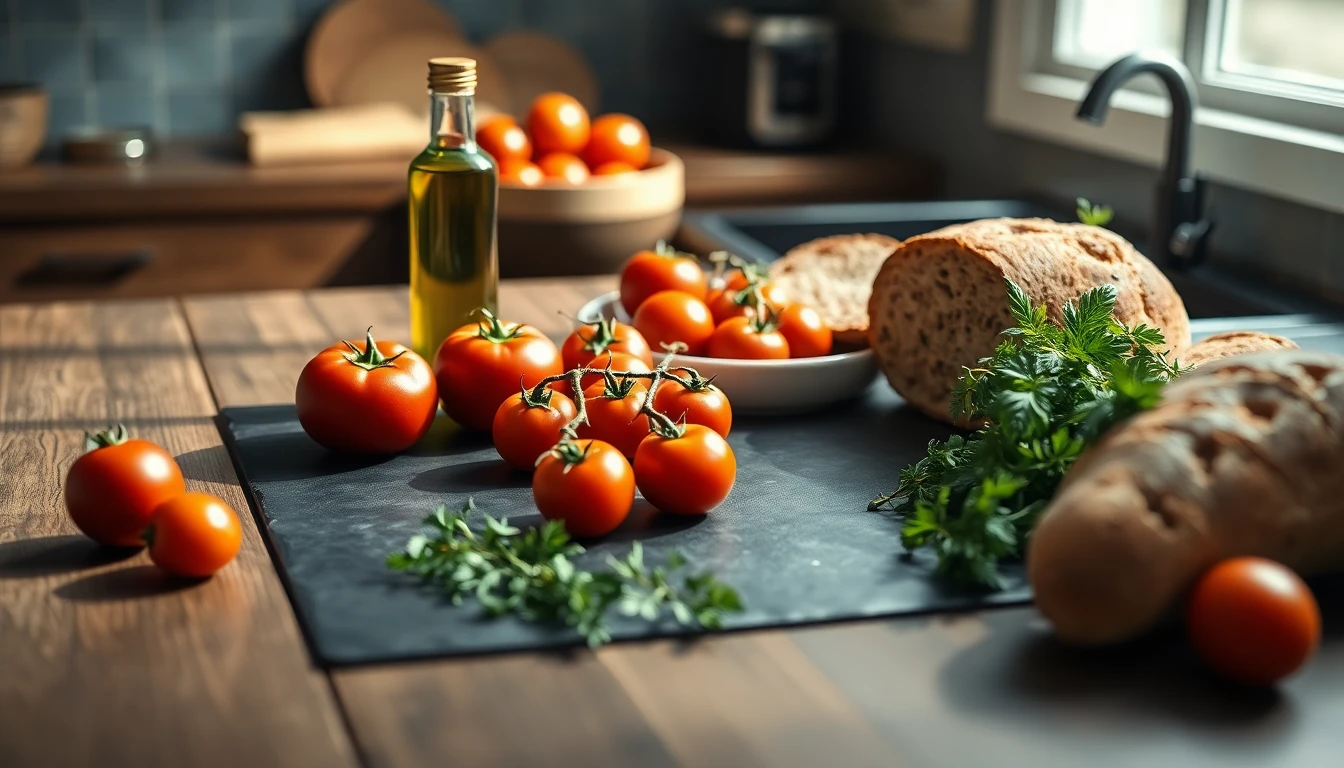
The Mediterranean diet consistently ranks among the world's healthiest eating patterns, backed by decades of research linking it to reduced heart disease, better cognitive function, and lower inflammation. But if you're starting out in the UK, you might wonder how a diet inspired by Greece, Italy and Spain translates to your local Tesco or Sainsbury's—and whether you need expensive specialty ingredients to make it work.
The good news is that the Mediterranean diet is less about exotic shopping lists and more about shifting proportions: more plants, wholegrains and healthy fats; less red meat and processed foods. This beginner's guide will walk you through the evidence base, show you exactly what to buy in UK supermarkets, and provide a practical weekly plan to get started. Whether you're managing a health condition, supporting someone who is, or simply want to eat better, the Mediterranean approach is flexible, delicious, and surprisingly easy to adopt.
What is the Mediterranean Diet and Why Does It Work?
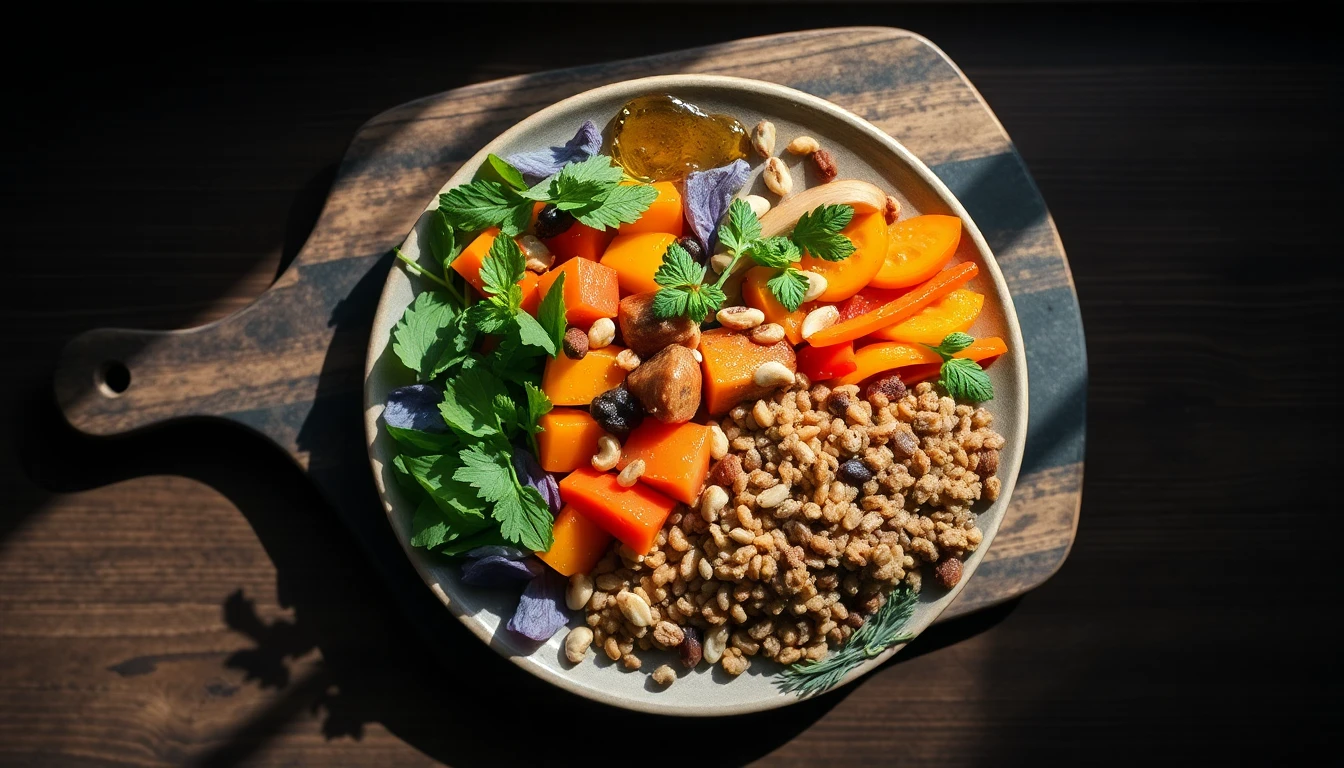
The Mediterranean diet isn't a prescriptive meal plan—it's an eating pattern inspired by the traditional cuisines of countries bordering the Mediterranean Sea. It emphasises plant foods, healthy fats from olive oil and nuts, moderate amounts of fish and poultry, and small portions of dairy and red meat. Wine is often included in moderation, though it's entirely optional.
The evidence supporting this pattern is robust. The landmark PREDIMED trial, published in the New England Journal of Medicine, found that a Mediterranean diet supplemented with extra-virgin olive oil or nuts reduced major cardiovascular events by approximately 30% compared to a low-fat diet. Subsequent research has linked the diet to improved blood sugar control, reduced inflammation markers, better cognitive health in older adults, and healthier body weight maintenance.
What makes it effective isn't a single magic ingredient—it's the synergy of nutrient-dense whole foods, anti-inflammatory fats, fibre, and a lower glycaemic load. For UK beginners, understanding this principle helps you adapt the diet to what's available locally, rather than trying to replicate a Greek taverna menu every night.
Core Principles for Beginners
If you're new to Mediterranean eating, focus on these foundational shifts rather than trying to overhaul everything at once:
- Make vegetables the star — Aim for at least five portions daily, with at least half your plate covered at main meals
- Switch to olive oil — Use extra-virgin olive oil as your primary cooking and dressing fat, replacing butter and vegetable oils where possible
- Choose wholegrains — Swap white bread, pasta and rice for wholemeal, granary or brown varieties
- Eat fish twice weekly — Include at least one oily fish portion (salmon, mackerel, sardines) for omega-3 fatty acids
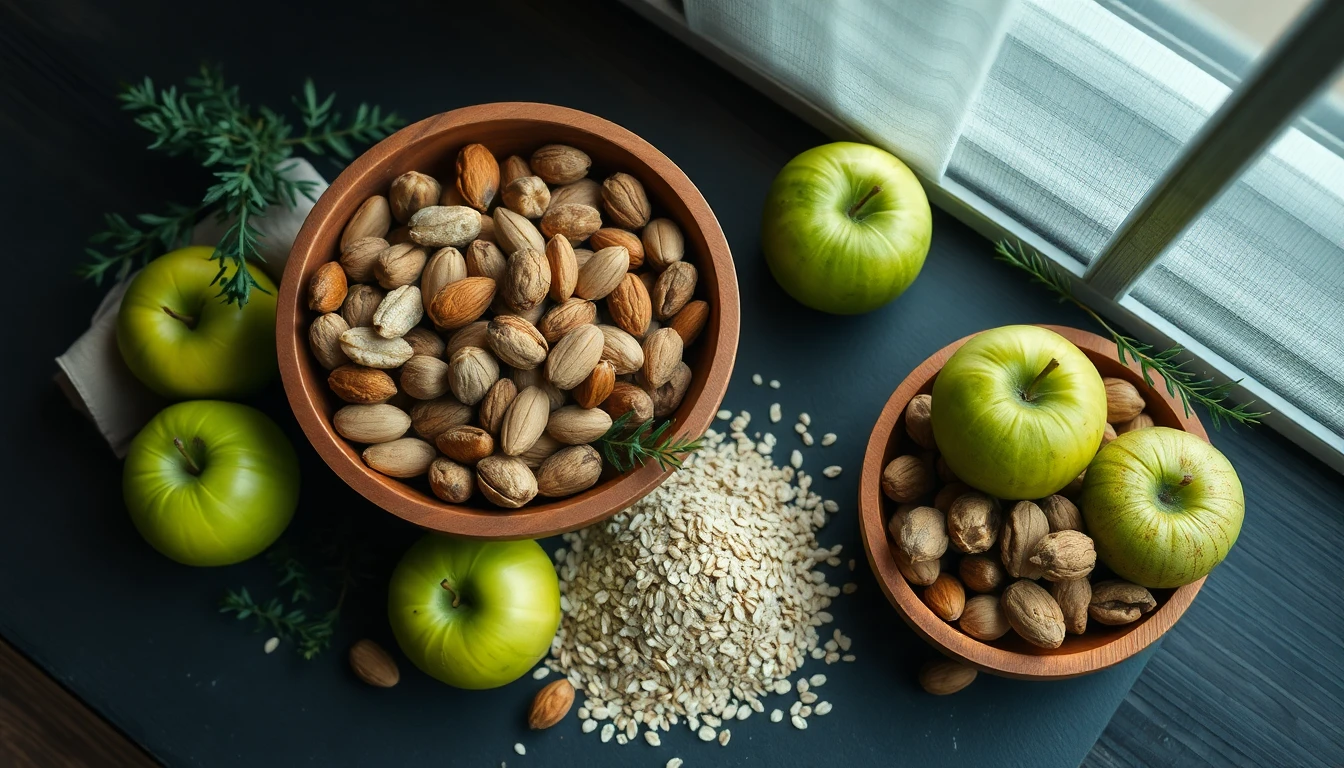
- Snack on nuts and seeds — A small handful (about 30g) daily provides healthy fats, fibre and protein
- Limit red meat — Reserve beef, lamb and pork for occasional meals, focusing on poultry, fish, and plant proteins instead
Shopping for the Mediterranean Diet in UK Supermarkets
One of the biggest misconceptions about Mediterranean eating is that it requires specialty shops or expensive imported goods. In reality, every major UK supermarket stocks everything you need. The key is knowing what to look for and making smart swaps.
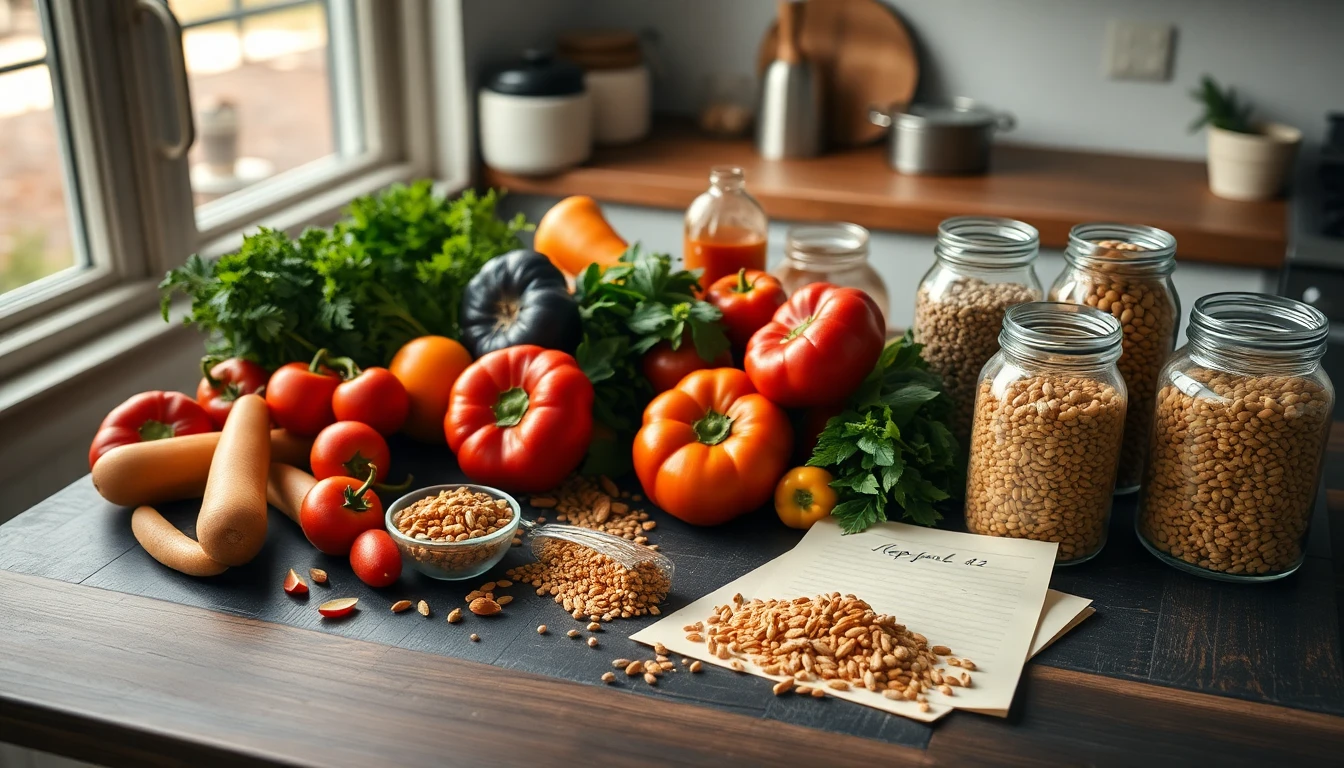
Your Mediterranean Basics Shopping List
Start with these staples, available in Tesco, Sainsbury's, Asda, Morrisons and Waitrose:
- Extra-virgin olive oil — Look for own-brand options; you don't need premium Italian imports for cooking
- Tinned tomatoes — Chopped or whole, ideally with no added sugar
- Tinned pulses — Chickpeas, butter beans, cannellini beans, lentils
- Wholegrain pasta and brown rice — All supermarkets stock own-brand versions
- Frozen fish — Salmon fillets, mackerel, cod or haddock are often better value frozen
- Fresh or frozen vegetables — Peppers, courgettes, aubergines, spinach, broccoli, tomatoes
- Garlic, onions and fresh herbs — Parsley, basil and coriander are widely available; grow your own for economy
- Natural yoghurt — Full-fat or low-fat Greek-style yoghurt without added sugars
- Nuts — Almonds, walnuts, cashews; buy unsalted in larger bags for better value
- Lemons — Essential for dressings, marinades and finishing dishes
- Oats and wholegrain bread — Porridge oats, granary or seeded loaves
Budget-Friendly Tips
Mediterranean eating doesn't have to be expensive. Frozen fish, tinned pulses, and own-brand olive oil keep costs down. Buy vegetables loose rather than pre-packaged, and consider frozen options for items like spinach, peas and peppers—they're just as nutritious and reduce waste. Batch-cook dishes like vegetable stews, lentil soups and bean casseroles, which freeze well and improve in flavour over time.
A Simple Week of Mediterranean Eating for UK Beginners
This sample plan uses ingredients readily available in UK supermarkets and includes familiar dishes adapted to Mediterranean principles. Portions and timings can be adjusted to suit your schedule and appetite.
Monday to Wednesday
- Monday breakfast — Porridge made with oats, topped with sliced banana, a handful of walnuts and a drizzle of honey
- Monday lunch — Wholemeal pitta with hummus, mixed salad leaves, cherry tomatoes, cucumber and grilled chicken strips
- Monday dinner — Baked salmon fillet with roasted Mediterranean vegetables (courgette, red pepper, red onion) drizzled with olive oil and lemon
- Tuesday breakfast — Greek yoghurt with fresh berries, a tablespoon of ground flaxseed and a handful of almonds
- Tuesday lunch — Lentil and vegetable soup with a slice of granary bread
- Tuesday dinner — Wholewheat pasta with homemade tomato sauce, cannellini beans, spinach and basil; side salad with olive oil dressing
- Wednesday breakfast — Two slices of wholegrain toast with mashed avocado, poached egg and cherry tomatoes
- Wednesday lunch — Mackerel salad with mixed leaves, beetroot, cucumber, olives and a lemon-olive oil dressing
- Wednesday dinner — Chicken and chickpea stew with tomatoes, garlic, paprika and fresh coriander; served with brown rice
Thursday to Sunday
- Thursday breakfast — Smoothie with banana, handful of spinach, natural yoghurt, berries and a tablespoon of ground almonds
- Thursday lunch — Wholemeal wrap filled with falafel (shop-bought or homemade), hummus, shredded lettuce, tomato and cucumber
- Thursday dinner — Baked white fish (cod or haddock) with garlic, lemon and parsley; roasted sweet potato wedges and green beans
- Friday breakfast — Porridge with grated apple, cinnamon and a handful of chopped walnuts
- Friday lunch — Butter bean and tomato salad with red onion, parsley, olive oil and lemon juice; wholegrain crackers
- Friday dinner — Homemade vegetable and bean chilli with kidney beans, peppers, courgette and tomatoes; served with brown rice
- Saturday breakfast — Scrambled eggs with sautéed mushrooms, spinach and wholegrain toast
- Saturday lunch — Greek salad with feta, olives, tomatoes, cucumber, red onion and a drizzle of olive oil; wholemeal pitta on the side
- Saturday dinner — Grilled chicken thighs marinated in lemon, garlic and oregano; roasted aubergine, courgette and cherry tomatoes
- Sunday breakfast — Greek yoghurt with sliced peach, honey and a sprinkle of mixed seeds
- Sunday lunch — Roast cod with crushed new potatoes, tenderstem broccoli and a tomato and caper sauce
- Sunday dinner — Lighter meal of vegetable soup with cannellini beans and a slice of granary bread
Snacks and Drinks
Between meals, snack on a small handful of unsalted nuts, fresh fruit, carrot or cucumber sticks with hummus, or a plain yoghurt. Drink plenty of water throughout the day. Herbal teas are encouraged, and moderate coffee is fine. If you drink alcohol, a small glass of red wine with dinner fits the traditional pattern, though it's entirely optional and not necessary for health benefits.
Adapting the Mediterranean Diet to Your Health Needs
One of the diet's strengths is its flexibility. Whether you're managing diabetes, high blood pressure, high cholesterol, or following a specific dietary restriction, the Mediterranean framework adapts well.
For Blood Sugar Control
The high fibre content from wholegrains, pulses and vegetables helps slow glucose absorption and improve insulin sensitivity. Pairing carbohydrates with healthy fats (olive oil, nuts) and protein (fish, poultry, beans) further stabilises blood sugar. If you're on diabetes medication, monitor your levels as your diet improves—you may need dose adjustments.
For Heart Health and Cholesterol
The emphasis on unsaturated fats, omega-3 fatty acids from fish, and fibre-rich plant foods makes this pattern particularly heart-protective. It's been shown to lower LDL cholesterol and reduce blood pressure. If you're taking statins or blood pressure medication, the diet complements your treatment and may enhance its effectiveness.
For Inflammation and Autoimmune Conditions
The Mediterranean diet is naturally anti-inflammatory, thanks to its abundance of antioxidants, polyphenols from olive oil, and omega-3s. For conditions like rheumatoid arthritis or inflammatory bowel disease, many people find symptom relief, though individual tolerance varies—especially with raw vegetables or high-fibre foods during flares.
Considerations with Medications
If you take warfarin or other anticoagulants, be mindful of vitamin K intake from green leafy vegetables—consistency is more important than avoidance. Grapefruit should be avoided if you're on certain statins or blood pressure tablets. Always discuss significant dietary changes with your GP or pharmacist, particularly if you're on multiple medications.
Common Pitfalls and How to Avoid Them
Even with the best intentions, beginners can stumble. Here's how to navigate the most common challenges.
- Overdoing olive oil — It's healthy, but calorie-dense. Measure your portions: roughly one tablespoon for cooking, one for dressings per person
- Forgetting portion sizes — Mediterranean doesn't mean unlimited pasta. Aim for a fist-sized portion of grains, with vegetables filling half the plate
- Relying on processed 'Mediterranean' products — Pre-made pestos, flavoured oils and jarred sauces often contain added sugar, salt and low-quality oils. Make your own when possible
- Skipping variety — Eating the same salmon and salad every day misses the point. Rotate your vegetables, try different fish, experiment with pulses
- Ignoring local and seasonal produce — British asparagus, spring greens, autumn squashes and winter roots all fit beautifully into Mediterranean cooking
- Thinking it's all or nothing — You don't need to eat perfectly. Start with two or three Mediterranean-style dinners a week and build from there
How FreshPlate Supports Your Mediterranean Journey
While the Mediterranean diet is wonderfully flexible, fitting it around your medications, health conditions and food preferences can feel overwhelming, especially if you're juggling several requirements. That's where FreshPlate comes in.
Every recipe the app generates is built around your own medication list. You add each medicine by its brand or generic name, and the app reads it by its active ingredient, so a brand such as Lipitor gets the atorvastatin rules. For conditions, the app steers rather than prescribes: recipes lean towards what public UK guidance from the NHS and BDA says suits the condition, and the app never claims to treat, prevent or cure anything. Onboarding also asks about cultural and religious food preferences, and recipes respect them.
Every recipe has a For you tab that shows what was actually checked for you (allergens, diet and religious rules), why the recipe suits your goal and conditions, and whether it fits what is left of your day. The same tab lists your medicines, and for about 170 of them it opens the NHS or US FDA words about food, quoted word for word, with a link to the checker page. For the rest, it says there is no advice on file yet and points you to your pharmacist. Recipes you keep go onto a shopping list, and the Progress tab shows how your day is going, why, and what to do next. Whether you're a complete beginner or already familiar with Mediterranean eating, FreshPlate is there to help you keep it going day by day.
Frequently asked questions
Is the Mediterranean diet suitable for vegetarians?
+
Yes, absolutely. The diet is naturally plant-focused, and you can replace fish and poultry with pulses, lentils, tofu, eggs and dairy. Ensure you're getting enough protein, iron and B12—consider a B12 supplement if you're also avoiding dairy and eggs.
Can I lose weight on the Mediterranean diet?
+
Many people lose weight naturally on this pattern due to its emphasis on whole foods, high fibre and healthy fats that promote satiety. However, portion control still matters, especially with calorie-dense foods like olive oil, nuts and cheese.
Do I need to drink wine on the Mediterranean diet?
+
No. While moderate red wine consumption is traditional, it's optional and not required for health benefits. If you don't drink alcohol, there's no reason to start. Water, herbal teas and occasional coffee are the main beverages.
How much does it cost to follow the Mediterranean diet in the UK?
+
It can be very affordable. Focus on seasonal vegetables, tinned fish and pulses, frozen produce, and own-brand staples. Batch cooking and reducing food waste also keep costs down. It's often cheaper than a diet heavy in processed foods and red meat.
Can children follow the Mediterranean diet?
+
Yes, it's a healthy pattern for all ages. Children benefit from the variety of whole foods, healthy fats for brain development, and nutrient density. Adjust portion sizes to their needs and involve them in cooking to build positive food relationships.
Sources
Did this answer your question?
Reece reads every reply. Questions we have not covered become new guides.
Small food changes. Big difference.
Get practical mediterranean diet tips by email — simple, evidence-based changes you can make this week. One genuinely useful email a week — no spam, unsubscribe anytime.
Free forever. You'll also be first in line for the FreshPlate app — with a free trial at launch.