Nightshade Vegetables Inflammation: Should You Avoid Them?
Do nightshade vegetables cause inflammation? We examine the solanine myth, review the scientific evidence, and explain when avoidance might help.

By Reece Douglas · Founder, FreshPlate
If you've been researching anti-inflammatory diets or managing an autoimmune condition, you've likely encountered warnings about nightshade vegetables. Tomatoes, potatoes, aubergines, and peppers—staples in many healthy diets—are sometimes painted as inflammatory culprits that worsen arthritis, joint pain, and autoimmune symptoms. But is there any scientific basis for these claims?
The controversy centres around naturally occurring compounds called alkaloids, particularly solanine, found in nightshade plants. Whilst these vegetables have been consumed safely for centuries across diverse cuisines, the notion that they cause inflammation has gained traction in wellness circles. Let's separate myth from evidence and explore when nightshade avoidance might—or might not—make sense for your health.
What Are Nightshade Vegetables?
These vegetables are nutritional powerhouses, rich in vitamins C and A, potassium, fibre, and beneficial antioxidants like lycopene in tomatoes and capsaicin in peppers. They form the foundation of Mediterranean and other heart-healthy dietary patterns that have strong evidence for reducing chronic disease risk.
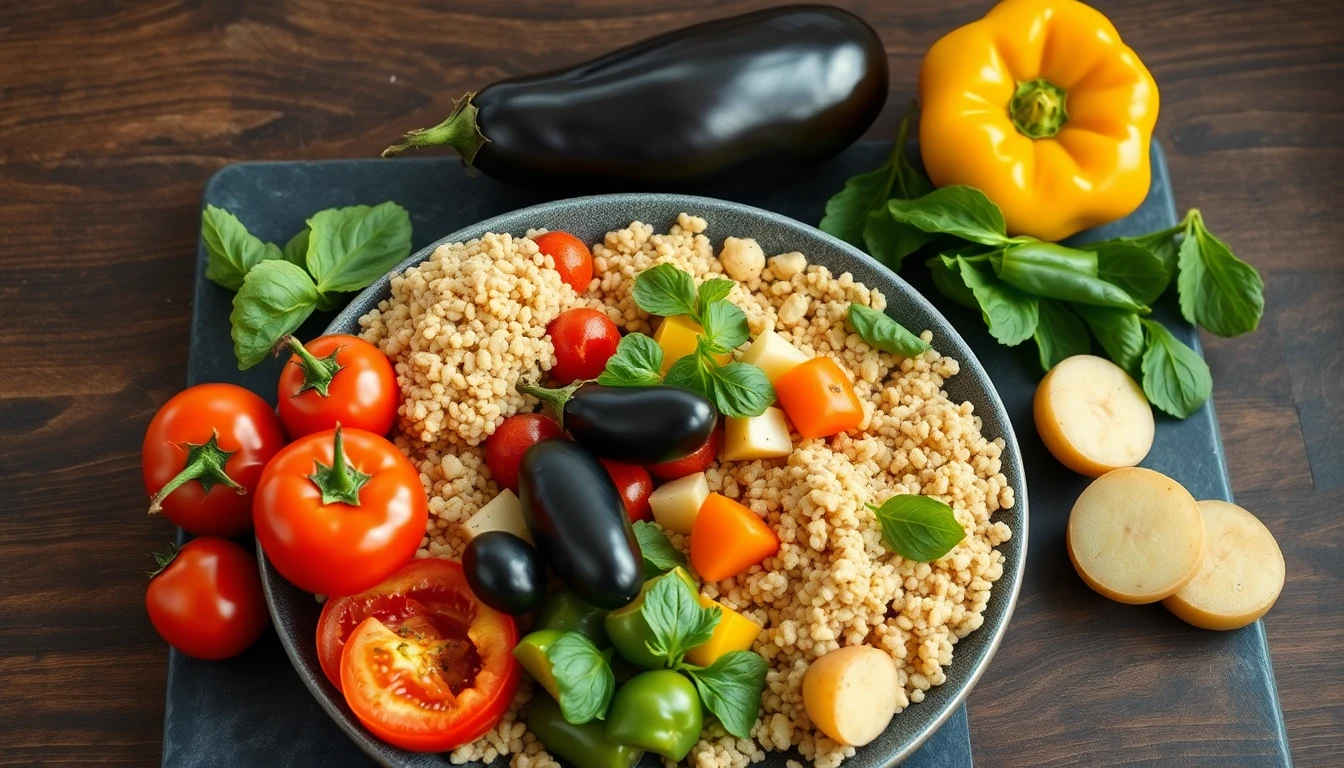
- Tomatoes — including all varieties, from cherry to beefsteak, and processed products like passata and ketchup
- Potatoes — white, red, and yellow varieties (but not sweet potatoes, which aren't nightshades)
- Aubergines — also known as eggplant, in all colours and sizes
- Peppers — bell peppers, chilli peppers, paprika, and cayenne pepper
- Goji berries — sometimes called wolfberries, popular in health food circles
The Solanine Myth: Understanding Alkaloids in Nightshades
The concern about nightshade vegetables and inflammation largely stems from their glycoalkaloid content, particularly solanine and chaconine in potatoes, and tomatine in tomatoes. These compounds serve as the plant's natural defence against pests and diseases.
What Solanine Actually Does
Solanine can indeed be toxic—but only at levels far exceeding what you'd encounter in normal food consumption. Symptoms of genuine solanine poisoning include nausea, vomiting, diarrhoea, and in severe cases, neurological effects. However, this requires consuming extremely high concentrations, typically from eating green or sprouted potatoes in large quantities.
Modern potato varieties are bred to contain low levels of glycoalkaloids. A 2005 study found that you'd need to consume approximately 450 grams of fully green potatoes to reach potentially toxic levels—far more than anyone would accidentally eat, and certainly more than taste would allow.
The Inflammation Connection: Where's the Evidence?
Despite widespread claims, there is no robust scientific evidence that the alkaloid content in normal nightshade vegetable consumption causes inflammation in healthy individuals. The theory that solanine triggers inflammatory responses is largely based on anecdotal reports rather than controlled clinical trials.
A comprehensive review of the literature reveals no peer-reviewed studies demonstrating that nightshade vegetables increase inflammatory markers such as C-reactive protein (CRP) or interleukin-6 (IL-6) in humans. In fact, many nightshade vegetables have been shown to have anti-inflammatory properties due to their antioxidant content.
Nightshade Vegetables and Arthritis: What Does Research Show?
The belief that nightshades worsen arthritis symptoms is particularly persistent, yet research paints a different picture. One often-cited survey from the 1990s suggested that some arthritis patients reported symptom improvement after eliminating nightshades, but this was based on self-reporting without clinical validation or control groups.
The Evidence for Joint Health
Multiple studies have actually found beneficial associations between nightshade vegetable consumption and joint health. Research on tomatoes and lycopene has shown potential protective effects against oxidative stress, which contributes to inflammatory conditions. Capsaicin from chilli peppers is well-established as a topical pain reliever and is used in arthritis creams.
A 2011 study published in the Journal of Nutrition found that higher vegetable intake, including nightshades, was associated with lower inflammatory markers. Similarly, the Mediterranean diet—which includes generous amounts of tomatoes, peppers, and aubergines—has consistently demonstrated anti-inflammatory effects and improved outcomes in rheumatoid arthritis patients.
The Individual Response Factor
Whilst population-level evidence doesn't support blanket nightshade avoidance, individual responses can vary. Some people may have genuine sensitivities or intolerances to specific nightshade vegetables, just as with any food. These reactions are distinct from the alkaloid-inflammation theory and more likely related to other compounds or individual immune responses.
True nightshade allergies are rare but documented. More commonly, people may have sensitivities to specific vegetables within the nightshade family rather than the entire group—for instance, reacting to tomatoes but tolerating peppers perfectly well.
The Autoimmune Protocol and Nightshade Elimination
The Autoimmune Protocol (AIP) diet, designed to identify food triggers in autoimmune conditions, includes temporary elimination of nightshades. This protocol has gained attention in managing conditions like inflammatory bowel disease, rheumatoid arthritis, and lupus. It's important to understand the context and purpose of this approach.
How the AIP Approach Works
The AIP diet is an elimination protocol, not a permanent prescription to avoid nightshades. It temporarily removes several food categories, including nightshades, grains, legumes, dairy, and others, for 30-90 days. Foods are then systematically reintroduced whilst monitoring symptoms to identify individual triggers.
This approach acknowledges that autoimmune conditions involve complex, individualised responses. The goal isn't to prove nightshades are universally problematic, but to determine whether they affect you personally. Many people successfully reintroduce nightshades without issues after the elimination phase.
When Elimination Might Be Worth Considering
It's crucial to approach elimination thoughtfully. Removing entire food groups without professional guidance can lead to nutritional deficiencies and unnecessarily restrictive eating patterns. The nightshade family provides significant amounts of vitamin C, potassium, and beneficial antioxidants that need to be replaced from other sources if eliminated long-term.
- An autoimmune condition — particularly inflammatory conditions like rheumatoid arthritis, lupus, or inflammatory bowel disease, and you suspect food triggers
- Persistent unexplained symptoms — such as joint pain, digestive issues, or skin problems that haven't responded to other interventions
- Guidance from a healthcare professional — ideally working with a registered dietitian to ensure nutritional adequacy during elimination
The Bottom Line: Should You Avoid Nightshades?
Remember that restrictive diets can impact quality of life, social eating, and nutritional adequacy. The burden of proof should be on demonstrating that a food causes you problems, not on proving it's safe to eat.
- Keep nightshades if — you have no symptoms that correlate with eating them, and they add variety and nutrition to your diet
- Consider a trial elimination if — you have an autoimmune condition with unexplained symptom flares, and you're working with a healthcare professional
- Don't avoid them based on fear — there's insufficient evidence to support blanket avoidance for inflammation prevention
- Focus on overall diet quality — rather than single food groups, emphasise whole foods, adequate fibre, and minimally processed meals
How FreshPlate Can Support You with Food Sensitivities
Managing dietary restrictions, whether evidence-based or personalised to your own responses, shouldn't mean hours of recipe research or guesswork. FreshPlate builds every recipe around your medication list, and its For you tab shows what was actually checked for you: allergens, diet and religious rules. It also gives a line on why a recipe suits your goal and conditions, and whether it fits what is left of your day.
One thing to know: nightshades aren't something FreshPlate can filter out for you, so if you're following an autoimmune protocol or have a confirmed sensitivity, you'll still be the one deciding what goes on your plate. What the app can do is help you keep track. You can log meals by photo, barcode or search, and a packet no database knows is read off its own label, so you can see what you've eaten. If you cook your own dishes, Cook on the Meals tab measures a homemade food from its ingredient lines and lets you log a portion in one tap, which is handy for keeping notes on what you ate when you're on an elimination trial.
Rather than relying on generic advice about what foods to fear, you can use your own food log alongside the guidance behind the Progress tab, which names its sources (NHS, WHO, UK RNI), to see how your days are going. It's a way of taking some of the effort out of eating well with health conditions, while the decisions about triggers stay with you and your healthcare professional.
Frequently asked questions
Do nightshade vegetables cause inflammation?
+
There is no strong scientific evidence that nightshade vegetables cause inflammation in most people. Whilst they contain alkaloids like solanine, levels in commonly eaten varieties are far too low to trigger inflammatory responses. Some individuals with autoimmune conditions may experience personal sensitivities, but this isn't universal.
What are the symptoms of nightshade intolerance?
+
Genuine nightshade sensitivity may cause digestive symptoms (bloating, gas, diarrhoea), joint pain, or skin reactions. However, these symptoms are non-specific and could have many causes. A structured elimination and reintroduction trial is needed to establish a true connection.
Should I avoid nightshades if I have arthritis?
+
Most people with arthritis don't need to avoid nightshades. Research hasn't shown that nightshade vegetables worsen arthritis symptoms in general. If you suspect they affect you personally, try a supervised 4-6 week elimination followed by reintroduction to assess your individual response.
Are sweet potatoes nightshades?
+
No, sweet potatoes are not nightshades. Despite the name similarity, sweet potatoes belong to the morning glory family (Convolvulaceae), not the nightshade family (Solanaceae), and don't contain the same alkaloid compounds as regular potatoes.
How long does it take to see results from eliminating nightshades?
+
If nightshades genuinely affect you, most people notice symptom changes within 2-4 weeks of elimination. The Autoimmune Protocol typically recommends 30-90 days before reintroduction. Keep a detailed symptom diary to track any genuine patterns rather than relying on subjective impressions.
Sources
Did this answer your question?
Reece reads every reply. Questions we have not covered become new guides.
Make nightshade vegetables one less thing to worry about.
Get our free nightshade vegetables guide by email — the best food sources, what helps and hinders absorption, and a week of meal ideas. One genuinely useful email a week — no spam, unsubscribe anytime.
Free forever. You'll also be first in line for the FreshPlate app — with a free trial at launch.