Crohn's Disease Diet: What to Eat During Flares & Remission
Managing Crohn's disease through diet requires different approaches during flares versus remission. Learn which foods to choose and avoid at each stage.

By Reece Douglas · Founder, FreshPlate
Listen to this article
Crohn's Disease Diet: What to Eat During Flares & Remission
Living with Crohn's disease means your dietary needs aren't static. What you can comfortably eat shifts between active flares and periods of remission, making nutrition management feel like a moving target. Unlike many chronic conditions where dietary advice remains constant, Crohn's disease demands a responsive approach that adapts to your current disease activity.
The goal isn't restriction for its own sake—it's strategic eating that minimises inflammation and bowel irritation during flares, then deliberately expanding your diet during calmer periods to prevent nutritional deficiencies. Understanding which foods to choose at each stage, and how to identify your personal triggers, forms the foundation of effective dietary management for Crohn's disease.
Understanding the Crohn's Disease Diet Approach
There's no single 'Crohn's diet' that works universally, because the condition affects different parts of the digestive tract in different people, and individual food tolerances vary enormously. However, the general principle remains consistent: reduce mechanical and chemical irritation during active disease, then optimise nutrition during remission.
The inflammatory process in Crohn's disease damages the intestinal lining, narrowing the gut in some areas and creating ulcerated patches in others. During flares, these compromised sections struggle with high-fibre foods, tough textures, and certain chemical compounds that healthy bowels handle easily. This is why a low-residue approach becomes essential when symptoms are active.
During remission, the priority shifts toward nutritional repletion. Many people with Crohn's disease develop deficiencies in iron, vitamin B12, vitamin D, calcium, and zinc due to malabsorption, previous inflammation, or necessary dietary restrictions during flares. Remission offers a window to rebuild these stores whilst carefully reintroducing a broader range of foods.
What to Eat During a Crohn's Flare
During active flares, the primary dietary goal is reducing the volume and texture of stool to minimise irritation to inflamed bowel segments. A low-residue diet limits fibre to around 10-15 grams daily, choosing easily digestible foods that leave minimal undigested material.
- White rice and refined pasta — these low-fibre carbohydrates are well-tolerated and provide accessible energy without bulking stool
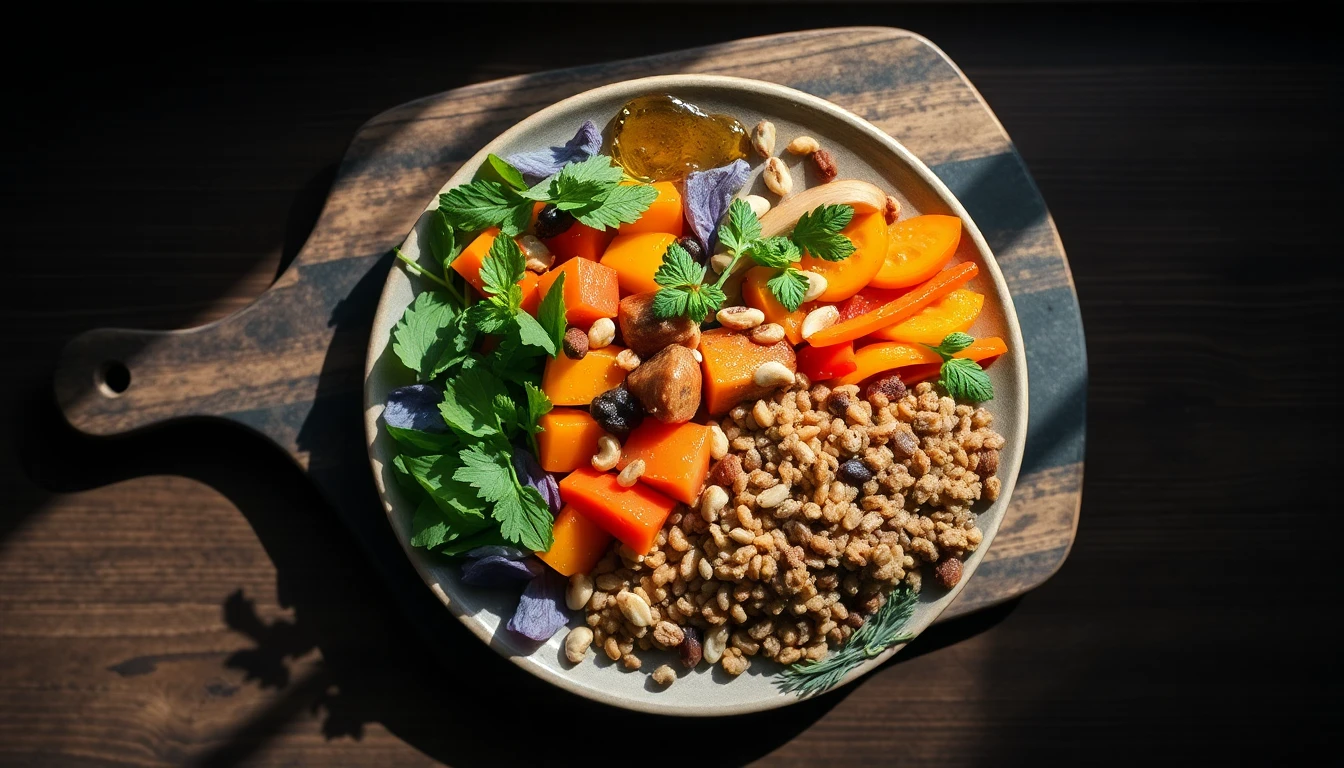
- Well-cooked, peeled vegetables — carrots, courgettes, and marrow with skins and seeds removed reduce fibre whilst providing some micronutrients
- Ripe bananas — naturally low in fibre and high in easily absorbed carbohydrates and potassium
- Lean proteins — poached chicken, white fish, and eggs prepared without excessive fat provide essential amino acids without aggravating symptoms
- Smooth nut butters — small amounts of well-ground peanut or almond butter offer protein and calories without the roughage of whole nuts
- White bread and crackers — refined grain products without seeds or whole grains
- Well-cooked oats — made with water or lactose-free milk if dairy is problematic
Foods to Avoid During Flares
Certain foods are particularly likely to worsen symptoms during active Crohn's disease. Whilst individual tolerance varies, these categories commonly cause problems when inflammation is present.
- Raw vegetables and salads — the insoluble fibre and tough cellulose can irritate damaged bowel
- Whole grains and seeded bread — bran, wholemeal flour, and seeds increase stool bulk and may not fully break down
- Nuts and dried fruit — both pass through partially undigested and can aggravate narrow or inflamed sections
- Red meat and fatty cuts — harder to digest and may slow gastric emptying
- Spicy foods and strong seasonings — capsaicin and certain spices can chemically irritate the gut lining
- Caffeinated and alcoholic drinks — both stimulate gut motility and can worsen diarrhoea
- High-lactose dairy — many people with active Crohn's develop secondary lactose intolerance during flares
Meal Patterns During Flares
How you eat matters as much as what you eat during a flare. Smaller, more frequent meals reduce the workload on your digestive system at any one time. Aim for five to six small meals rather than three large ones, and eat slowly, chewing thoroughly to begin the digestive process mechanically before food reaches your compromised bowel.
Staying adequately hydrated is crucial, especially if you're experiencing diarrhoea. Water, diluted fruit juice, and oral rehydration solutions help replace lost fluids and electrolytes. Avoid gulping large volumes at once; instead, sip steadily throughout the day.
Expanding Your Diet During Remission
When symptoms settle and inflammation reduces—confirmed by your gastroenterologist through clinical assessment and often biomarkers like faecal calprotectin—you can begin carefully expanding your diet. This phase is essential for addressing nutritional deficiencies and improving quality of life, but it requires a methodical approach.
Reintroduction should be gradual and systematic. Add one new food every three to four days, starting with small portions and monitoring your response. This spacing allows you to identify problematic foods clearly rather than introducing multiple items simultaneously and being unable to pinpoint which caused symptoms if they return.
- Cooked vegetables with skins — gradually reintroduce peels and higher-fibre vegetables like broccoli, cauliflower, and peppers
- Whole grains — brown rice, wholemeal bread, and quinoa can usually be tolerated in remission and provide B vitamins and minerals
- Fresh fruit — apples, pears, berries, and stone fruit offer vitamins, antioxidants, and soluble fibre
- Legumes and pulses — lentils, chickpeas, and beans are excellent protein and iron sources, though some people need them well-cooked or puréed
- Nuts and seeds — provide healthy fats, vitamin E, and minerals when inflammation is controlled
- Oily fish — salmon, mackerel, and sardines supply omega-3 fatty acids that may help maintain remission
- Fermented foods — live yoghurt, kefir, sauerkraut, and kimchi introduce beneficial bacteria, though introduce cautiously as some people find them gas-producing
Addressing Common Deficiencies
Remission is the ideal time to actively correct nutritional deficiencies through food. People with Crohn's disease, particularly those with ileal involvement or previous resections, commonly need to focus on specific nutrients.
- Vitamin B12 — found in meat, fish, eggs, and fortified foods; those with ileal disease may need injections as dietary sources become insufficient
- Iron — red meat, poultry, fish, fortified cereals, and dark leafy greens; pair plant sources with vitamin C to enhance absorption
- Calcium and vitamin D — essential for bone health, especially if you've taken corticosteroids; found in dairy, fortified alternatives, tinned fish with bones, and sunlight exposure for vitamin D
- Zinc — important for healing and immune function; present in meat, shellfish, legumes, and seeds
- Folate — particularly important if taking methotrexate; found in green vegetables, fortified grains, and legumes
Tracking Your Personal Trigger Foods
Whilst research identifies foods that commonly cause problems in Crohn's disease, your individual response is what truly matters. What triggers symptoms in one person may be perfectly tolerated by another. Systematic tracking helps you build a personalised understanding of your dietary tolerances.
A detailed food and symptom diary is invaluable. Record everything you eat and drink, portion sizes, preparation methods, and timing. Then note symptoms—abdominal pain, bloating, diarrhoea, urgency—including their severity and timing relative to meals. After several weeks, patterns often emerge that wouldn't be obvious from memory alone.
Common individual triggers include dairy products, high-fat foods, artificial sweeteners (particularly sugar alcohols like sorbitol and xylitol), emulsifiers in processed foods, and specific vegetables like onions, garlic, or cruciferous varieties. Some people also react to wheat not because of coeliac disease but due to fructans or the sheer volume of refined carbohydrates.
The Low-FODMAP Approach
Some people with Crohn's disease find the low-FODMAP diet helpful, particularly if they experience significant bloating and functional symptoms alongside their inflammatory disease. FODMAPs are fermentable carbohydrates that can cause gas, bloating, and altered bowel habits in sensitive individuals.
This approach involves temporarily eliminating high-FODMAP foods—certain fruits, vegetables, grains, dairy products, and sweeteners—then systematically reintroducing them to identify specific intolerances. However, it's important to work with a dietitian experienced in IBD, as the elimination phase is nutritionally restrictive and shouldn't be followed long-term without proper guidance, especially when you're already at risk of deficiencies.
Working With Healthcare Professionals
Dietary management of Crohn's disease benefits enormously from specialist input. An IBD dietitian can assess your nutritional status, identify deficiencies, guide appropriate restrictions during flares, and support safe diet expansion in remission. They can also determine whether you need supplementation—either standard over-the-counter products or prescribed high-dose versions for severe deficiencies.
Your gastroenterologist should remain informed about dietary changes, especially if you're following restrictive patterns. Sometimes what appears to be food-triggered symptoms actually indicates disease relapse requiring medical treatment, not just dietary adjustment.
Practical Tips for Managing a Crohn's Disease Diet
Beyond knowing which foods to choose, practical strategies make daily eating more manageable when you're dealing with an unpredictable condition.
- Meal preparation during remission — cook and freeze portions of safe, well-tolerated meals that you can rely on when a flare starts unexpectedly
- Portable safe snacks — keep white crackers, rice cakes, smooth nut butter sachets, and ripe bananas available for times when symptoms increase away from home
- Restaurant navigation — don't hesitate to ask for modifications; plain grilled protein with well-cooked vegetables and white rice is available almost everywhere
- Social situation planning — eat a small safe meal before events where food options may be limited or unknown, reducing pressure to eat problematic foods
- Cooking methods matter — steaming, boiling, and gentle baking are generally better tolerated than frying or heavy roasting
- Fibre transition — when increasing fibre during remission, do so gradually over weeks to allow your gut bacteria and bowel to adapt
- Timing around medication — some Crohn's medications work best on an empty stomach whilst others need food; clarify instructions with your pharmacist
How FreshPlate Supports Your Crohn's Disease Diet
Managing the shifting dietary requirements of Crohn's disease involves a lot of decisions: remembering which foods to avoid during flares, working out your own triggers, getting enough nutrition in remission, and thinking about medicines like azathioprine or methotrexate. FreshPlate is built to take some of that legwork off you, though it supports your choices rather than making them for you.
When you add Crohn's disease to your profile, FreshPlate steers your recipes rather than prescribing: they lean towards what public UK guidance (NHS, BDA) says suits the condition, and the app never claims to treat, prevent or cure anything. If you have allergens that matter to you, they are treated with zero tolerance: the recipe brief forbids them, including related names (pork also means chorizo, bacon and ham), and a keyword filter checks every title and ingredient again after the recipe is generated.
Every recipe is also built around your own medication list, which you add by brand or generic name from the NHS's own medicines list. The For you tab on each recipe lists your medicines. For those with food advice on file, it shows the wording quoted word for word, with a link to the interaction checker; for the rest it says there is no advice on file yet and points you to your pharmacist. It also shows what was checked for you, why the recipe suits your goal and conditions, and whether it fits what is left of your day. Please keep your IBD team or pharmacist involved in decisions about food and your medicines.
Frequently asked questions
Can diet alone control Crohn's disease?
+
No, diet cannot control the underlying inflammation in Crohn's disease, which requires medical treatment. However, dietary management significantly helps control symptoms, reduce flare severity, prevent nutritional deficiencies, and improve quality of life alongside medication.
Should I avoid fibre completely with Crohn's disease?
+
No, only during active flares should you follow a low-residue diet restricting fibre. During remission, gradually reintroducing fibre from well-tolerated sources is important for overall health, gut bacteria diversity, and preventing other conditions like diverticular disease.
Why do I react to foods during a flare that I tolerate fine in remission?
+
During flares, inflammation narrows the bowel and damages the lining, making it sensitive to mechanical irritation from fibre and chemical compounds. When inflammation settles in remission, the bowel heals and can handle foods that were temporarily problematic.
Is the low-FODMAP diet recommended for Crohn's disease?
+
The low-FODMAP diet may help some people with Crohn's disease who have overlapping IBS-type symptoms, particularly bloating. However, it should be undertaken with dietitian guidance as it's nutritionally restrictive and may be unnecessarily limiting if FODMAPs aren't actually your problem.
Do I need to take vitamin supplements with Crohn's disease?
+
Many people with Crohn's disease develop deficiencies in B12, iron, vitamin D, calcium, and other nutrients due to malabsorption or dietary restrictions. Blood tests can identify deficiencies, and your doctor or dietitian can advise whether you need supplements beyond what diet provides.
Sources
Did this answer your question?
Reece reads every reply. Questions we have not covered become new guides.
The right foods make living with Crohn’s disease easier.
Get our free Crohn’s disease food guide by email — what to eat more of, what to limit, and simple meals that support you day to day. One genuinely useful email a week — no spam, unsubscribe anytime.
Free forever. You'll also be first in line for the FreshPlate app — with a free trial at launch.