Prebiotic Foods: UK Guide to Feeding Good Gut Bacteria
Discover the best prebiotic foods available in the UK to nourish your gut bacteria. Learn the difference from probiotics, how much you need, and FODMAP tips.

By Reece Douglas · Founder, FreshPlate
Listen to this article
Prebiotic Foods: UK Guide to Feeding Good Gut Bacteria
You've likely heard plenty about probiotics—those live bacteria supplements and fermented foods that promise to boost your gut health. But prebiotics are the unsung heroes of digestive wellness, and they're possibly even more important. These special plant fibres act as food for the beneficial bacteria already living in your gut, helping them thrive and multiply.
The good news is that many everyday foods available in UK supermarkets are rich in prebiotics. Understanding which foods contain these gut-nourishing compounds, and how to incorporate them into your diet, can make a real difference to your digestive health, immune function, and overall wellbeing. This guide will help you navigate prebiotic foods, understand how they differ from probiotics, and work out how much you actually need—including important considerations if you're managing IBS or following a low-FODMAP diet.
What Are Prebiotic Foods and How Do They Work?
Prebiotic foods contain specific types of dietary fibre that your body cannot digest. This might sound like a drawback, but it's actually their superpower. Because you can't break them down in your small intestine, these fibres travel intact to your colon, where trillions of gut bacteria are waiting for their next meal.
The most common prebiotics belong to a group called fructans, which include inulin and fructooligosaccharides (FOS). Other important prebiotics include galactooligosaccharides (GOS) and resistant starch. When your gut bacteria ferment these fibres, they produce short-chain fatty acids like butyrate, which nourish the cells lining your colon, reduce inflammation, and may even influence your mood and immune system.
Not all fibre is prebiotic, though. To earn the prebiotic label, a food compound must resist digestion in the upper gut, be fermented by intestinal bacteria, and selectively stimulate the growth or activity of beneficial bacteria. This selectivity is what sets prebiotics apart from general dietary fibre.
Prebiotics vs Probiotics: Understanding the Difference
Think of it this way: if your gut is a garden, probiotics are new plants you're adding, while prebiotics are the fertiliser that helps everything grow. For most people, a diet rich in prebiotic foods provides a more sustainable approach to gut health than relying on probiotic supplements, though both can play a role.
- Probiotics — Live bacteria or yeasts found in fermented foods (yoghurt, kefir, sauerkraut) or supplements. You're adding new beneficial microbes to your gut
- Prebiotics — Non-digestible fibres found in plant foods. You're feeding the beneficial bacteria already living in your gut
- Synbiotics — Products or meals that combine both prebiotics and probiotics, giving you new bacteria plus the food to help them flourish
Best Prebiotic Foods Available in the UK
You don't need exotic superfoods or expensive supplements to get prebiotics into your diet. Many affordable, everyday foods sold in UK supermarkets are excellent sources. Here are the top options, grouped by type.
Allium Vegetables
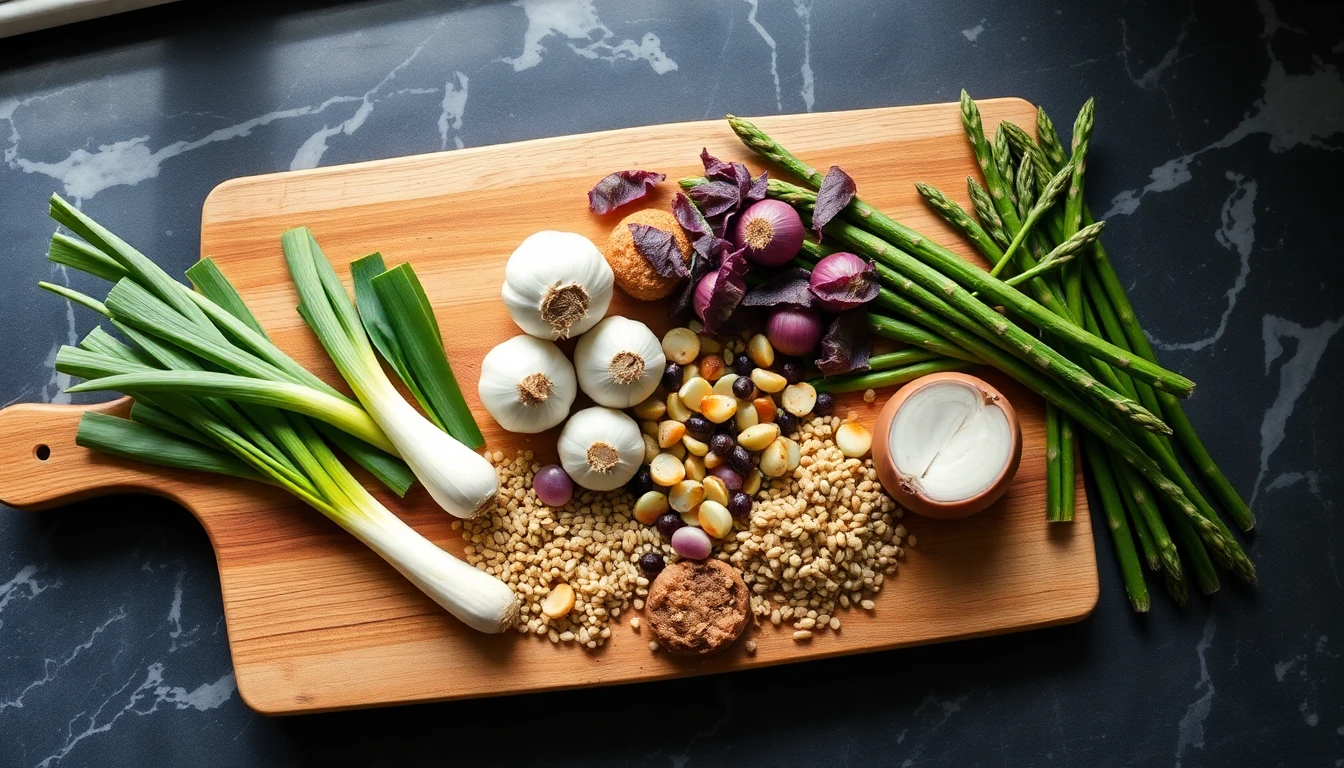
This family of pungent vegetables is among the richest sources of prebiotic fibres, particularly inulin and FOS.
- Onions — One of the best sources of inulin; both raw and cooked onions provide prebiotics, though raw contains more
- Garlic — Contains up to 17% inulin by weight when raw; adds flavour whilst feeding your gut bacteria
- Leeks — Milder than onions but equally prebiotic-rich; the white and light green parts are best
- Spring onions — A gentler option that still delivers prebiotic benefits; use both white and green parts
- Shallots — Similar prebiotic profile to onions with a sweeter, more delicate flavour
Wholegrains and Cereals
- Oats — Contain beta-glucan, a prebiotic fibre that also helps lower cholesterol; porridge is an easy daily source
- Barley — Another beta-glucan source; pearl barley works well in soups and stews
- Wheat bran — Very high in prebiotic arabinoxylan; found in bran-based cereals and wholemeal bread
- Rye bread — Particularly sourdough rye, which combines prebiotics with easier digestibility
Fruits and Vegetables
- Bananas — Slightly underripe bananas are best; they contain resistant starch that acts as a prebiotic
- Asparagus — Roughly 5% inulin by weight; British asparagus season runs May to June
- Chicory root — The richest natural source of inulin (up to 47%), though more common as an added ingredient than a fresh vegetable in UK shops
- Jerusalem artichokes — Also called sunchokes; extremely high in inulin but can cause wind in sensitive individuals
- Apples — Contain pectin, a prebiotic fibre concentrated in the skin
- Tomatoes — Provide prebiotic inulin alongside other beneficial compounds
Pulses and Legumes
- Chickpeas — Contain galactooligosaccharides (GOS); tinned varieties are convenient and equally nutritious
- Lentils — Red, green, or puy lentils all provide prebiotic fibres and resistant starch
- Beans — Kidney beans, butter beans, and haricot beans are all good sources; the resistant starch increases when cooled after cooking
How Much Prebiotic Fibre Do You Need?
Remember to drink plenty of water as you increase fibre intake. Fibre works best when it can absorb water in your digestive system, helping to keep everything moving smoothly.
- Week 1-2 — Add one small serving of prebiotic foods daily (e.g., half a banana with breakfast or a clove of garlic in your evening meal)
- Week 3-4 — Increase to two servings across different meals, choosing from different categories
- Week 5 onwards — Aim for prebiotic foods at most meals, focusing on variety rather than large amounts of any single food
Prebiotic Foods and the Low-FODMAP Diet
Here's where things get complicated for some people. Many of the best prebiotic foods are also high in FODMAPs—fermentable oligosaccharides, disaccharides, monosaccharides, and polyols. These are short-chain carbohydrates that can trigger symptoms in people with irritable bowel syndrome (IBS).
FODMAPs and prebiotics overlap considerably because both are fermented by gut bacteria. The difference is in how your gut responds. For people with IBS, this fermentation can happen too quickly or in the wrong part of the digestive system, causing pain, bloating, and altered bowel habits.
If you're following a low-FODMAP diet under the guidance of a registered dietitian, you'll need to be selective about prebiotic foods during the elimination phase. However, the low-FODMAP diet is meant to be temporary—it's a diagnostic tool, not a long-term eating plan. The reintroduction phase is crucial for identifying which specific prebiotics you can tolerate and in what quantities.
Lower-FODMAP Prebiotic Options
Even during FODMAP restriction, you can still include some prebiotic foods. These options are lower in FODMAPs whilst still providing gut-friendly fibres:
- Firm bananas — Green or just-ripe bananas are low-FODMAP in normal portions (one medium banana)
- Oats — Well-tolerated by most people with IBS; stick to a 60g serving
- Carrots — Contain some prebiotic fibres and are low-FODMAP
- Kiwi fruit — Low-FODMAP and contains prebiotic compounds
- Oranges — One medium orange is low-FODMAP and provides pectin
- Canned lentils — Small portions (46g) are low-FODMAP when well-rinsed; the canning process reduces FODMAP content
- Tomatoes — Common cherry or regular tomatoes are low-FODMAP and contain prebiotic inulin
Working with Reintroduction
Once symptoms are controlled, systematically reintroducing higher-FODMAP prebiotic foods helps you understand your personal tolerance. You might find you can manage garlic-infused oil but not whole garlic, or small amounts of onion cooked into dishes but not raw onion. This personalisation is where the real value of the FODMAP approach lies—it's not about permanent restriction but about finding your individual threshold.
Many people with IBS can gradually increase their tolerance to prebiotics as their gut microbiome improves, creating a positive cycle of better gut health and fewer symptoms.
Practical Tips for Adding Prebiotic Foods to Your Diet
If you're taking certain medications, particularly antibiotics, prebiotics become even more important. Antibiotics don't discriminate between harmful bacteria causing infection and beneficial bacteria in your gut. Eating prebiotic-rich foods during and after antibiotic treatment helps your good bacteria recover more quickly. The timing matters less than consistency—just make prebiotic foods a regular part of your eating pattern.
- Start your day with oats — Porridge made with 60g oats gives you a solid prebiotic base; top with a sliced banana for extra benefit
- Use onions and garlic as flavour bases — Most savoury dishes benefit from these aromatics; you're building gut health whilst building flavour
- Include a portion of pulses three times weekly — Add chickpeas to salads, lentils to soups, or beans to stews
- Snack on fruit with prebiotic properties — Keep apples, bananas, or oranges handy for between-meal hunger
- Choose wholegrain bread and pasta — Swap refined grains for wholemeal or granary options; the switch provides prebiotics plus other nutrients
- Experiment with Jerusalem artichokes or asparagus — When in season, these vegetables are delicious roasted or added to risottos
- Cool and reheat starchy foods — Potatoes, rice, and pasta develop more resistant starch when cooled; meal prep can boost prebiotic content
How FreshPlate Takes the Guesswork Out of Gut-Friendly Eating
Balancing prebiotic intake with your individual needs, dietary restrictions, and medication considerations can feel overwhelming. If you're managing IBS, taking medications that affect gut health, or simply trying to eat more gut-friendly foods without the constant mental calculation, this is where FreshPlate makes things simpler.
FreshPlate's personalised recipe engine automatically accounts for your digestive needs. If you've indicated you're following a low-FODMAP diet, the app selects recipes using lower-FODMAP prebiotic options and appropriate portion sizes. If you're taking antibiotics, it can prioritise gut-supporting foods during your treatment period. For those without specific restrictions, it naturally weaves a variety of prebiotic foods throughout your weekly meal plan, ensuring you're getting the diversity your gut microbiome thrives on.
Rather than memorising which foods are prebiotic, which are high-FODMAP, and how they interact with your medications, you simply tell FreshPlate about your health situation once. It then builds this knowledge into every recipe suggestion, letting you focus on cooking and enjoying your food whilst knowing your gut health is being properly supported.
The app also helps you increase prebiotic intake gradually if you're new to gut-focused eating, preventing the uncomfortable symptoms that come from adding too much fibre too quickly. It's the difference between following rigid rules and having flexible, personalised support that adapts as your needs change.
Frequently asked questions
What is the difference between prebiotics and probiotics?
+
Prebiotics are non-digestible fibres in plant foods that feed beneficial bacteria already in your gut. Probiotics are live bacteria found in fermented foods or supplements that add new microbes to your digestive system. Both support gut health but work in different ways.
What foods are highest in prebiotics?
+
Chicory root is the richest source, but more practical everyday options include onions, garlic, leeks, Jerusalem artichokes, asparagus, oats, bananas, and apples. Most people can reach beneficial levels by including a variety of these foods regularly.
Can you eat prebiotic foods on a low-FODMAP diet?
+
Yes, but you need to choose carefully. Lower-FODMAP prebiotic options include firm bananas, oats, carrots, kiwi fruit, oranges, and small portions of canned lentils. The reintroduction phase helps identify which higher-FODMAP prebiotics you personally tolerate.
How much prebiotic fibre should I eat daily?
+
Research suggests 3-5 grams of prebiotic fibre daily is sufficient for gut health benefits. This is achievable through normal eating—for example, a bowl of porridge, half an onion in cooking, and a banana provides roughly this amount. Increase gradually to avoid digestive discomfort.
Do prebiotics help with IBS?
+
It depends on the individual and the type of IBS. Some prebiotics can trigger symptoms in sensitive people, which is why the low-FODMAP diet temporarily restricts them. However, once tolerance is established through reintroduction, including appropriate prebiotics can improve gut microbiome diversity and may reduce long-term symptoms.
Sources
Did this answer your question?
Reece reads every reply. Questions we have not covered become new guides.
Make gut health one less thing to worry about.
Get our free gut health guide by email — the best food sources, what helps and hinders absorption, and a week of meal ideas. One genuinely useful email a week — no spam, unsubscribe anytime.
Free forever. You'll also be first in line for the FreshPlate app — with a free trial at launch.