Electrolyte Foods: Natural Sources Beyond Sports Drinks
Discover the best electrolyte foods for hydration balance. Learn which everyday foods provide sodium, potassium, and magnesium—without the sugar.

By Reece Douglas · Founder, FreshPlate
Listen to this article
Electrolyte Foods: Natural Sources Beyond Sports Drinks
When we think about electrolytes, brightly coloured sports drinks usually come to mind. Yet long before these became ubiquitous, humans maintained electrolyte balance through food—and for most of us, that remains the best strategy today. Electrolytes are minerals that carry an electrical charge, and they're essential for everything from muscle contraction to maintaining proper hydration levels.
You don't need to be training for a marathon to care about electrolyte foods. These minerals play crucial roles in everyday functions: your heartbeat, nerve signalling, fluid balance, and even pH regulation. Whilst commercial electrolyte drinks have their place in endurance sports or acute illness, the majority of people can meet their needs through a varied diet. This approach delivers not just isolated minerals but the full package of vitamins, fibre, and phytonutrients that support overall health. If you're taking medications that affect mineral levels—such as diuretics, ACE inhibitors, or certain diabetes medications—understanding natural electrolyte sources becomes even more important.
What Are Electrolytes and Why Do They Matter?
Electrolytes are minerals that dissolve in water and produce electrically charged ions. The primary electrolytes in human physiology are sodium, potassium, calcium, magnesium, chloride, bicarbonate, and phosphate. These charged particles enable electrical signals to travel through your body—every heartbeat, every thought, every muscle contraction depends on them.
Your body maintains electrolyte balance within narrow ranges through a sophisticated system involving your kidneys, hormones, and thirst mechanisms. When you're well-hydrated and eating a balanced diet, this system hums along quietly. Problems arise when you lose significant amounts through sweat, vomiting, diarrhoea, or certain medications, or when your intake becomes imbalanced.
Sodium and chloride work together to maintain fluid balance outside your cells. Potassium primarily works inside cells, creating the electrical gradient that allows nerves and muscles to function. Magnesium participates in over 300 enzymatic reactions, including energy production and protein synthesis. Calcium is best known for bone health, but it's equally vital for muscle contraction, blood clotting, and nerve transmission.
When Balance Goes Wrong
Electrolyte imbalances can occur from both deficiency and excess. Hyponatraemia (low sodium) can result from drinking excessive plain water during endurance exercise or from certain medications. Hyperkalaemia (high potassium) is a particular concern for people taking ACE inhibitors or with kidney disease. These conditions can be serious, causing symptoms ranging from muscle cramps and fatigue to cardiac arrhythmias.
The good news is that for most healthy adults eating varied diets, significant imbalances are uncommon. Your kidneys are remarkably efficient at excreting excess minerals and conserving what you need. It's only during periods of high losses—intense exercise lasting over 90 minutes, acute illness, or hot weather—that conscious electrolyte replacement becomes necessary for most people.
Sodium: The Misunderstood Electrolyte
Sodium has developed an almost entirely negative reputation in nutrition circles, yet it remains essential for life. The truth is more nuanced: most people in the UK consume too much sodium from processed foods, but some people—particularly athletes, those with postural orthostatic tachycardia syndrome (POTS), or people taking certain blood pressure medications—may actually need to ensure adequate intake.
The NHS recommends adults consume no more than 6 grams of salt (about 2.4 grams of sodium) daily, yet the average UK intake is around 8 grams. This excess primarily comes from processed foods, restaurant meals, and table salt—not from naturally occurring sodium in whole foods.
- Table salt and sea salt — The most concentrated sources; a teaspoon of table salt contains about 2,300mg sodium
- Olives and pickles — Preserved in brine, these provide sodium alongside beneficial plant compounds
- Cottage cheese — Contains 400-500mg sodium per 100g, plus protein and calcium
- Celery — One of the few vegetables naturally higher in sodium, with about 80mg per large stalk
- Shellfish — Particularly prawns and mussels, contain moderate natural sodium
- Tinned fish — Sardines and anchovies pack sodium along with omega-3 fatty acids; choose low-sodium versions if you're watching intake
When You Might Need More Sodium
Whilst most nutrition advice focuses on reducing sodium, certain situations call for maintaining or even increasing intake. Endurance athletes lose significant sodium through sweat—potentially 1-2 grams per hour during intense exercise. People with POTS often benefit from higher sodium intake to maintain blood volume. Some blood pressure medications, particularly diuretics, increase sodium losses.
If you're in one of these categories, you'll want to balance sodium intake throughout the day through food rather than relying solely on salt tablets. A bowl of miso soup before a long run, salted nuts as a snack, or adding a bit of sea salt to your post-workout meal can all contribute meaningfully.
Potassium-Rich Electrolyte Foods
Potassium is the electrolyte most likely to be undersupplied in modern diets. The UK government recommends 3,500mg daily for adults, yet surveys suggest many people fall short. Unlike sodium, potassium is abundant in whole foods but largely absent from processed ones. This mineral helps counterbalance sodium's effects on blood pressure, supports proper muscle function, and reduces kidney stone risk.
Importantly, some medications significantly affect potassium levels. ACE inhibitors and potassium-sparing diuretics can cause potassium to accumulate, whilst other diuretics and some asthma medications increase losses. If you're taking any heart or blood pressure medication, discuss appropriate potassium intake with your GP or pharmacist.
- Potatoes with skin — A medium baked potato provides around 900mg potassium, nearly a quarter of daily needs
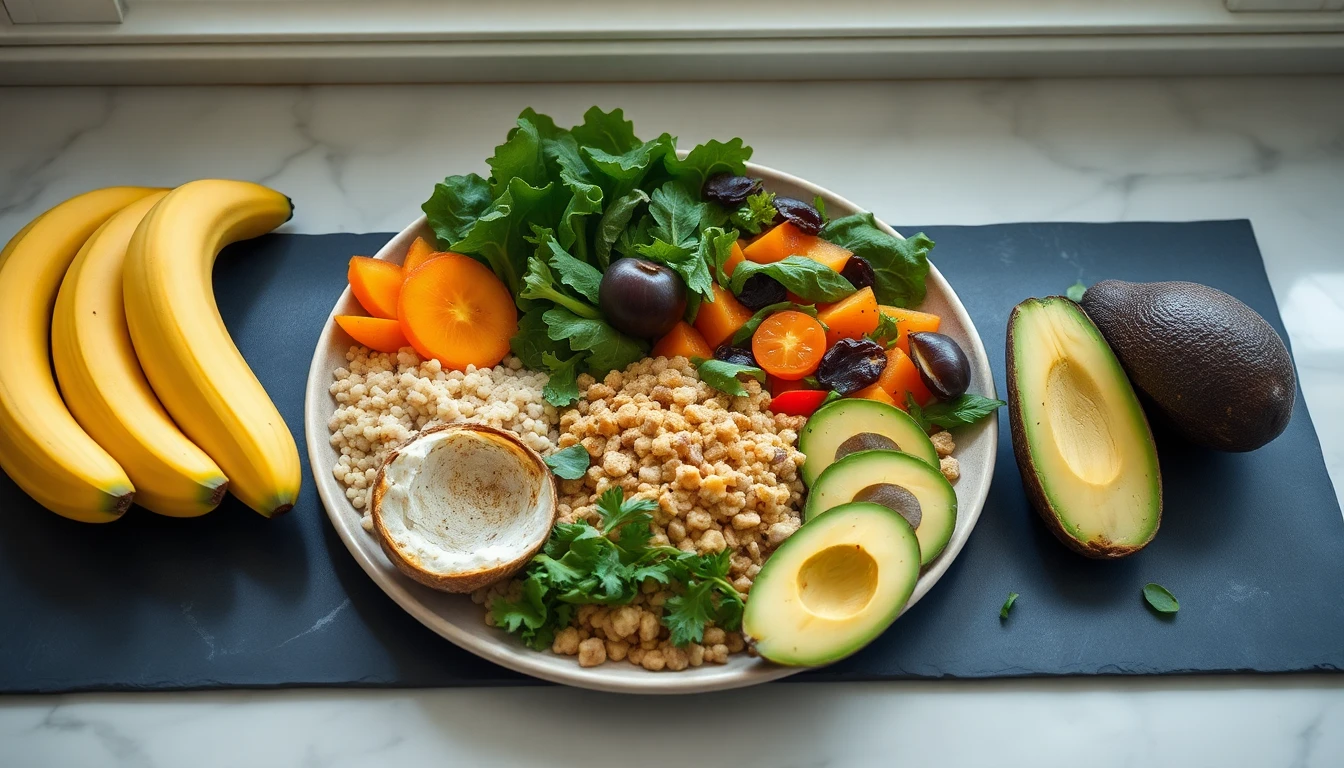
- Bananas — The famous source, with about 400mg per medium fruit, plus easily digestible carbohydrates
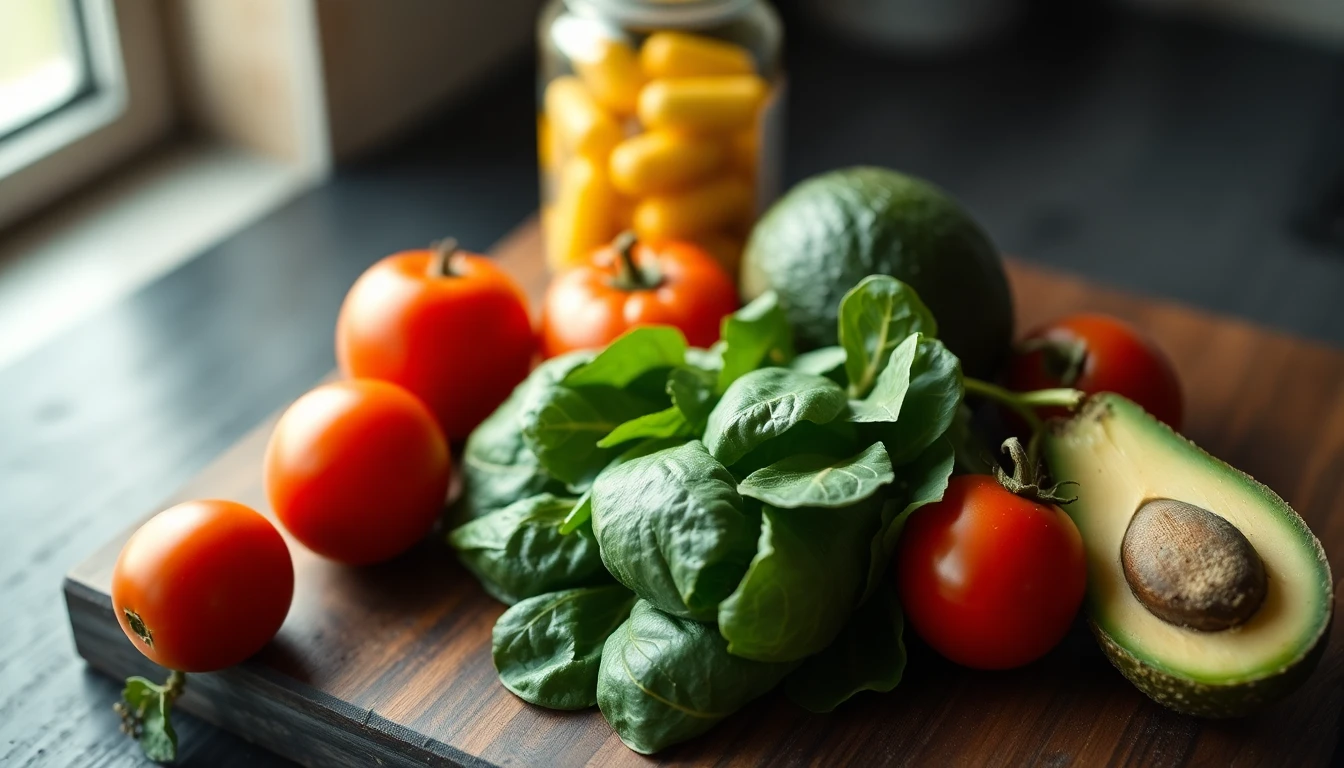
- Spinach and chard — Cooked spinach delivers 840mg per cup, along with iron and folate
- White beans — One cup cooked provides over 1,000mg potassium plus fibre and plant protein
- Avocados — A whole avocado contains about 700mg potassium and heart-healthy monounsaturated fats
- Sweet potatoes — Similar potassium content to white potatoes, with the bonus of beta-carotene
- Tomato products — Concentrated tomato paste is particularly rich, with 650mg per quarter cup
- Yoghurt — Plain yoghurt offers 400-500mg per cup plus probiotics and calcium
- Salmon — A 150g fillet provides approximately 600mg potassium alongside omega-3s
- Dried apricots — Exceptionally concentrated, with 1,500mg per cup, though also high in natural sugars
Potassium and Medication Interactions
If you're taking ACE inhibitors (medications ending in '-pril' like ramipril), angiotensin receptor blockers (ending in '-sartan' like losartan), or potassium-sparing diuretics like spironolactone, your kidneys may retain more potassium than usual. Whilst you shouldn't avoid potassium-rich foods entirely—they're too nutritious—you do need to maintain consistent, moderate intake rather than suddenly increasing it.
Conversely, if you're taking loop or thiazide diuretics, you may need to pay extra attention to potassium-rich electrolyte foods to replace losses. Your doctor may monitor your blood potassium levels periodically. Never start potassium supplements without medical supervision, as both high and low potassium can affect heart rhythm.
Magnesium: The Overlooked Essential
Magnesium participates in more than 300 biochemical reactions, yet it's one of the most common nutritional shortfalls in Western diets. This electrolyte supports energy production, protein synthesis, blood pressure regulation, nerve function, and muscle contraction. The recommended intake is 300mg daily for men and 270mg for women in the UK.
Magnesium deficiency rarely causes dramatic symptoms but can contribute to muscle cramps, fatigue, poor sleep, and increased stress response. Modern agricultural practices have reduced magnesium content in some foods, and processing removes much of what remains. Fortunately, many delicious whole foods remain excellent sources.
- Pumpkin seeds — Just 30g provides 150mg magnesium, nearly half the daily target for women
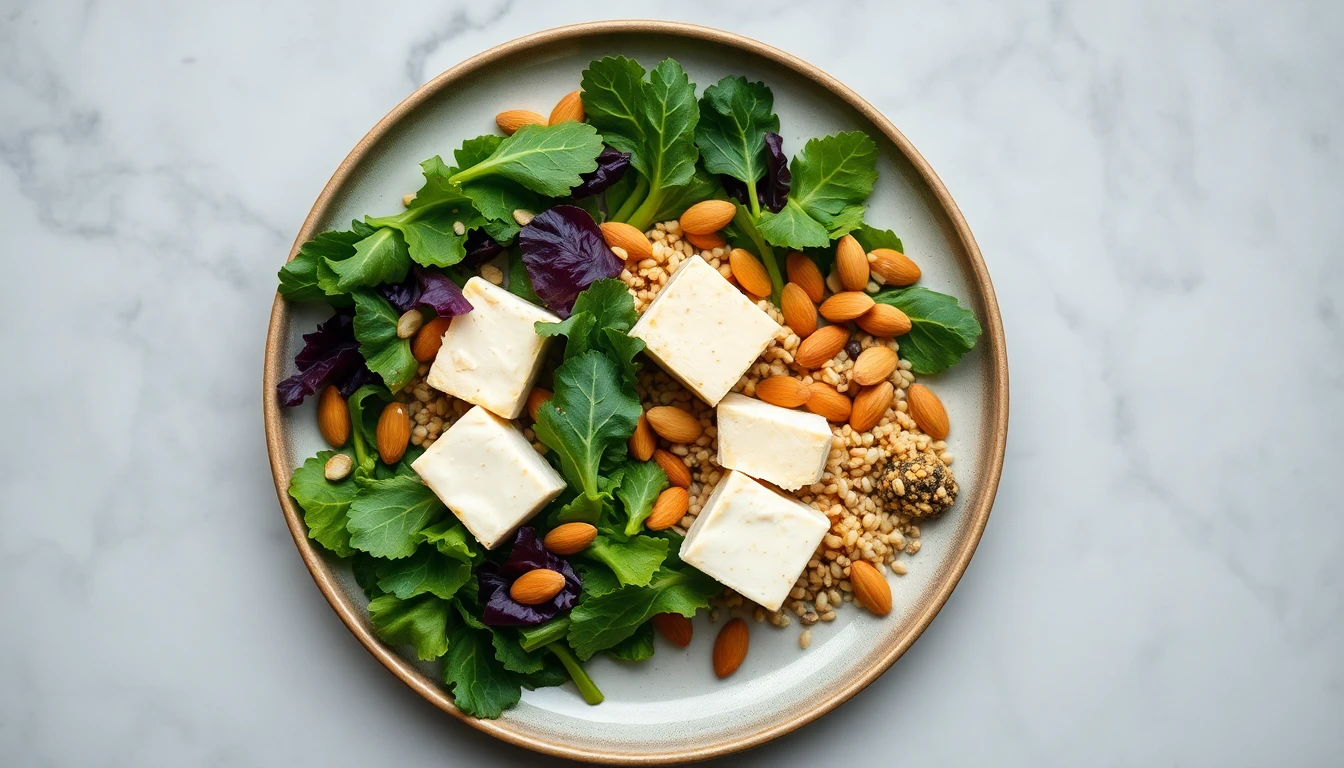
- Almonds and cashews — About 80mg per 30g serving, plus healthy fats and protein
- Dark chocolate — A 30g serving of 70-85% cocoa provides around 65mg magnesium—a genuinely healthy treat
- Black beans — One cup cooked offers 120mg magnesium plus fibre and iron
- Quinoa — This complete protein grain provides 120mg per cooked cup
- Mackerel — A 100g fillet contains approximately 100mg magnesium along with vitamin D and omega-3s
- Dark leafy greens — Spinach, Swiss chard, and kale all provide significant magnesium due to the mineral's role in chlorophyll
- Edamame — One cup of these young soya beans delivers 100mg magnesium plus plant protein
- Avocado — Another reason to love this fruit; one whole avocado contains about 60mg magnesium
- Wholegrain bread — Two slices provide roughly 45mg, whereas white bread offers minimal amounts
Absorption and Bioavailability
Not all the magnesium in food gets absorbed—typically your body takes up 30-40% of what you consume. Phytates in whole grains and legumes can slightly reduce absorption, but these foods are still valuable sources because they contain so much to begin with. Soaking, sprouting, or fermenting grains and legumes can improve magnesium availability.
Certain factors increase magnesium needs or losses: chronic stress, intense exercise, type 2 diabetes, gastrointestinal conditions affecting absorption, and some medications including proton pump inhibitors (PPIs) and certain diuretics. If you're in any of these categories, emphasising magnesium-rich electrolyte foods becomes particularly important.
Calcium and Other Supporting Electrolytes
Whilst calcium is primarily associated with bone health, it functions as a crucial electrolyte for muscle contraction, nerve signalling, blood clotting, and enzyme activity. Adults need 700mg daily according to UK guidelines. Most people associate calcium exclusively with dairy, but numerous plant sources contribute meaningfully, especially for those avoiding dairy.
Chloride, phosphate, and bicarbonate round out the electrolyte family. Chloride travels with sodium in table salt and most foods containing sodium. Phosphate is abundant in protein-rich foods and rarely deficient. Bicarbonate is produced by your body to regulate pH. For most people, focusing dietary attention on sodium, potassium, magnesium, and calcium covers electrolyte needs comprehensively.
- Dairy products — Milk, cheese, and yoghurt remain concentrated calcium sources; one glass of milk provides about 300mg
- Sardines and tinned salmon with bones — The soft, edible bones deliver impressive calcium alongside omega-3s and vitamin D
- Fortified plant milks — Choose versions fortified to match dairy's calcium content (around 120mg per 100ml)
- Tofu (calcium-set) — Check labels; calcium-set varieties provide 350-400mg per half cup
- Kale and other brassicas — Cooked kale offers about 150mg per cup with excellent bioavailability
- Tahini — Two tablespoons of this sesame seed paste contain roughly 130mg calcium
- Figs — Dried figs provide about 120mg per 100g along with fibre and natural sweetness
- White beans — Beyond their impressive potassium and magnesium, they offer about 130mg calcium per cup
Building an Electrolyte-Balanced Diet
The beauty of getting electrolytes from whole foods rather than supplements or sports drinks is that you automatically receive them in balanced ratios alongside complementary nutrients. A meal of grilled salmon with a baked sweet potato and sautéed spinach delivers sodium, potassium, magnesium, and calcium together with protein, omega-3 fats, fibre, and numerous vitamins.
For most people, meeting electrolyte needs simply means eating a varied diet rich in vegetables, fruits, whole grains, nuts, seeds, and either dairy or fortified alternatives. The challenge for many isn't getting enough total food but rather choosing whole foods over processed options that are high in sodium but lacking in potassium, magnesium, and other nutrients.
Daily Strategies for Balance
Start your day with something potassium-rich—perhaps a banana with almond butter on wholegrain toast, or porridge made with milk and topped with dried apricots and pumpkin seeds. This front-loads your day with key electrolytes whilst you're naturally more dehydrated after sleep.
Include a generous serving of vegetables or salad with both lunch and dinner. Dark leafy greens earn particular mention for delivering potassium, magnesium, and calcium simultaneously. If you're someone who struggles to eat enough vegetables, soups and smoothies can help you consume more volume.
Keep nuts and seeds handy for snacks. A small handful provides meaningful amounts of magnesium and often potassium, plus the healthy fats improve satiety. If you exercise regularly, especially in warm weather, you might add a pinch of sea salt to your post-workout snack or meal to replace sodium losses.
When Food Isn't Enough
There are legitimate situations where electrolyte drinks or supplements play a useful role. During endurance exercise exceeding 90 minutes, especially in heat, your sweat losses can outpace what's practical to replace through food. Acute gastroenteritis with vomiting or diarrhoea depletes electrolytes faster than you can eat. Certain medical conditions or medications may create needs that diet alone can't meet.
If you do reach for commercial electrolyte products, read labels carefully. Many sports drinks contain substantial added sugar—useful during intense exercise when you need quick energy, but unnecessary otherwise. Electrolyte tablets or powders without added sugar offer a lower-calorie alternative. However, even in these situations, returning to food-based sources as soon as practical provides superior nutrition overall.
Never supplement individual electrolytes like potassium or magnesium at high doses without medical supervision, especially if you have kidney disease or take medications affecting these minerals. Food sources are inherently safer because the amounts are moderate and come packaged with other nutrients that aid proper utilisation.
How FreshPlate Fits Into Your Electrolyte Routine
Keeping track of food preferences, medicines and health conditions all at once can feel like a lot. FreshPlate is built to take some of that weight. Every recipe it generates is built around your own medication list: you add each medicine by brand or generic name from the NHS's own medicines list, and the app reads it by its active ingredient, so a brand name gets the rules for the medicine inside it.
The For you tab on each recipe and meal lists your medicines. For about 170 of them, it opens the words their own NHS page (or US FDA label) says about food, quoted word for word, with a link to the interaction checker page. For the rest, it says there is no advice on file yet and points you to your pharmacist. If you take something that affects your minerals, such as a diuretic or an ACE inhibitor, your pharmacist or GP is the person to ask about your own diet. The free food–medication interaction checker on the website is a good place to start: type in a medication and see the foods to watch in seconds.
Once you are logging meals, the Progress tab shows a minerals-and-vitamins panel set against targets for your body, with a "How we worked this out" tap behind every number, naming the guidance it comes from, such as the NHS, WHO or UK RNI. It is a calm way to see how your days add up, so you can focus on enjoying your food rather than keeping a tally in your head.
Frequently asked questions
What foods are highest in electrolytes?
+
The top electrolyte foods include leafy greens like spinach (potassium, magnesium, calcium), bananas (potassium), dairy or fortified plant milk (calcium), nuts and seeds (magnesium), potatoes with skin (potassium), and oily fish (potassium, magnesium, sodium). Eating a variety of whole foods naturally provides balanced electrolytes.
Can you get enough electrolytes from food without sports drinks?
+
Yes, most people can meet all their electrolyte needs through a varied diet of whole foods. Sports drinks are primarily useful during intense exercise lasting over 90 minutes, or during illness with vomiting or diarrhoea. For everyday hydration and normal activity, water plus electrolyte-rich foods is ideal.
What are the signs you need more electrolytes?
+
Common signs of electrolyte imbalance include muscle cramps, fatigue, headache, irregular heartbeat, confusion, and excessive thirst. However, these symptoms can indicate many conditions. If you experience them regularly, consult your GP rather than self-treating with supplements, as both deficiency and excess can cause problems.
Do I need to worry about electrolytes if I take blood pressure medication?
+
Yes, several blood pressure medications affect electrolyte balance. ACE inhibitors and ARBs can increase potassium retention, whilst diuretics may increase losses of potassium, magnesium, and sodium. Discuss appropriate dietary intake with your pharmacist or GP, who may recommend blood tests to monitor levels. Consistent intake from food is generally safer than supplements.
Are electrolyte supplements better than getting minerals from food?
+
For most people, food sources are superior because they provide balanced ratios of multiple electrolytes plus supporting nutrients like vitamins, fibre, and phytonutrients. Supplements risk creating imbalances, especially potassium and magnesium at high doses. Supplements may be appropriate during endurance exercise, acute illness, or specific medical conditions, but food should be the foundation.
Sources
Did this answer your question?
Reece reads every reply. Questions we have not covered become new guides.
Make electrolytes one less thing to worry about.
Get our free electrolytes guide by email — the best food sources, what helps and hinders absorption, and a week of meal ideas. One genuinely useful email a week — no spam, unsubscribe anytime.
Free forever. You'll also be first in line for the FreshPlate app — with a free trial at launch.