Calcium Channel Blockers & Grapefruit: Essential Guide
Why grapefruit interacts with calcium channel blockers, which CCBs are affected, safe citrus alternatives, and how to navigate food interactions safely.

By Reece Douglas · Founder, FreshPlate
Listen to this article
Calcium Channel Blockers & Grapefruit: Essential Guide
If you've been prescribed a calcium channel blocker (CCB) for high blood pressure or angina, you may have been warned to avoid grapefruit. This isn't a dietary myth or an overly cautious guideline—the interaction between calcium channel blockers and grapefruit can genuinely affect how your medication works, potentially leading to serious side effects.
The grapefruit-medication interaction was discovered somewhat accidentally in the 1990s when researchers noticed that grapefruit juice dramatically altered drug absorption. Since then, we've learned exactly which medications are affected, why it happens, and—importantly—which citrus fruits are safe alternatives. This guide explains everything you need to know about calcium channel blockers and grapefruit, including which specific CCBs pose the highest risk and how to navigate your diet safely whilst taking these essential medications.
Why Grapefruit Interacts with Calcium Channel Blockers
The interaction between grapefruit and certain calcium channel blockers occurs because of compounds called furanocoumarins found in grapefruit. These natural chemicals interfere with an enzyme in your intestines called CYP3A4, which is responsible for breaking down many medications before they enter your bloodstream.
When you consume grapefruit or its juice, furanocoumarins block this enzyme for up to 24 hours or longer. This means that more of your calcium channel blocker medication enters your bloodstream unchanged, significantly increasing blood levels of the drug—sometimes by 200-300% or more. The result can be an effective overdose, even though you've taken your normal prescribed amount.
This isn't a matter of simply timing your medication away from grapefruit consumption. Because the enzyme remains blocked for an extended period, even drinking grapefruit juice in the morning can affect an evening dose of medication. The interaction is both powerful and persistent.
What Happens When Levels Get Too High
Elevated blood levels of calcium channel blockers can cause a range of symptoms, from mild to severe. The most common effects include excessive lowering of blood pressure, which can make you feel dizzy, lightheaded, or faint. You might also experience a faster or more pronounced heart rate, swelling in the ankles and feet, flushing, headaches, or fatigue.
- Hypotension — Blood pressure dropping too low, causing dizziness or fainting
- Tachycardia — Rapid or irregular heartbeat, particularly with certain CCBs
- Peripheral oedema — Increased swelling in ankles, feet, or lower legs
- Headaches — More frequent or severe than usual
- Gastrointestinal symptoms — Nausea, stomach discomfort, or constipation
Which Calcium Channel Blockers Are Affected by Grapefruit
Not all calcium channel blockers interact with grapefruit to the same degree. The interaction primarily affects what are called dihydropyridine CCBs, whilst other types are generally considered safe. Understanding which category your medication falls into is essential.
High-Risk Calcium Channel Blockers
These CCBs have significant interactions with grapefruit and should not be combined with grapefruit or grapefruit juice:
- Felodipine — One of the most significantly affected CCBs, with blood levels potentially tripling
- Nifedipine — Commonly prescribed for high blood pressure and angina; substantially affected by grapefruit
- Nisoldipine — Less commonly prescribed but shows strong grapefruit interaction
- Lacidipine — Blood levels can increase significantly with grapefruit consumption
- Lercanidipine — Another CCB where grapefruit substantially increases drug levels
Lower-Risk Options
Some calcium channel blockers are metabolised differently and generally considered safe with grapefruit consumption, though you should always confirm with your healthcare provider:
- Amlodipine — Whilst technically affected by grapefruit, the interaction is much less clinically significant due to its long half-life and slow absorption. Many clinicians consider occasional grapefruit consumption acceptable, but discuss with your doctor
- Diltiazem — A non-dihydropyridine CCB with minimal grapefruit interaction
- Verapamil — Another non-dihydropyridine that shows less interaction than dihydropyridine CCBs
Safe Citrus Alternatives to Grapefruit
One important exception to note: Seville oranges (also called bitter oranges or sour oranges) may contain compounds similar to grapefruit and should be avoided. These are rarely eaten fresh but are used in marmalade and some traditional recipes. Check labels if you're buying orange marmalade, as some brands use Seville oranges.
Pomelos, which are closely related to grapefruit, should also be avoided as they contain similar compounds. Some hybrid fruits like tangelos are generally considered safe, but if you're unsure about a particular citrus variety, it's best to check with your pharmacist.
- Oranges — Completely safe and an excellent source of vitamin C, fibre, and potassium
- Lemons — Safe for use in cooking, beverages, and dressings without interaction concerns
- Limes — Another safe citrus option for flavouring food and drinks
- Mandarins and clementines — Sweet, easy-to-peel options without grapefruit's interaction
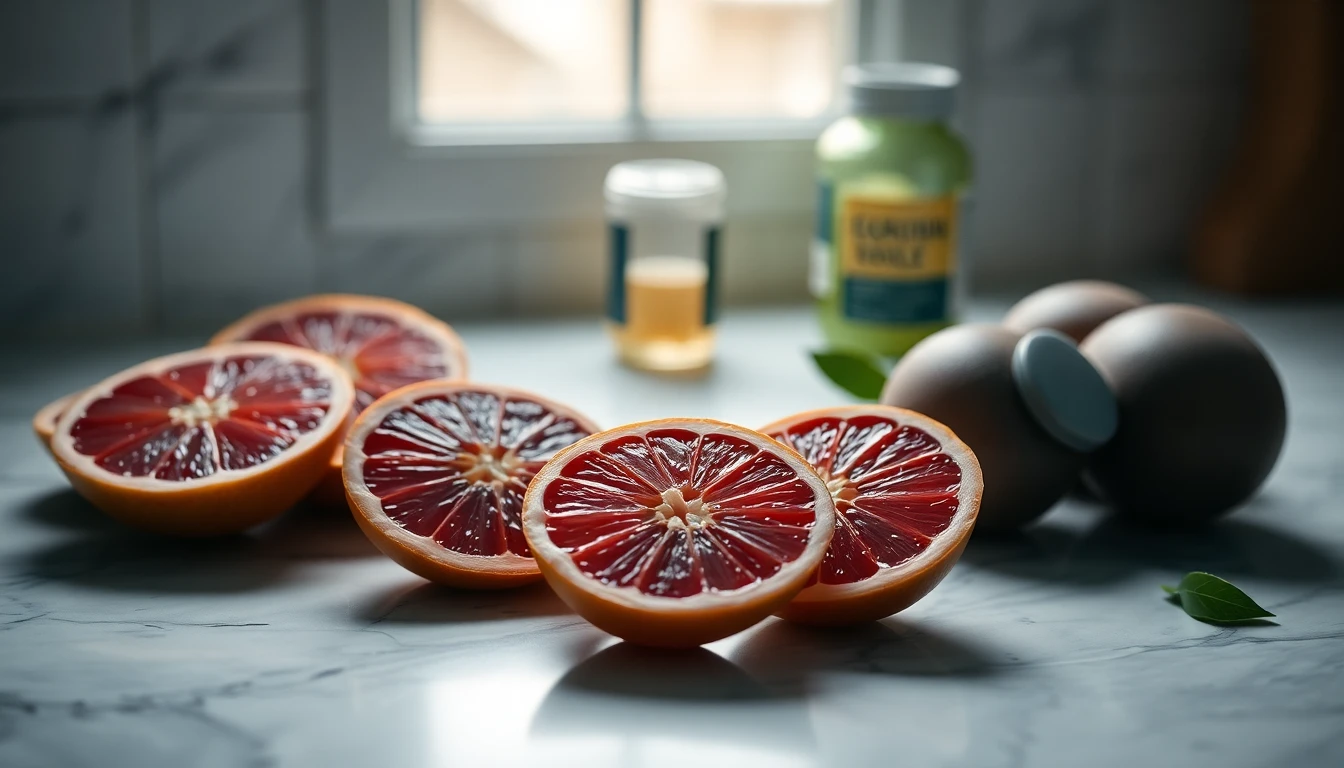
- Blood oranges — Despite the name, these are a variety of orange and are safe
- Tangerines — Safe citrus alternative with a sweeter, less tart flavour
Other Food and Drink Interactions with Calcium Channel Blockers
Whilst grapefruit receives the most attention, it's not the only dietary consideration when taking calcium channel blockers. Understanding the full picture helps you make informed choices about your diet whilst managing your blood pressure effectively.
Alcohol Consumption
Alcohol can enhance the blood pressure-lowering effects of calcium channel blockers, potentially causing dizziness or fainting. This doesn't mean you must avoid alcohol entirely, but moderation is important. The NHS recommends not exceeding 14 units per week, spread over several days, with some alcohol-free days each week. Be particularly cautious when first starting CCB therapy, as your body hasn't yet adjusted to the medication's effects.
High-Potassium Foods
Unlike ACE inhibitors and some other blood pressure medications, calcium channel blockers don't typically require potassium restriction. In fact, adequate potassium intake is beneficial for blood pressure management. However, if you're taking a CCB alongside other medications that affect potassium levels, your doctor may provide specific guidance.
Caffeine Considerations
Caffeine can temporarily increase blood pressure, which may counteract some of your medication's effects. Most people can continue to enjoy moderate amounts of tea and coffee (3-4 cups daily), but excessive caffeine intake may make blood pressure control more difficult. If you notice your blood pressure readings are higher after consuming caffeine, discuss this with your healthcare provider.
Liquorice and Herbal Supplements
Liquorice root (not the sweet) can increase blood pressure and reduce the effectiveness of calcium channel blockers. St John's Wort, a popular herbal supplement for mood, can increase the metabolism of some CCBs, potentially reducing their effectiveness. Always inform your doctor or pharmacist about any herbal supplements or remedies you're taking.
Practical Tips for Managing Your Diet with CCBs
If you do accidentally consume grapefruit whilst taking a susceptible calcium channel blocker, don't panic. Contact your pharmacist or GP for advice. They may recommend monitoring for symptoms of excessive drug effects and may want to check your blood pressure. In most cases, the interaction resolves within 24-72 hours as the enzyme begins to function normally again.
- Read juice labels carefully — Many fruit juice blends contain grapefruit juice even when it's not the main ingredient. Check the label for 'grapefruit juice' or 'pomelo juice' in the ingredients list
- Be cautious at restaurants and cafes — Fresh juices and smoothies may contain grapefruit. Always ask about ingredients if you're unsure
- Check medication timing requirements — Some CCBs work best when taken with food, whilst others are more effective on an empty stomach. Follow your pharmacist's instructions
- Keep a consistent routine — Taking your medication at the same time each day helps maintain steady blood levels
- Don't stop medication without consulting your doctor — If you've accidentally consumed grapefruit, contact your pharmacist or GP for advice rather than skipping doses
- Maintain a blood pressure diary — Recording your readings helps you and your healthcare team spot any unusual patterns
- Stay hydrated — Adequate fluid intake supports healthy blood pressure and helps your medication work effectively
How FreshPlate Helps Navigate Medication and Food Interactions
Keeping track of food-drug interactions alongside your nutritional needs and personal preferences can feel overwhelming. This is exactly why FreshPlate was created—to take the complexity out of eating well whilst managing health conditions and medications.
When you add a calcium channel blocker to your FreshPlate profile, the app automatically filters out recipes containing grapefruit and flags any other potential interactions. You'll receive personalised meal plans that are not only safe with your medications but also support your cardiovascular health through balanced nutrition rich in heart-healthy foods.
FreshPlate goes beyond simply avoiding problem foods. The app suggests safe citrus alternatives in recipes, helps you meet nutritional targets that support healthy blood pressure (such as adequate potassium, magnesium, and fibre), and adapts to any other dietary requirements you have—whether that's managing diabetes, following a plant-based diet, or accommodating food allergies.
Your medication regimen may change over time, and FreshPlate adapts with you. Update your profile whenever your prescriptions change, and your recipe recommendations adjust automatically. It's like having a knowledgeable nutritionist and pharmacist working together to create a personalised food plan that works with your medication, not against it.
Frequently asked questions
Can I eat grapefruit if I take amlodipine?
+
Amlodipine has a weaker interaction with grapefruit compared to other calcium channel blockers like felodipine or nifedipine. Some doctors consider occasional grapefruit consumption acceptable with amlodipine, but you should always confirm with your prescribing doctor or pharmacist first, as individual circumstances vary.
How long after stopping grapefruit can I take my calcium channel blocker?
+
Grapefruit's effects on drug-metabolising enzymes can last 24 hours or longer. For maximum safety, avoid grapefruit for at least 3 days before starting a calcium channel blocker that interacts with grapefruit. Always follow your pharmacist's specific guidance.
Are pink grapefruit and white grapefruit equally problematic?
+
Yes, all varieties of grapefruit—white, pink, and ruby red—contain similar levels of the furanocoumarins that cause drug interactions. The colour difference is due to other compounds and doesn't affect the interaction risk.
Can I have marmalade if I'm taking calcium channel blockers?
+
Most orange marmalade is safe, but check the label. If it's made with Seville oranges (bitter oranges), it may contain compounds similar to grapefruit and should be avoided. Standard sweet orange marmalade is generally fine.
What should I do if I accidentally eat grapefruit whilst taking nifedipine?
+
Contact your pharmacist or GP for advice. Monitor yourself for signs of excessive drug effects such as dizziness, rapid heartbeat, severe headache, or increased ankle swelling. Don't skip your next medication dose without medical guidance, as this could cause blood pressure to rise dangerously.
Sources
Did this answer your question?
Reece reads every reply. Questions we have not covered become new guides.
Eating around calcium channel blockers shouldn’t be guesswork.
Get our free calcium channel blockers food guide by email — the foods to watch, safe swaps, and meal ideas that work with your medication. One genuinely useful email a week — no spam, unsubscribe anytime.
Free forever. You'll also be first in line for the FreshPlate app — with a free trial at launch.