Grapefruit and Statins: What Actually Happens, and What to Eat Instead
Grapefruit can make statins like atorvastatin and simvastatin build up in your blood. Here is the science, the statins it affects, and seven safe swaps.

By Reece Douglas · Founder, FreshPlate
Listen to this article
Grapefruit and Statins: What Actually Happens, and What to Eat Instead
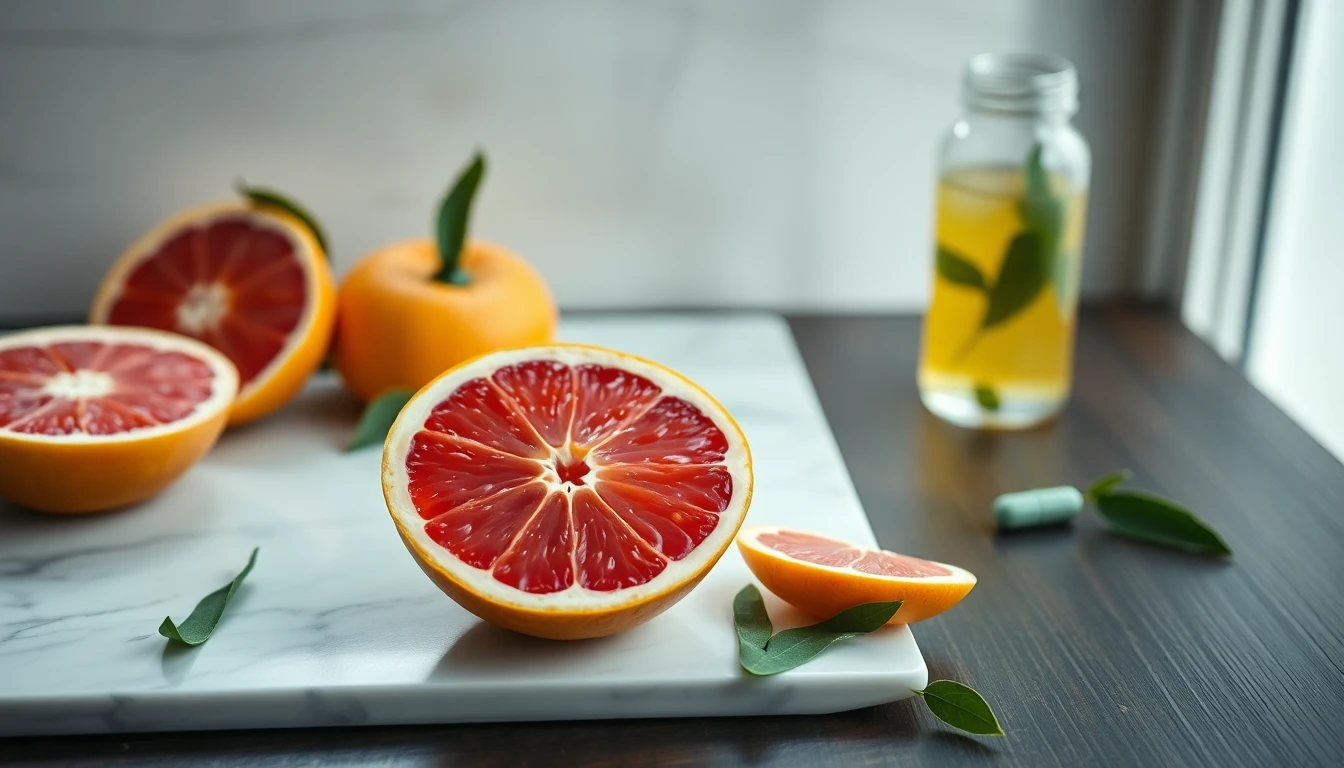
If you take a statin for cholesterol, you have probably been told to avoid grapefruit. Most people nod, forget about it, and then wonder why the warning is on the leaflet at all. The short answer is that grapefruit interferes with the enzyme that breaks statins down, which means more of the drug stays in your blood than your doctor prescribed.
The longer answer is more useful, because not every statin is affected, and the fruits most people swap to are perfectly safe. Here is the science in plain English, the statins you should actually worry about, and what to put in your breakfast bowl instead.
Why grapefruit interacts with statins
Statins are broken down in the small intestine and liver by an enzyme called CYP3A4. Grapefruit contains compounds called furanocoumarins that irreversibly block CYP3A4 for roughly 24–72 hours. With the enzyme out of action, a larger share of your statin survives the first pass through the gut wall and enters the bloodstream.
The effect is dose-dependent but strong. A single 200 ml glass of grapefruit juice can raise blood levels of some statins by two to three times. Whole grapefruit has the same effect — the compounds are in the flesh, not just the juice. This is one of the most clinically significant food-drug interactions pharmacists monitor for.
Which statins are actually affected
Not every statin goes through CYP3A4. The interaction is only clinically important for the three below.
- Simvastatin — strongest interaction. NHS and NICE guidance advise avoiding grapefruit completely.
- Atorvastatin (Lipitor) — meaningful interaction. Small amounts (<240 ml juice a day) are sometimes tolerated, but daily grapefruit is not recommended.
- Lovastatin — strong interaction. Avoid grapefruit.
Statins that are generally safe with grapefruit
These statins are cleared by different pathways, so grapefruit does not raise their blood levels in a meaningful way.
- Pravastatin — not metabolised by CYP3A4.
- Rosuvastatin (Crestor) — minimal CYP3A4 involvement.
- Fluvastatin — uses CYP2C9 instead.
- Pitavastatin — minimal CYP3A4 involvement.
What happens if you ignore the warning
Higher statin levels mean a higher risk of the side effects statins are already known for: muscle aches, weakness, and in rare cases a more serious muscle breakdown called rhabdomyolysis, which can damage the kidneys. Liver enzymes can also rise.
One grapefruit once a month is almost certainly not going to hurt you. The problem is habitual daily intake — a half grapefruit at breakfast or a glass of juice with lunch — which can push drug levels into a range your prescriber did not plan for. The NHS advises complete avoidance with simvastatin, and cautious avoidance with atorvastatin.
What to eat instead of grapefruit
These seven swaps give you the same hit of vitamin C, fibre, and that bright morning-citrus feeling without touching CYP3A4.
- Oranges — same vitamin C, no interaction. Navel or blood orange segments work well on porridge.
- Clementines or satsumas — easy to peel, child-friendly, roughly the same sugar profile as grapefruit.
- Berries — strawberries, blueberries, raspberries. High in polyphenols that may help improve LDL cholesterol.
- Kiwi — more vitamin C per gram than orange. Pairs well with Greek yoghurt.
- Apples with cinnamon — the soluble fibre (pectin) binds cholesterol in the gut. Learn more in our guide to cholesterol-lowering foods.
- Pomegranate seeds — seeds in moderation are fine with statins. Avoid large amounts of pomegranate juice if you are also on ACE inhibitors.
- Pineapple — bright, tropical, and safe. One cup provides about 80% of your daily vitamin C.
Other foods and drinks that affect statins
Grapefruit gets the headlines, but three others deserve a mention.
Seville oranges, pomelos, and tangelos
These all contain furanocoumarins and should be treated the same as grapefruit. Seville oranges are the ones used in traditional English marmalade — check the jar if you spread it on toast with your morning statin.
Alcohol
Alcohol does not interact with statins directly, but both are processed by the liver. Heavy drinking whilst on a statin raises the chance of liver enzyme elevation. Moderate intake (UK guidance: 14 units a week or fewer, spread over at least three days) is usually fine.
St John's Wort
This over-the-counter herbal supplement does the opposite of grapefruit — it speeds up CYP3A4, making your statin less effective. Not a food, but worth flagging.
How FreshPlate handles this for you
If you add your statin to your medication list in FreshPlate, by brand or generic name, the app reads it by its active ingredient, so a brand such as Lipitor gets the atorvastatin rules. Grapefruit with certain statins is one of the few hard blocks, so every recipe the app generates is built around it. On the For you tab of each recipe and meal, your medicines are listed, and where we have quoted the NHS or US FDA words about food for one of them, you can read them word for word, with a link to the checker page. If a medicine has no advice on file yet, the tab says so and points you to your pharmacist.
You can also type your medication or its brand name into our free food–medication interaction checker on the website and see the foods to watch in seconds: /website/tools/food-medication-checker/. It is a handy first look, but your pharmacist is the right person to confirm what applies to you.
Frequently asked questions
How long after eating grapefruit can I take my statin?
+
Furanocoumarins can block CYP3A4 for up to 72 hours, so timing does not help much. If you are on simvastatin or atorvastatin, the safer rule is to avoid grapefruit entirely rather than try to schedule around it.
Can I eat grapefruit on rosuvastatin?
+
Yes. Rosuvastatin (Crestor) is not significantly affected by grapefruit because it is not metabolised through CYP3A4. If you love grapefruit and are on a statin, ask your GP whether switching is appropriate for your cholesterol goals.
Is a small amount of grapefruit juice in a cocktail a problem?
+
A single occasional small serving — say, a splash in a cocktail once or twice a month — is very unlikely to cause a clinically meaningful interaction. The risk comes from daily or frequent intake.
Does grapefruit-flavoured sparkling water count?
+
No. Flavoured waters and sodas use artificial or natural grapefruit flavouring that does not contain the furanocoumarins responsible for the interaction. Always check the label — if it lists real grapefruit juice, treat it as grapefruit.
What about grapefruit seed extract supplements?
+
Quality varies, and some extracts have been shown to contain furanocoumarins. If you take a statin, avoid grapefruit seed extract unless your pharmacist has specifically cleared the brand.
Are there any other medications that interact with grapefruit?
+
Yes. Grapefruit can also affect certain calcium channel blockers (like amlodipine), some immunosuppressants, and other drugs metabolised by CYP3A4. If you take any regular medication, ask your pharmacist or GP before adding grapefruit to your diet.
Sources
Did this answer your question?
Reece reads every reply. Questions we have not covered become new guides.
Eating around statins shouldn’t be guesswork.
Get our free statins food guide by email — the foods to watch, safe swaps, and meal ideas that work with your medication. One genuinely useful email a week — no spam, unsubscribe anytime.
Free forever. You'll also be first in line for the FreshPlate app — with a free trial at launch.