High Iron Breakfast Ideas: UK-Friendly Recipes & Tips
Boost your morning iron intake with these quick UK breakfast recipes. Combine haem and non-haem iron with vitamin C for better absorption.

By Reece Douglas · Founder, FreshPlate
Listen to this article
High Iron Breakfast Ideas: UK-Friendly Recipes & Tips
Iron deficiency is the most common nutritional deficiency in the UK, affecting approximately one in four women of childbearing age and many vegetarians and vegans. The symptoms—persistent fatigue, brain fog, and pale skin—can significantly impact your daily life, yet they often develop so gradually that many people adapt without realising something's wrong.
Your breakfast choices matter more than you might think when it comes to iron intake. The body absorbs iron most efficiently when it's consumed with certain foods and at optimal times during the day. Morning meals offer an ideal opportunity to combine iron sources with vitamin C, which can increase non-haem iron absorption by up to 300%. Whether you're managing diagnosed anaemia, following a plant-based diet, or simply want to optimise your nutrition, these UK-friendly breakfast ideas will help you start each day with the iron your body needs.
Understanding Iron: Haem vs Non-Haem Sources
Not all dietary iron is created equal. Understanding the difference between haem and non-haem iron helps you make informed breakfast choices and maximise absorption.
Haem iron comes from animal sources and is absorbed at a rate of 15-35%, making it the most bioavailable form. Non-haem iron, found in plant foods and fortified products, has a lower absorption rate of 2-20%, but clever food combinations can significantly improve uptake.
Haem Iron Breakfast Sources
These animal-based foods provide highly absorbable iron perfect for breakfast:
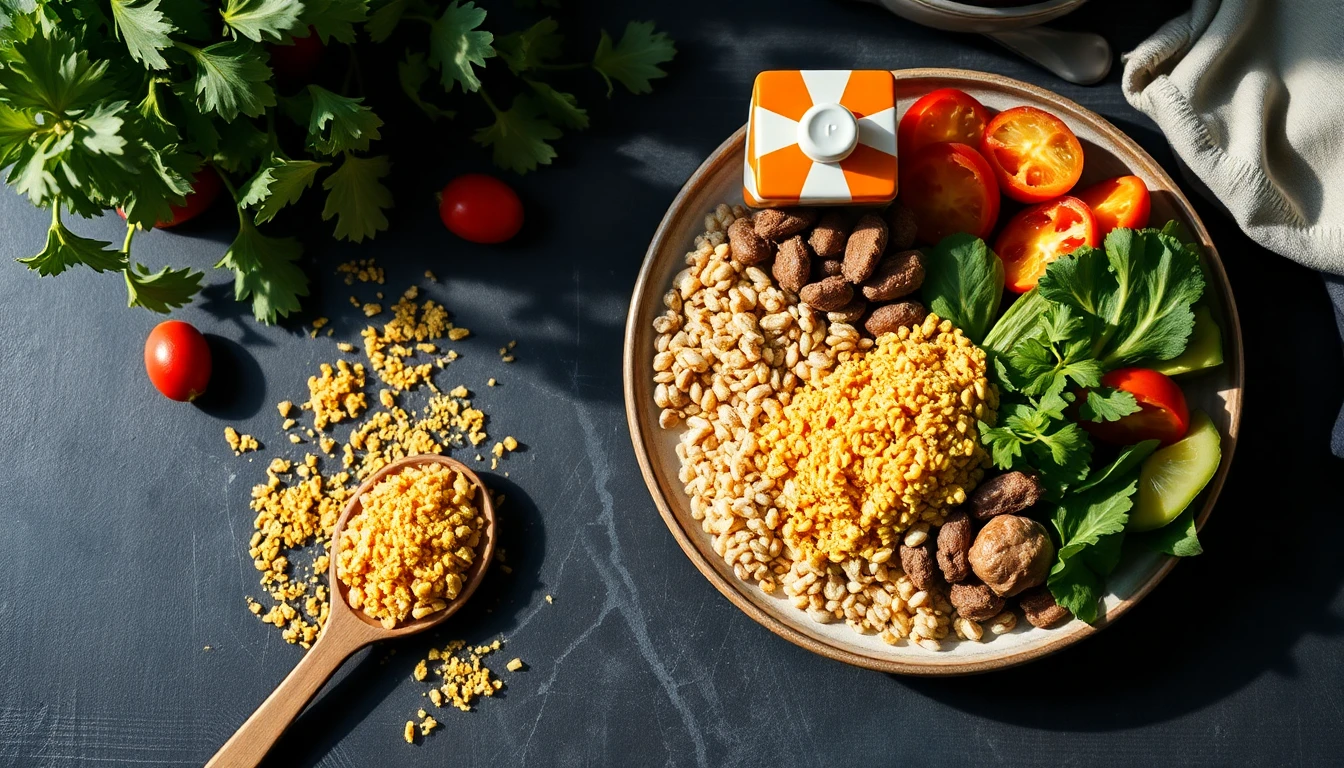
- Black pudding — traditional British breakfast item containing up to 20mg iron per 100g, though high in saturated fat so best enjoyed occasionally
- Liver pâté — chicken liver pâté on wholemeal toast provides approximately 6mg iron per 50g serving
- Sardines — tinned sardines on toast deliver around 2.9mg iron per 100g plus omega-3 fatty acids
- Eggs — whilst not extremely high in iron (1.2mg per two eggs), the haem iron present is well absorbed
- Bacon — back bacon provides roughly 1mg iron per two rashers, though should be balanced with plant foods
Non-Haem Iron Breakfast Sources
Plant-based and fortified options suitable for vegetarians and vegans:
- Fortified breakfast cereals — many UK brands provide 25-100% of your daily iron requirement per serving
- Porridge oats — contain around 2.5mg iron per 50g dried oats, plus soluble fibre
- Wholemeal bread — provides approximately 2mg iron per two slices compared to 0.8mg in white bread
- Baked beans — half a tin delivers roughly 2.8mg iron plus protein and fibre
- Spinach — cooked spinach contains about 3.6mg iron per 100g, though absorption is lower without vitamin C
- Dried apricots — four dried apricots provide around 1mg iron and natural sweetness
- Pumpkin seeds — a tablespoon sprinkled on porridge adds 1.3mg iron and healthy fats
Quick High Iron Breakfast Recipes for Busy Mornings
These recipes take 15 minutes or less and combine iron sources with absorption enhancers for maximum benefit.
Fortified Porridge Power Bowl
Preparation time: 5 minutes
- Base — 50g porridge oats cooked with 200ml fortified soya milk (approximately 3.5mg iron total)
- Toppings — 1 tablespoon pumpkin seeds, 4 chopped dried apricots, 1 sliced kiwi fruit for vitamin C
- Boost — drizzle of blackstrap molasses (adds 3.5mg iron per tablespoon)
- Total iron — approximately 8-9mg, nearly half the recommended daily amount for men and a third for women
Smoked Mackerel & Spinach Toast
Preparation time: 10 minutes
- Base — 2 slices wholemeal toast (2mg iron)
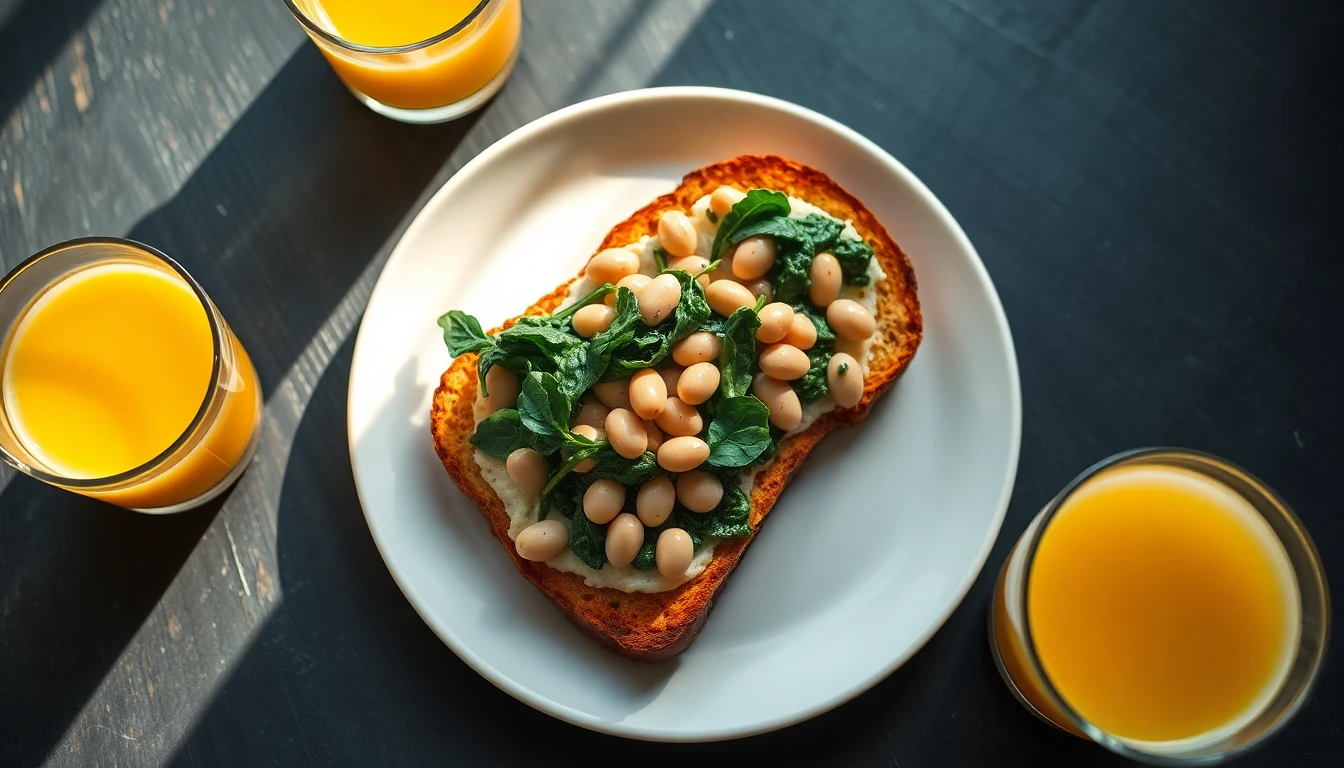
- Topping — 80g smoked mackerel flakes (1.5mg iron) with 50g wilted spinach (1.8mg iron)
- Enhancer — squeeze of fresh lemon juice and sliced tomatoes for vitamin C
- Serve with — small glass of freshly squeezed orange juice (boosts non-haem iron absorption)
- Total iron — approximately 5.3mg plus omega-3 fatty acids
Mediterranean Bean Breakfast
Preparation time: 12 minutes
- Base — half tin cannellini beans (2.5mg iron) warmed with crushed garlic and chopped tomatoes
- Greens — handful of kale or spring greens wilted into the beans (1.5mg iron)
- Serve on — 2 slices wholemeal sourdough (2mg iron)
- Top with — poached egg (1.2mg iron) and fresh parsley
- Side — sliced bell peppers or strawberries for vitamin C
- Total iron — approximately 7.2mg with excellent absorption potential
Maximising Iron Absorption at Breakfast
Timing matters too. Your body's ability to absorb iron is influenced by your existing iron stores, so those with deficiency actually absorb iron more efficiently as a protective mechanism. Taking iron supplements or eating iron-rich meals on an empty stomach improves absorption, though this can cause digestive discomfort for some people.
- Pair with citrus — add orange segments to your cereal, squeeze lemon on avocado toast, or drink a small glass of grapefruit juice
- Choose berries — strawberries, kiwi fruit, and blackcurrants are all vitamin C-rich additions to porridge or yoghurt
- Add peppers — sliced bell peppers with scrambled eggs provide excellent vitamin C alongside protein
- Include tomatoes — fresh or tinned tomatoes with beans or on toast enhance iron uptake
- Avoid tea and coffee — wait at least 30 minutes after eating before having your morning brew, as tannins can reduce iron absorption by up to 60%
- Separate calcium-rich foods — whilst calcium is important, it competes with iron for absorption, so avoid taking calcium supplements with iron-rich meals
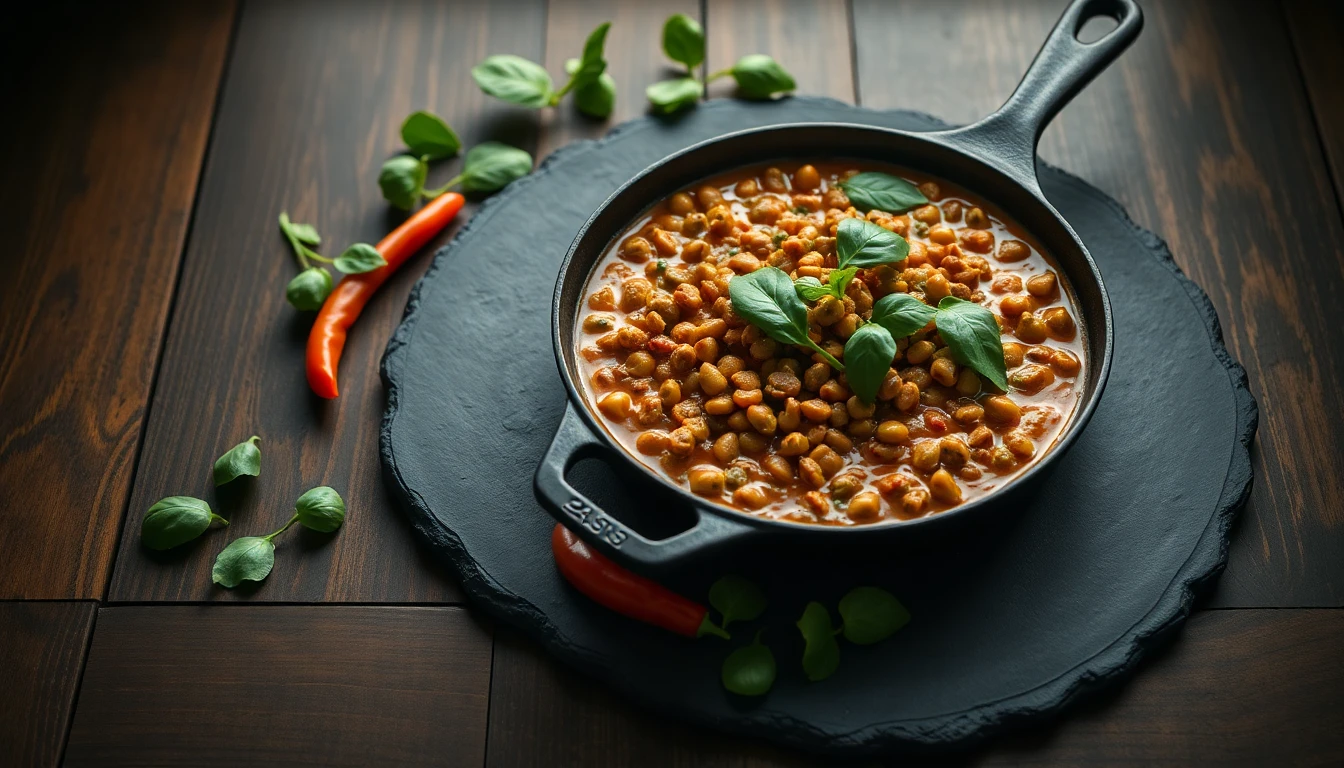
- Cook in cast iron — preparing foods like porridge or scrambled eggs in cast iron cookware can increase iron content by up to 20%
Vegetarian and Vegan High Iron Breakfast Options
Vegans should also consider the impact of phytates—compounds found in whole grains, legumes, and nuts that can inhibit iron absorption. Soaking oats overnight, sprouting grains, or choosing sourdough bread can reduce phytate content and improve iron bioavailability by 50% or more.
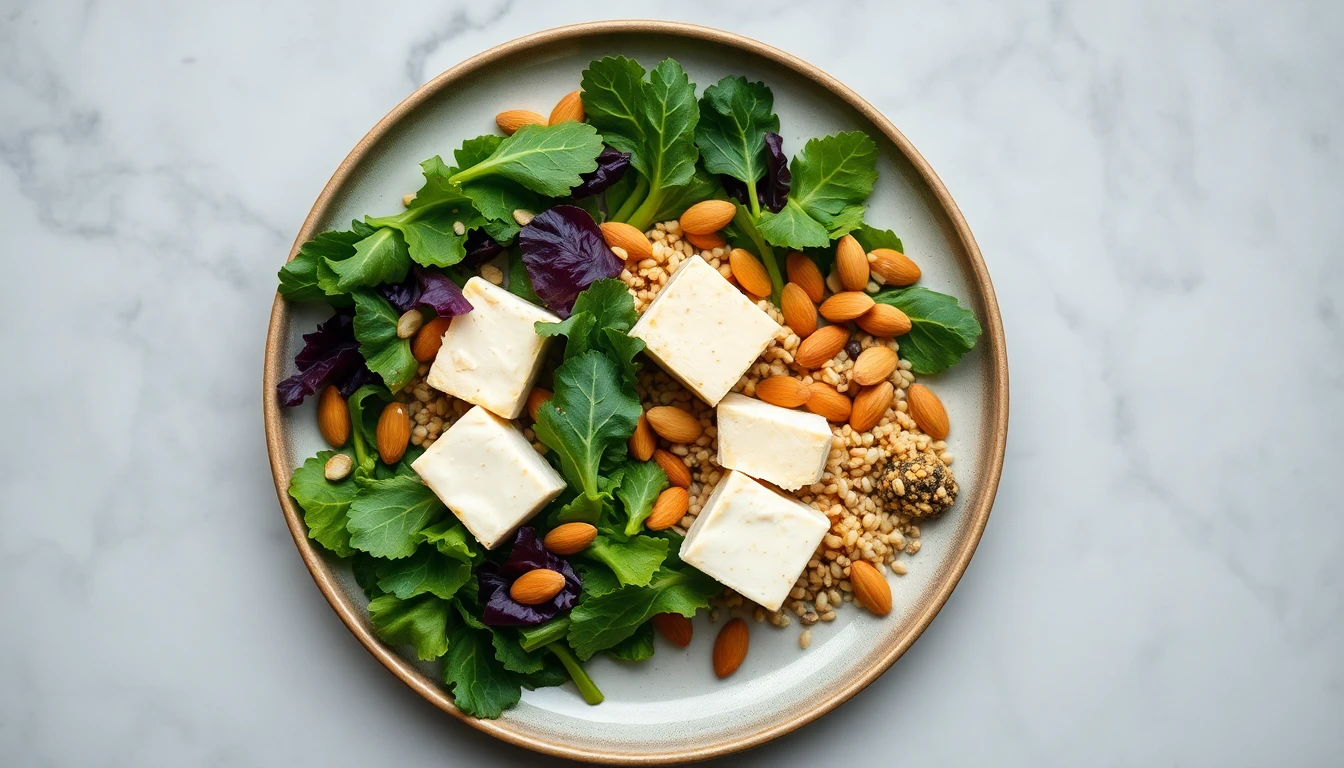
- Tofu scramble with spinach — 150g firm tofu (2.7mg iron) scrambled with turmeric, nutritional yeast, and wilted spinach (1.8mg iron), served with wholemeal toast and sliced tomatoes
- Fortified cereal parfait — layers of fortified bran flakes (8mg iron per serving), fortified soya yoghurt (0.5mg iron), and sliced strawberries for vitamin C
- Chickpea flour pancakes — savoury pancakes made from gram flour (2.5mg iron per 50g) filled with sautéed mushrooms and kale, served with fresh orange segments
- Chia seed breakfast pudding — 3 tablespoons chia seeds (2.2mg iron) soaked overnight in fortified plant milk, topped with dried figs and kiwi fruit
- Peanut butter on fortified bread — 2 tablespoons peanut butter (1mg iron) on fortified wholemeal bread (2.5mg iron) with sliced banana and a glass of vitamin C-fortified orange juice
Meal Prep Ideas for Iron-Rich Breakfasts
Preparing components in advance removes the morning rush whilst ensuring you start each day with adequate iron. These strategies work particularly well for busy weeks or when managing specific dietary requirements.
Make-Ahead Options
- Overnight oats jars — combine 50g oats, 150ml fortified milk, 1 tablespoon pumpkin seeds, and dried fruit in individual jars; prepare 5 at once for the work week
- Breakfast egg muffins — whisk eggs with chopped spinach, peppers, and beans, pour into muffin tins, bake at 180°C for 20 minutes; freeze for up to 3 months
- Homemade granola — mix oats, pumpkin seeds, sunflower seeds, and dried apricots with a touch of maple syrup; bake in batches and store in airtight containers
- Bean mixture — cook a large batch of seasoned beans with tomatoes and greens; portion into containers and refrigerate for up to 4 days or freeze for 3 months
- Smoothie prep packs — portion spinach, berries, banana, and fortified protein powder into freezer bags; blend with fortified milk each morning
Batch Cooking Tips
Dedicate an hour on Sunday to breakfast preparation and you'll set yourself up for iron-rich mornings all week. Cook a full pot of porridge and portion it into containers—it reheats beautifully with a splash of milk. Prepare a large tray of roasted vegetables including peppers and tomatoes to pair with eggs or beans throughout the week.
Label everything with the date and iron content estimate if you're tracking intake closely. This is particularly helpful if you're working with a healthcare provider to address diagnosed iron deficiency.
How FreshPlate Personalises Your Iron Intake
Calculating iron content, balancing haem and non-haem sources, remembering which foods enhance or inhibit absorption, and adapting recipes to accommodate medications or conditions—it's a lot to manage on your own, especially first thing in the morning when you're already rushing.
FreshPlate automatically builds your breakfast recipes around your specific iron requirements, whether you're managing anaemia, taking medications that affect iron levels, following a plant-based diet, or simply optimising your nutrition. The app identifies which UK-available ingredients provide the iron you need, pairs them with appropriate vitamin C sources for your taste preferences, and adjusts portion sizes based on your individual requirements.
If you take medications that interact with iron absorption—such as proton pump inhibitors, certain antibiotics, or thyroid medications—FreshPlate times your iron-rich meals appropriately and suggests alternatives when needed. For those with conditions affecting iron metabolism, like haemochromatosis or thalassemia, the app moderates iron intake whilst ensuring other nutritional needs are met.
Your breakfast suggestions update as your needs change, accounting for factors like menstruation, pregnancy, increased exercise, or laboratory results shared by your healthcare provider. It's like having a specialist dietitian who knows your complete health picture, available every morning with practical, achievable recipes using ingredients from your local supermarket.
Frequently asked questions
What is a good high iron breakfast?
+
A good high iron breakfast combines haem iron sources (eggs, sardines, or black pudding) or non-haem sources (fortified cereals, porridge with pumpkin seeds, or beans on wholemeal toast) with vitamin C-rich foods like citrus fruit, berries, or tomatoes to enhance absorption. Aim for 3-5mg iron per meal.
Can I get enough iron from breakfast alone?
+
Whilst a well-planned iron-rich breakfast can provide 30-50% of your daily requirement (8.7mg for men, 14.8mg for menstruating women), it's best to distribute iron intake across multiple meals throughout the day for optimal absorption and to prevent deficiency.
Should I avoid tea and coffee with my iron-rich breakfast?
+
Yes, wait at least 30-60 minutes after eating before having tea or coffee. The tannins in these beverages can reduce non-haem iron absorption by up to 60%. If you must have a morning drink with breakfast, choose orange juice or vitamin C-fortified options instead.
How much more iron do vegetarians need at breakfast?
+
Vegetarians and vegans should aim for approximately 1.8 times the standard iron recommendation due to lower bioavailability of non-haem iron from plant sources. This means targeting 5-7mg iron at breakfast rather than 3-4mg, always paired with vitamin C to maximise absorption.
What are the best iron-rich foods for meal prep breakfasts?
+
Overnight oats with fortified milk and pumpkin seeds, egg muffins with spinach and peppers, batch-cooked beans with tomatoes, and homemade granola with dried apricots and seeds all store well and maintain their iron content. Prepare components on Sunday for easy assembly during the week.
Sources
Did this answer your question?
Reece reads every reply. Questions we have not covered become new guides.
Enjoyed these? There’s more where they came from.
Get fresh iron deficiency recipes and meal ideas by email — practical, healthy, and built for real weeknights. One genuinely useful email a week — no spam, unsubscribe anytime.
Free forever. You'll also be first in line for the FreshPlate app — with a free trial at launch.