Low Sodium Meals Under 500mg: 10 Recipes That Taste Amazing
Discover 10 delicious low sodium meals under 500mg per serving. Learn how herbs, spices, and umami create incredible flavour without the salt.

By Reece Douglas · Founder, FreshPlate
Listen to this article
Low Sodium Meals Under 500mg: 10 Recipes That Taste Amazing
When your doctor recommends reducing sodium, the first worry is often taste. Many people associate low sodium meals with bland, disappointing food that feels more like medicine than dinner. But here's the truth: sodium restriction doesn't have to mean flavour restriction. The secret lies in understanding how to build layers of taste using ingredients that naturally enhance and deepen flavour without adding salt.
The NHS recommends adults consume no more than 6g of salt (approximately 2,400mg of sodium) daily, whilst those with high blood pressure, heart disease, or kidney conditions often need to reduce intake even further. A single ready meal from the supermarket can contain over 1,500mg of sodium, making home cooking essential for genuine sodium control. These ten recipes each contain under 500mg of sodium per serving, leaving room for other meals and snacks throughout your day whilst keeping you well within recommended limits.
Why Low Sodium Meals Matter for Your Health
Sodium plays a vital role in nerve function and fluid balance, but excessive intake forces your body to retain water to dilute the concentration in your bloodstream. This increases blood volume, which in turn raises blood pressure and places strain on your heart, arteries, and kidneys. Over time, high sodium consumption contributes to hypertension, stroke, heart disease, and kidney damage.
Research published in The Lancet shows that reducing sodium intake significantly lowers blood pressure in both hypertensive and normotensive individuals. For people taking medications like ACE inhibitors, diuretics, or beta-blockers, managing dietary sodium enhances drug effectiveness and reduces side effects. The challenge isn't understanding why sodium restriction matters—it's making it practical and enjoyable in daily life.
The Hidden Sodium Problem
Roughly 75% of dietary sodium comes from processed and restaurant foods, not the salt shaker on your table. Bread, cheese, deli meats, canned soups, condiments, and ready meals are the primary culprits. Even foods that don't taste particularly salty—breakfast cereals, biscuits, and certain breakfast items—can harbour significant sodium levels. This makes home cooking from whole ingredients the most reliable way to control intake.
Building Flavour Without Salt: Core Techniques
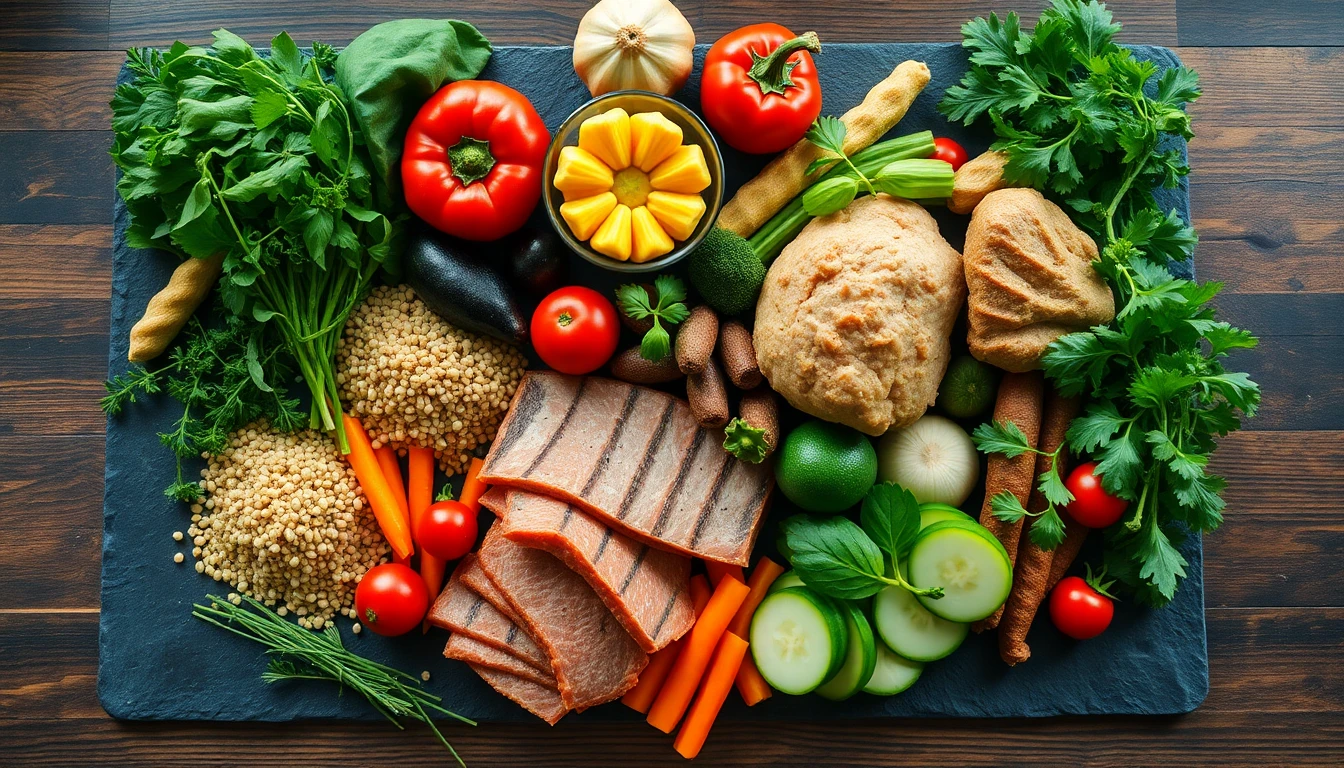
Creating delicious low sodium meals requires shifting your flavour-building strategy. Rather than relying on salt to enhance taste, you'll use ingredients and techniques that naturally deliver depth, brightness, and satisfaction. Once you master these approaches, reducing sodium becomes not just manageable, but genuinely enjoyable.
- Fresh herbs — Basil, coriander, parsley, dill, and mint add brightness and complexity. Unlike dried herbs, fresh varieties contribute vibrant top notes that make dishes feel complete without salt
- Citrus juice and zest — Lemon, lime, and orange provide acidity that brightens flavours and makes your palate perceive more intensity. The zest contains aromatic oils that add another dimension
- Aromatics — Onions, garlic, shallots, ginger, and fresh chillies create a flavourful foundation. Caramelising onions develops natural sweetness and umami
- Spices and dried herbs — Cumin, smoked paprika, coriander, turmeric, oregano, thyme, and rosemary add warmth and depth. Toasting whole spices before grinding intensifies their impact
- Umami ingredients — Tomatoes, mushrooms, nutritional yeast, and small amounts of aged cheese deliver savoury depth that compensates for missing salt
- Acid and fat balance — A splash of vinegar or squeeze of lemon combined with quality olive oil creates satisfaction and helps flavours coat your palate
- Roasting and browning — High-heat cooking techniques develop complex flavours through Maillard reactions and caramelisation, creating natural depth
10 Low Sodium Meals Under 500mg Per Serving
Each of these recipes has been carefully developed to maximise flavour whilst keeping sodium below 500mg per serving. We've included approximate sodium counts, but remember these will vary slightly based on specific ingredient brands and portion sizes.
1. Lemon Herb Roasted Chicken with Root Vegetables (285mg)
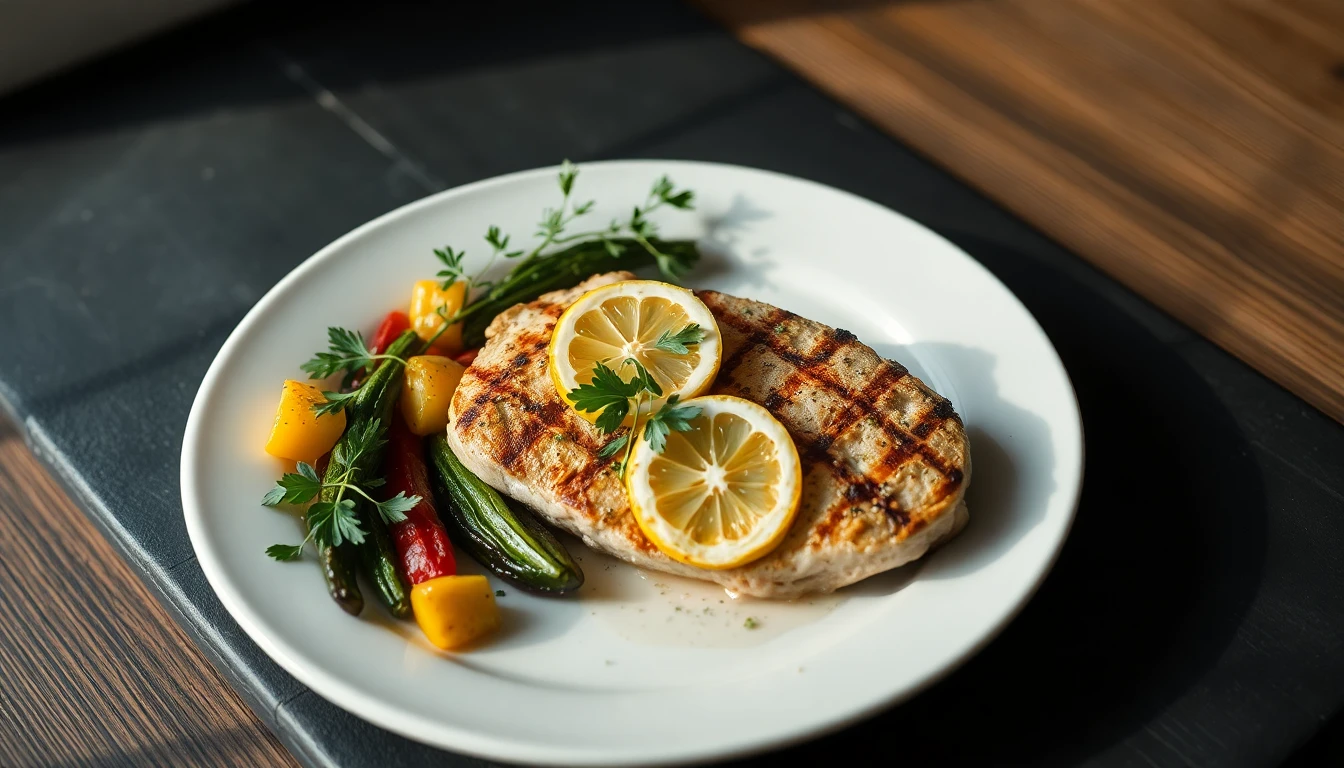
Chicken breast marinated in lemon juice, garlic, fresh thyme, and rosemary, roasted alongside carrots, parsnips, and shallots. The caramelised vegetables develop natural sweetness whilst the citrus keeps everything bright. Serve with a simple rocket salad dressed in olive oil and more lemon.
2. Ginger Sesame Salmon with Stir-Fried Greens (310mg)
Fresh salmon fillet marinated in grated ginger, garlic, a touch of sesame oil, and lime juice, then pan-seared until crispy. Serve over pak choi and purple sprouting broccoli stir-fried with more ginger and a splash of rice vinegar. The omega-3s in salmon provide additional cardiovascular benefits.
3. Moroccan-Spiced Chickpea and Sweet Potato Stew (245mg)
Cumin, coriander, turmeric, and cinnamon create warming complexity in this plant-based stew. No-salt-added tinned chickpeas and tomatoes form the base, with sweet potato adding natural sweetness. Fresh coriander and a squeeze of lemon brighten the dish just before serving. Serve with homemade flatbread or brown rice.
4. Tuscan White Bean and Kale Soup (220mg)
Sautéed onion, carrot, celery, and garlic create the aromatic base. Add no-salt-added cannellini beans, chopped tomatoes, fresh rosemary, and homemade low-sodium vegetable stock. Finish with roughly chopped kale and a drizzle of quality olive oil. The beans provide satisfying texture and plant protein whilst keeping sodium minimal.
5. Cumin-Crusted Pork Tenderloin with Apple Slaw (295mg)
Lean pork tenderloin rubbed with cumin, smoked paprika, garlic powder, and black pepper, roasted until just cooked through. Serve with a crunchy slaw of shredded apple, red cabbage, and carrot dressed in apple cider vinegar, a touch of honey, and wholegrain mustard. The sweetness and acidity balance beautifully with the spiced meat.
6. Mediterranean Baked Cod with Tomatoes and Olives (380mg)
Cod fillets baked with cherry tomatoes, Kalamata olives (rinsed to remove some brine), capers, garlic, and fresh basil. The olives and capers provide concentrated bursts of flavour without requiring overall high sodium. Finish with lemon zest and serve with roasted courgettes and wholegrain couscous.
7. Thai-Style Prawn and Vegetable Curry (340mg)
Make your own curry paste with fresh lemongrass, ginger, garlic, chilli, coriander stems, and lime zest. Cook with reduced-fat coconut milk, no-salt-added stock, peppers, mangetout, and prawns. The fresh aromatics create incredible depth without needing fish sauce or salt. Serve with cauliflower rice to keep carbohydrates moderate.
8. Roasted Vegetable and Quinoa Salad with Tahini Dressing (210mg)
Roast aubergine, courgette, peppers, and red onion until caramelised. Toss with cooked quinoa, fresh mint, and parsley. The tahini dressing—made from tahini, lemon juice, garlic, and water—provides creamy richness and sesame flavour. This meal works beautifully as meal prep, improving in flavour over a day or two.
9. Herb-Stuffed Turkey Meatballs in Tomato Sauce (265mg)
Lean turkey mince combined with fresh parsley, basil, garlic, and a small amount of breadcrumbs (choose low-sodium varieties). Form into meatballs and bake until golden. Simmer in homemade tomato sauce made from tinned no-salt-added tomatoes, garlic, oregano, and a pinch of red pepper flakes. Serve with courgette noodles or wholemeal pasta.
10. Mushroom and Thyme Risotto with Peas (315mg)
Traditional risotto relies heavily on salty stock and Parmesan, but this version uses homemade low-sodium stock, plenty of sautéed mushrooms for umami, fresh thyme, and just a small amount of aged Parmesan at the finish. Stirring in frozen peas at the end adds sweetness and colour. The slow addition of stock and constant stirring creates natural creaminess.
Smart Shopping for Low Sodium Cooking
Creating genuinely low sodium meals starts in the supermarket. Reading labels becomes essential, as sodium content varies dramatically between brands. Products labelled 'reduced sodium' still contain considerable amounts, whilst 'no added salt' versions give you control over seasoning.
- Tinned tomatoes and beans — Always choose 'no added salt' varieties. Standard tinned tomatoes can contain 300mg per serving versus under 20mg for no-salt versions
- Stock and broth — Make your own by simmering vegetable scraps, or choose very low-sodium stock cubes or bouillon. Standard stock cubes contain up to 1,000mg sodium each
- Fresh over processed — Fresh meat, poultry, and fish contain minimal natural sodium (50-80mg per 100g) compared to processed versions which can exceed 1,000mg
- Condiments — Regular soy sauce, ketchup, mustard, and salad dressings are sodium bombs. Look for reduced-sodium soy sauce, make your own dressings, or check labels carefully
- Bread and cereals — These contribute significant hidden sodium. Check labels and choose lower-sodium options, or bake your own bread without added salt
- Cheese — Use strong-flavoured aged varieties like Parmesan in small amounts. The intense flavour means a little goes further than mild, high-sodium processed cheese
Understanding Food Labels
UK food labels list sodium content per 100g and per serving. Low sodium means 0.3g (300mg) or less per 100g. High sodium means more than 1.5g (1,500mg) per 100g. Remember that serving sizes on packaging may not reflect what you actually eat, so always calculate based on your true portion. When comparing products, check whether the nutrition information is for the prepared dish or the dried product.
Making Low Sodium Meals Work Long-Term
Transitioning to low sodium eating requires an adjustment period. Your taste buds have adapted to high-sodium foods over years, and it takes roughly three to four weeks for your palate to recalibrate. During this time, foods may taste bland, but this is temporary. As your sensitivity to salt decreases, you'll begin noticing subtle flavours in whole foods that were previously masked.
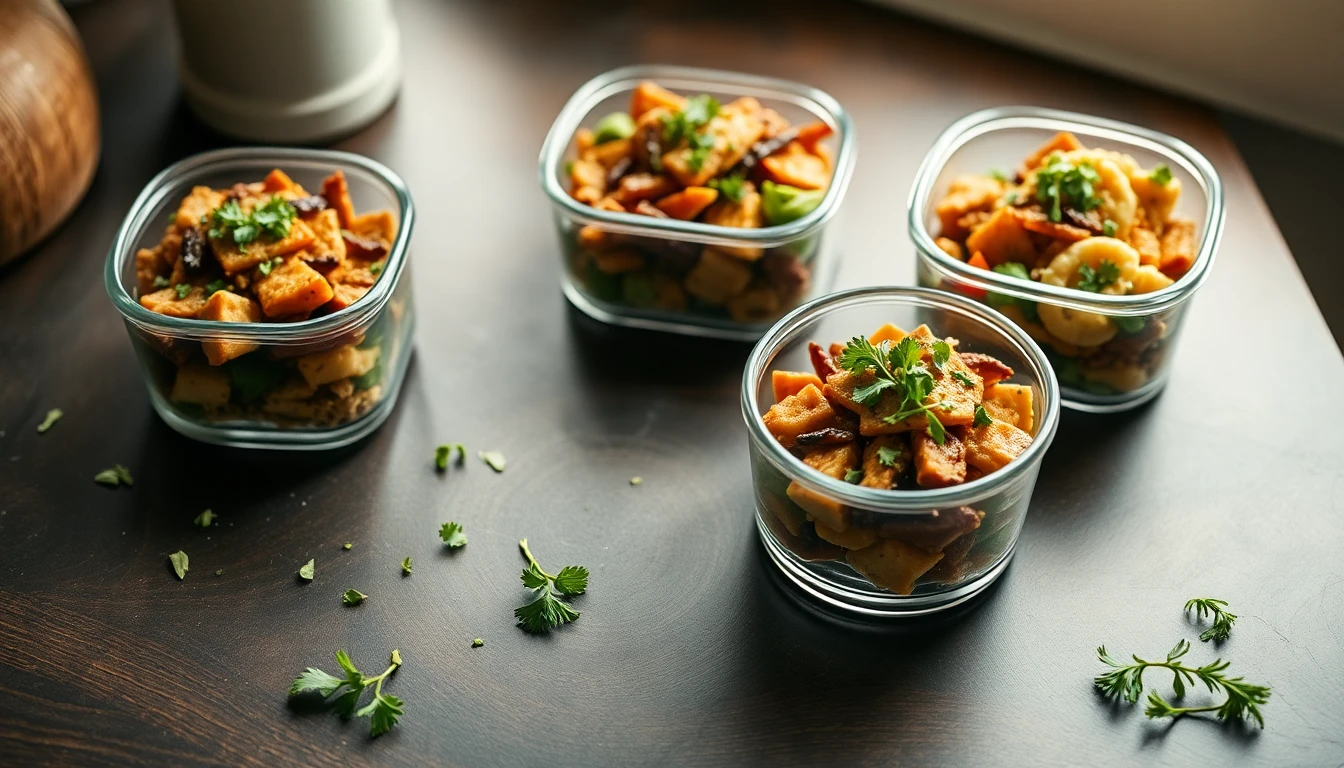
Meal planning and batch cooking make sodium control more sustainable. Prepare components in advance—roast vegetables, cook grains, make sodium-free stock—so assembling quick meals doesn't tempt you toward high-sodium convenience options. Keep your pantry stocked with the flavour-building ingredients mentioned earlier: dried spices, vinegars, citrus fruits, fresh garlic and ginger, and plenty of herbs.
- Gradual reduction — If you're used to adding salt freely, reduce gradually rather than eliminating completely overnight. This improves compliance and allows taste adaptation
- Restaurant strategies — Ask for sauces and dressings on the side, request no added salt during cooking, and choose grilled or roasted dishes over fried or sauced options
- Social situations — Offer to bring a dish to gatherings so you know there's something suitable. Most hosts appreciate knowing about dietary requirements in advance
- Track your intake — Use a food diary or app to monitor sodium across the entire day, not just individual meals. This reveals patterns and hidden sources
How FreshPlate Simplifies Low Sodium Cooking
Managing sodium intake whilst ensuring nutritional balance can feel overwhelming, especially when you're also considering medications, other health conditions, and personal food preferences. FreshPlate automatically generates personalised meal plans that meet your specific sodium targets whilst accounting for your complete health profile. The app identifies suitable recipes, adjusts ingredient quantities, provides detailed sodium counts, and creates shopping lists that make low sodium cooking genuinely practical rather than theoretically possible. Whether you're managing hypertension, heart disease, kidney conditions, or simply want to eat more healthily, FreshPlate handles the complex nutritional calculations so you can focus on enjoying flavourful, satisfying meals that support your wellbeing.
Frequently asked questions
How much sodium should I eat per day if I have high blood pressure?
+
The NHS recommends no more than 6g of salt (2,400mg sodium) daily for adults, but those with hypertension often benefit from reducing to 1,500-2,000mg sodium per day. Your GP or dietitian can provide specific targets based on your blood pressure readings and overall health.
Can low sodium meals still taste good without any salt?
+
Absolutely. Using fresh herbs, spices, citrus, aromatics like garlic and onion, and umami-rich ingredients creates layers of flavour that make salt unnecessary. Your taste buds adapt within 3-4 weeks, after which you'll perceive more subtle, complex flavours in whole foods.
What is the difference between salt and sodium?
+
Salt (sodium chloride) is approximately 40% sodium and 60% chloride by weight. When a food label shows 1g of sodium, that's equivalent to 2.5g of salt. UK labels sometimes show both, but sodium is the component that affects blood pressure and health.
Are all low sodium foods healthy?
+
Not necessarily. Some processed 'low sodium' foods may be high in sugar, unhealthy fats, or additives to compensate for reduced salt. The healthiest approach combines sodium reduction with eating whole foods—fresh vegetables, fruits, whole grains, lean proteins, and healthy fats.
Can I use salt substitutes when cooking low sodium meals?
+
Some salt substitutes replace sodium with potassium, which can be beneficial for blood pressure but problematic if you're taking certain medications like ACE inhibitors or have kidney disease. Always check with your GP or pharmacist before using potassium-based salt substitutes, as excessive potassium can be dangerous for some people.
Sources
Did this answer your question?
Reece reads every reply. Questions we have not covered become new guides.
Enjoyed these? There’s more where they came from.
Get fresh low sodium recipes and meal ideas by email — practical, healthy, and built for real weeknights. One genuinely useful email a week — no spam, unsubscribe anytime.
Free forever. You'll also be first in line for the FreshPlate app — with a free trial at launch.