Prednisone Diet: How to Reduce Weight Gain and Bloating
Learn which foods to eat and avoid on prednisone to manage weight gain, bloating, and blood sugar. Evidence-based nutrition tips for corticosteroid users.

By Reece Douglas · Founder, FreshPlate
Listen to this article
Prednisone Diet: How to Reduce Weight Gain and Bloating
Prednisone is a life-saving corticosteroid prescribed for conditions ranging from asthma and inflammatory bowel disease to rheumatoid arthritis and lupus. Whilst it's highly effective at reducing inflammation, prednisone comes with side effects that can significantly impact your quality of life—particularly weight gain, bloating, elevated blood sugar, and weakened bones.
The good news? Your diet can make a genuine difference. A thoughtful prednisone diet won't eliminate side effects entirely, but it can help you manage them more effectively, feel better in your body, and protect your long-term health. This guide walks you through the evidence-based nutritional strategies that matter most when you're taking corticosteroids.
Why Prednisone Affects Your Weight and Appetite
Prednisone triggers several metabolic changes that make weight gain frustratingly common. It increases appetite—sometimes dramatically—by affecting hunger hormones and the hypothalamus, the brain region that regulates appetite. Many people report feeling constantly hungry, particularly craving carbohydrate-rich and salty foods.
Beyond increased appetite, prednisone also promotes fluid retention through sodium and water retention, causes fat redistribution (particularly to the face, neck, and abdomen), and can reduce muscle mass whilst increasing fat storage. Higher doses and longer treatment durations increase these risks, but even short courses can trigger noticeable changes.
Understanding these mechanisms is the first step. You're not lacking willpower—you're managing a medication with real metabolic effects. Strategic dietary choices can help counteract these changes without requiring unsustainable restriction.
Reducing Sodium to Combat Bloating and Fluid Retention
Sodium restriction is perhaps the single most effective dietary change for managing prednisone-related bloating and puffiness. Prednisone causes your kidneys to retain sodium, which in turn causes water retention. This contributes to facial swelling (moon face), ankle oedema, and that uncomfortable bloated feeling.
The NHS recommends adults consume no more than 6g of salt (2.4g sodium) daily, but when taking prednisone, aiming for the lower end of this range—or around 1.5-2g sodium daily if your doctor agrees—can make a noticeable difference.
- Avoid processed meats — bacon, sausages, ham, and deli meats are extremely high in sodium
- Skip tinned soups and sauces — a single tin of soup can contain your entire daily sodium allowance
- Read labels carefully — foods labelled 'low salt' contain 0.3g salt or less per 100g
- Choose fresh over packaged — fresh vegetables, fruits, and unprocessed meats contain minimal sodium
- Flavour with herbs and spices — garlic, ginger, cumin, basil, and lemon juice add flavour without sodium
- Watch 'hidden' sources — bread, cheese, breakfast cereals, and condiments often contain surprising amounts
Practical Low-Sodium Swaps
Making lower-sodium choices doesn't mean bland food. Simple swaps can dramatically reduce your intake whilst keeping meals satisfying.
- Replace table salt — with potassium-based salt substitutes (check with your doctor first)
- Choose unsalted nuts — instead of salted or roasted varieties
- Make your own stock — using vegetable scraps and herbs rather than stock cubes
- Rinse tinned foods — beans and vegetables lose about 40% of sodium when drained and rinsed
Prioritising Calcium and Vitamin D for Bone Health
One of prednisone's most serious long-term side effects is bone loss. Corticosteroids interfere with calcium absorption, increase calcium loss through urine, and reduce bone formation whilst increasing bone breakdown. The result is an elevated risk of osteoporosis and fractures, particularly with prolonged use.
The Royal Osteoporosis Society recommends adults taking corticosteroids aim for 1000-1200mg of calcium daily alongside adequate vitamin D (10 micrograms or 400 IU minimum). Many doctors prescribe vitamin D and calcium supplements alongside prednisone for this reason, but dietary sources remain important.
Getting enough calcium from food offers additional benefits—you also consume other bone-supporting nutrients like protein, magnesium, and vitamin K.
- Dairy products — milk, yoghurt, and cheese are calcium-rich (choose lower-fat versions to manage calories)
- Fortified plant milks — soya, almond, and oat drinks often contain similar calcium to dairy (check labels)
- Tinned fish with bones — sardines and salmon provide both calcium and vitamin D
- Dark leafy greens — kale, pak choi, and spring greens offer plant-based calcium
- Fortified foods — some breakfast cereals and breads are fortified with calcium
- Tofu — particularly calcium-set varieties, provides substantial amounts
Vitamin D Sources and Sunlight
Vitamin D is essential for calcium absorption, yet deficiency is extremely common in the UK. Whilst our bodies produce vitamin D from sunlight exposure, this is only possible from April to September and requires unprotected skin exposure during midday hours.
Few foods naturally contain vitamin D—oily fish (salmon, mackerel, sardines), egg yolks, and fortified foods are your best dietary sources. The NHS recommends everyone in the UK consider a vitamin D supplement (10 micrograms daily) during autumn and winter, and this is particularly important when taking prednisone.
Managing Blood Sugar Through a Prednisone Diet
Prednisone increases blood glucose levels by promoting glucose production in the liver and reducing insulin sensitivity. This can trigger steroid-induced diabetes in some people or worsen existing diabetes control. Even without developing diabetes, many people experience energy crashes, increased thirst, and intensified sugar cravings.
A diet that stabilises blood sugar helps manage these symptoms and reduces diabetes risk. The principles are similar to those recommended for prediabetes or type 2 diabetes management.
- Choose complex carbohydrates — wholegrain bread, brown rice, oats, and quinoa over refined white versions
- Pair carbs with protein or fat — this slows glucose absorption and prevents spikes
- Increase fibre intake — vegetables, pulses, and wholegrains improve blood sugar control
- Limit sugary drinks — fruit juice, squash, and fizzy drinks cause rapid glucose spikes
- Watch portion sizes — even healthy carbohydrates affect blood sugar; moderation matters
- Eat regularly — consistent meal timing helps prevent both high and low blood sugar
Smart Carbohydrate Choices
You don't need to eliminate carbohydrates—they're an important energy source. The quality and quantity matter more than complete avoidance.
- Breakfast — porridge with nuts and berries instead of sugary cereal
- Lunch — wholemeal wrap with plenty of protein and vegetables rather than white bread sandwiches
- Snacks — apple slices with nut butter instead of biscuits or crisps
- Dinner — smaller portions of pasta or rice, bulked with extra vegetables and lean protein
Protein: Your Ally Against Muscle Loss
Prednisone promotes muscle protein breakdown whilst reducing muscle protein synthesis—a combination that can lead to muscle loss and weakness, particularly in the thighs and upper arms. Adequate protein intake helps counteract this effect and supports satiety, which helps manage the increased appetite prednisone triggers.
Aim for protein at each meal, with a target of roughly 1.2-1.5g per kilogram of body weight daily—slightly higher than the standard recommendation. For a 70kg person, this means approximately 85-105g of protein daily.
Quality matters too. Complete proteins containing all essential amino acids are particularly valuable.
- Lean meats and poultry — chicken breast, turkey, and lean beef cuts
- Fish and seafood — particularly oily fish like salmon, mackerel, and trout for omega-3 benefits
- Eggs — versatile, affordable, and nutritionally complete
- Dairy products — Greek yoghurt, cottage cheese, and skyr are protein-rich options
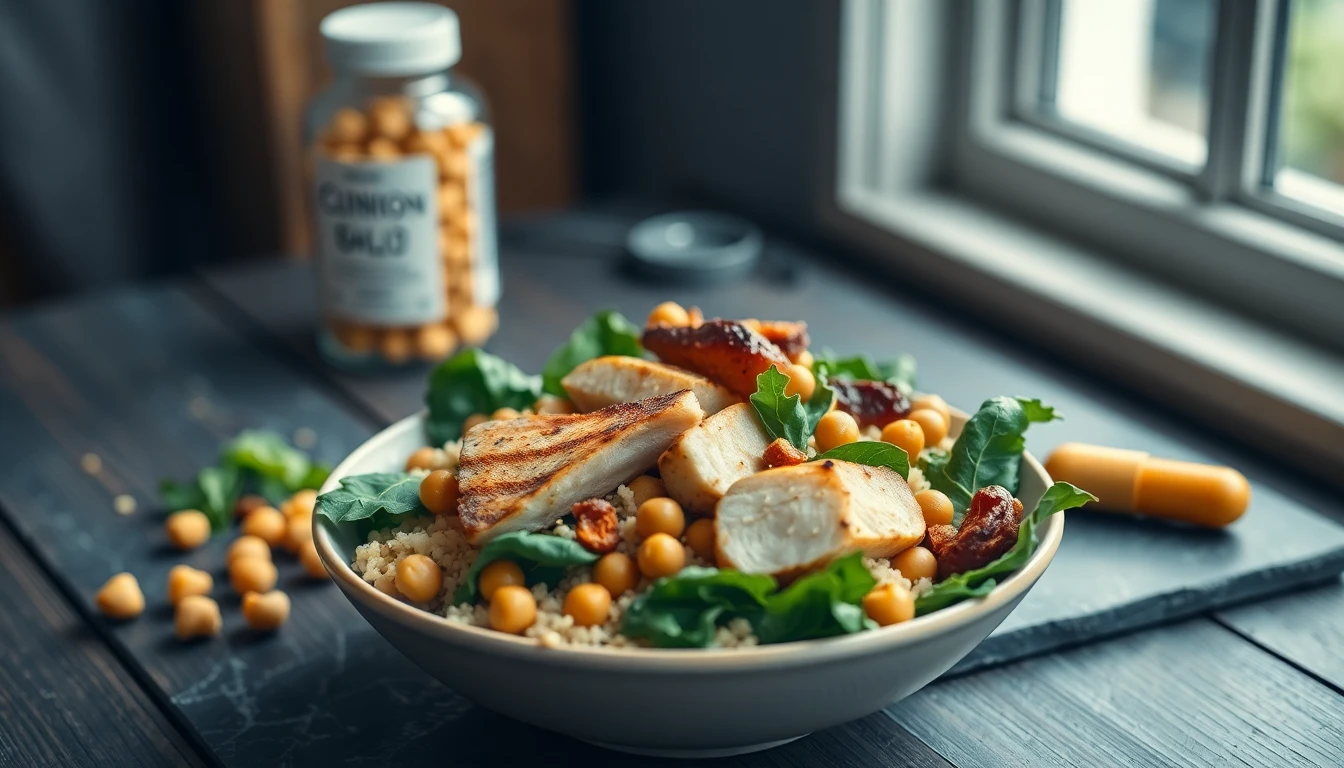
- Pulses and legumes — lentils, chickpeas, and beans provide plant protein plus fibre
- Tofu and tempeh — excellent plant-based complete proteins
Foods to Limit or Avoid on Prednisone
Whilst a prednisone diet is more about what to include than what to exclude, certain foods can worsen side effects or interact with the medication's effects on your body.
- High-sodium foods — processed meals, takeaways, salty snacks, and cured meats exacerbate fluid retention
- Simple sugars — sweets, cakes, biscuits, and sugary drinks worsen blood sugar fluctuations
- Excessive alcohol — increases diabetes risk, interferes with bone health, and can irritate the stomach lining
- Grapefruit — whilst not a direct interaction, grapefruit affects many medications and is worth discussing with your pharmacist
- Large amounts of liquorice — can enhance corticosteroid effects and worsen potassium loss
Managing Cravings Without Restriction
Prednisone-induced cravings are real and can feel overwhelming. Rather than attempting to ignore them entirely—which often backfires—acknowledge them and plan strategic responses.
Keep higher-protein snacks readily available: Greek yoghurt with berries, vegetable sticks with hummus, a small handful of nuts, or a boiled egg. These provide satisfaction without the blood sugar rollercoaster that sweet treats trigger. When you do choose to enjoy something indulgent, pair it with protein or have it after a balanced meal to minimise glucose impact.
How FreshPlate Can Help With Your Prednisone Diet
Managing all these nutritional considerations whilst dealing with the fatigue and symptoms that often accompany conditions requiring prednisone can feel overwhelming. When you add prednisone to your medication list, FreshPlate builds your recipes around your own medicines, and the For you tab on each recipe lists them. If the checker has quoted the NHS or US FDA words about food for prednisone, they open there, word for word, with a link to the checker page; if not, it says there is no advice on file yet and points you to your pharmacist. The app has no specific rule of its own for prednisone.
Your For you tab also shows why a recipe suits your goal and conditions, and whether it fits what is left of your day, so you are not working it all out by hand. You can log meals by photo, barcode or search, and a pack the databases don't know is read off its own label, with the nutrition table filling in the numbers.
If you would like to look up prednisone yourself, the free interaction checker on the website shows the foods to watch in seconds. It's a bit like having a friend who keeps your medication list in mind while you plan meals, because managing a chronic condition shouldn't mean spending hours planning every one.
Frequently asked questions
Will a prednisone diet prevent weight gain completely?
+
A thoughtful diet can significantly reduce prednisone weight gain but may not prevent it entirely. Prednisone affects metabolism and appetite through multiple pathways, so some weight change is common. Focusing on low-sodium foods, adequate protein, and blood sugar management offers the best protection whilst supporting overall health.
Should I take calcium and vitamin D supplements whilst on prednisone?
+
Most doctors recommend calcium and vitamin D supplementation for anyone taking prednisone for more than three months, as corticosteroids significantly increase osteoporosis risk. However, the appropriate dose varies based on your diet, blood levels, and individual risk factors, so discuss supplementation with your GP or specialist before starting.
Can I drink alcohol whilst taking prednisone?
+
Moderate alcohol is generally considered acceptable with prednisone, but both alcohol and prednisone can irritate the stomach lining, increase blood sugar, and affect bone health. Limiting alcohol to occasional small amounts—and avoiding it entirely if you have stomach issues—is the safest approach.
How long does it take for prednisone weight gain to go away?
+
Most prednisone-related weight—particularly fluid retention—begins improving within weeks of stopping the medication or reducing to a lower dose. Fat accumulation may take several months to resolve. Continuing the dietary strategies used during treatment supports healthy weight normalisation after stopping prednisone.
Does prednisone deplete potassium?
+
Yes, prednisone can increase potassium loss through urine, potentially leading to low potassium levels (hypokalaemia). Eating potassium-rich foods like bananas, oranges, potatoes, spinach, and tomatoes helps maintain healthy levels. Your doctor may monitor potassium through blood tests, particularly on higher doses or longer treatment courses.
Sources
Did this answer your question?
Reece reads every reply. Questions we have not covered become new guides.
Eating around prednisone shouldn’t be guesswork.
Get our free prednisone food guide by email — the foods to watch, safe swaps, and meal ideas that work with your medication. One genuinely useful email a week — no spam, unsubscribe anytime.
Free forever. You'll also be first in line for the FreshPlate app — with a free trial at launch.